
Consolidated Shipping from China
Helping Importers Combine Shipments, Cut Costs, and Simplify Global Logistics


DFH Logistics—Reliable Consolidated Freight Solutions From China
Managing shipments from multiple suppliers can be both complex and costly. As an experienced international logistics company, DFH consolidation logistics service has helped thousands of businesses combine goods into a single, efficient shipment, reducing transportation costs, minimizing coordination challenges, and improving shipping efficiency for shipping from China to global destinations.
As every shipping condition can be different, we offer customized consolidation solutions according to your cargo types, supplier network, shipping schedules, and delivery requirements.
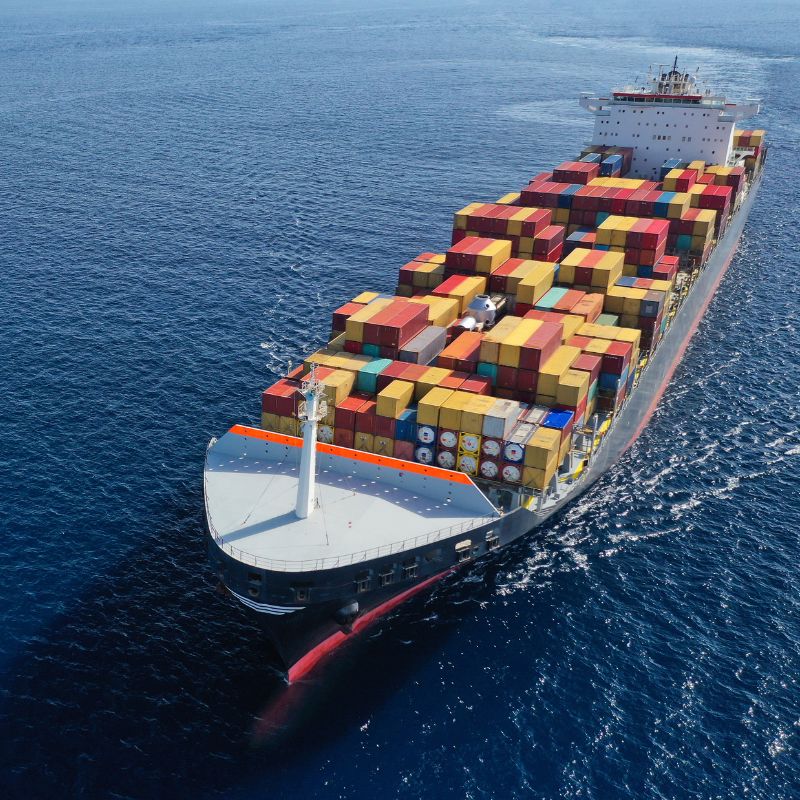
For cargo insufficient to fill an entire container, we assemble them into standard 20-foot or 40-foot containers.
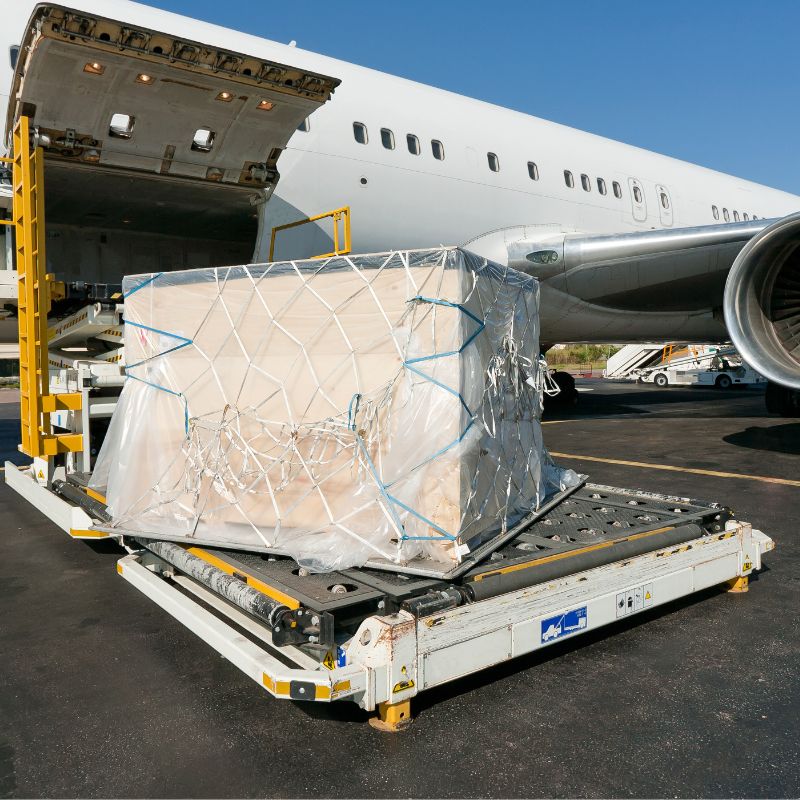
Consolidate multiple batches of small-sized air cargo onto a single master waybill and consolidated airway bill, reducing the high cost of air transportation.
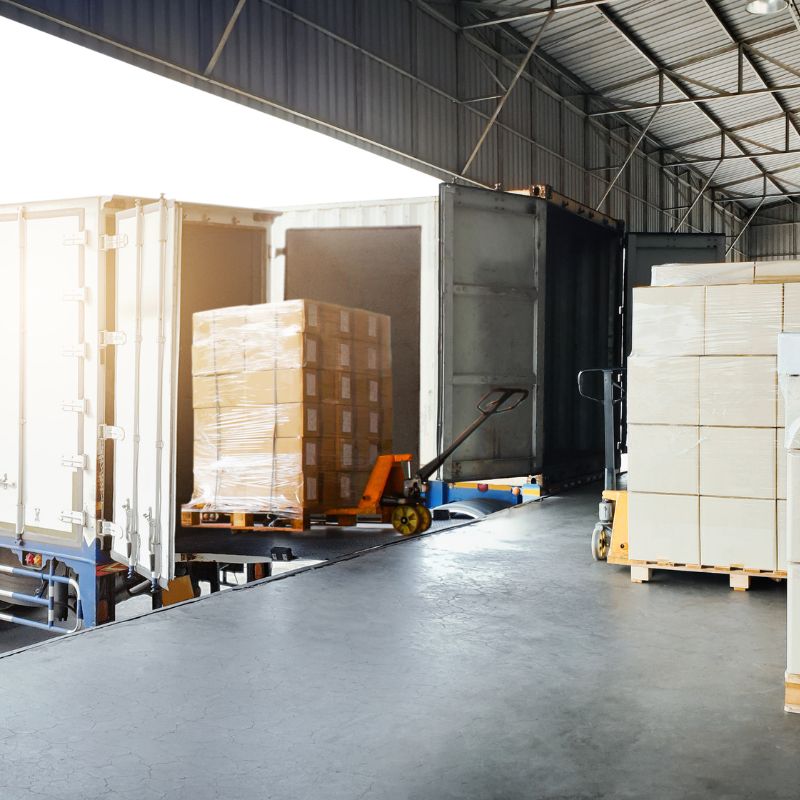
Assemble scattered goods from multiple consignors into a single vehicle for long-distance transportation.
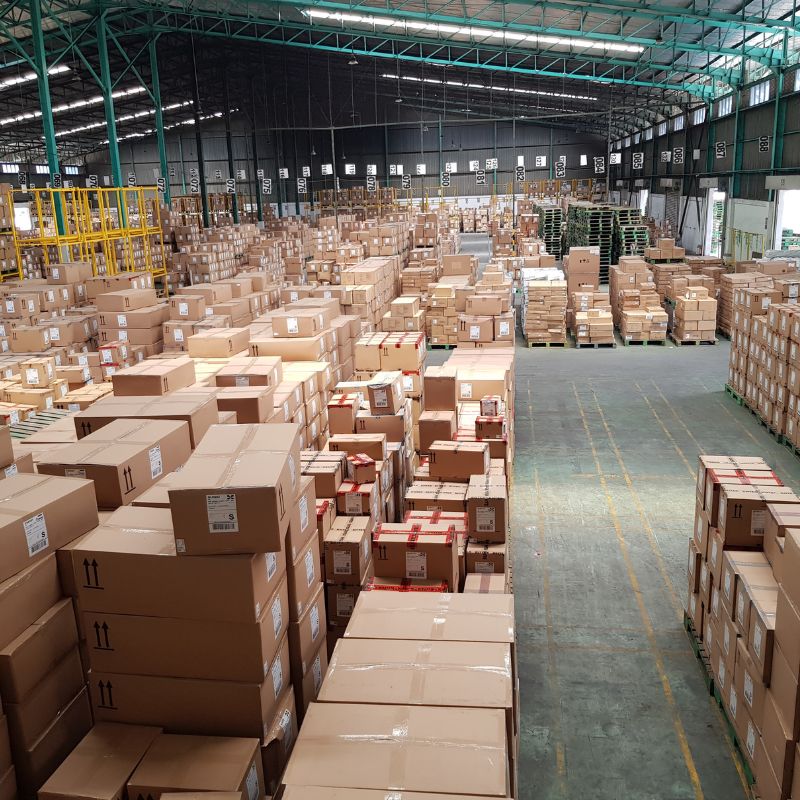
Consolidate the packages purchased by overseas consumers on different e-commerce platforms into one and send it out.
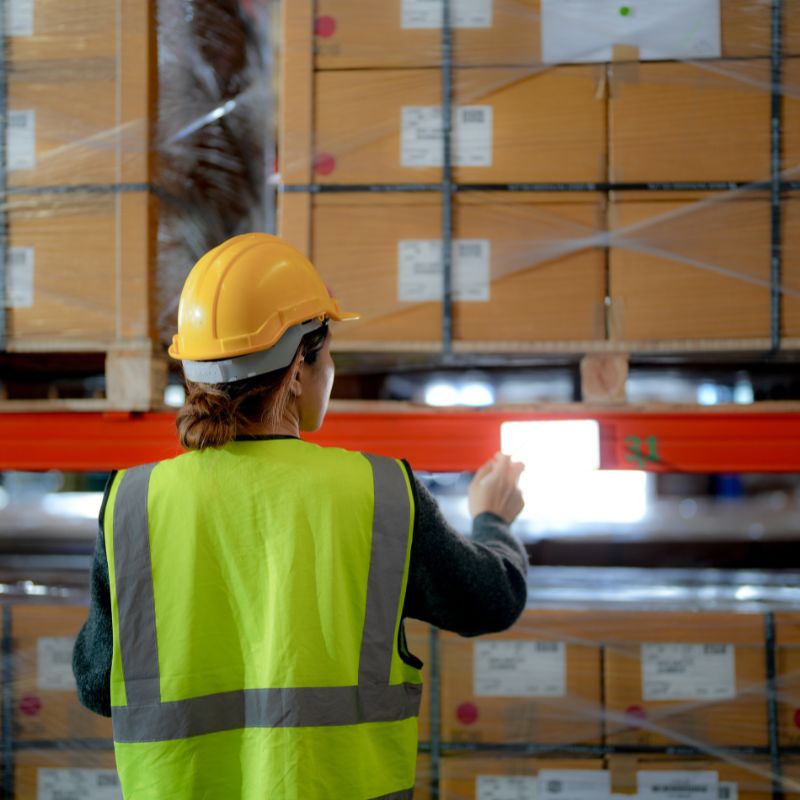
Provide 15 days of free storage, allowing you to initiate the packaging process only after all the goods have arrived.
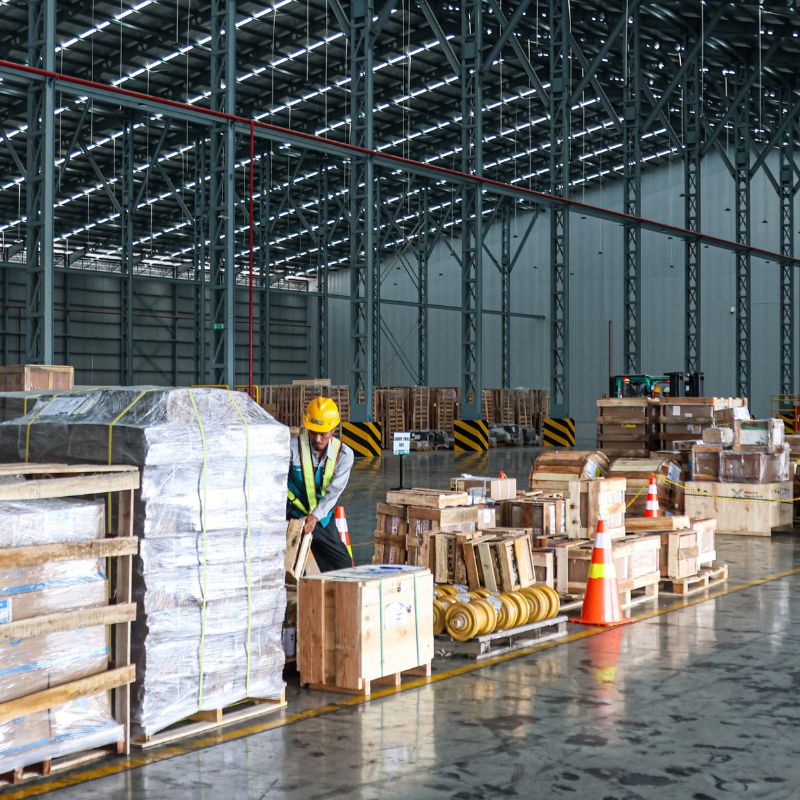
Offer repacking service, including removing excessive packaging, eliminating unnecessary cardboard boxes, and repacking them with bubble wrap.

Provide unpacking inspection, photo-taking, and counting services to prevent prohibited items and incorrect or missed deliveries.

Provide SKU barcode stickers, Amazon FBA labels, or others according to the platform-specific requirements.
Why Choose DFH Logistics as Your Consolidated Shipping Partner?
- Proactive and efficient coordination with multiple suppliers to achieve smoother consolidated shipping.
- Provide a secure warehouse with careful management of the processes of receiving, storing, inspecting, and labeling of your consolidated cargo.
- Support flexible sea freight, air freight, rail freight, and multimodal shipping solutions.
- Provide complete end-to-end logistics support, including cargo consolidation, customs clearance, and final delivery.
- Support Amazon FBA consolidated shipping with labeling, palletizing, carton inspection, and warehouse coordination.
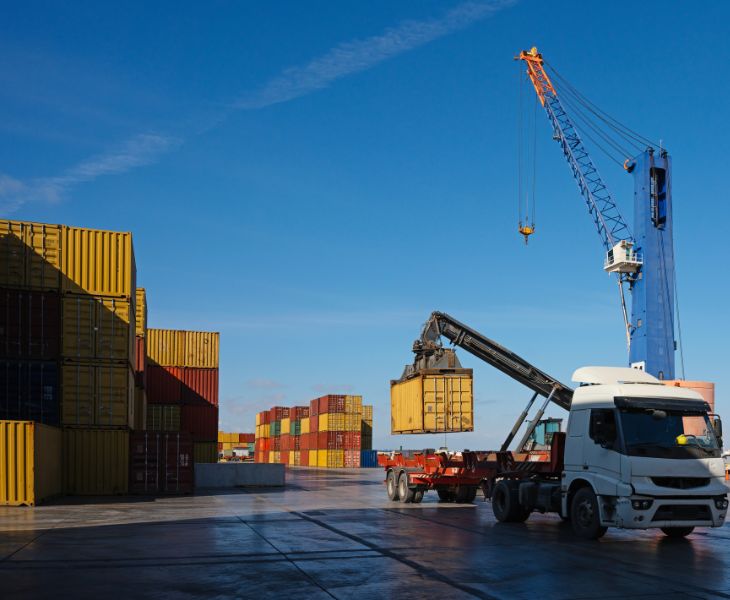
What is Consolidated Shipping?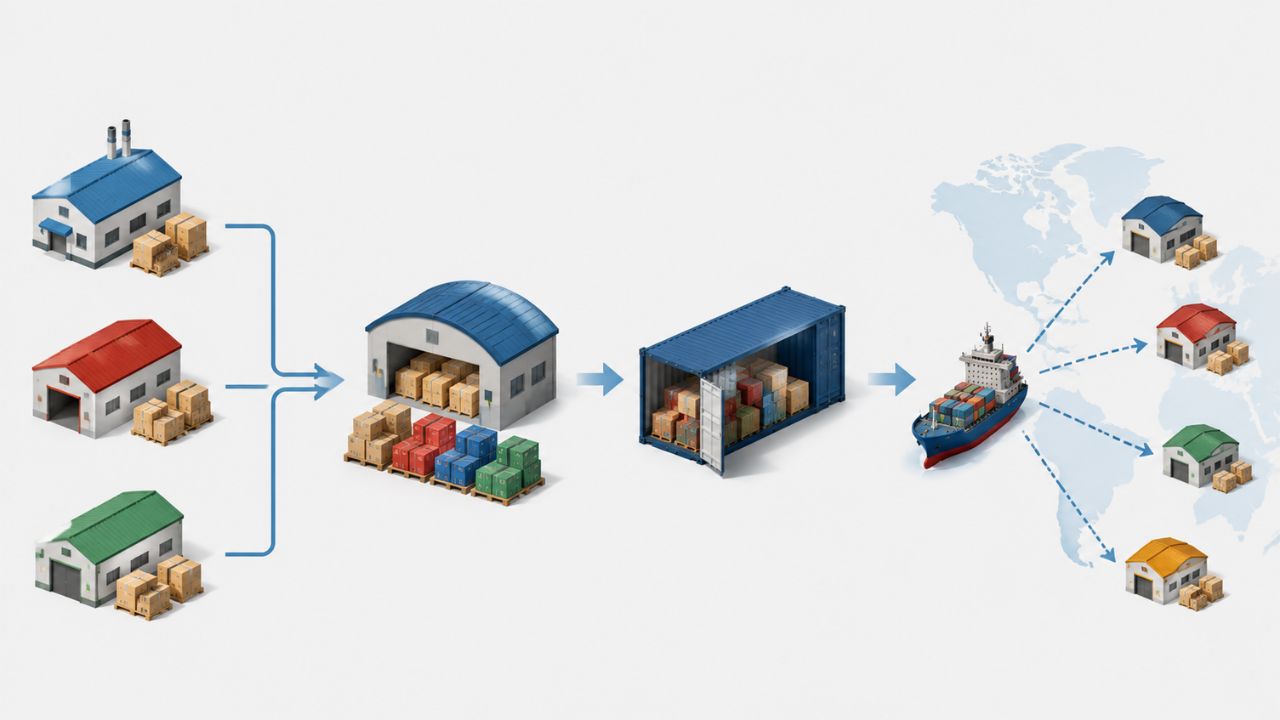
Consolidated shipping refers to the shipping method in which multiple smaller shipments destined for the same geographical area are combined into a larger cargo vehicle for transportation. Therefore, different shippers do not need to pay for multiple shipments. containers. The goods are consolidated to fully load the shipping vehicles, and the costs are shared.
How Consolidated Shipping Works?
The consolidated shipping process can be divided into the following steps:
- The Less-Than-Container-Load (LCL) shipments are sent to a central consolidation warehouse.
- The shipment is sorted by its destination, shipping urgency, and compatibility.
- Load these goods into a single container and ship them to the destination region.
- When it arrives, the bulk load is separated back into its individual shipments and sent out for final local delivery.
What are the Benefits of Consolidated Shipping?
- Saving Costs
Consolidating goods makes small businesses achieve the volume-based bulk shipping rates, which are the same as those large enterprises have. The shipper can share the total cost of the container with other suppliers. Besides, consolidating shipping reduces the time of separate pickup and delivery trips directly, lowering fuel surcharges and warehouse handling costs.
- Reduce Risk of Freight Damage
Before loading, all the goods are professionally packaged, stacked, and secured. Instead of transferring packages between multiple hub-railway transfer stations, consolidated shipping directly ships from the integration center to the destination area, reducing contact points.
- Faster Delivery Times
Consolidating goods can streamline cargo handling, speeding up long-distance transportation.
- Simplify Customs and Administration
Consolidating shipping enables consolidating all the documents into a single main list, so international consolidators do not need to submit separate declarations for dozens of small shipments. In addition, the shipment has a unified tracking number, so it’s convenient for you to track.
- High Flexibility
There is no minimum order quantity limit for small enterprises, and such frequent small-batch combined shipments enable enterprises to maintain a streamlined, demand-based production inventory model.
- Higher Sustainability
Consolidating shipping reduces the requirements of multiple, partially filled trucks, which also reduces fuel consumption.
What is the Consolidation Fee?
A consolidation fee is an operational charge applied by freight forwarders, which covers the fees paid for the extra operational steps, including
- Receive and classify individual goods from different trucks.
- Stack, group, and secure the goods of different shippers within a shared container.
- Re-packaging and labeling.
- Create a total shipment list and handle the complex multi-consignor documents.
Consolidated Shipping and Direct Shipping: Which One Should I Choose?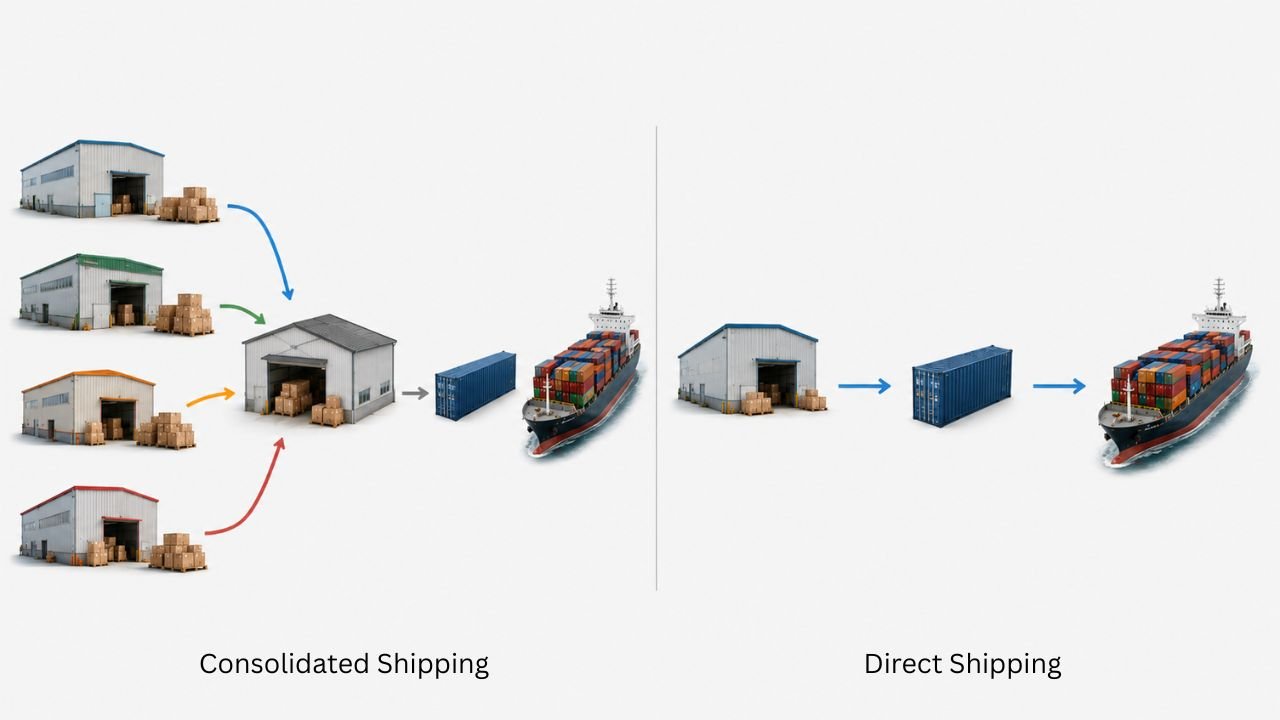
You can get the general difference between consolidated shipping and direct shipping from the following chart:
| Comparison Item | Consolidated Shipping | Direct Shipping |
| Shipping Cost | Lower overall shipping cost by combining cargo into one shipment | Higher total shipping cost due to multiple separate shipments |
| Best For | Small to medium cargo volumes from multiple suppliers | Large shipments or single-supplier orders |
| Supplier Coordination | Managed by one logistics provider | Managed separately for each supplier |
| Number of Shipments | One combined shipment | Multiple independent shipments |
| Customs Clearance | One centralized customs process | Multiple customs processes may be required |
| Warehouse Support | Cargo can be stored and consolidated before shipment | Usually, limited warehouse coordination |
| Freight Efficiency | Optimized cargo utilization and space efficiency | Lower efficiency for small-volume shipments |
| Risk of Shipping Delays | Reduced through centralized management | Higher if suppliers ship inconsistently |
| Packaging Optimization | Repacking and palletizing are available | Limited optimization opportunities |
| Amazon FBA Compatibility | Ideal for multi-supplier FBA shipments | Less efficient for multiple suppliers |
| Tracking & Visibility | Centralized shipment tracking | Separate tracking for each shipment |
| Flexibility | Flexible consolidation options for mixed cargo | Less flexible for small or mixed shipments |
| Delivery Efficiency | More organized and streamlined | May result in staggered deliveries |
| Environmental Impact | More efficient cargo utilization reduces emissions | More shipments may increase the carbon footprint |
Consolidated shipping offers a more cost-effective and efficient solution, while direct shipping is more suitable for emergency deliveries or large-volume orders from a single supplier.
How Do I Choose Between Sea Freight and Air Freight Consolidation?
Sea freight consolidation is usually the most cost-effective option, very suitable for long-term inventory planning and batch transportation. In comparison, air freight is more suitable for urgent, lightweight, or high-value goods that require a faster delivery time.
To get more information, you can check the following chart:
| Comparison Item | Sea Freight Consolidation | Air Freight Consolidation |
| Shipping Speed | Slower transit time | Much faster delivery |
| Shipping Cost | More cost-effective for larger cargo volumes | Higher freight cost |
| Best For | Bulk cargo, heavy goods, non-urgent shipments | Urgent shipments, high-value or lightweight cargo |
| Transit Time Stability | May be affected by port congestion and vessel schedules | More stable and predictable schedules |
| Customs Clearance | Usually longer processing time | Faster customs handling |
| Environmental Impact | Lower carbon emissions per unit shipped | Higher carbon footprint |
| Warehouse Consolidation | Commonly used for multi-supplier cargo consolidation | Also suitable for supplier consolidation with faster turnaround |
| Packaging Requirements | Standard export packaging | Stricter packaging and weight restrictions |
| Amazon FBA Suitability | Suitable for cost-sensitive inventory replenishment | Ideal for urgent FBA restocking |
| Flexibility | More flexible for oversized and mixed cargo | Better for time-critical cargo |
| Delivery Timeline | Usually weeks depending on the destination | Usually days depend on the destination |
| Cargo Tracking | Standard tracking visibility | Real-time and faster tracking updates |
| Supply Chain Use Case | Long-term inventory planning | Emergency restocking and urgent delivery |
Which Types of Goods are not Suitable for Consolidated Shipping?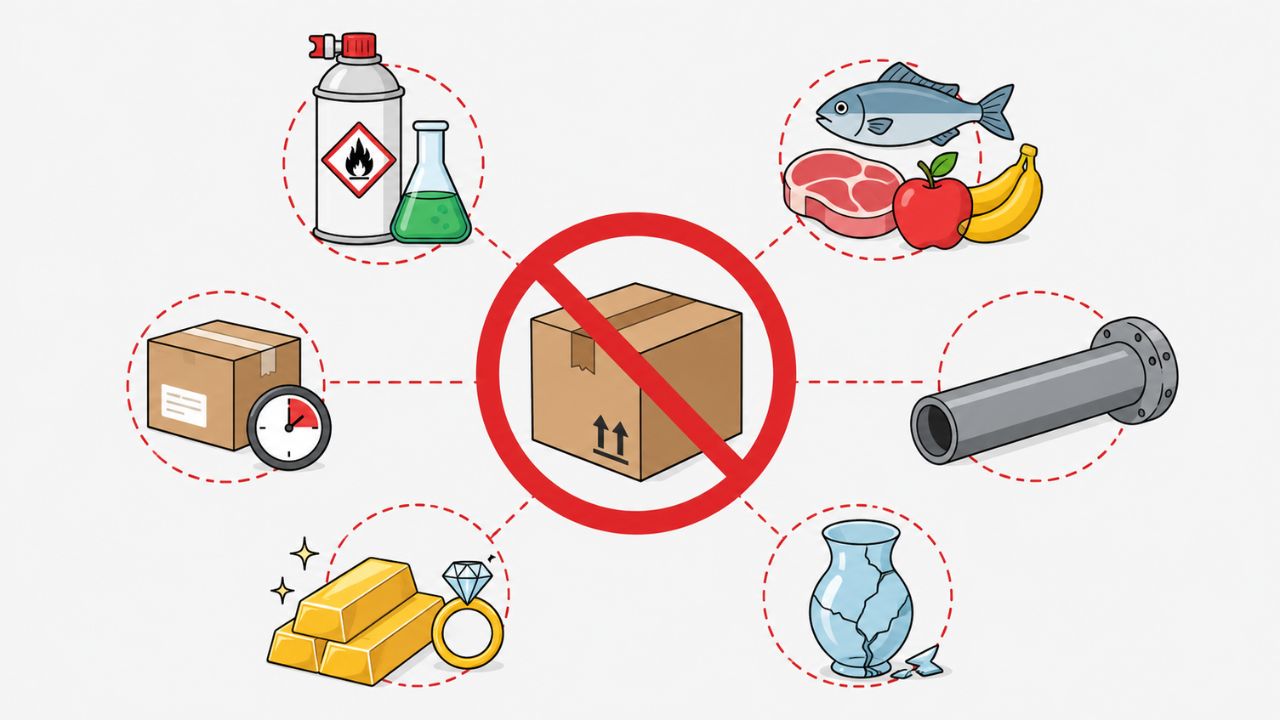
Due to Limitations in terms of safety, timeliness, or physical properties, some types of cargo are not suitable for consolidated shipping, including
- Dangerous goods (chemical reagents, aerosol sprays, paints, perfumes, strong acids, etc.)
- Perishable goods (fresh seafood, meat, fruits, vegetables, dairy products, biological vaccines, etc.)
- Oversized cargo (large industrial machinery, long-shaped pipes, yachts, canoes, unboxed giant sculptures, etc.)
- Fragile goods (unpackaged bulk goods, bulk liquids, leather, chemical products with strong odors, etc.)
- High-value cargo (gold, jewelry, precious calligraphy and paintings, antiques, high-end luxury watches, cash, securities, etc.)
- Urgent shipment (the urgently needed replacement parts for the production line, the seasonal promotional goods for festivals, and the emergency samples for exhibitions)
How Can I Track My Consolidated Cargo After It Is Sent Out?
Here are several methods for you to track the consolidated cargo.
You can track through your freight forwarder. DFH will help you track your goods if we are responsible for your shipping.
You can track via the shipping carrier, which means that you can track the vessel that is sailing in the ocean after it is loaded into a shared shipping container.
For air freight consolidation, you can track through air freight milestones.
What Can I Do If I Find that There are Missing Items or the Contents are Damaged?
If you find that there is something wrong with your cargo when you receive it, you should immediately take a photo of the goods in their original state before moving the goods or opening the remaining packaging.
Then, note exceptions on the delivery receipt. Do not sign the delivery receipt before inspecting the shipment condition.
You can check whether the recorded shipment weight in the logistics track is consistent with the actual weight of the goods you received. If not, the goods are likely lost or stolen during transit.
Most shipping companies and international courier services have strict time limits for handling complaints regarding damage to goods or missing packages. Therefore, you must contact customer service in time.
Then you can file an official insurance claim. If you have purchased the cargo insurance, you can apply for compensation directly to the shipping company or a third-party insurance company.