
CIF Shipping from China
End-to-End CIF Shipping Solutions from China to Global Destinations


DFH Logistics—Simplify Your Shipping from China with Professional CIF Freight Services
When it comes to coordinating transportation, insurance, documentation, and customs procedures, the process can be complex. Whether you are importing machinery, consumer goods, electronic products, or industrial materials, choosing the right CIF transportation solution is crucial for controlling costs and ensuring smooth delivery.
DFH CIF freight service can simplify your process by providing a one-stop logistics solution, which includes transportation from China to major destinations worldwide, cargo insurance, export customs clearance, and professional freight management.
What’s more, we offer flexible CIF logistics services that can be customized according to your cargo type, transportation volume, and destination requirements.
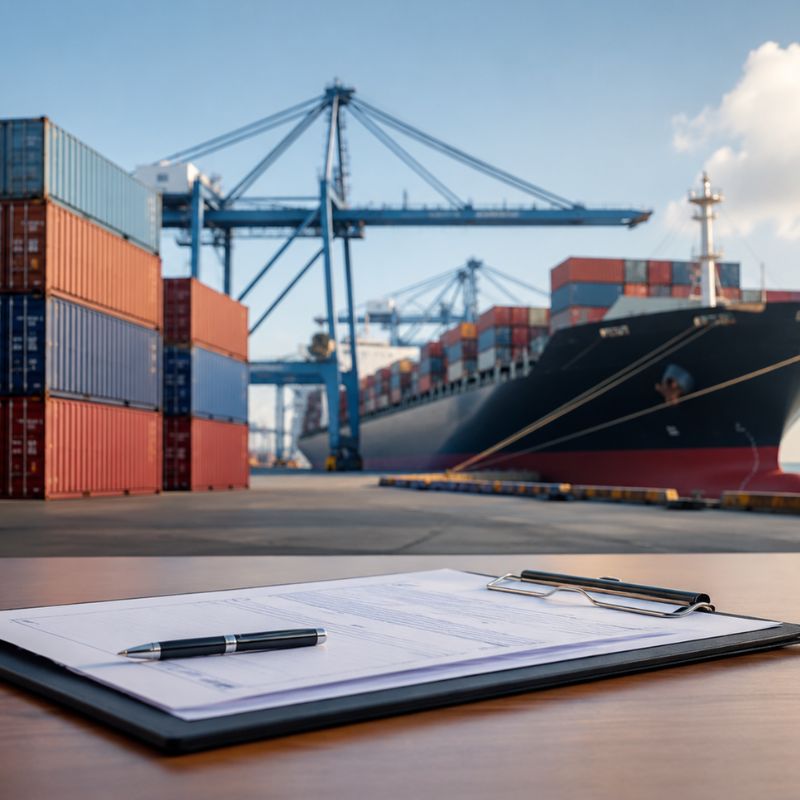
Provide booking services for full container (FCL) and less-than-container-load (LCL) shipments, and coordinate with various international shipping companies.
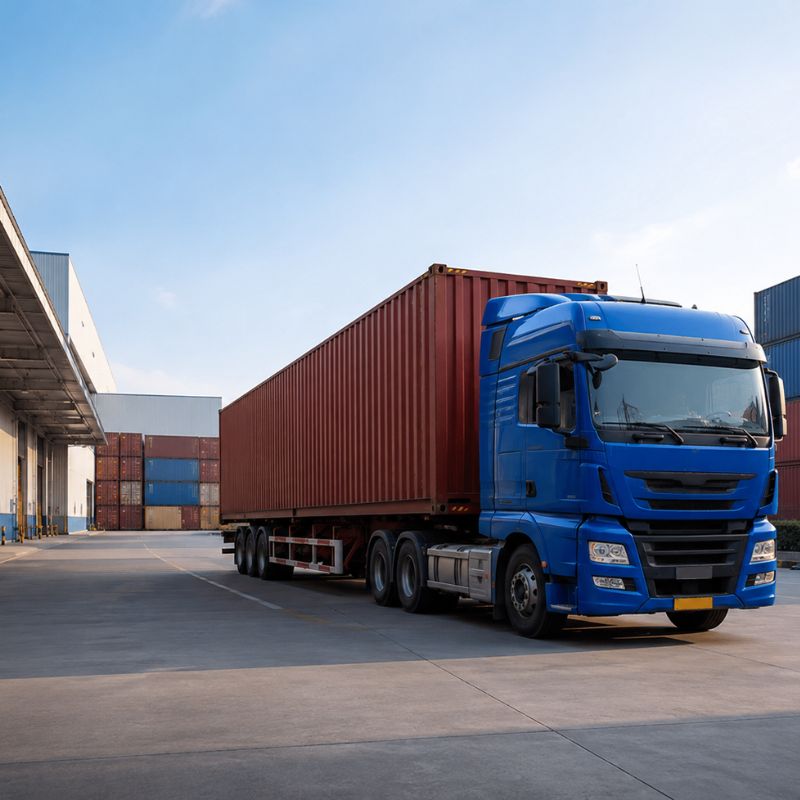
We are responsible for safely transporting the goods from the factory or warehouse to the port of departure.
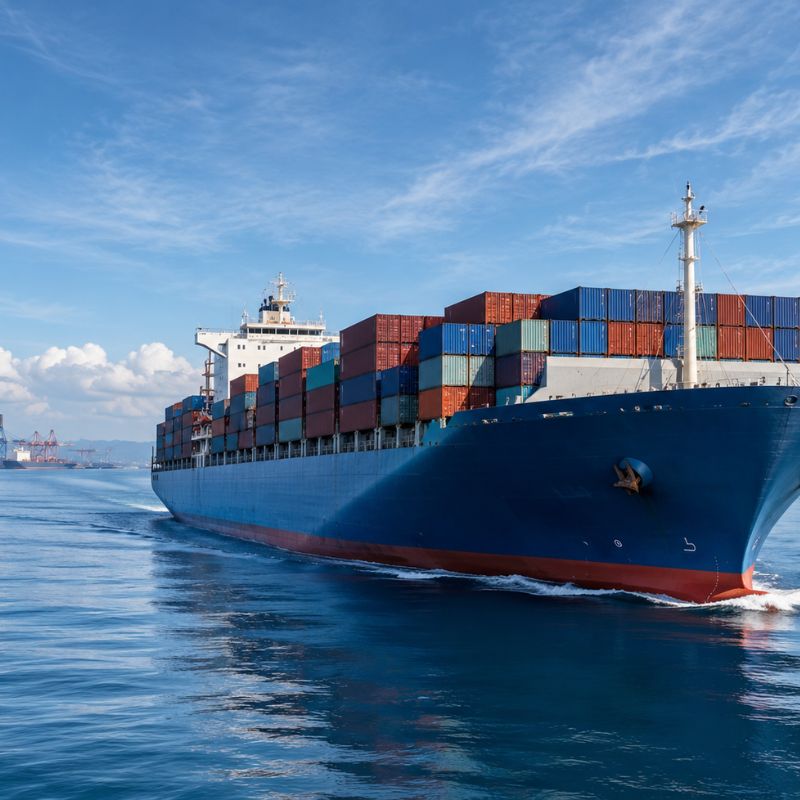
We are responsible for managing the sea transportation route from the departure port to the destination port.

Handle customs declarations and inspection procedures; prepare export packing lists and commercial invoices.

Handling the issuance of origin certificates, export licenses, and core customs clearance documents.
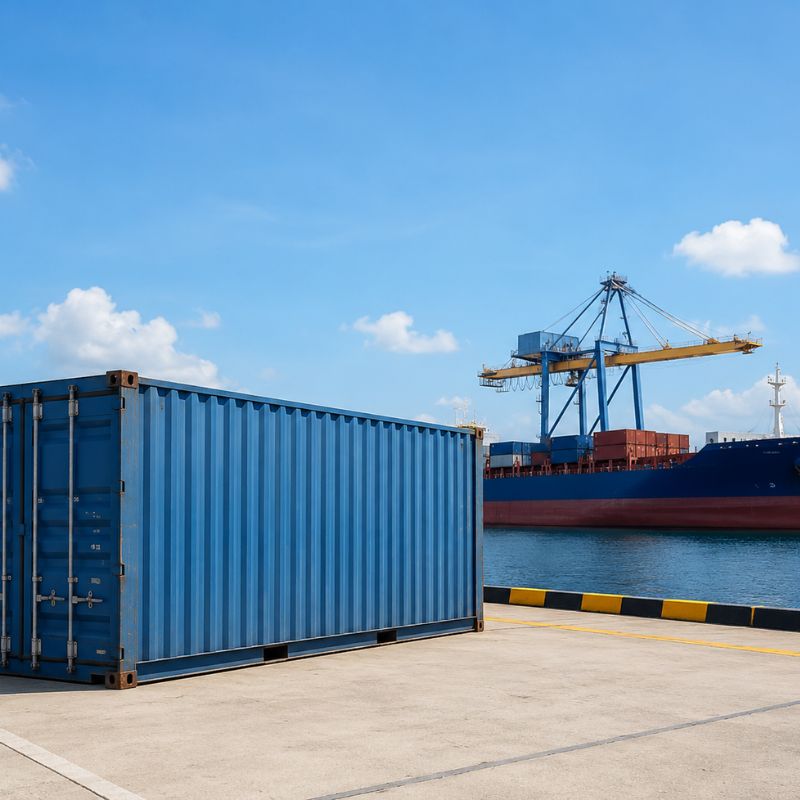
Handle settlement of port charges, packing, THC (terminal operation fee), and VGM (weight measurement) declaration.

Can provide policy handover services and claim assistance in case of an incident.
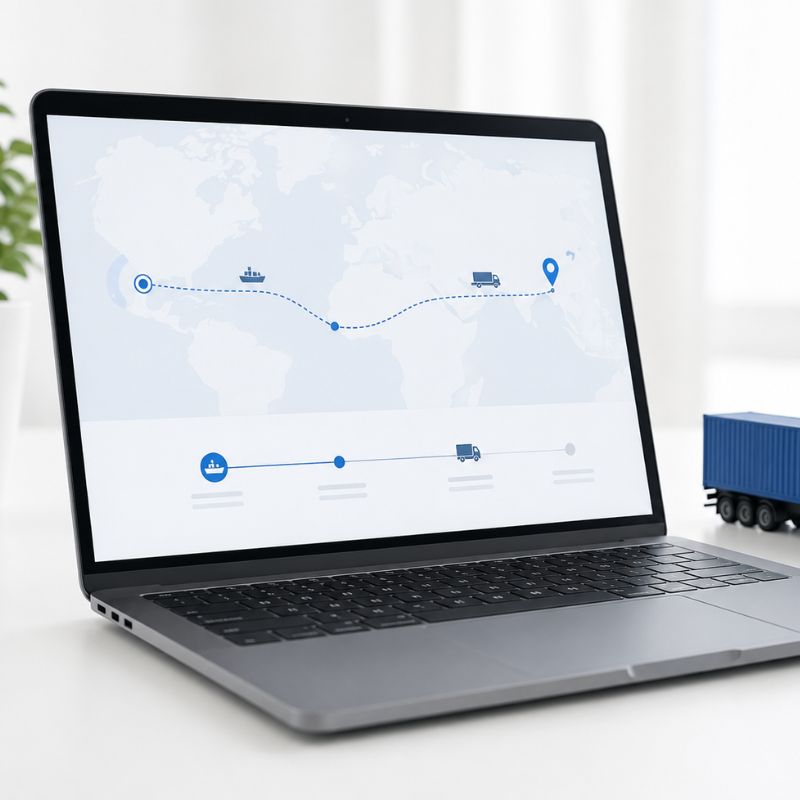
Provide 24/7 digital shipping document management and maritime voyage trajectory tracking.
Why Choose DFH Logistics as Your CIF Shipping Partner?
- Have long-term partnerships with major carriers. Help you get competitive CIF shipping rates.
- Always arrange appropriate cargo insurance coverage for your CIF shipping.
- Arrange specialists to oversee your shipment, from booking and documentation to cargo departure and destination arrival.
- Work with reliable shipping lines and major Chinese ports.
- Customize CIF shipping plans to maximize your supply chain efficiency.
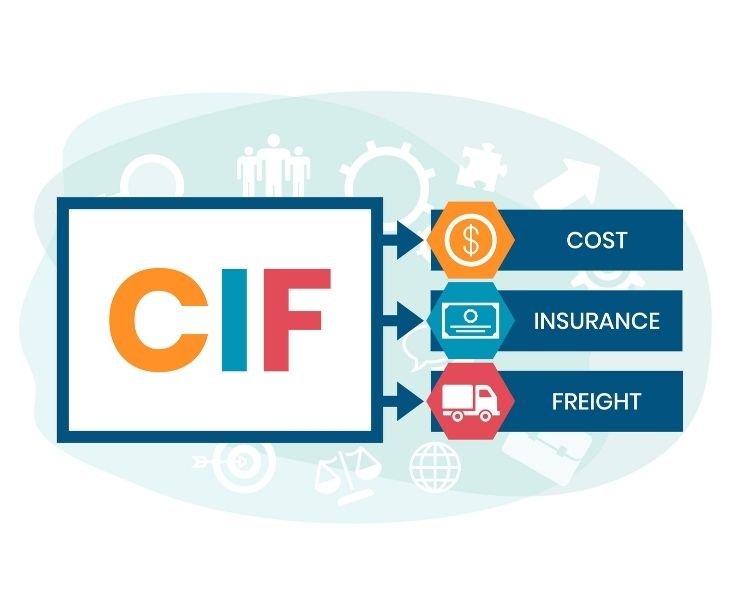
What Does CIF Shipping from China Include?
For CIF shipping from China, the seller pays for transportation and cargo insurance to the named destination port. Usually, the risk has already been transferred to the buyer when your goods are loaded onto the ship at the Chinese port.
As a freight forwarder, DFH can handle inland trucking, warehousing, LCL consolidation, terminal handling, export customs clearance, sea freight booking, and marine cargo insurance.
What is the CIF China Price?
The CIF China price refers to the total price quoted by the Chinese supplier. It usually includes the goods’ value, domestic trucking and customs clearance fees in China, international shipping costs, and marine transportation insurance fees.
How Can I Reduce CIF Shipping Costs from China?
To reduce CIF shipping costs, you need to confirm the accurate amounts of DTHC, Devanning Fee, and D/O Fee. It is recommended to ask an independent Chinese freight forwarder, such as DFH, which can help you avoid any hidden costs.
The packaging also influences the costs. The calculation of sea freight is highly dependent on the volume (CBM) and weight of the goods. Therefore, optimizing physical packaging can increase the container loading rate and largely reduce volume costs. DFH provides relevant packaging services, helping you achieve lower costs.
Besides, it is better for you to ship off-peak. China’s exports to the global market have a very strong seasonal cycle. The freight charges during peak seasons can be more than twice as high as those in off-peak seasons. Therefore, you need to avoid these three major peak periods: 3-4 weeks before the Chinese New Year, the eve of October 1st, and the seasonal stocking period for Thanksgiving/Christmas (from August to October). The best shipping times are March to May (the off-peak season after the Chinese New Year) or from November to December (the shoulder season after Christmas).
Whom Should I Go to Get the Bill of Lading for CIF Shipping?
Before your goods arrive at the port, the Chinese supplier will send the bill of lading, invoice, and packing list to the buyer. Then the buyer should go to the destination port agent designated on the bill of lading to obtain the delivery note (D/O) and settle the port charges.
CIF Shipping vs FOB Shipping: Which One is Better?
| Comparison Item | CIF (Cost, Insurance and Freight) | FOB (Free On Board) |
| Ocean Freight Arrangement | Seller arranges and pays | Buyer arranges and pays |
| Cargo Insurance | Seller arranges and pays | Buyer arranges and pays (if needed) |
| Export Customs Clearance | Seller Responsibility | Seller Responsibility |
| Import Customs Clearance | Buyer Responsibility | Buyer Responsibility |
| Import Duties & Taxes | Buyer Responsibility | Buyer Responsibility |
| Destination Port Charges | Buyer Responsibility | Buyer Responsibility |
| Control Over Freight Forwarder | Limited | Full Control |
| Carrier Selection | Seller Chooses | Buyer Chooses |
| Freight Cost Visibility | Included in the supplier quotation | Fully transparent to the buyer |
| Logistics Management Workload | Lower | Higher |
| Flexibility | Moderate | High |
| Suitable for New Importers | Excellent | May be challenging |
| Suitable for Experienced Importers | Good | Excellent |
| Supply Chain Control | Lower | Higher |
In short, CIF places more responsibilities on the seller, including freight and insurance. Therefore, under the CIF, it is easier for buyers to manage the shipping. In comparison, FOB gives the buyer greater control over the transportation and costs, so if you have profound experience, this is also a great option.
Can CIF Shipping Be Used for Air Freight?
No. According to the International Commercial Terms, CIF is only applicable to sea and inland waterway shipping. For air freight, land shipping, or multimodal transport, you should use the CIP clause.
CIF vs CFR: What’s the Difference?
Generally, the main difference between CIF and CFR is the goods’ insurance. According to the CIF clause, the seller is required to arrange the marine cargo insurance, while for the CFR clause, the seller only bears the freight cost, and the buyer is responsible for obtaining insurance coverage.
| Comparison Item | CIF (Cost, Insurance and Freight) | CFR (Cost and Freight) |
| Ocean Freight Included | Yes | Yes |
| Cargo Insurance Included | Yes | No |
| Export Customs Clearance | Seller Responsibility | Seller Responsibility |
| Buyer Responsible for Import Customs Clearance | Yes | Yes |
| Buyer Responsible for Duties & Taxes | Yes | Yes |
| Buyer Responsible for Destination Charges | Yes | Yes |
| Insurance Arrangement | Seller arranges minimum insurance coverage | Buyer arranges insurance if needed |
| Logistics Management for Buyer | Lower | Higher |
| Suitable For | Importers seeking additional cargo protection | Experienced importers with their own insurance arrangements |
| Shipping Cost | Slightly higher due to insurance costs | Usually lower because insurance is not included |
From the chart, we can find that the CIF insurance can provide additional protection. Thus, the CIF is more suitable for importers seeking safer transportation solutions. However, if you have had a designated insurance provider, CFR is better.
CIF vs DDP: Which is Better?
The biggest difference between CIF and DDP is that, for CIF shipping from China, the risk usually transfers to the buyer upon the goods’ arrival at the destination port. While for DDP, the seller is almost responsible for the entire logistics process, including customs declaration, import duties, taxes, and the final delivery of the goods to the buyer’s designated address.
| Comparison Item | CIF (Cost, Insurance and Freight) | DDP (Delivered Duty Paid) |
| Ocean/Air Freight Included | Yes | Yes |
| Cargo Insurance | Included | Usually Included or Arranged by Seller |
| Export Customs Clearance | Seller Responsibility | Seller Responsibility |
| Import Customs Clearance | Buyer Responsibility | Seller Responsibility |
| Import Duties & Taxes | Buyer Responsibility | Seller Responsibility |
| Destination Port Charges | Buyer Responsibility | Seller Responsibility |
| Inland Delivery to Final Address | Buyer Responsibility | Seller Responsibility |
| Door-to-Door Service | No | Yes |
| Logistics Management for Buyer | Moderate | Minimal |
| Cost Transparency | Moderate | High (Single Delivered Cost) |
| Buyer Control Over Customs & Delivery | Higher | Lower |
| Seller Responsibility | Ends at the destination port | Ends after final delivery |
| Suitable for First-Time Importers | Good | Excellent |
| Suitable for Experienced Importers | Excellent | Good |
| Overall Convenience | High | Very High |
If you have import experience and have access to local customs resources, CIF may be a more cost-effective option. If you want to obtain a hassle-free solution from door to door, DDP is usually the better choice.
What are the Risks of CIF Shipping?
There are several main risks of CIF shipping:
For Importer:
- Destination Charge Trap: Some port agents will charge you huge “local charges.”
- Difficulty in Claim Settlement: If your cargo is damaged, your supplier may not assist you in handling the insurance claim.
- Insufficient Insurance Coverage: International trade law only mandates that the CIF seller purchase the lowest insurance coverage (Clause C).
- Lose Control Over the Logistics: If the freight forwarders are designated by your suppliers, you have no say in the shipping schedule.
For Seller:
- Refused to Accept the Goods: If the goods suffer severe damage upon arrival at the destination port, or if the market conditions suddenly decline, some buyers may refuse to clear customs, take delivery, and even pay the trade balance.
- Skyrocketed Sea Freight Cost: If there is a geopolitical conflict, adverse weather conditions, strikes, or a sudden supply chain crisis, the international shipping costs may skyrocket overnight.
To avoid these risks, DFH always provides the destination port charges items for you, ensuring no hidden charges.
What If My Cargo is Damaged During Transport?
If your cargo is damaged during shipping, you have to personally file a claim with the insurance company, because the risk has already been transferred to you at the moment the goods are loaded onto the ship.
To reduce your loss, you can take the following steps:
- Take photos or videos to preserve the on-site evidence.
- Indicate the abnormalities on the delivery order.
- Hold the carrier accountable.
- Contact the insurance company to report the incident.
- Submit the complete claim documents and wait for the compensation.
If There’s a Delay in Sea Freight, Will CIF Incur a Demurrage Charge?
Yes, the demurrage charge will occur. After your goods arrive at the destination port, if the buyer’s customs clearance is slow, the container may be overdue and not released. Then, the buyer should shoulder the demurrage fees and container storage fees.
How long does CIF shipping from China take?
Usually, sea freight from port to port takes 15 to 40 days, depending on the destination of the goods. The total duration of the entire process typically ranges from 25 to 50 days, including inland stock preparation and customs declaration in China.
Can CIF Shipping Be Used for Amazon FBA Shipments?
CIF is generally not the preferred option for Amazon FBA shipments because it does not include customs clearance and final delivery to the fulfillment center.
For Amazon FBA shipments, DDP is more suitable.