
Your Best Freight Forwarder from China to New Zealand
Professional Freight Forwarder Delivers Your Cargo Safely to New Zealand


Our Shipping Services from China to New Zealand
DFH Logistics has been engaged in the China-New Zealand shipping routes for 13 years. From pick-ups, warehousing, customs clearance to final deliveries, we provide you with efficient, one-stop global logistics services.
With stable routes and extensive logistics experience, we can better manage transit time and risks. We are also familiar with the customs requirements of China and New Zealand, reducing delays caused by insufficient documents.
Whether for e-commerce products or bulk trades, we can offer cost-effective, reliable shipping plans based on your requirements. If you are looking for a freight forwarder from China to New Zealand, DFH Logistics is definitely your best choice.
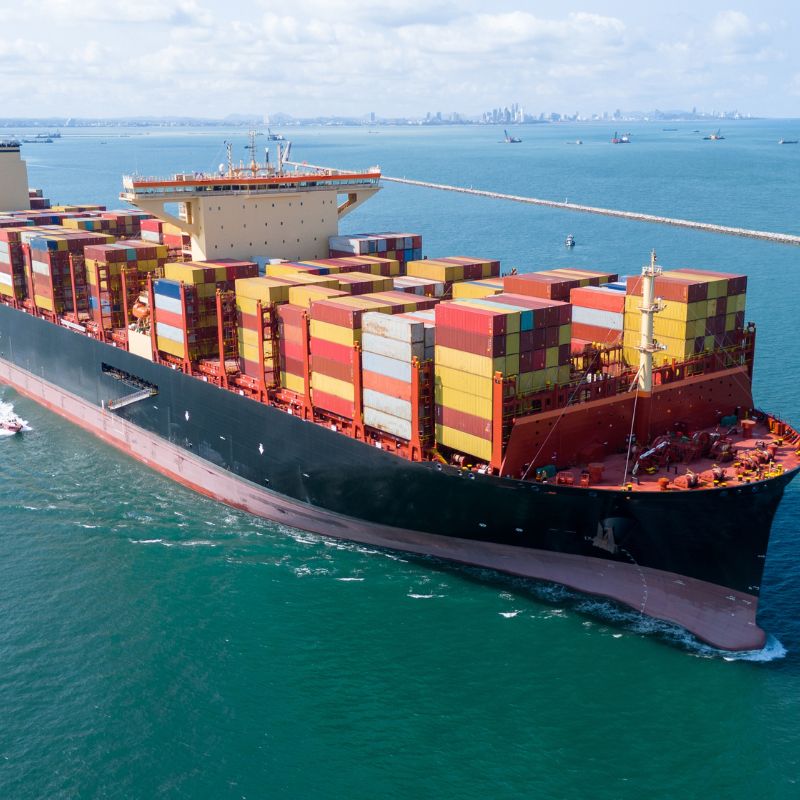
We provide the most suitable sea freight plans and deliver your products to New Zealand on time.
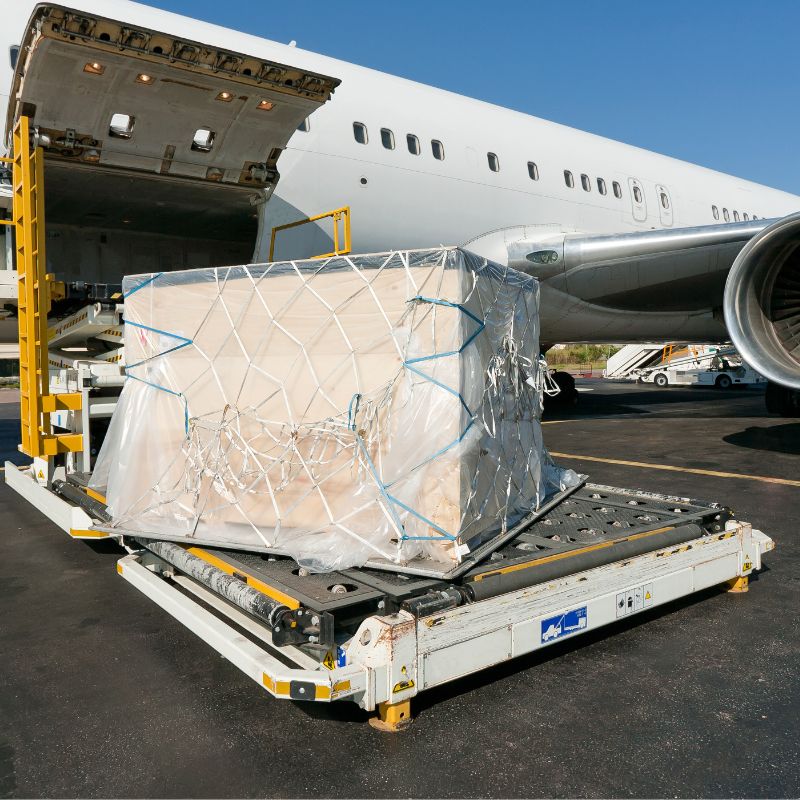
The highly time-efficient and safe air shipping transports your products to New Zealand safely and quickly.
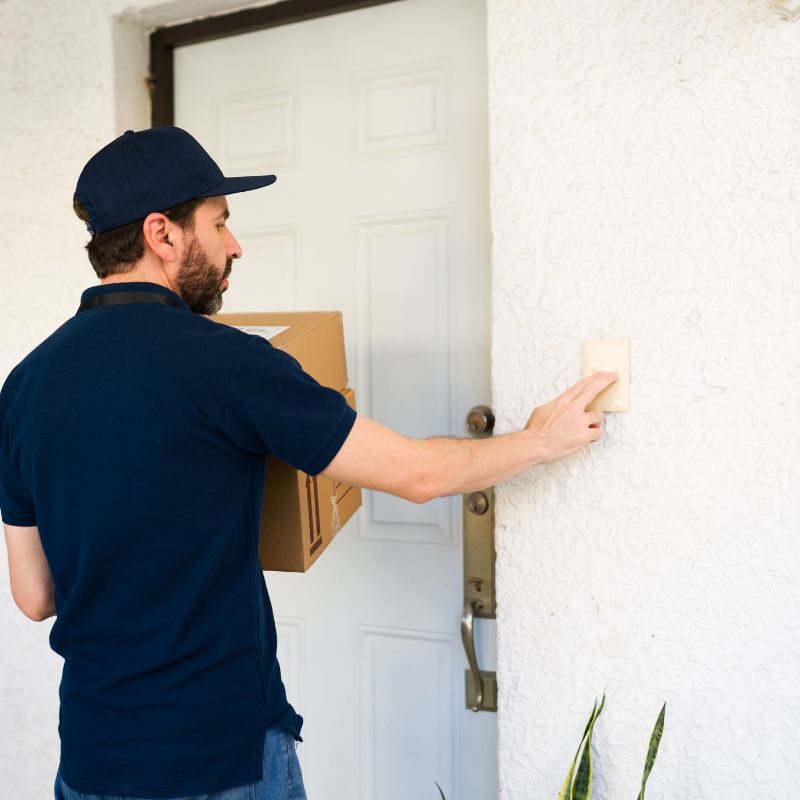
We pick up your products from your Chinese suppliers and deliver them directly to New Zealand.
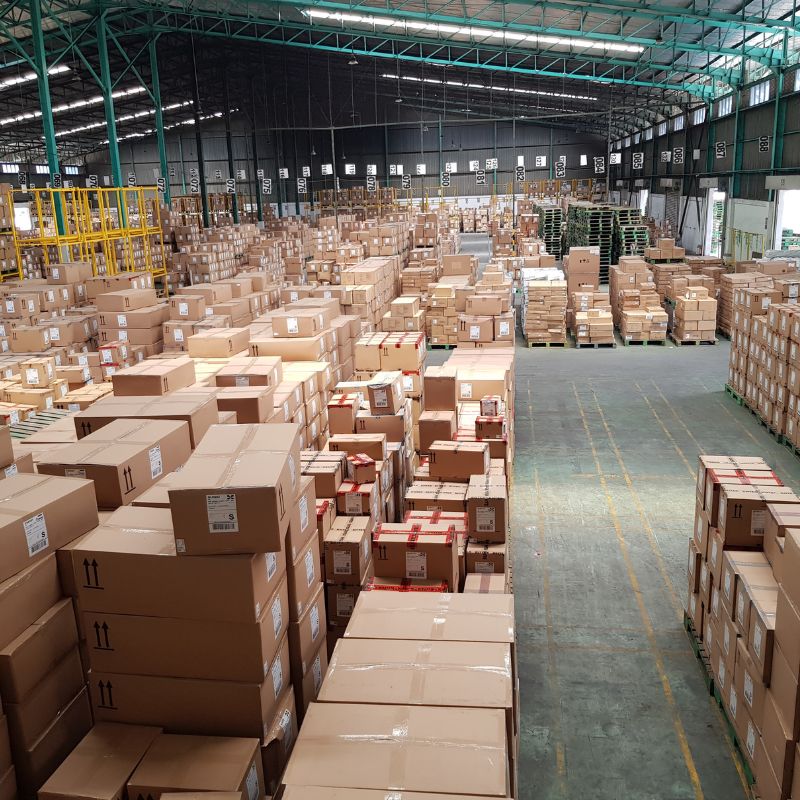
We gather your products from different Chinese suppliers and consolidate them. You will not have to worry about missing shipments.
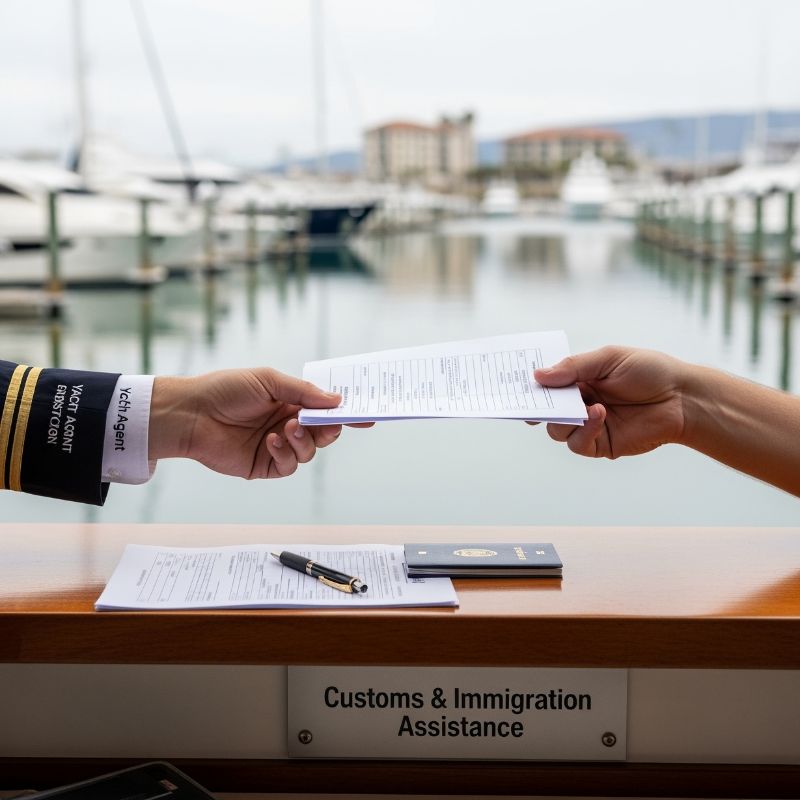
The customs clearance process is complicated and laborious. We can complete the entire process on your behalf, reducing your busy workload.

We can prepay the duties, GST, and other fees on your behalf, ensuring a smoother customs clearance in China and New Zealand.
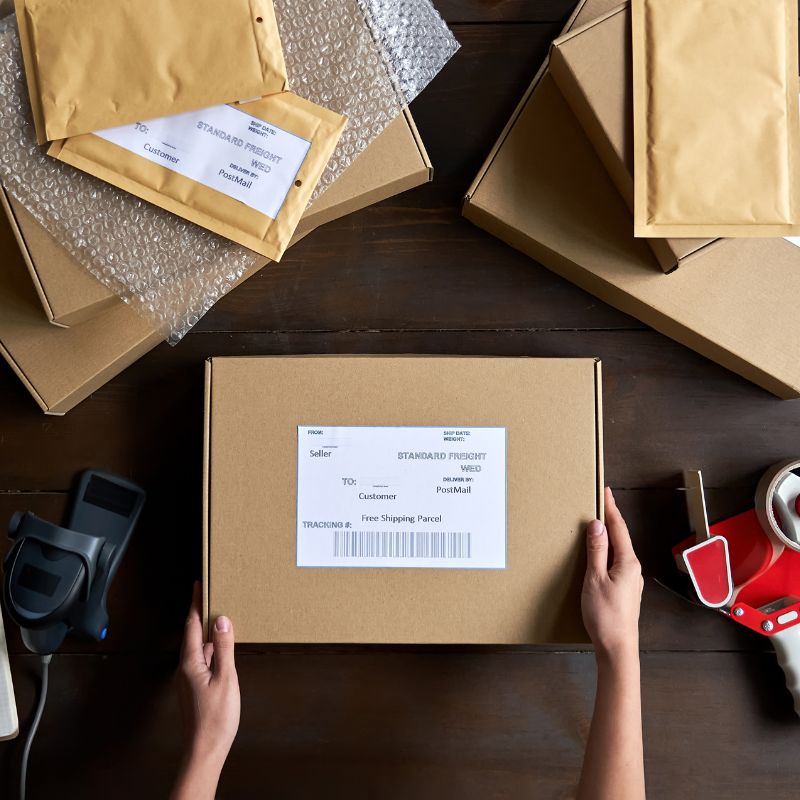
If you are not satisfied with the original packaging, we can repack your products to ensure safe transportation to New Zealand.
Cargo insurance can protect your interests and reduce your losses when accidents happen. We offer reliable insurance at a competitive price.
Why You Should Trust Us to Ship Your Cargo to New Zealand
- Based on your cargo quantity, we offer LCL and FCL services, flexibly consolidating your cargo and shipping it safely to New Zealand.
- Before shipping to New Zealand, we can perform quantity and quality checks to ensure the goods match your orders.
- We can label your products to ensure your cargo meets the requirements of e-commerce shipping and overseas warehouse receiving.
- We offer a 15-day free warehouse. You do not have to worry about storage fees or warehousing pressure.
- If you are puzzled about the transportation plans, we offer you tailored arrangements that suit you best.
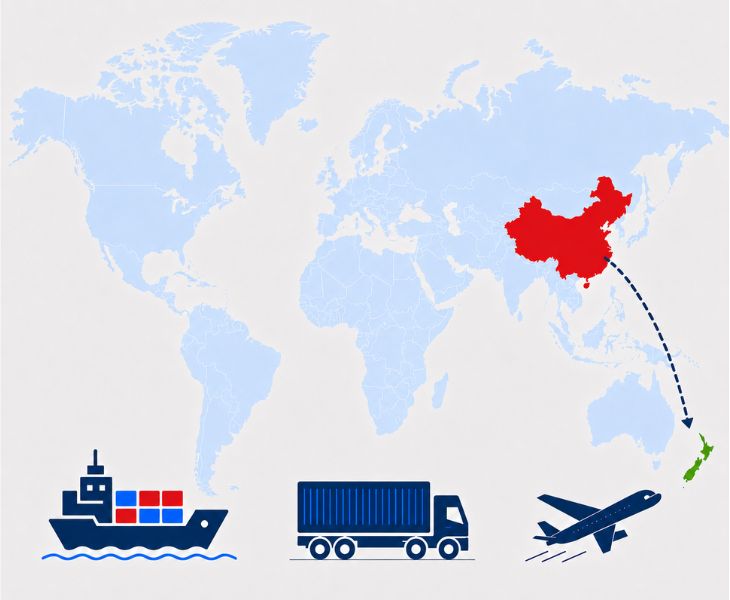
Top Routes to Ship Cargo from China to New Zealand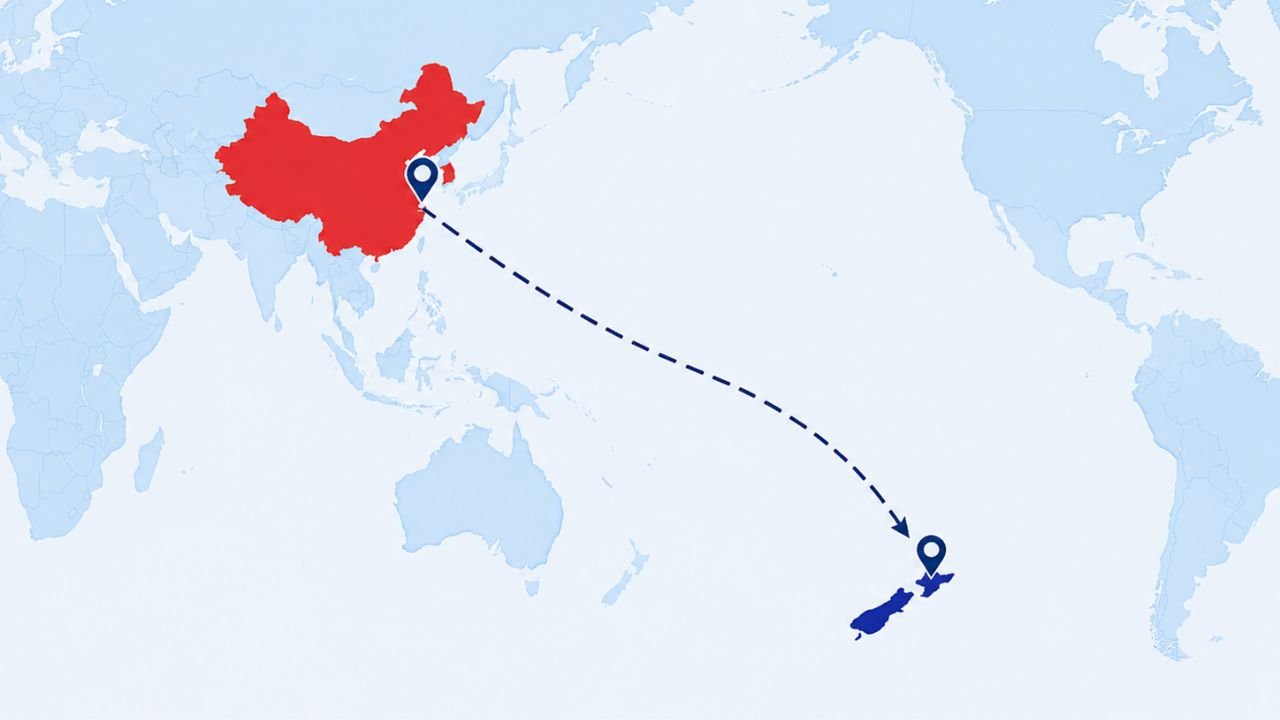
- Sea Freight: Shanghai, Ningbo, Shenzhen, Guangzhou to Auckland, Tauranga, and Lyttelton
- Air Freight: Shanghai, Ningbo, Shenzhen to Auckland. Sometimes may transit via Singapore or Australia
As you know, the Pacific Ocean lies between China and New Zealand, so it is impossible to freight your cargo by rail outside New Zealand. So when you consider transportation methods, you can only think about sea and air freight from China to Italy.
DFH Logistics can offer you the most suitable transit solution to New Zealand. Whether you prefer vessels or planes, we can arrange an ideal plan for you, ensuring efficient, on-time deliveries.
What Documents Are Required for Shipping from China to New Zealand?
China Customs
- Commercial Invoice: declare the value of goods
- Packing List: state the package details of the cargo
- Export Declaration: official export declaration to China Customs
- Sales Contract: state the commercial relationship between buyers and sellers
- Bill of Lading / Air Waybill: confirm that the carrier has received the goods
New Zealand Customs
- Commercial Invoice: used for tax calculation, GST, and cargo value verification
- Packing List: check the quantity and package conditions of the cargo
- Bill of Lading / Air Waybill: transport document for cargo pickup and customs clearance
- Import Declaration: for official import customs declaration
- GST and Tax Details: for the calculation and payment of New Zealand GST
- Biosecurity Documents (if required): check whether goods comply with New Zealand biosecurity regulations
- Compliance and Certificates (if required): prove that products comply with the safety and industry standard requirements
Where Can You Deliver My Cargo in New Zealand?
We can deliver your cargo to major cities in New Zealand, such as Auckland, Wellington, Christchurch, Hamilton, and Tauranga. Major ports and their surrounding areas are also reachable. Our door-to-door services also cover industrial, business, and residential areas.
To sum up, our transport network covers most areas in New Zealand. For rural and remote areas, additional delivery time may be required.
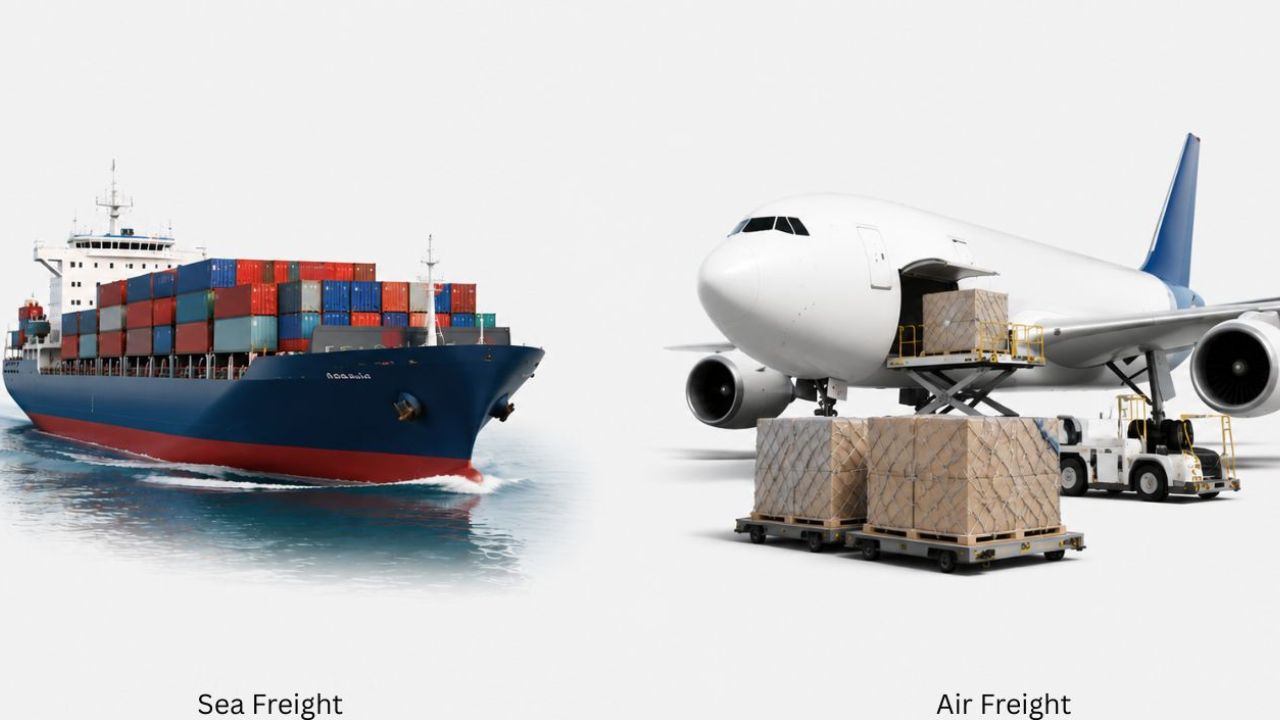
Air Freight vs Sea Freight from China to New Zealand
| Comparisons | Air Freight | Sea Freight |
| Transit Time | Fast, 3–9 days | Slower, about 16–30 days |
| Transit Cost | High, ideal for high-value or urgent goods | Lower costs, ideal for bulk, long-term orders |
| Cargo Types | Small-parcel, lightweight, high-value, or urgent products | Large-parcel, heavy, whole-container, or cost-sensitive products |
| Applications | E-commerce restocking, samples, and urgent orders | Long-term trade, bulk orders, and engineering projects |
LCL vs FCL from China to New Zealand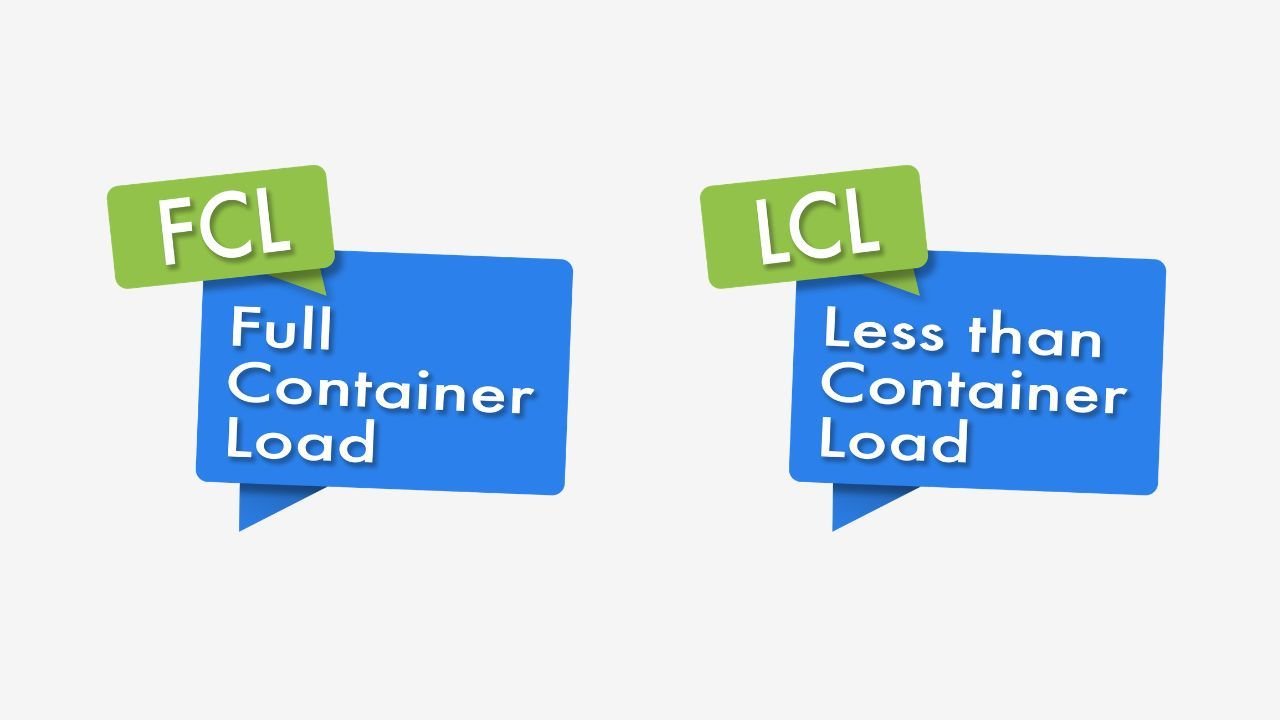
LCL means your cargo shares the same container with other people’s products. If your products cannot fill a container, it is a good idea to choose LCL services. Thus, you do not have to pay for a whole container. But the transit time will be longer than the FCL service, because cargo sorting upon arrival in New Zealand will take additional time.
FCL means your cargo has its own container. If your products are in large quantities or bulk orders, you can consider this service. The whole shipping is more direct, and the delivery time is more stable. Commonly, when the shipment volume is large enough, the unit transportation cost is more cost-effective. So FCL is more convenient for bulk, long-term trade.
If you are puzzled about which service is ideal for your business, you can contact DFH. DFH Logistics can provide an ideal plan tailored to your cargo and requirements, meeting all your needs.
DDP vs DDU Services from China to New Zealand
DDP (Delivered Duty Paid) means that the freight forwarder or seller is responsible for the entire transportation. Transportation fees, customs clearance fees, destination duties, GST, and other fees are all included. When you receive cargo in New Zealand, you do not have to pay any extra fees.
The whole process is more hassle-free and manageable. If you prefer one-stop services, you can consider DDP.
DDU (Delivered Duty Unpaid) means that the goods receiver pays for the customs clearance fees and other duties. In this service, freight forwarders are only responsible for transportation to New Zealand. GST and other costs are not included in the service.
Thus, the whole cost structure of cargo transportation is more flexible. It costs you less to hire a freight forwarder, while it demands a higher level of customs clearance capability. It is also more time and energy-consuming.
If you want an experienced shipping forwarder from China to New Zealand, you can consider DFH Logistics. We provide transparent and competitive quotations. You will neither have to worry about exhausting customs clearance nor your budget.
Factors Affecting Shipping Time from China to New Zealand
Shipping Methods
It is the factor that most affects transit times. Air freight spends shorter times. Sea freight spends more time at sea. You can choose different transportation methods according to your needs. If you hesitate to arrange transportation plans, DFH Logistics is here to help.
Departure and Destination Ports
Different ports have different shipping schedules. Major ports in China, such as Shanghai, Ningbo, Shenzhen, and Guangzhou, have more frequent departures. Ports such as Auckland, Tauranga, and Lyttelton also differ in cargo processing capability and route coverage. If you are not sure which route is most suitable for your cargo, you can contact DFH Logistics for a consultation.
Cargo Type and Volume
The cargo will affect your choice of transportation methods and operational complexity, thus affecting the transit times. For example, some sensitive and special cargo requires special inspections, and this will take additional transit time.
Customs Clearance Efficiency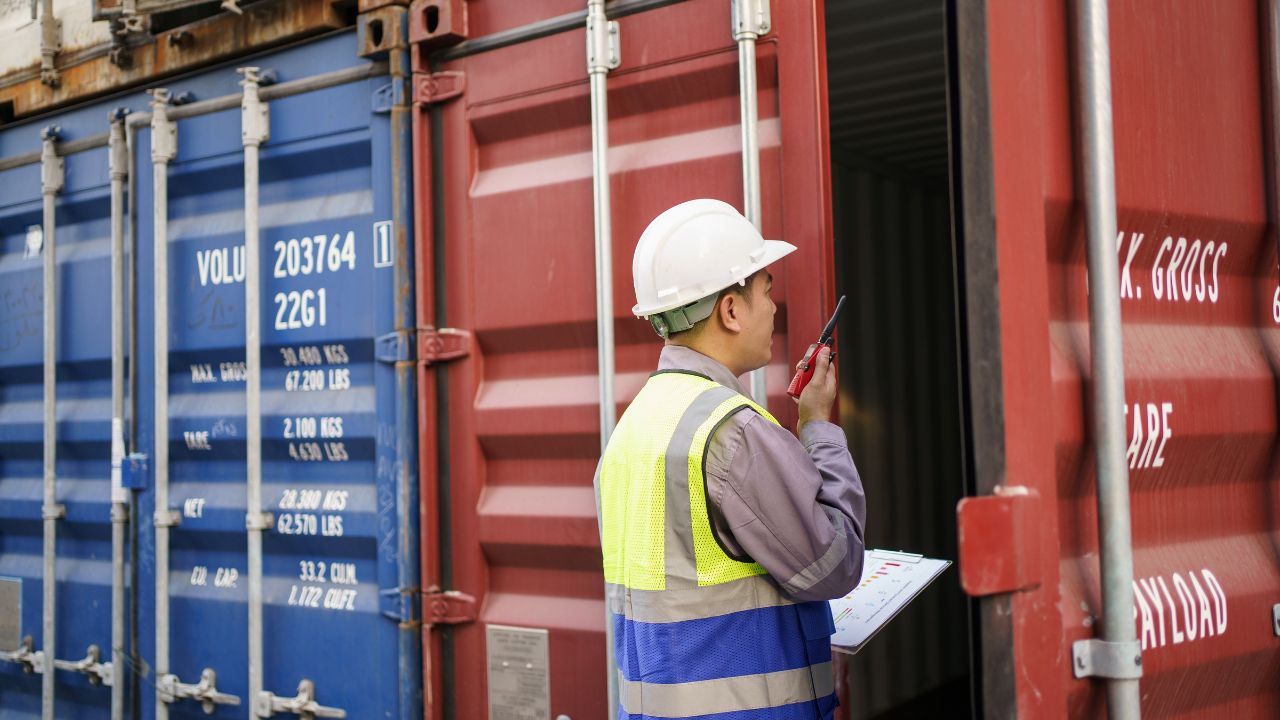
If customs documents are correct and sufficient, the customs clearance will be faster. Or you need to reissue lost documents. This takes you longer to depart or receive your cargo.
As customs clearance involves complex documents and procedures, you can use DFH Logistics’ customs clearance services for assistance. We ensure you no-delay cargo deliveries and a hassle-free experience, simplifying your logistics process.
Peak Seasons
In the peak seasons mentioned later, limited space, port congestion, and loading or unloading queues can increase transit time. Even regular shipping routes may cause cargo delays.
Carrier Schedule
The schedules of different shipping companies and airlines can affect the transit time. If the flight or vessel frequency is low, you need to wait for the next carrier, even if you have your cargo ready. Thus, the delivery time is prolonged.
Force Majeure
Extreme weather conditions, natural disasters, temporary shutdowns of ports or airports, or other events may result in cargo delays or logistics disruption. DFH Logistics closely monitor these developments and finds the best solution for you, even when accidents happen.
Peak Seasons in Shipping from China to New Zealand
- Chinese Spring Festival: January to February
- Chinese 618 Shopping Festival: June
- Chinese Double 11 and Double 12: October to November
- Christmas Season: October to November
- Post-Christmas Restocking: January to March
Freight rates are seasonal. In peak seasons, the transit fees will increase. If your cargo is not urgent and can wait for proper shipping time, you can choose to ship outside peak seasons. Whether in or outside peak seasons, DFH Logistics can offer you the most cost-effective freight rates.
How Long Does It Take to Ship Cargo from China to New Zealand?
Sea Freight
- Shanghai / Ningbo to Auckland: about 16–22 days
- Shanghai / Ningbo to Tauranga: about 17–23 days
- Shanghai / Ningbo to Lyttelton: about 20–28 days
- Shenzhen / Guangzhou to Auckland: about 18–25 days
- Shenzhen / Guangzhou to Tauranga: about 19–26 days
- Shenzhen / Guangzhou to Lyttelton: about 22–30 days
Air Freight
- Shanghai / Shenzhen / Guangzhou to Auckland: about 3–5 days
- Major airports in China to Auckland: about 4–7 days
- China to Singapore / Australia to Auckland: about 5–9 days
How Much Does It Cost to Ship from China to New Zealand?
| Transportation | Approximate Prices | Charging Methods |
| Air Freight | USD 4 – 12 / kg | By weight |
| Sea Freight LCL | USD 30 – 90 / CBM | By volume |
| Sea Freight FCL 20GP | USD 1,500 – 3,500 / container | By containers |
| Sea Freight FCL 40GP / HQ | USD 2,500 – 5,000 / container | By containers |
Cargo You Can Ship from China to New Zealand
- General Cargo: plastic, paper, metal products, and other general goods
- Auto Parts and Machinery Components: automobile parts, mechanical accessories, tools, and industrial consumables
- E-Commerce and Daily Consumer Goods: clothes, headwear, shoes, bags, suitcases, daily necessities, small products, and other e-commerce products
- Electronics and LED Display Products: LED displays, digital devices, consumer electronics
- Furniture and Home Goods: finished furniture, office furniture, home decorations, lighting fixtures, and accessories
- Industrial and Construction Goods: building materials, hardware accessories, mechanical equipment, steel structures, decoration materials, etc.
Prohibited Cargo from China to New Zealand
- Weapons and Explosives: firearms, ammunition, imitation weapons, explosives and related components
- Drugs and Controlled Substances: illicit drugs, psychotropic substances, and unlicensed controlled medicines
- Animals, Plants, and Biological Materials: live animals, plants, seeds, soils, untreated woods, and biological samples. Transport requires special approval.
- Food and Agricultural Products: meat, dairy products, honey, fresh fruits, seeds. You need the MPI quarantine certification to transport these products.
- Untreated Wood Products and Packaging Materials: unfumigated or unheated-treated wooden pallets, wooden boxes, and other wooden products
- Dangerous Goods and Hazardous Materials: flammable liquids, chemicals, corrosive substances, and some lithium batteries have high transportation risks.
- Counterfeit and Infringing Goods: Counterfeit products, goods infringing on intellectual property rights, and illegal copies
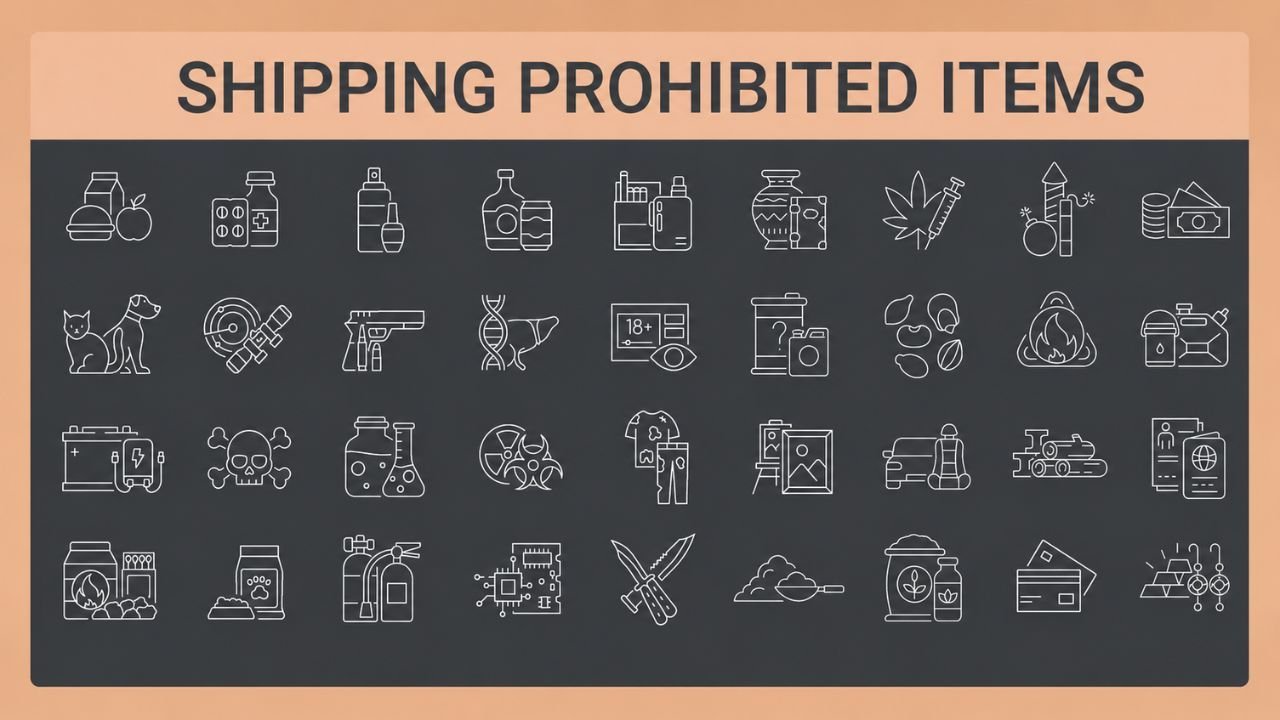
New Zealand has strict biosecurity laws. So the food, furniture, agricultural products, and related cargo will be strictly inspected. Special approvals are also required. If you are not sure whether your cargo can be shipped, DFH Logistics can help you check and identify.
What Is MPI Inspection in New Zealand?
MPI (Ministry for Primary Industries) is the government agency responsible for biosecurity inspections in New Zealand. MPI inspects certain goods imported into New Zealand from China to prevent pests, diseases, or other biological risks from entering the country.
New Zealand has very strict biosecurity requirements, particularly for goods such as wooden packaging, food, plants, and animal products. If these products do not meet import requirements, the shipment may be subject to additional inspections or treatment upon arrival at the port, which could even affect normal customs clearance and distribution.
What Should I Prepare before Shipping from China to New Zealand?
When shipping from China to New Zealand, risk management is the most important thing. New Zealand’s Ministry of Primary Industries and Customs are renowned for their strict inspections. Without adequate preparation, shipments are highly prone to being held up, destroyed, or even faced with hefty fines.
With 13 years of hands-on experience in international freight forwarding , DFH Logistics has compiled this checklist to help you avoid common mistakes before shipping:
1. Verify Your Eligibility
Customs Code: If the value of the goods exceeds 1,000 NZD, you must apply for a customs code at your local customs office. Otherwise, the goods cannot be cleared upon arrival at the port.
Company Identification Number: If you are purchasing on a company’s behalf, please provide the New Zealand Business Identification Number. This will speed up the customs clearance process.
2. Avoid Wooden Packaging
Fumigation Certificate: If the packaging or cargo contains any solid wood (such as wooden pallets or wooden crates), it must undergo fumigation treatment at a Chinese port and provide a certificate.
Our Recommendation: We strongly recommend using plastic pallets or plywood pallets. This will help prevent cargo detention or fines at the source.
3. Prepare Accurate Documents
Detailed Description of Goods: The description of goods on the invoice and packing list must not include blanket terms such as “daily necessities” or “hardware.” You must specify the exact materials and intended use, such as “304 stainless steel thermos.”
Certificate of Origin: If you can provide a valid Certificate of Origin, most products are eligible for zero tariffs. This can help you save a great deal of money.
4. Properly Pack Your Goods
Sturdy and Durable: Since the sea freight route to New Zealand is long, cardboard boxes must be sturdy. Damaged boxes are likely to be inspected or quarantined at the port of destination.
Waterproof Labels: Each package must be labeled with a waterproof label. In addition, the consignee’s name and the number of pieces must be clearly indicated. This helps prevent packages from being lost during local sorting.
Our Service: Once your goods arrive at the DFH warehouse, we will inspect the packaging of your cargo and promptly notify you if palletizing or additional reinforcement is required.
What Taxes or Duties Do I Need to Pay in New Zealand?
When importing goods from China to New Zealand, there are typically three main types of costs to consider: Duty, Goods and Services Tax (GST), and customs fees.
1. Duty
- Rate range: Generally between 0% and 5%.
- Tip: China and New Zealand have a free trade agreement. For most goods made in China, holding a Certificate of Origin under the China–New Zealand Free Trade Agreement can reduce New Zealand’s tariffs to 0%.
2. Goods and Services Tax (GST)
Rate: New Zealand’s import GST is 15%.
Calculation formula: GST = (Value of Goods + Customs Duties + Shipping Costs) × 15%
3. Customs Fees
Threshold: If the duty calculated based on the total value of your goods is less than 60 NZD, customs will not charge you a single cent.
Note: Total value of goods = value of goods + shipping costs + customs duties.
Above the Threshold: Once this amount is exceeded, New Zealand Customs will charge two fixed administrative fees. The total cost is approximately NZD 50 to 60 per shipment. These fees are similar to system entry and import inspection fees.
What Happens If My Cargo Is Delayed?
If your shipment is unfortunately delayed, the following situations typically occur:
- Additional Storage Fees: If your cargo remains in the warehouse longer than expected, you may be required to pay additional storage fees.
- Port demurrage or delay charges: When your cargo remains at the port beyond the free storage period, the shipping line or port terminal will charge port demurrage or delay fees.
- Customs or tax issues: If a shipping delay causes your commercial documents to expire, you will need to resubmit updated documentation and may face administrative penalties from customs or tax authorities.
International shipping involves many steps and is affected by unstable weather conditions. To be honest, no company in the industry can guarantee that shipments will be 100% on time. However, if you partner with DFH Logistics, we can help you manage risks proactively and have the capability to resolve issues immediately.
Can I Track My Shipment from China to New Zealand?
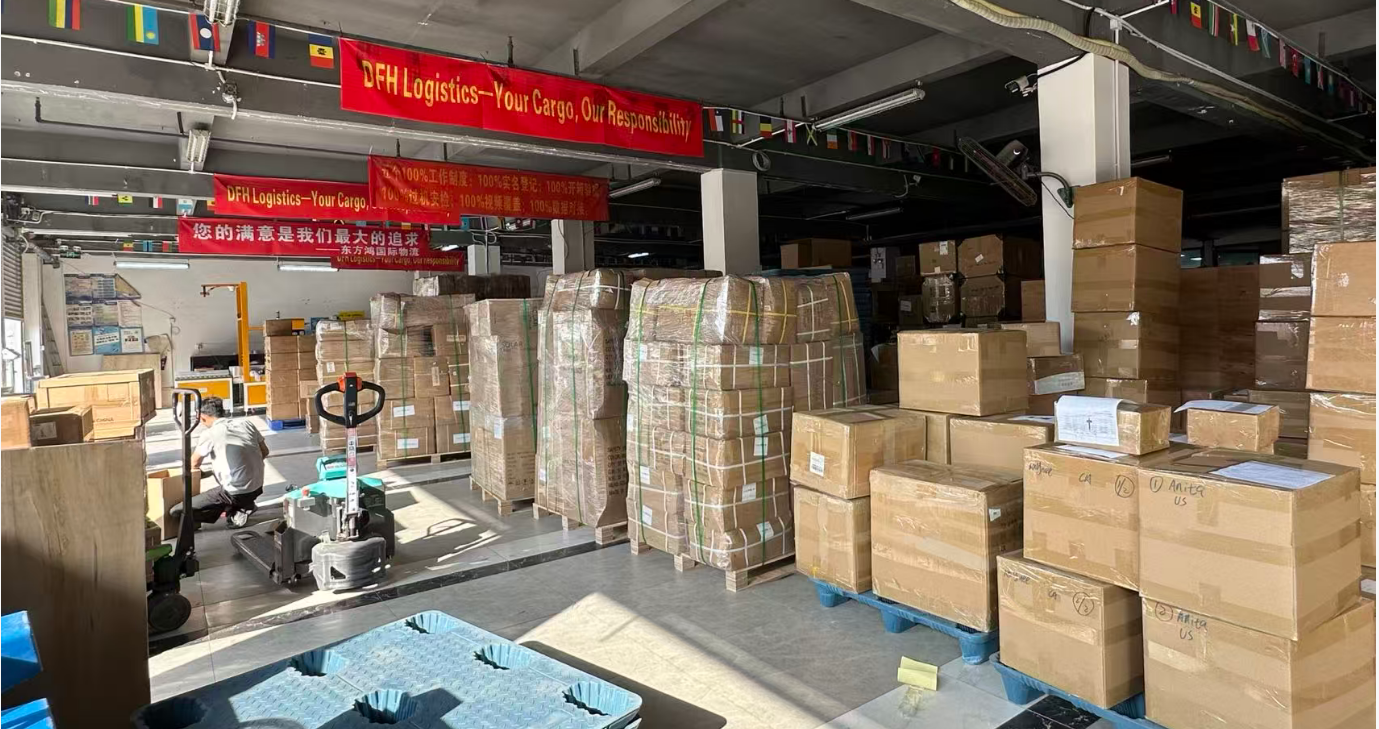
Yes, and the entire process is transparent.
If you choose Full Container Load (FCL) by sea, we’ll provide you with the shipping line’s name and container number. You can enter the container number directly on the shipping line’s official website to track the vessel’s real-time location.
If you choose Less-than-Container Load (LCL) shipping, we’ll provide you with the bill of lading number. You can check the container’s unloading progress and pickup status through our system or the agent at the destination port.
If you choose air freight or express shipping, we’ll provide you with the air waybill number or international express tracking number. Just like tracking a package on an e-commerce website, you simply need to enter the tracking number on the official website to see the exact status of your shipment.
Can I Change Shipping Details after Booking?
It can be changed, but you have to do it as soon as possible. Updating shipping information is a race against time. The farther a shipment travels through the logistics process, the more difficult it becomes to make changes. It can generally be divided into the following three stages:
Situation 1:
The goods are still in the warehouse in China. At this stage, changes are usually free of charge. We can make corrections directly in the system. This has absolutely no impact on shipping times.
Situation 2:
The goods are in transit.
For sea and air Freight: the bill of lading has already been issued. The carrier will charge a fixed amendment fee.
For international express: once the package has left the country, changes cannot be made en route. You can only wait until the shipment arrives in New Zealand and then try to contact the local delivery provider to intercept it and change the address. This requires an additional redirection fee, and success is not 100% guaranteed.
Situation 3:
The shipment is nearing New Zealand or has already been pre-declared to the customs system. At this point, New Zealand Customs has already entered the original information. Forcing a modification will immediately trigger a high-risk alert. Customs will suspect an attempt to conceal information. The shipment will most likely be detained and subjected to a physical inspection. This will result in costly demurrage charges.
How Is My Cargo Protected from China to New Zealand?
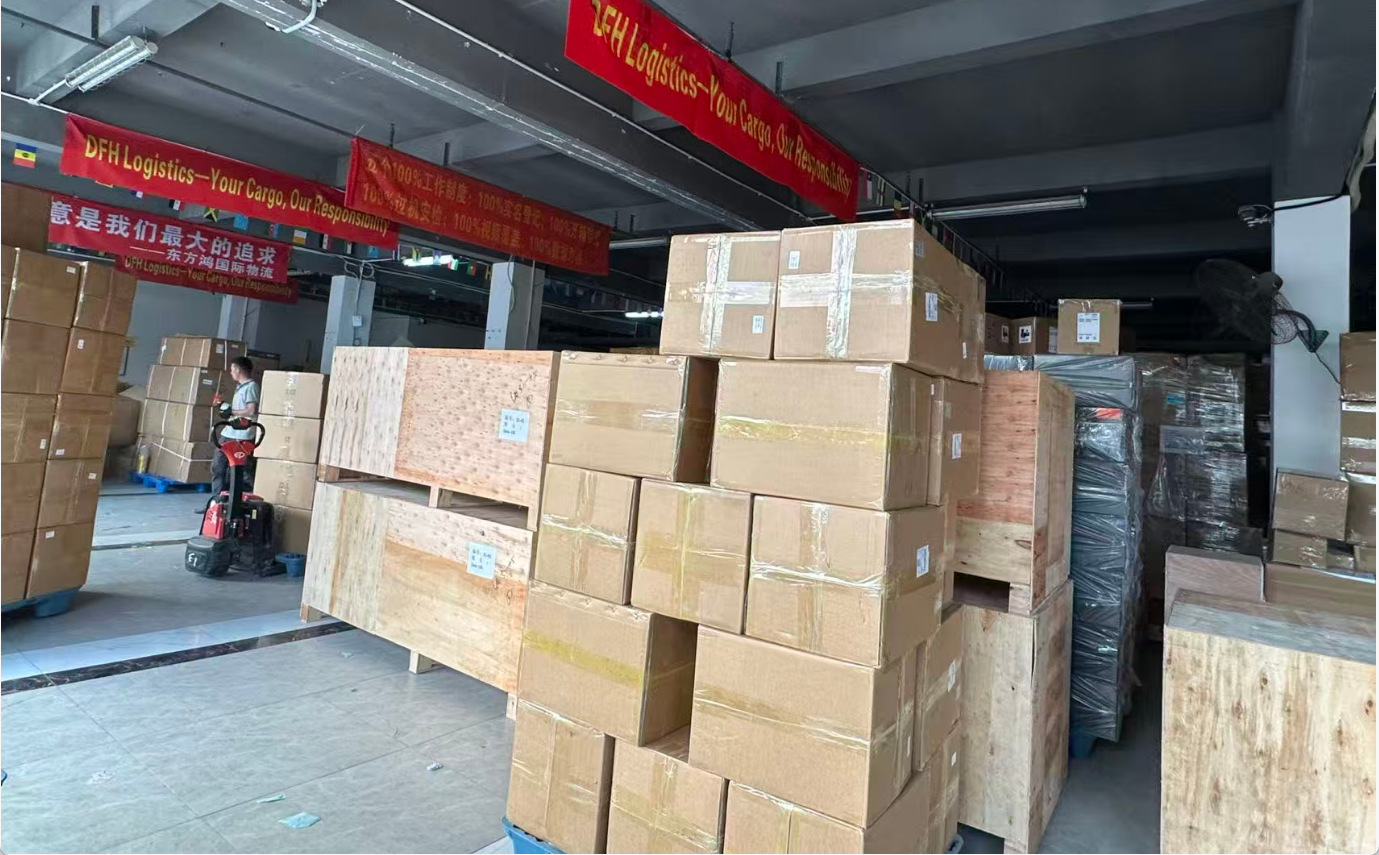
Shipping goods from China to New Zealand typically involves several stages, including pickup, warehousing, container loading, international transport, and local delivery. To minimize the risk of damage or delays during transit, we offer a variety of protective measures.
The main protective measures include:
1. Physical Packaging Protection
- Our warehouse team inspects the packaging of goods before shipment.
- For bulk goods, we use pallets and waterproof packaging film. If necessary, we’ll build wooden crates or boxes.
- For fragile items, we use bubble wrap or reinforced packaging to provide extra protection.
2. Container Loading & Cargo Securing
| • We will place heavy cargo at the bottom and light cargo on top. • We will use strapping, airbags, or other materials to secure the cargo inside the container. |
3. Cargo Insurance Protection
| • If needed, we can help you arrange reliable cargo insurance. • If your cargo is valuable, we offer an “All Risks” insurance plan. |
Is Cargo Insurance Necessary?
Not necessarily. Cargo insurance is not a required option for all orders, but for high-value, fragile, or bulk shipments, purchasing insurance can effectively reduce potential financial losses during transit.
Cargo Types That Are Recommended to Have Insurance
| Cargo Type | Examples | Why Recommended |
| High-Value Goods | Electronics, precision equipment, branded products | A single incident may cause significant financial loss. |
| Fragile Products | Glass products, furniture, delicate items | More vulnerable to damage during handling and transportation. |
| Large Shipments | Bulk goods, machinery, factory shipments | Higher cargo value means greater potential loss. |
| Time-Sensitive Cargo | Urgent restocks, seasonal products | Damage or loss may affect business plans and sales. |
If you are unsure whether you need to purchase cargo insurance, please contact us, and we will provide appropriate insurance recommendations based on the specifics of your shipment.
If you do need to purchase insurance, we can offer you more competitive rates because we have long-standing partnerships with many insurance companies.