
Customs Clearance
Smooth Cross-Border Shipping With Accurate Documentation and Compliance Support


DFH Logistics—Reliable Customs Clearance Services for Global Imports
Customs clearance is one of the most critical stages in international trade. Any problems like delays, missing documents, incorrect product codes, and unexpected tariffs can disrupt your supply chain and increase costs.
From document preparation and customs clearance procedures to goods coordination and final delivery, DFH offers professional customs clearance solutions to help you minimize customs clearance risks, speed up the release of goods, and improve transportation reliability in the global market.
No matter whether you import by sea, air, rail, or road, our experienced team will help ensure that your goods meet customs requirements.

Includes handling declarations, tax payment, inspection, and release procedures for imported goods and preparing the declaration forms and licenses for domestic outbound goods.
Verify the nature of the goods and match the correct international standard customs code.

Estimate import duties, value-added tax (VAT), consumption, and other taxes and assist customers in conducting online or agency tax payments.

Prepare core customs clearance documents such as commercial invoices, packing lists, bills of lading, and origin certificates.
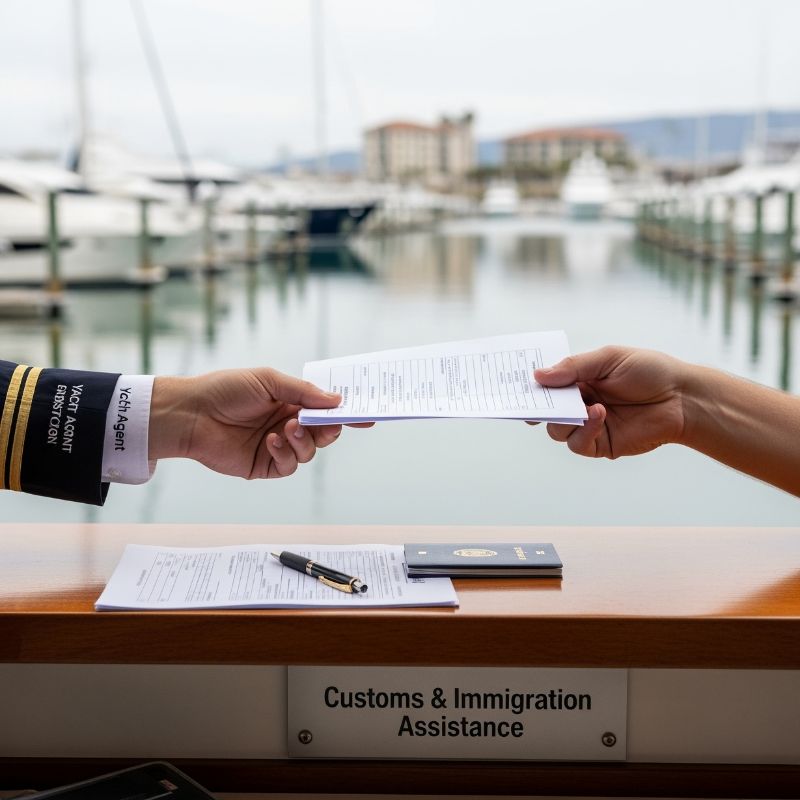
When your goods undergo physical examination, Our customs specialists will represent your interests during the inspection process.
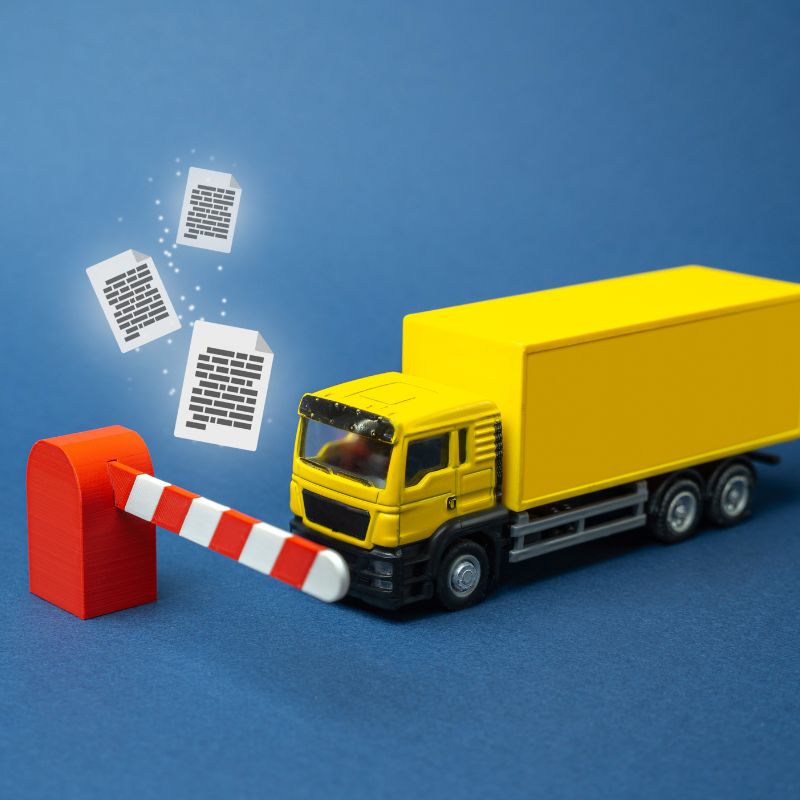
Assist customers in obtaining the necessary quarantine certificates, health certificates, import licenses for mechanical and electrical products, etc.
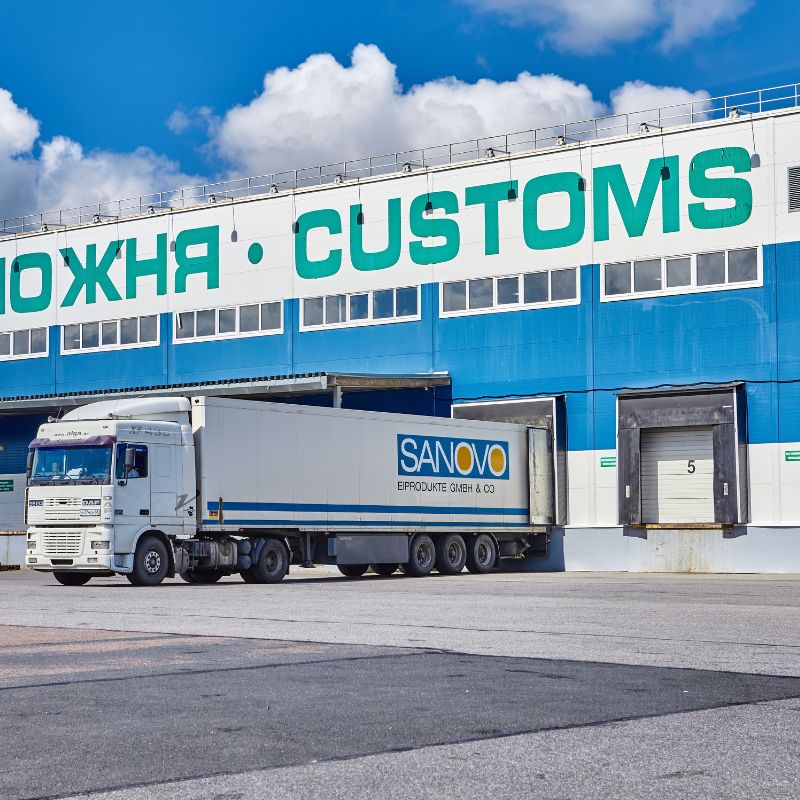
Provide warehousing services in the FTZ and regulatory transportation, such as transshipment, cross-border land transportation, and one-day bonded tours.
Including drayage, unpacking, palletizing, and the final delivery logistics connection from the customs supervision warehouse to the customer’s designated warehouse.
Why Choose DFH Logistics
- 13+ years of customs compliance experience with complex cargo, including electronics, machinery, industrial products, oversized cargo, and more.
- Provide a one-stop customs clearance service with a 98%+ customs clearance success rate.
- Quick response to customs inspections and document requests.
- Support for customs clearance across global markets.
- Real-time shipment updates and responsive support.
What is Customs Clearance?
Customs clearance is a legal procedure that all goods must undergo when importing or exporting to a country.
The main purpose of customs clearance is to ensure the smooth conduct of global trade and verify that the import or export process has adhered to all regulations, all appropriate documents have been submitted, and the correct customs duties and taxes have been paid.
If you do not have the formal authorization of a country’s customs department, then your goods cannot legally cross national borders.
When Do the Customs Clearance Procedures Start?
Generally, the customs clearance procedures start when the submission of the declaration is completed.
More specifically, the timing for initiating the customs clearance process can be divided into the following three conditions:
- Pre-Arrival Clearance
If you employ pre-arrival clearance for ocean freight, when DFH receives the “Arrival Notice,” the customs broker can submit the documents and start the review process. For air freight, usually a few hours after takeoff, the customs clearance agency will submit the declaration.
- Standard Clearance
If the documents are not prepared in advance, the customs clearance process will commence after the goods arrive.
- Postal & E-commerce
For small packages sent by mail or international courier services, such as FedEx or DHL, the customs clearance process will start upon the package reaching the international mail exchange office.
How Long Does It Take to Clear Customs in China?
Usually, it takes 1 to 3 working days for the customs clearance of regular goods, but the exact duration depends on the mode of transportation, the product category, and whether your goods need to undergo customs inspection.
Which Countries Do You Provide Customs Clearance Services?
We provide customs clearance services for lots of countries, including India, the Philippines, Singapore, Vietnam, Thailand, Malaysia, South Korea, Japan, Saudi Arabia, the United Arab Emirates, Nigeria, Spain, Italy, France, Canada, Germany, the United Kingdom, the Netherlands, Mexico, the United States, South Africa, New Zealand, Australia, etc.
DDP vs DAP: What’s the Difference in Customs Clearance?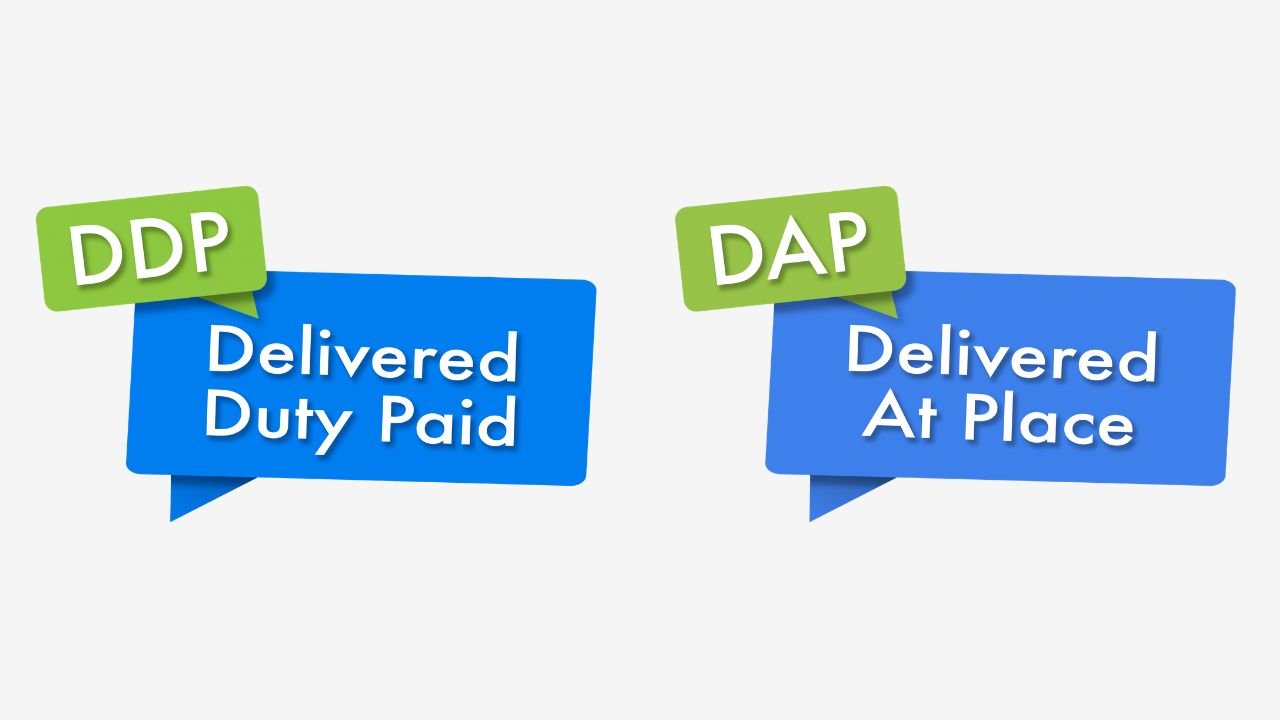
| Aspect | DDP (Delivered Duty Paid) | DAP (Delivered at Place) |
| Responsibility for Customs Clearance | Seller arranges and manages import customs clearance. | Buyer is responsible for import customs clearance. |
| Payment of Import Duties & Taxes | Seller pays all applicable duties, taxes, and customs fees. | Buyer pays import duties, taxes, and related charges upon arrival. |
| Customs Documentation | The seller typically prepares and coordinates both export and import documentation. | Seller handles export documents; the buyer often assists with import documentation requirements. |
| Risk of Customs Delays | Generally, lower when handled by an experienced logistics provider. | Higher if the buyer is unfamiliar with local customs regulations. |
| Cash Flow Impact | Seller bears customs-related costs before delivery. | Buyer pays customs charges when goods arrive. |
| Suitable For | New importers, eCommerce sellers, Amazon FBA shipments, and businesses seeking a hassle-free experience. | Experienced importers with local customs knowledge or existing customs brokers. |
| Delivery Experience | Door-to-door service with minimal buyer effort. | Goods are delivered to the destination, but customs clearance and import charges remain the buyer’s responsibility. |
| Compliance Management | The seller or logistics provider manages customs compliance. | Buyer must ensure compliance with local import regulations. |
In comparison, for DDP, the seller is the one who is responsible for the customs declaration of the goods and the payment of import duties and taxes. While for DAP, the buyer is responsible for those. This makes DDP more convenient for importers, while DAP provides greater control and flexibility for experienced buyers.
What Does the Customs Clearance Fee Include?
Usually, the customs clearance fee includes:
- Custom duty
- Basic customs duty
- Additional customs duty: Additional tariffs imposed on goods beyond the basic tariffs, based on factors such as the quantity, size, or quality of the goods.
- Excise duty: The fee of alcohol, tobacco, fuel, luxury goods, etc.
- VAT: An indirect tax, which is levied on the goods or services produced by a country.
How to Avoid Demurrage and Detention?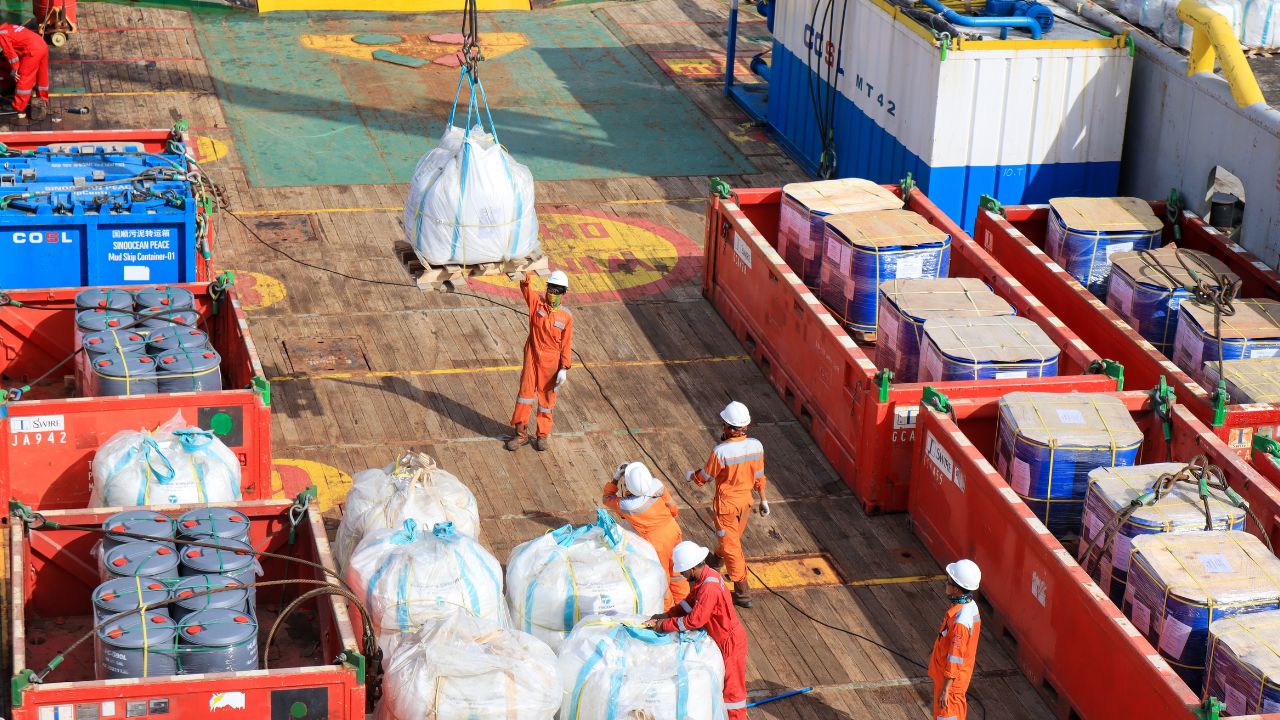
Demurrage occurs when your goods remain at the port. To prevent this, you can employ pre-arrival clearance. Before the container is dispatched from the loading port, you should carefully verify the consistency of the HS Code, commercial invoice, packing list, and bill of lading. If the payment has been settled, let the shipper use the Waybill, which can better avoid delay.
Detention is caused by your goods being pulled out of the port and remaining parked outside the port for an excessive period of time. Detention is often led by low unloading efficiency at the destination warehouse or improper container return scheduling.
To prevent this, you can make an advance appointment with the destination warehouse for the unloading schedule, prepare sufficient unloading equipment and personnel, and proactively determine the return shipping path for empty boxes.
If There is a Case of Returning the Goods,, Can I Apply for a Refund of the Previously Paid Import Duties?
Yes. If your goods are returned, you can usually apply for a refund of the import duties and value-added tax (VAT) that were previously paid. However, the tax refund is not automatic. The key to obtaining approval from customs lies in your meeting specific time limits, proving that the goods have not been used, and strictly following the procedure of declaring first and then exporting.
DFH can always help you prepare relevant documents if you have such requirements.
What are the Common Reasons for Goods Being Held by Customs?
Usually, the reasons for goods being held by customs can be the following:
- Paperwork Errors (Document defects and information mismatch)
- Valuation & Tax Issues (Undervaluation or unpaid duties/taxes)
- Incorrect HS Code
- Include Restricted & Controlled Goods
- Intellectual Property Rights Violations
- Random Inspections
- Logistics (Seasonal stockouts and policy changes)
What Should I Do If My Cargo Undergoes Customs Inspection?
When your cargo has a customs inspection, you can do the following steps:
- Contact DFH immediately because all official instructions are issued to the designated customs broker. We will confirm with the customs what kind of inspection it is and make the cause of the inspection clear.
- Before the customs officers actually conduct the inspection, we will help you recheck all the accompanying documents. If the customs suspect the valuation of your goods, you need to prepare the bank statement of the deposit. If your goods contain machinery, electronic products, or chemical components, you need to prepare in advance the English product manual, material report (MSDS), and 3C/FDA/CE certification certificates.
- During the unpacking inspection, DFH will arrange dedicated persons to follow up. Besides, the terminal will lift the containers to the inspection position, manually unload them, and re-seal them, which will incur relocation fees and unloading fees.
- Inspection will lead to delays in the subsequent delivery, so you need to adjust the original pick-up schedule and reassure the end customers.
- After the inspection is completed, DFH will give you an official inspection result report from the customs office issued by the customs. If defects are found during the inspection, you have to make up the taxes in accordance with the customs requirements or accept administrative penalties.
What Documents are Required for Import and Export Customs Clearance?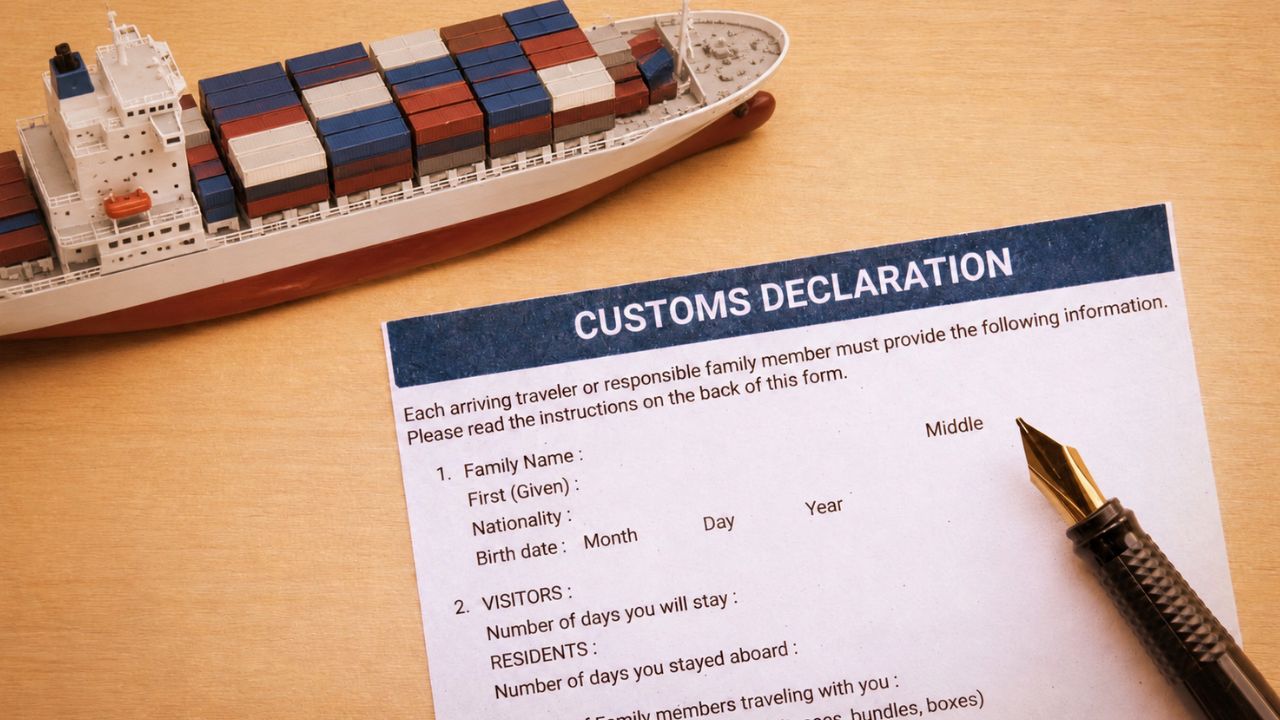
For import customs clearance, you need to prepare an entry bill, a commercial invoice, an airway bill, an import license, an insurance certificate, and a credit letter.
For export customs clearance, you need to prepare a pro forma invoice, a custom packing list, a CO certificate, a customs invoice, a shipping bill, a bill of lading, a sight bill, and a credit letter.
What is the Difference Between Freight Forwarders and Customs Brokers?
| Aspect | Freight Forwarder | Customs Broker |
| Main Focus | Logistics planning and cargo movement. | Customs procedures, duties, taxes, and regulatory compliance. |
| Transportation Arrangement | Arranges sea, air, rail, and truck transportation. | Does not typically arrange transportation. |
| Customs Documentation | Assists with shipping documents such as Bills of Lading and packing lists. | Prepares and files customs declarations and compliance documents. |
| Import Duties & Taxes | Provides guidance but usually does not process payments directly. | Calculates and manages duties, taxes, and customs fees. |
| Regulatory Compliance | Helps ensure shipping requirements are met. | Ensures goods comply with customs laws and import regulations. |
| Cargo Tracking & Coordination | Tracks shipments and coordinates logistics activities. | Limited involvement after customs clearance. |
| Warehousing & Distribution | Often provides warehousing, consolidation, and distribution services. | Typically not involved in warehousing or distribution. |
| Route Optimization | Selects efficient transportation routes and carriers. | Not responsible for route planning. |
| Risk Management | Helps manage transportation risks and shipping delays. | Helps reduce customs-related risks, penalties, and cargo holds. |
Actually, these two services are complementary to each other. Therefore, you can combine both of them into your integrated international transportation solution.