
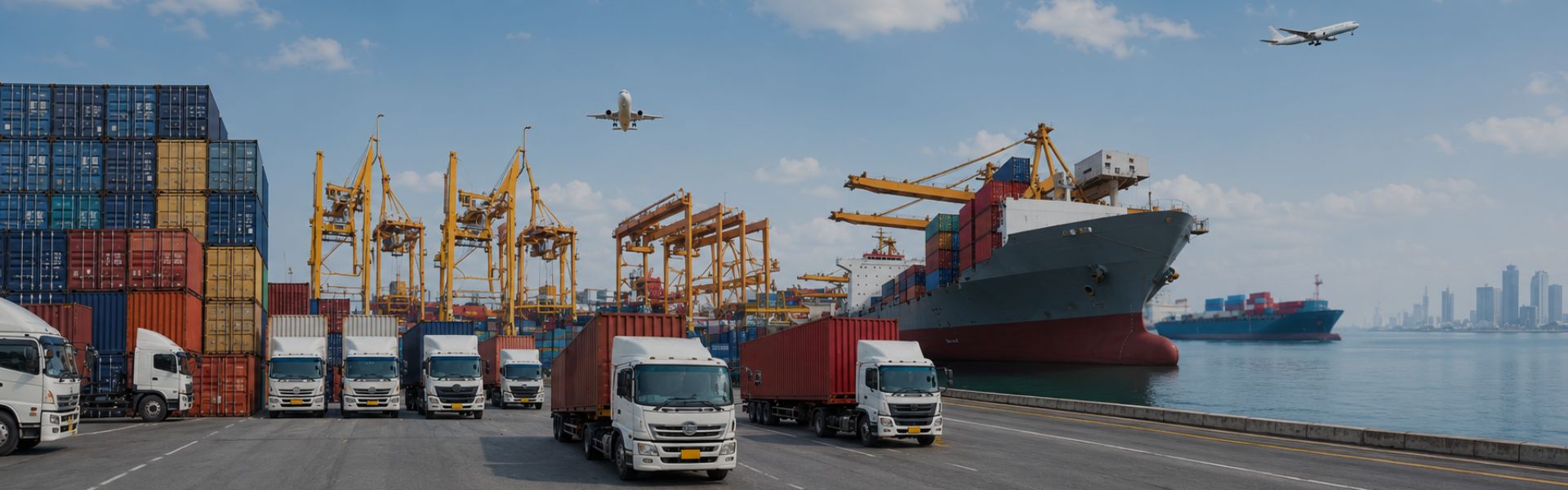
What are Incoterms and What Does it Covers?
Incoterms are three-letter acronyms. It simplifies and clarifies the buyers’ and sellers’ responsibilities in the sales contract. They provide a simple guide for how transport is managed, who handles the risks, and who is responsible for shipment security, and customs rules. The location name is important because it shows where transport costs move from the seller to the buyer. However, in different Incoterms, the same location may not show where the risk is transferred or who should arrange transport insurance.
Incoterms for Transport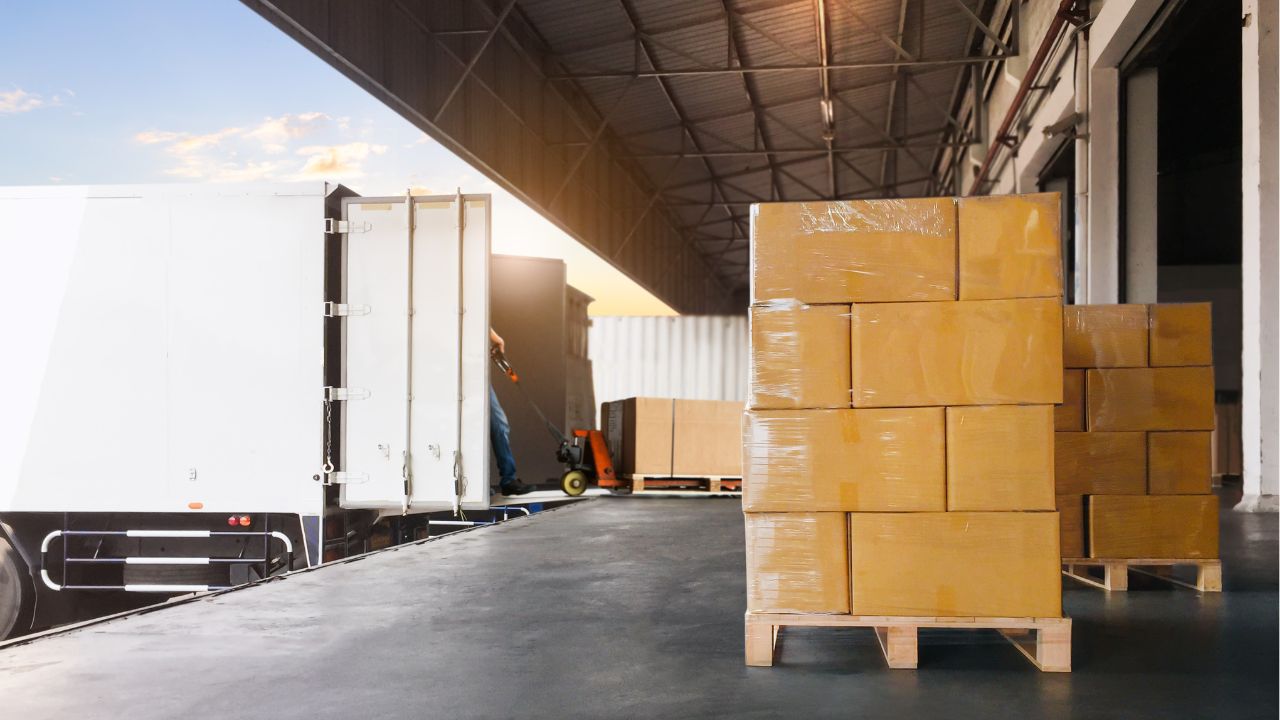
EXW (Ex Works)
The seller makes good available at their own factory or warehouse. The buyer is responsible for export/import clearance, costs, and risks.
FCA (Free Carrier)
The seller prepares and hands over the goods. The goods are given to the transport company chosen by the buyer at the agreed location.
CPT (Carried Paid To)
The seller will pay for the shipment of goods to the destination location. The risks moves to the buyer once the goods are given to the carrier.
CIP (Carriage and Insurance Paid To)
The seller will pay for the shipment costs and insurance that covers the damage or loss of goods during transit.
DAP (Delivered at Place)
The seller delivers the goods when they arrive at the agreed destination. The goods must be ready for the buyer to unload.
DPU (Delivered at Place Unloaded)
The seller delivers the goods after they are unloaded at the agreed destination. The goods are then ready for the buyer to receive.
DDP (Delivered Duty Paid)
The seller will deliver the goods to the buyer’s country and pays for the cost including duties, taxes, and carrying out customs formalities.
Incoterms for Sea and Inland Transport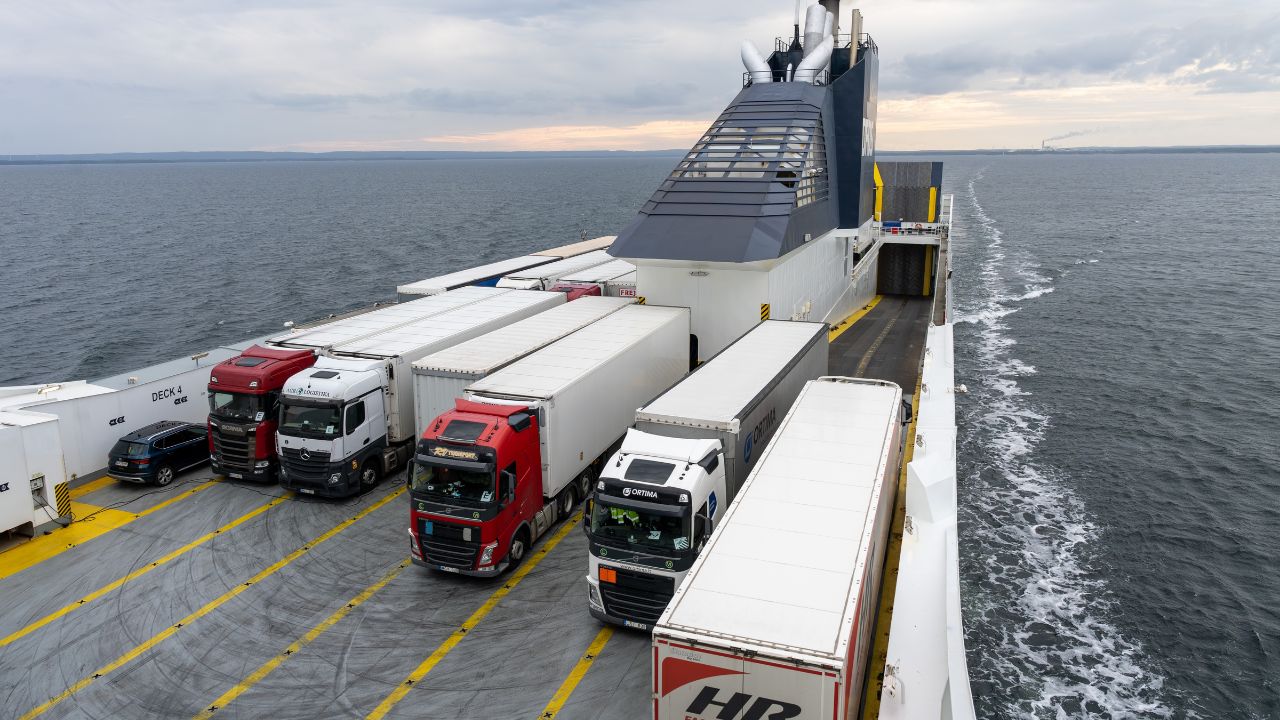
FAS (Free Alongside Ship)
The seller places the goods beside the ship at the agreed port. After that, the buyer handles all costs and risks.
FOB (Free on Board)
The seller delivers the goods once they are loaded onto the ship at the agreed port. After that, the buyer takes all costs and risks.
CFR (Cost and Freight)
The seller pays for the transport of the goods to the destination port. However, the risks transfers to the buyer once the goods are loaded onto the ship at the shipping port.
CIF (Cost Insurance and Freight)
The seller pays for moving the goods to the destination port. The seller will also pay for the insurance that covers damage or loss during transportation.