
Rail Freight from China
Customized rail freight solutions from China for importers, distributors, retailers, and Amazon sellers.


DFH Logistics—Provides Reliable & Cost-Effective Rail Freight Solutions from China
As an experienced international logistics company, we have over 10 years of experience offering flexible rail freight solutions for businesses.
Whether you need full container load (FCL), less-than-container-load (LCL), door-to-door transportation, or customs clearance support, our team will help streamline the entire shipping process from China to your destination.
From picking up goods at the factory in China to final delivery, we provide customized transportation solutions based on different types of goods, delivery schedules, and business requirements.

Provide the one-stop, cost-effective logistics solution that connects the first-mile pickup, the long-distance transportation along the railway lines, and the final-mile delivery.
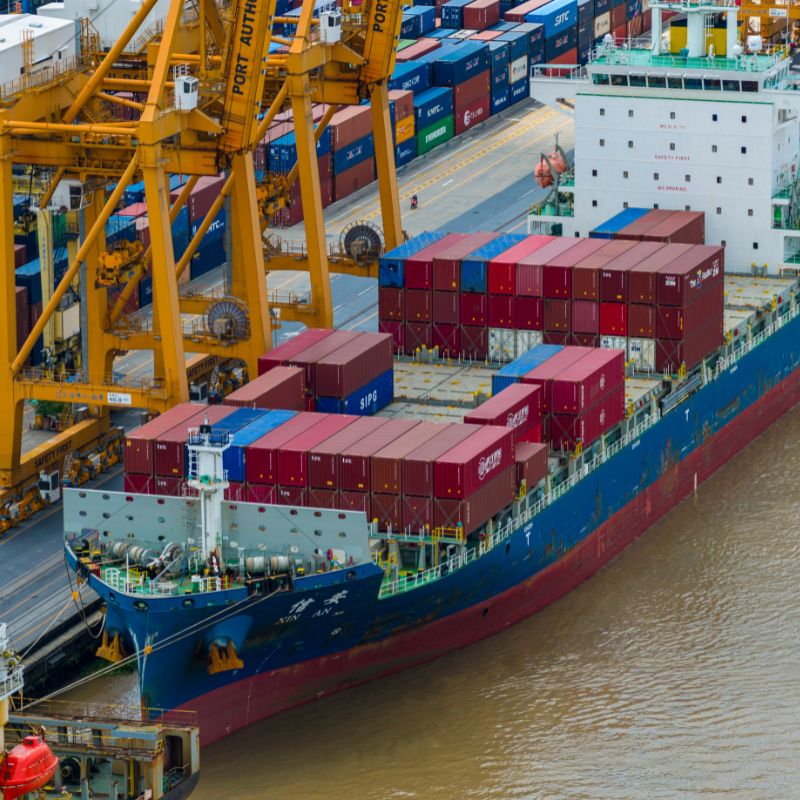
Use trucks to pick up goods from the consignor’s warehouse, then connect to the railway trunk line to transport them directly to the designated export port.
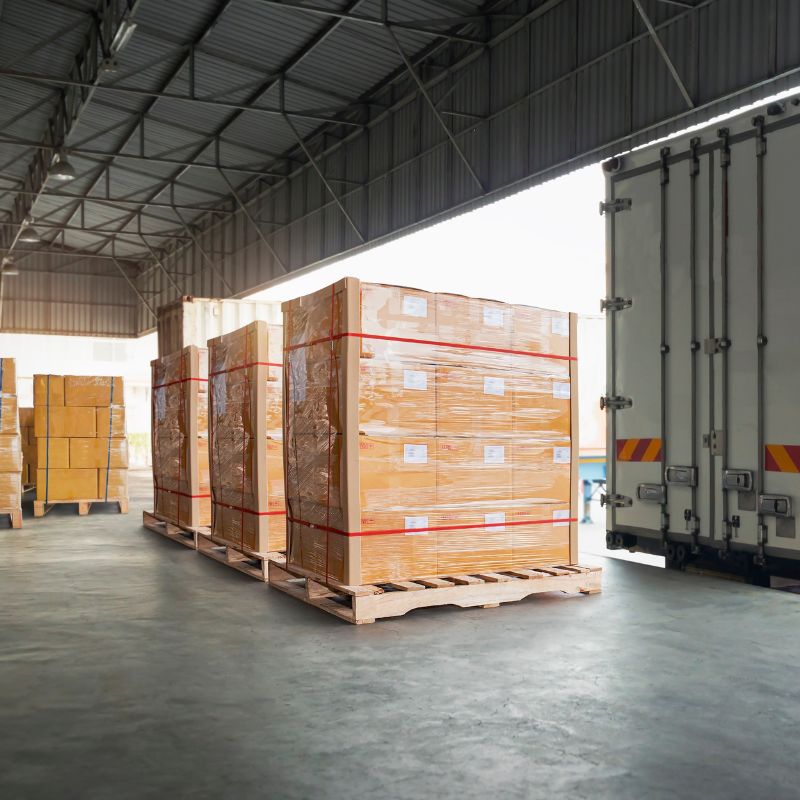
Can standardize your goods’ packaging and stack them onto pallets. Use railway-standard containers to improve cargo stability during transit.
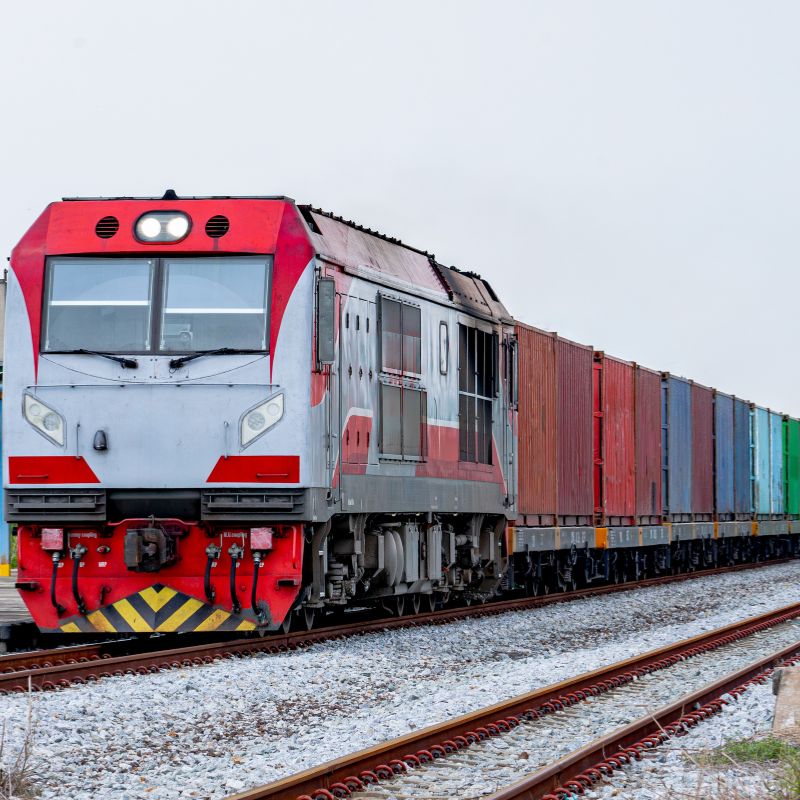
Offer container consolidation service for you if your order quantity is less than one entire container.
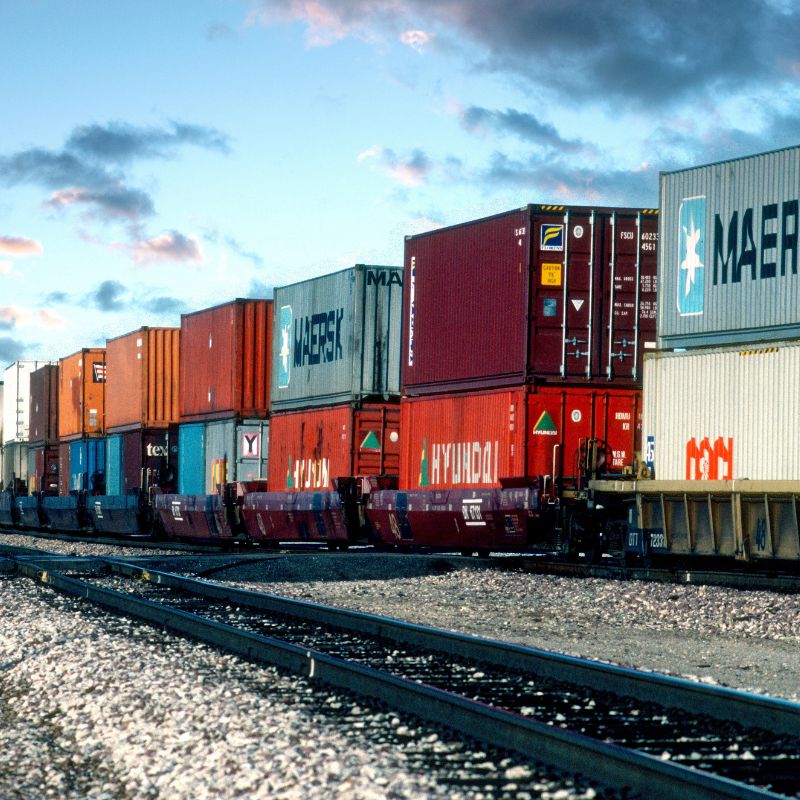
Full wagon charter services are available, suitable for individual customers and large quantities of goods.
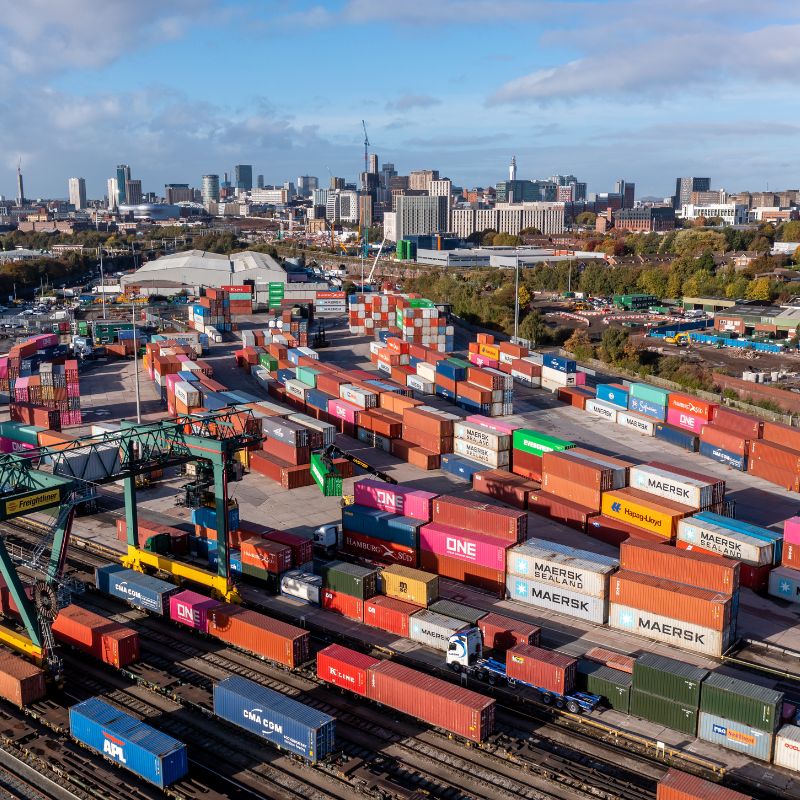
Specialized rail transport solutions for sensitive goods, bulk, liquid and gas, and project cargo.
Utilize the main railway lines to transport goods and connect with local trucks or express services to complete the scheduled warehousing process.
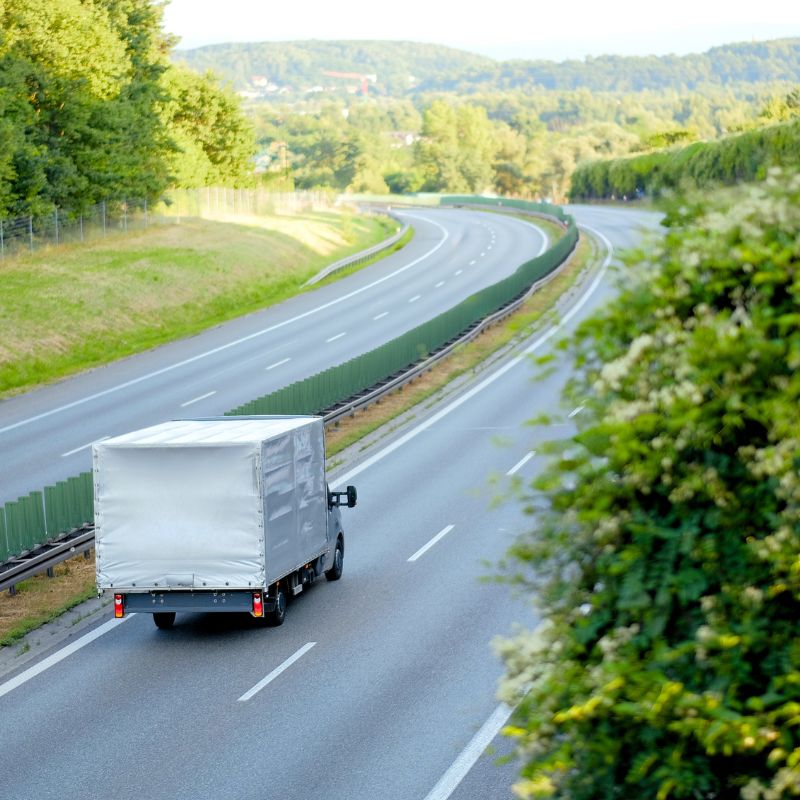
Support for shipping packages and replenishing overseas warehouses, relying on the stability of regular trains, fast customs clearance at ports, and last-mile delivery.
Why Choose DFH Logistics as Your Rail Freight Partner?
- Works with reliable rail operators and logistics partners, ensuring stable rail freight solutions.
- Provides complete door-to-door rail freight services, simplifying international shipping operations.
- Has experienced and dedicated logistics teams that help you manage customs documentation and clearance procedures.
- Provides shipment visibility and responsive communication throughout the rail freight transportation process.
- Can combine rail freight with trucking and local delivery services to create efficient multimodal transportation solutions.
What is Rail Freight?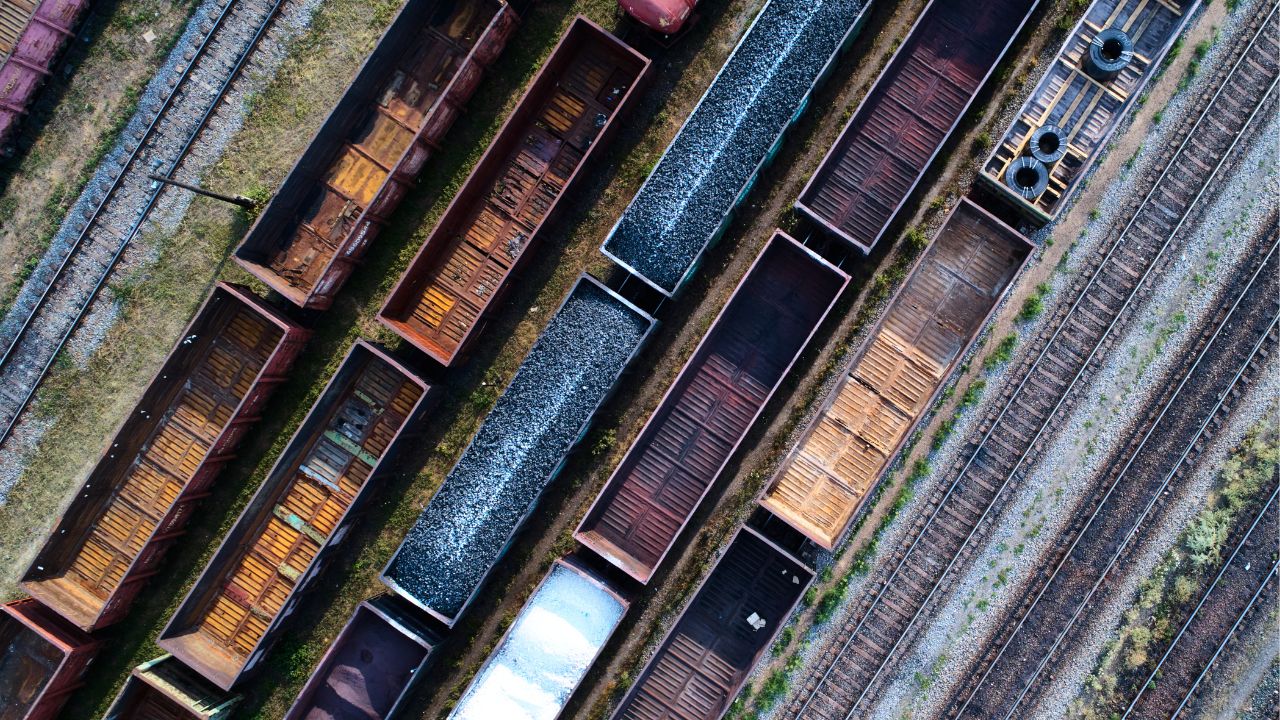
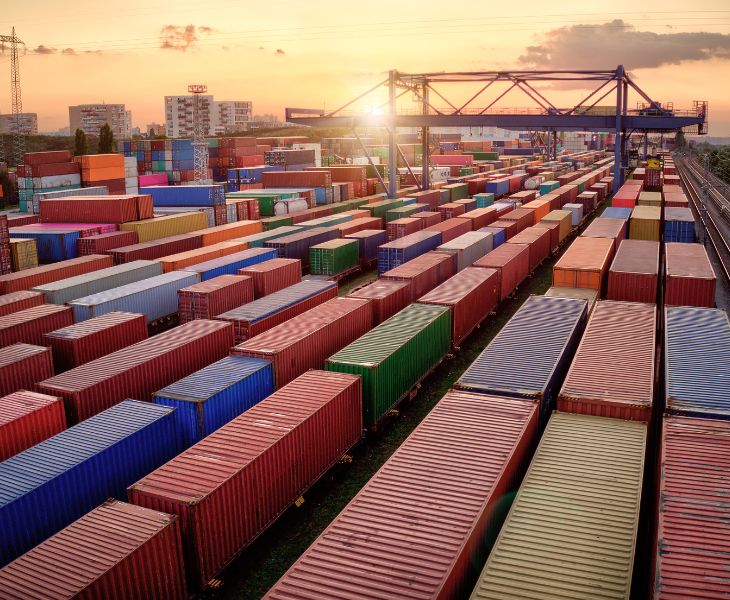
Rail freight refers to a logistics transportation method that uses railway networks and freight trains to transport goods. The railway train does not carry passengers. It only serves supply chains and trade systems. The wagons are designed according to your cargo characteristics.
Rail freight typically serves as the backbone of intermodal transportation because rail tracks cannot directly reach every business location.
Why Choose Rail Freight from China?
Many businesses choose rail freight when they want to ship from China, because there are 5 main advantages:
Faster Than Sea Freight
The efficiency of rail freight is much higher than that of sea freight. From major hubs in China (such as Xi’an, Chengdu, Chongqing, and Yiwu) to core inland ports in Europe like Poland and Germany, rail freight usually takes only 30 to 35 days. In contrast, sea freight can take 35 to 55 days.
Cost Lower Than Air Freight
The freight cost of railway freight is often only about one-fifth to one-third of that of air freight. Railway freight helps you reduce the high international logistics costs while ensuring that goods can be quickly placed on shelves and accelerating the capital turnover.
High Stability
Trains run on fixed tracks according to a strict schedule, so rail freight is less affected by weather conditions. Besides, with the advanced digital integration systems, the shortest customs clearance time for the China-Europe Railway Express has been reduced to less than 30 minutes.
Powerful Comprehensive Shipping Capacity
China Railway’s freight network has connected hundreds of cities in Europe and Asia. The range of cargo types is also broad. Whether for bulk industrial products or loose cargo consolidation, it all works well.
Green Logistics
The carbon emissions of railways are significantly lower than those of air and road shipping, so it’s an ideal way if your company has carbon emission auditing requirements.
What Types of Cargo Can be Shipped by Rail?
Rail Freight has an extremely strong carrying capacity. It can transport almost all kinds of goods except live animals, passengers, dangerous goods, and private property.
The cargo types it can ship include electronics, fashion and textiles, Fast Moving Consumer Goods (FMCG), agricultural and perishable goods, bulk, construction materials, automotive cargo, and project cargo.
Can You Arrange Pickup from Chinese Factories?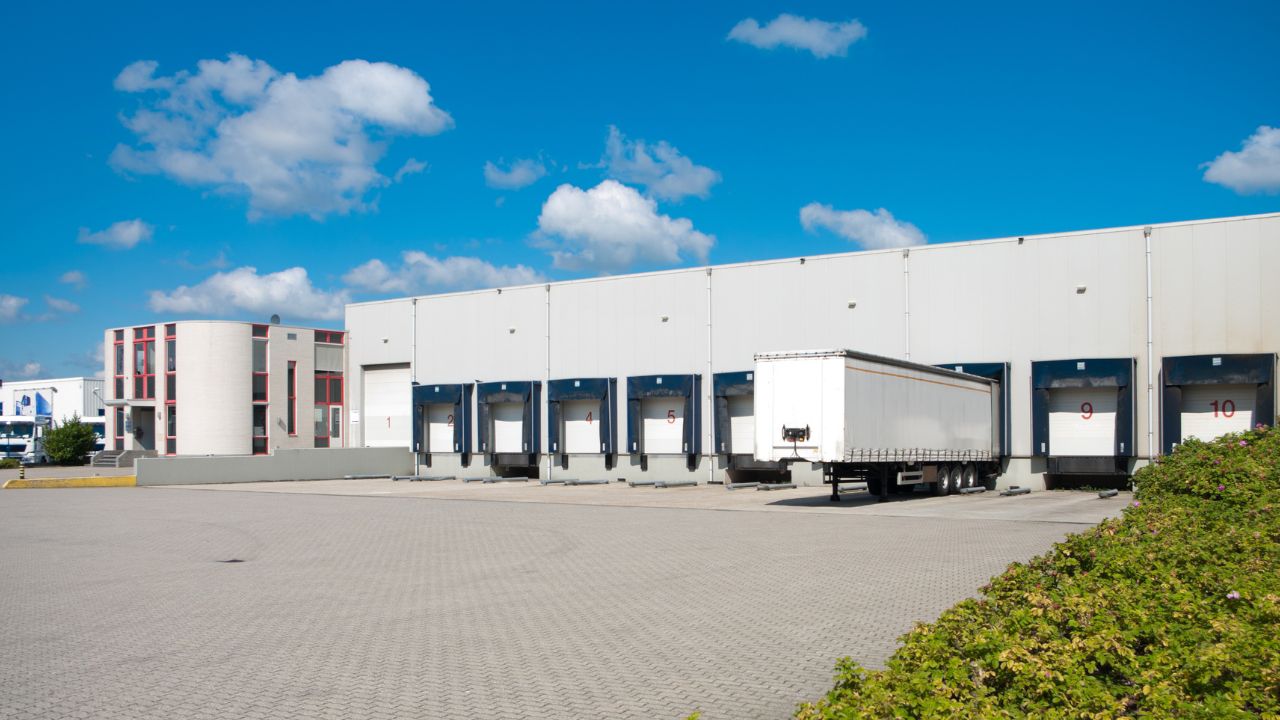
Yes, we always offer pickup service if you need. We can pick up the goods from the supplier’s factory and then transport them to the freight forwarder’s warehouse.
Do You Provide Warehousing During Transportation?
Yes, we offer 15-day free storage for containerized goods, regardless of the size.
Do You Provide Cargo Insurance Services?
Yes. We have extensive experience helping customers purchase freight insurance, as we work with a wide range of clients every day. Therefore, we can get a huge discount.
Rail Freight vs Sea Freight: What’s the Difference?
Generally, the benefit of rail freight is its faster speed with reasonable shipping costs, while sea freight is the lowest-cost solution for large-volume international cargo.
| Comparison Factor | Rail Freight | Sea Freight |
| Transit Time | Faster than sea freight, usually 30 – 35 days from China to Europe | Longer transit time, typically 35 – 55 days |
| Shipping Cost | Moderate cost, balanced between speed and budget | Lowest transportation cost for large-volume cargo |
| Best For | Medium-urgency shipments requiring stable delivery | Large-volume cargo with flexible delivery timelines |
| Delivery Stability | More predictable schedules with fewer port congestion issues | Can be affected by port congestion, vessel delays, and peak seasons |
| Cargo Volume | Suitable for both FCL and LCL shipments | Ideal for high-volume and bulk cargo |
| Inventory Pressure | Helps reduce inventory storage pressure due to shorter lead times | Longer lead times may increase inventory requirements |
| Peak Season Reliability | Generally more stable during peak shipping seasons | Higher risk of delays during peak seasons |
| Customs Process | Usually faster inland customs coordination | Often involves complex port-handling procedures |
| Suitable Cargo Types | Electronics, machinery, retail goods, auto parts, e-commerce cargo | Bulk goods, raw materials, oversized shipments, and large inventory orders |
| Typical Shipping Routes | Mainly China-Europe inland rail corridors | Global international shipping routes |
Rail Freight vs Air Freight: What’s the Difference?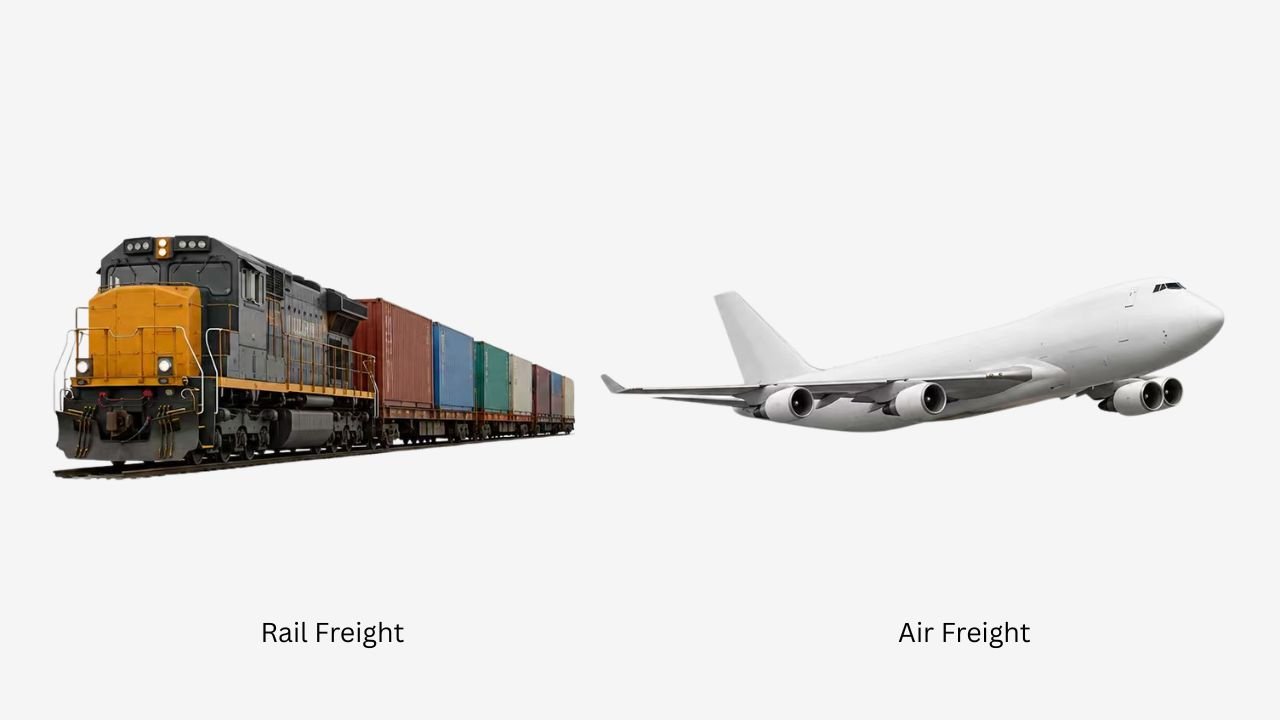
Air freight is the fastest shipping method, suitable for emergency shipments and high-priority deliveries. In comparison, rail freight is more cost-effective.
| Comparison Factor | Rail Freight | Air Freight |
| Transit Time | Typically 30 – 35 days from China to Europe | Usually 2 – 12 days for international delivery |
| Shipping Cost | Moderate and cost-effective | The highest transportation cost |
| Best For | Medium-urgency cargo requiring balanced cost and speed | Urgent, high-value, or time-sensitive shipments |
| Cost Efficiency | Lower cost than air freight for medium and large shipments | Expensive, especially for bulky or heavy cargo |
| Shipment Stability | Stable schedules with predictable transit times | Fast but may be affected by flight availability and peak season rates |
| Environmental Impact | Lower carbon emissions than air freight | Highest carbon emissions among major shipping methods |
| Peak Season Impact | More stable pricing during peak periods | Freight rates can rise sharply during peak seasons |
| Customs Clearance | Standard international customs procedures | Faster airport customs processing in many cases |
What Industries Commonly Use Rail Freight?
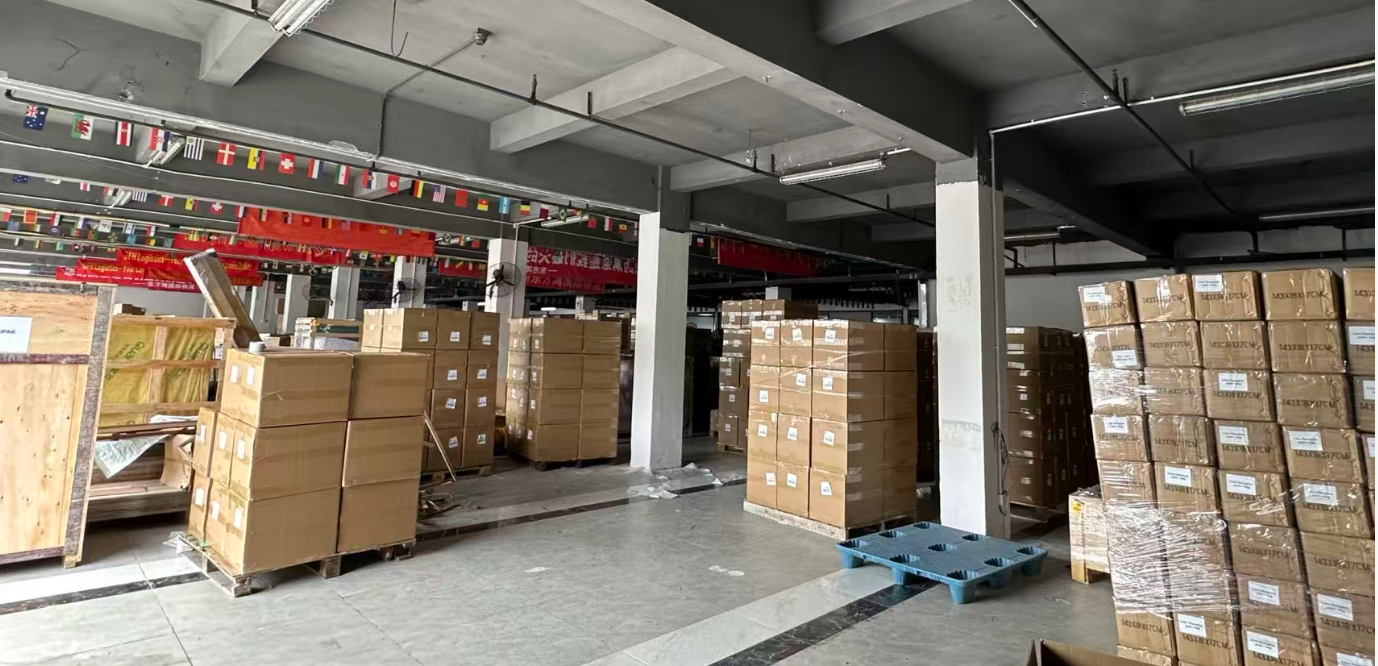
Common industries that use rail freight include the coal and mining industry, metal manufacturing, automotive manufacturing, the food processing industry, the chemical industry, building materials, multimodal transport, heavy machinery, and military supplies.
What Factors Affect Rail Freight Transit Time?
Rail transit times depend not only on the origin and destination but also on the type of cargo, rail scheduling, and the method of final delivery in Europe. The main factors affecting rail transit times include:
Different Points of Departure
Railway resources and schedule arrangements vary by city. We typically select an ideal rail departure point based on your supplier’s location, such as Xi’an, Chengdu, Chongqing.
Track Changes at the Border
Rail freight must pass through multiple countries and rail hubs, and some routes may involve track changes or transshipment. This can affect the overall transit time.
Cargo Type and Mode of Transport
The handling procedures for full container loads, less-than-container loads, and special cargo differ, so the processing times also vary.
Last-Mile Delivery Arrangements
Once the goods arrive at a European rail hub, they must be delivered by truck to your final destination. So the delivery distance will also affect transit times.
Shipping Demand During Peak Season
During peak season, it is difficult to secure rail space immediately due to increased demand. This can result in delayed shipment times. Therefore, we recommend that customers plan ahead to ensure their shipments depart as scheduled.
Can Rail Freight Help Reduce Inventory Pressure?
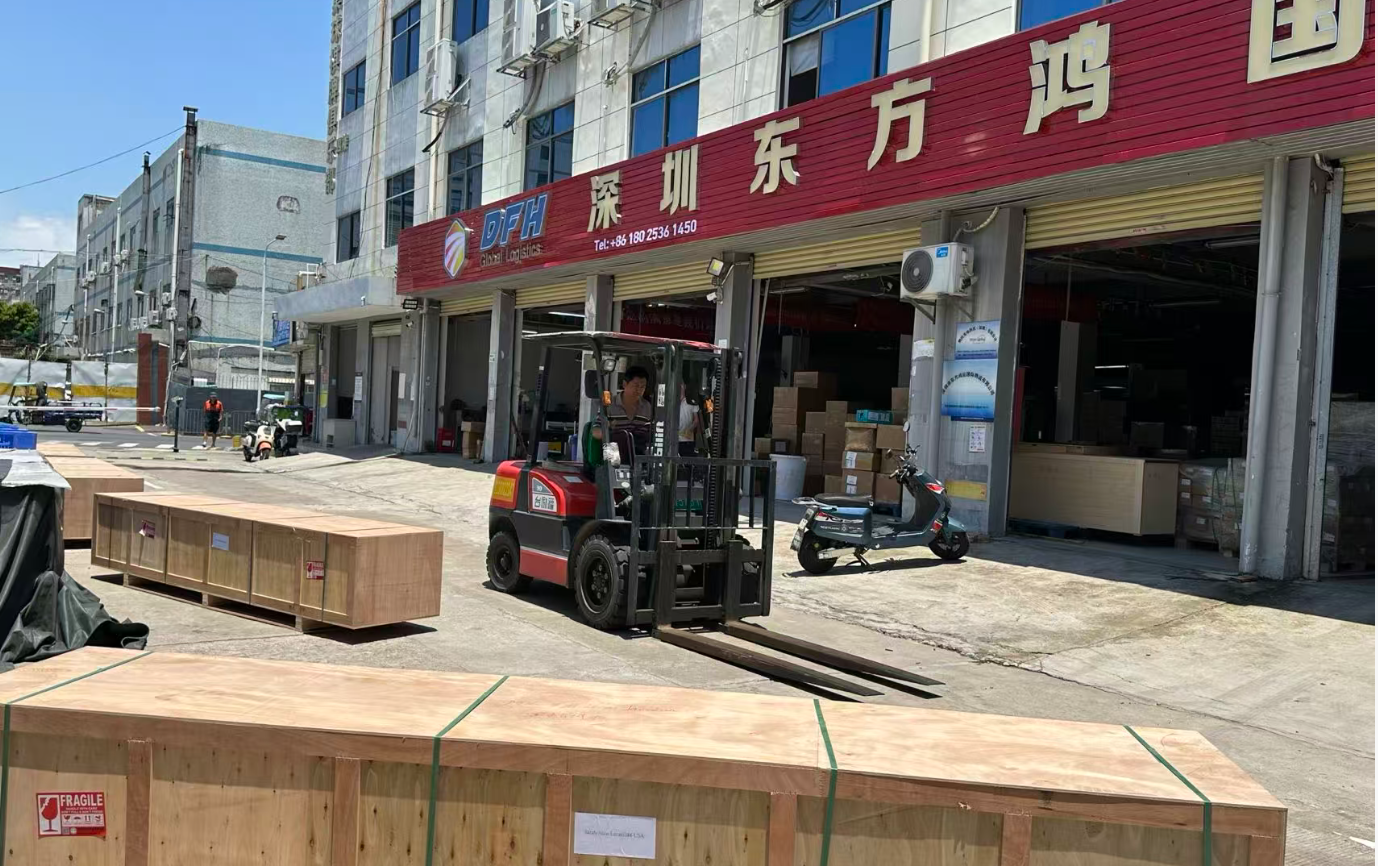
Yes. Rail transport is typically faster than sea freight, and at the same time, it is less expensive than air freight. Therefore, it is suitable for customers who need to maintain inventory turnover but also want to keep shipping costs under control.
How to Reduce Rail Freight Delays?
As a logistics provider with 13 years of deep industry experience, DFH Logistics has found that rail transport delays are rarely caused by issues along the route, but rather by “document errors or omissions” and “port congestion.”
In our day-to-day handling of rail shipments, we help our clients strictly control delivery times by focusing on the following four key areas:
First, check the documentation.
We will carefully verify your invoices and packing lists. The description of the goods must be specific enough to include the material and intended use (for example, write “304 stainless steel cup” rather than a vague description such as “cup” or “hardware”).
Second, book your shipping space in advance to secure your spot.
During peak stocking seasons such as National Day, Chinese New Year, or the end of the year, we strongly recommend that you contact us to book your shipping space 2 to 3 weeks in advance.
Third, reinforce the outer packaging.
In our daily rail freight operations, we require that bulk cargo be securely palletized, and that the space inside the container be completely filled with air bags or strapping belts.
Fourth, we arrange for pre-clearance at the destination port.
Our local team in Europe will enter your documentation into the customs system before the train arrives, and arrange for customs clearance and tax payment in advance. This allows the truck to pick up the cargo and begin delivery as soon as the train arrives at the station.
What Factors Affect Rail Freight Pricing?
Rail freight rates fluctuate like stock. Based on our practical experience, rail freight rates are influenced by the following factors:
Market Peak and Off-Peak Seasons: During the Spring Festival, National Day, or year-end, demand for rail freight space increases significantly. So freight rates also rise. However, prices are typically more stable during the off-peak season.
Weight and Volume of Cargo: Rates for rail transport of bulk cargo are calculated based on cubic meters or billable weight. If your cargo is heavy or very bulky, the freight charges will typically be high.
Last-Mile Delivery: After your shipment arrives in Europe, it will be delivered by truck to your warehouse or designated address. The final cost is influenced by factors such as delivery distance, vehicle type requirements, and service options.
Is Rail Freight Suitable for High-Value Cargo?
Yes. Rail transport is suitable for certain high-value goods. This is especially for customers looking to strike a balance between shipping costs and delivery speed. Compared to ocean freight, rail transport offers shorter transit times. Compared to air freight, the overall cost is lower. As a result, many companies choose rail transport for their high-value products.
Is Rail Freight Suitable for Long-Term Logistics Planning?
Yes. Rail transport is ideal for long-term logistics planning. Compared to the unpredictability of ocean freight and the “one flight, one price” model of air freight, the greatest advantage of rail freight is its stability and predictability.
How is Cargo Consolidated in LCL and FCL Rail Freight?
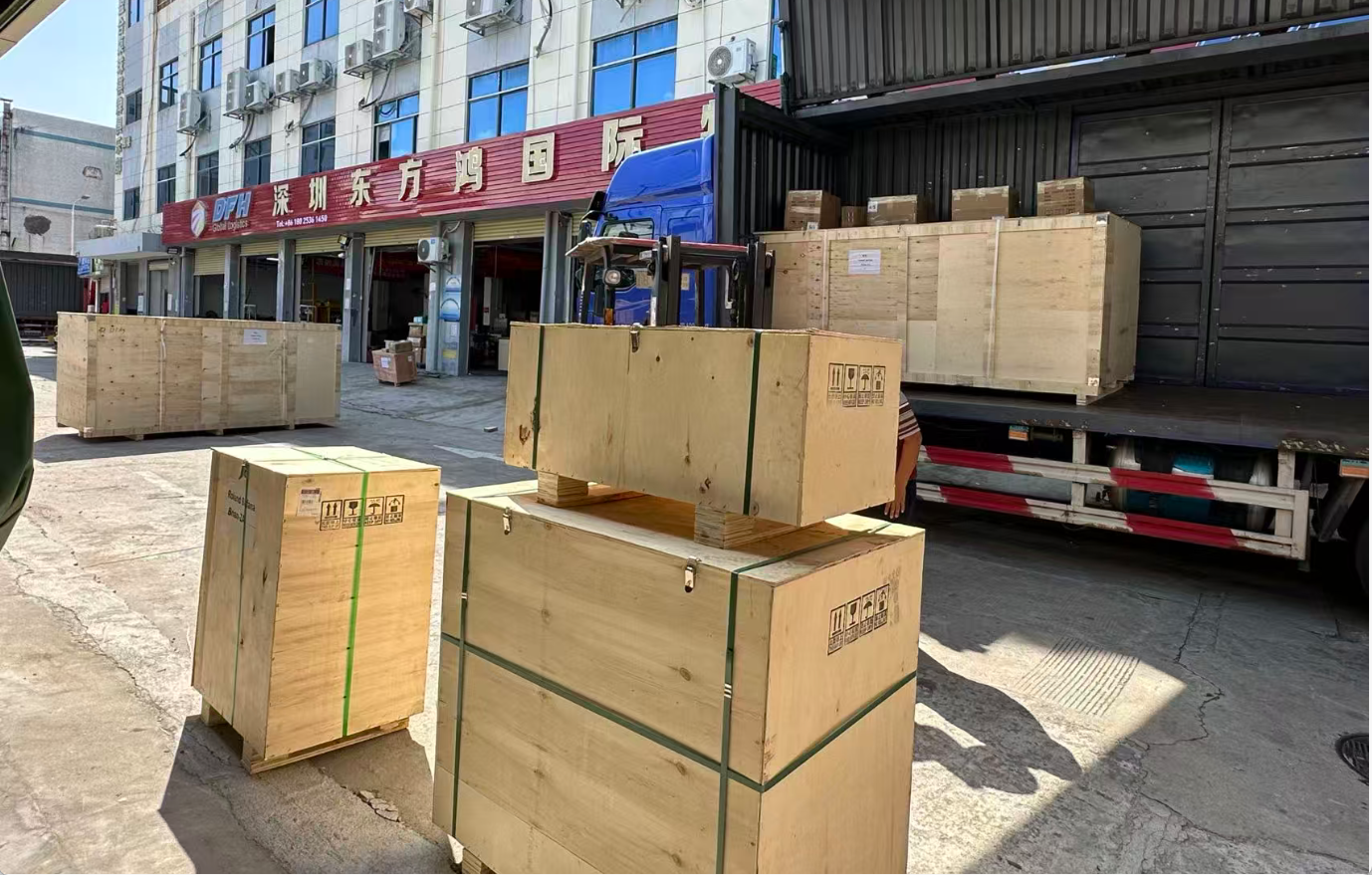
The consolidation and container loading processes for LCL (less-than-container load) and FCL (full container load) are completely different. FCL means you have exclusive use of a container, and LCL means you share a container with other customers.
LCL Rail Freight
If your shipment does not fill an entire container, we will consolidate it with shipments from other customers in the same container for transport.
Before shipment, we will receive, inspect, and consolidate your goods at our warehouse to ensure that shipments from different customers are handled separately and transported safely.
FCL Rail Freight
If your shipment can fill an entire container, we will arrange for a full container load (FCL) shipment. With an FCL shipment, your cargo will not be consolidated with other shipments. This option is best suited for large shipments or customers with high safety requirements for their cargo.
What Documents are Required for Rail Freight Shipping?
From our experience, accurate documentation is one of the key factors in keeping China-Europe Railway Express shipments on schedule.
List of the Three Core Documents
- Commercial Invoice
What is it: A document that details the value, materials, intended use, and information about the buyer and seller of the goods.
Why use it: Customs uses this document to calculate how much duty you owe.
- Packing List
What is it: A document that details the number of packages, gross weight, net weight, and packaging dimensions (volume) of the goods.
Why use it: Train load capacity and space are limited, so the railway authority must use this document to balance the load.
- Railway Bill / CIM
What is it: A transport contract issued by the railway authority after the cargo has been loaded onto the train.
Why use it: Without it, the cargo cannot be loaded onto the train. It verifies who shipped the cargo and where it is being sent.
How Do I Track My Rail Cargo from China?
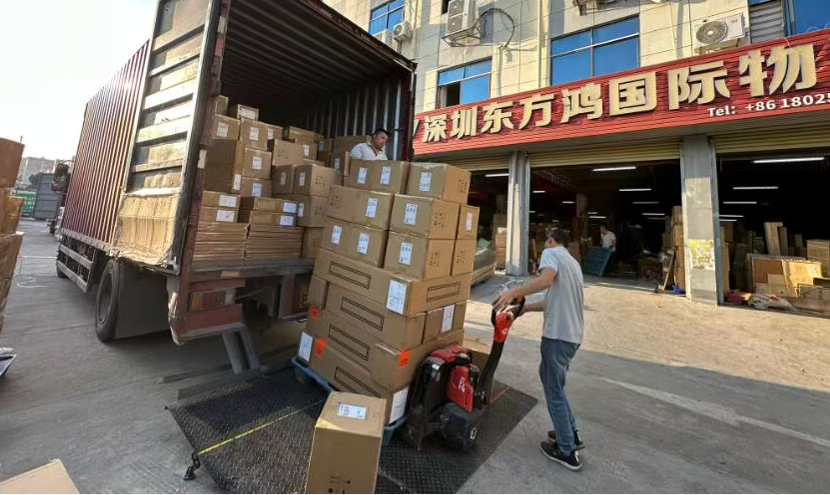
You can track your rail cargo from China through your freight forwarder’s tracking system. At DFH Logistics, we monitor key shipment updates, including departure, border transit, customs clearance, and final delivery.
If you are planning to ship goods from China to Europe by rail, you can contact us immediately. Our team will provide you with the right rail freight solution and offer end-to-end shipping support.