
Shenzhen Freight Forwarder
Professional Shenzhen Freight Forwarder for Global Shipping Solutions


DFH Logistics—Reliable Shenzhen Freight Forwarder for Sea, Air, Rail & Door-to-Door Shipping
As an experienced Shenzhen freight forwarder, DFH Logistics has over 13 years of experience providing customized international logistics solutions. By leveraging Shenzhen’s strategic logistics network, we provide fast, flexible, and cost-effective freight services for you.
Whether you need sea freight, air freight, railway transportation, or door-to-door delivery services, we can tailor a dedicated shipping solution according to your specific requirements.
From receiving goods from suppliers and consolidating shipments to international transportation and final delivery, we help you optimize your supply chains, helping reduce shipping costs while ensuring smooth and efficient international trade operations.
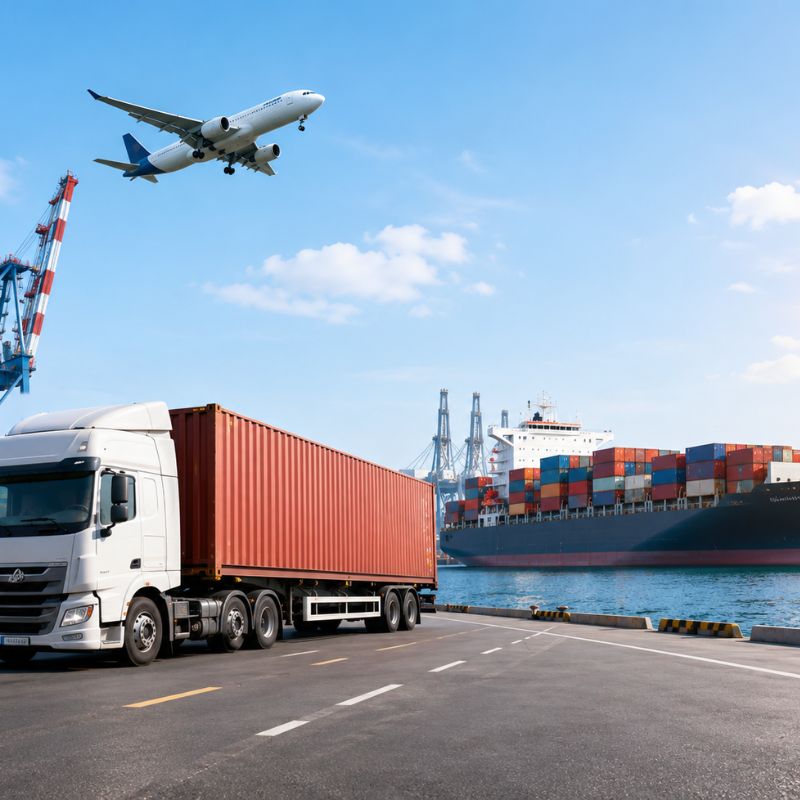
We offer a full range of core shipping services departing from Shenzhen, including sea freight, air freight, rail freight, trucking, and international express.
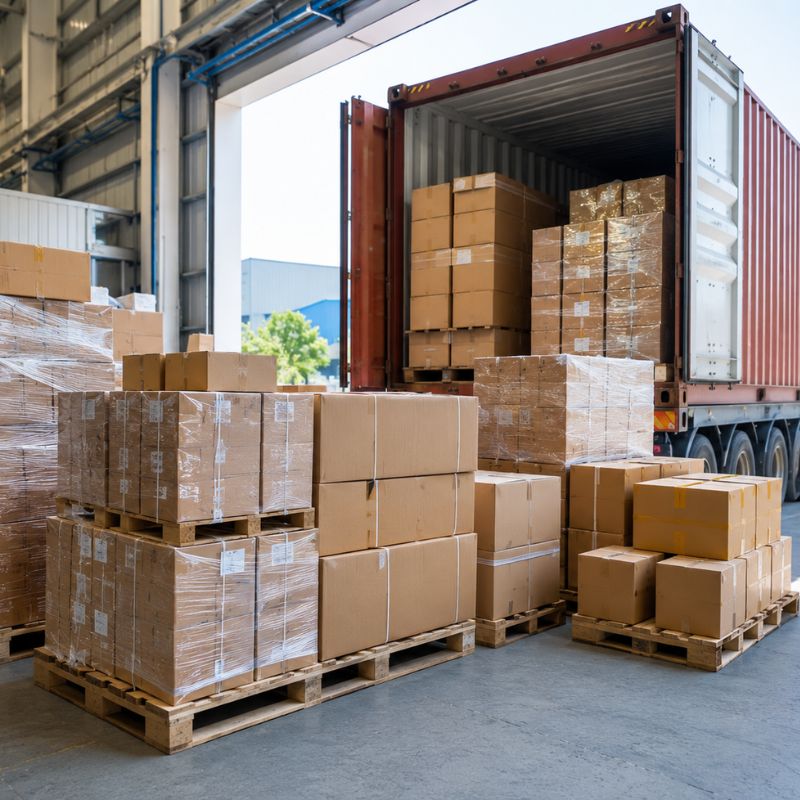
Provide multi-supplier consolidation services, including container loading and unloading, tallying, palletizing, sorting, etc., and offer free storage for over 15 days.
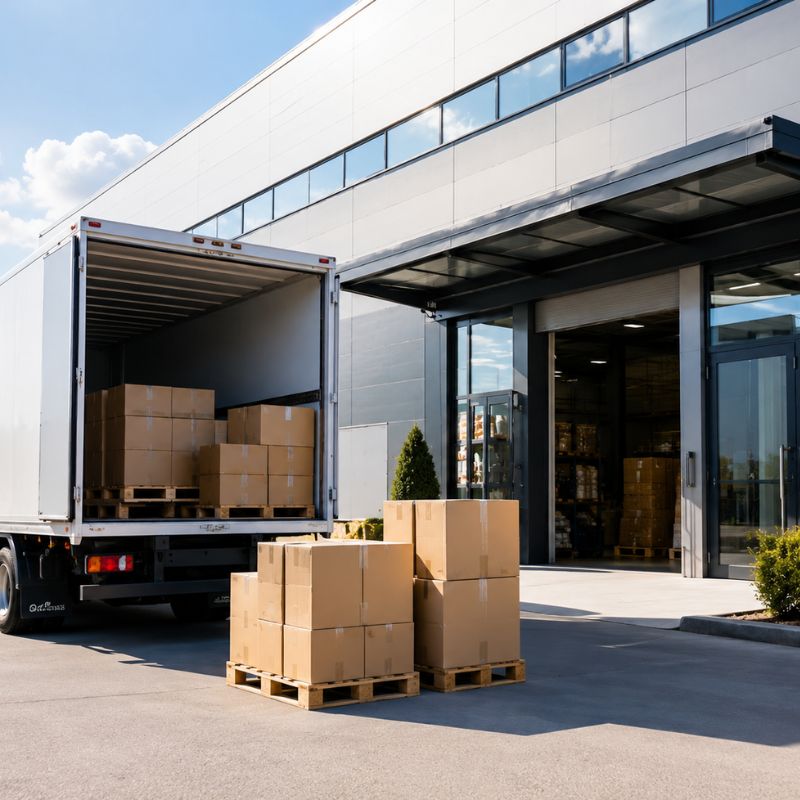
Covering the entire shipping process, customs clearance, and taxes in the destination country, freeing you from cumbersome logistics procedures.
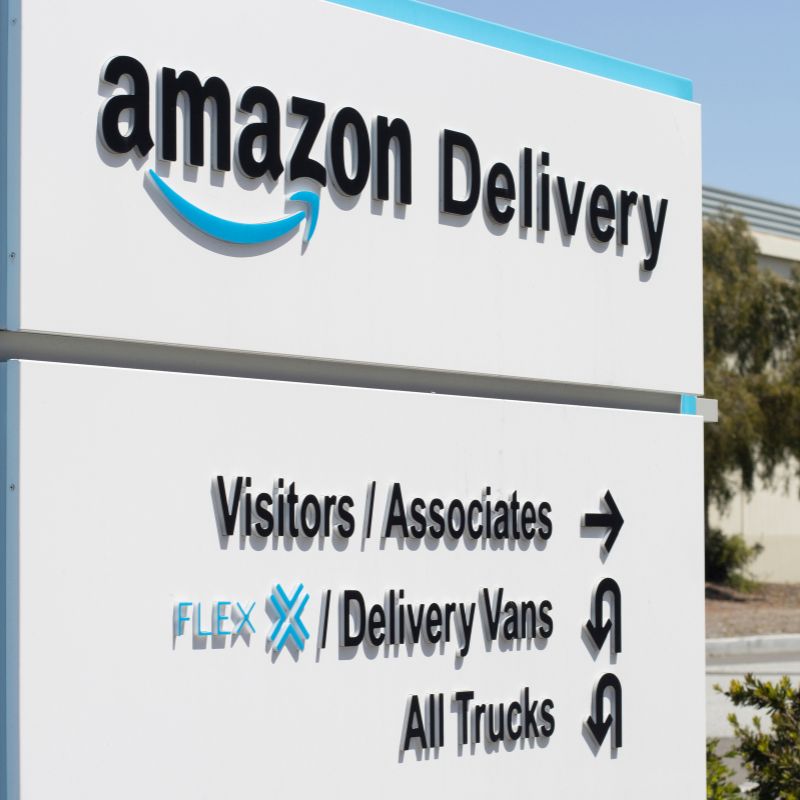
Customize solutions for cross-border e-commerce. Offer shipping service from Shenzhen to Amazon warehouses worldwide.

We help arrange cargo insurance to minimize the financial risks associated with loss or damage.
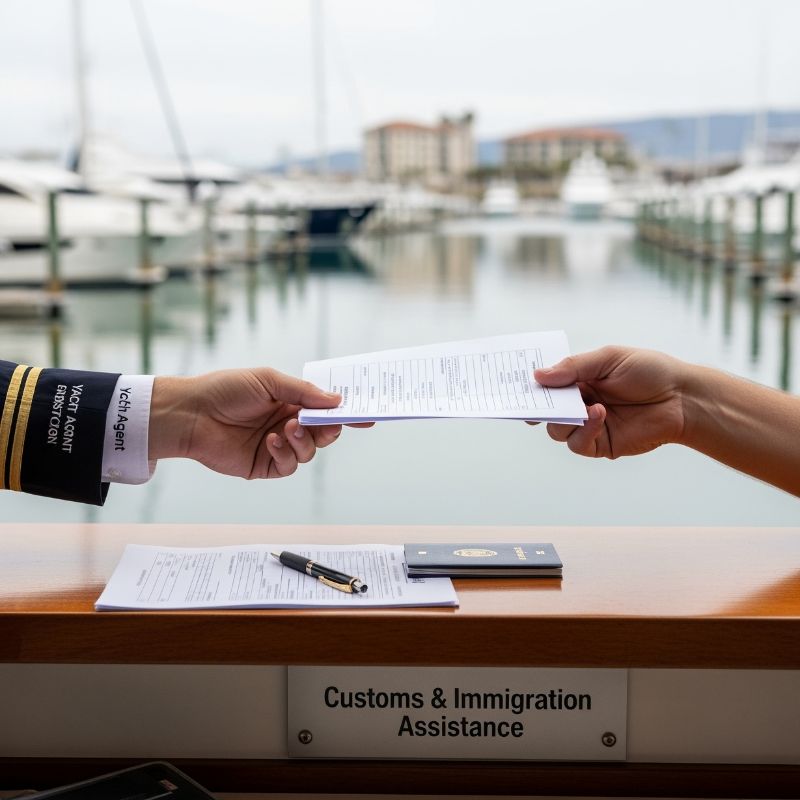
Provide general trade customs declaration and transit services at all ports in Shenzhen.
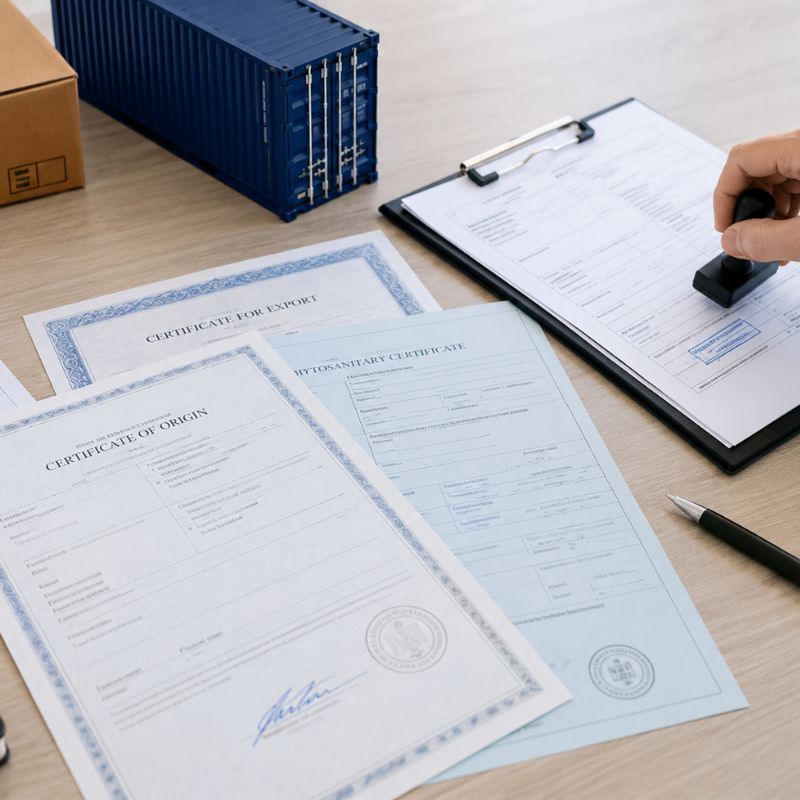
Assist with commodity inspection certificates, fumigation certificates, certificates of origin, and other export documentation.
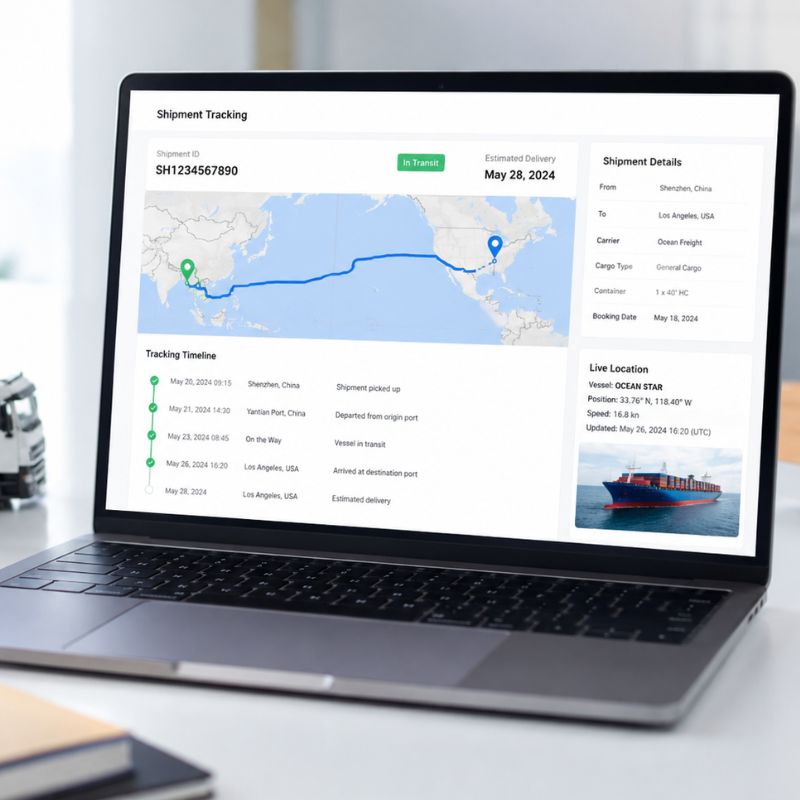
Provide a real-time cargo-tracking system so you can track your shipment in real time.
Why Choose DFH Logistics as Your Shenzhen Freight Forwarder?
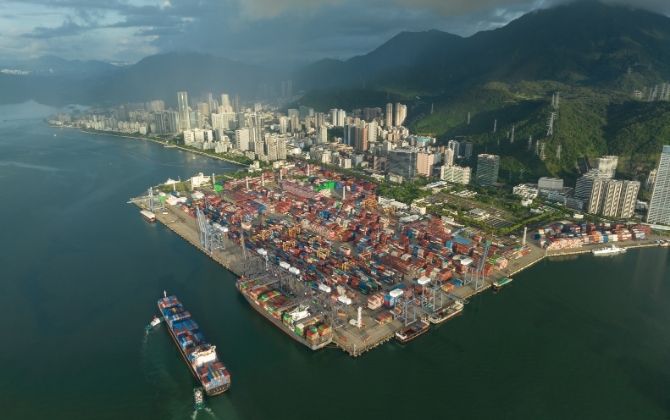
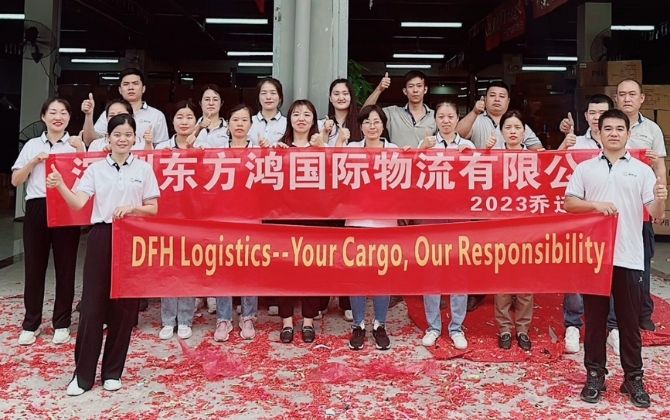
- Based in Shenzhen. Extremely familiar with the local manufacturing ecosystem, major ports, export procedures, and carrier networks.
- Direct access to Yantian Port, Shekou Port, and nearby logistics hubs.
- Customize shipping solutions according to your cargo type, budget, delivery timeline, and destination requirements.
- Faster local pickup service from Shenzhen, including pickups, inspections, and warehouse transfers.
- Provide flexible FCL and LCL options.
Why Choose a Freight Forwarder in Shenzhen China?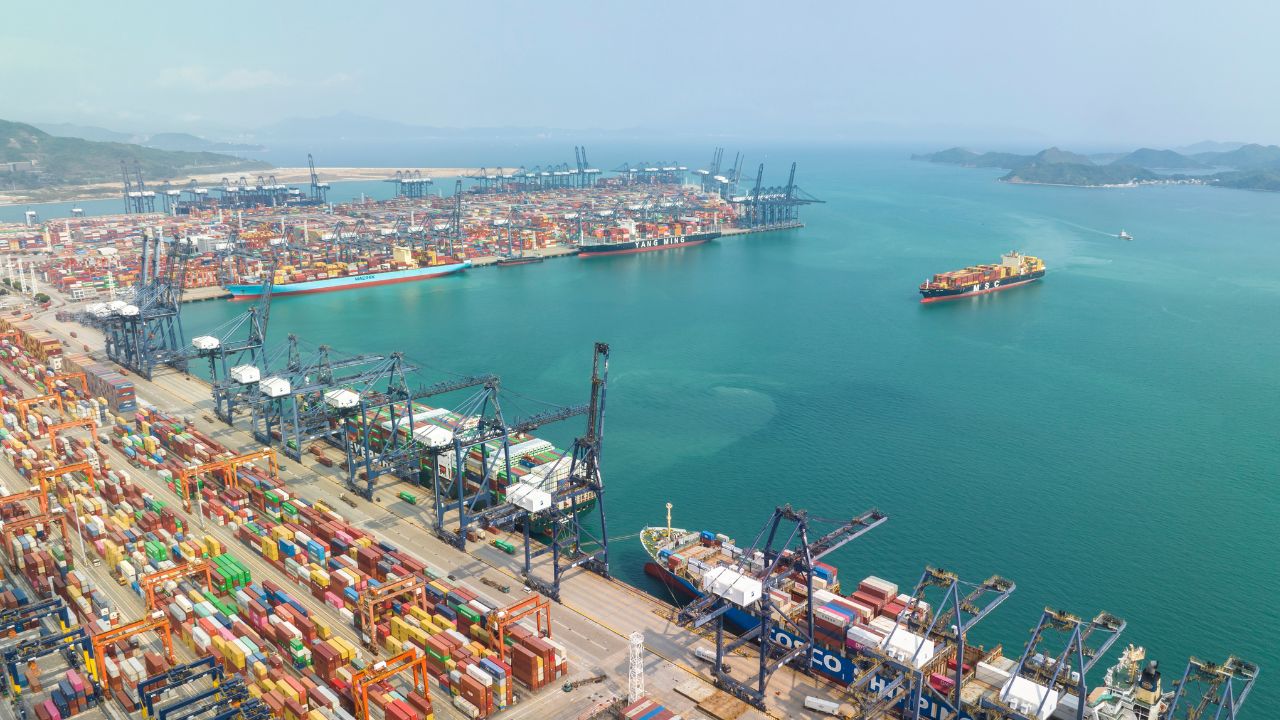
Shenzhen owns unique supply chain advantages. Shenzhen Port handled over 30 million TEUs annually, ranking among the world’s busiest
container ports. It is located at the heart of the Pearl River Delta manufacturing, which can highly reduce your inland trucking costs. It has renowned deep-water ports such as Yantian Port and Shekou Port. Yantian Port handled over 14 million TEUs in 2025 and serves more than 190 international shipping routes. If congestion occurs, DFH can divert your cargo to alternative ports like Guangzhou or Hong Kong.
Specifically, a Shenzhen freight forwarder is an ideal choice for you if:
- Your suppliers are located in Shenzhen, Dongguan, Guangzhou, Foshan, or other cities in South China.
- You need to consolidate goods from multiple factories.
- You want to ship electronic products, LED products, consumer goods, or e-commerce items.
- You want to access the international logistics network of Shenzhen and Hong Kong.
- You need a door-to-door shipping solution.
Ningbo vs Shenzhen Freight Forwarders: What’s the Difference?
| Feature | Shenzhen Freight Forwarder | Ningbo Freight Forwarder |
| Major Manufacturing Areas Served | Shenzhen, Dongguan, Guangzhou, Foshan, Zhongshan, Huizhou | Ningbo, Shanghai, Hangzhou, Suzhou, Wenzhou, Jiaxing |
| Closest Export Ports | Yantian Port, Shekou Port, Nansha Port | Ningbo-Zhoushan Port, Shanghai Port |
| Best For | Products sourced from South China | Products sourced from East China |
| Key Industries | Electronics, LED Displays, Consumer Electronics, Furniture, Home Appliances | Machinery, Textiles, Auto Parts, Chemicals, General Manufacturing |
| Air Freight Advantages | Strong access to Shenzhen and Hong Kong airports | Strong access to Ningbo and Shanghai airports |
| Cross-Border E-commerce Support | Strong Amazon FBA and e-commerce logistics ecosystem | Growing but less concentrated |
| Supply Chain Flexibility | Highly flexible for export-oriented manufacturers | Strong for industrial and traditional manufacturing sectors |
Whether choosing a Shenzhen or Ningbo freight forwarder depends on the location of your supplier.
Usually, for factories that purchase products from South China, Shenzhen usually offers faster factory pick-up, lower inland transportation costs, more convenient cargo consolidation services, and easier access to major export hubs. However, if your supplier is in East China, choosing a Ningbo freight forwarder can be more cost-effective.
How Do I Choose a Reliable Freight Forwarder in Shenzhen?
To choose a reliable Shenzhen freight forwarder, you have to consider several factors:
- Necessary Licenses
Never work with unlicensed freight forwarders. DFH is equipped with all necessary specific credentials, including NVOCC license (Non-Vessel Operating Common Carrier), WCA and FIATA membership, and business license audit.
- Matched-Degree
It is best for you to work with freight forwarders with strong experience with your destination, product type, and specific regulations. For example, if you want to ship from Shenzhen, it is better for you to choose a local freight forwarder, because logistics companies specialize in different regions, such as DFH, which has profound experience in shipping from Shenzhen.
- Clear Price
Avoid low-bid traps. To be more reliable, DFH always provides a detailed quotation, which clearly distinguishes the costs of origin, freight, and destination. The DDP clause also covers all taxes and fees.
- Timely Communication
Ensure that the freight forwarder can offer a timely response. DFH always provides 24-hour online responses, and we provide real-time, digital tracking for you to monitor your shipment.
How Does Your Shenzhen Freight Forwarding Process Work?
- You provide the Commercial Invoice and Packing List (PL) to DFH, which details total weight, dimensions, total cubic meters (CBM), and commodity types. We will offer optimized shipping options. After the terms are finalized, the shipping order will be generated.
- Then, we will pick up your shipment from the factories. For smaller shipments, we will consolidate cargo from multiple suppliers into a single container to optimize space.
- We will prepare all the necessary documents and submit them to customs branches situated right at the designated port or terminal. If a random manual inspection occurs, DFH will immediately intervene to assist in resolving issues.
- After the goods have been approved for export, they will be transferred to their main international transportation routes.
- When your shipment approaches your destination, the customs agent calculates the accurate taxes in accordance with local regulations and handles the import document procedures. If you use the DDP, DFH will deal with those costs for you.
- After customs approves the release, your goods will be shipped out of the port.
- We will then delegate your cargo to regional trucks and complete the last-mile delivery.
What Documents are Required for Exporting from Shenzhen?
Generally, the following documents are required:
- Customs Declaration Form
- Commercial Invoice
- Packing List
- Sales Contract / Purchase Order
- Customs Power of Attorney
- Bill of Lading / Air Waybill
- Certificate of Origin (CO)
- Form E, Form F, RCEP
- Export License
- Dangerous Goods/Power-Loaded Cargo Certificate (such as MSDS, UN38.3 report, etc.)
- Inspection Certificate
- Destination country market access certificate
What is the Cheapest Shipping Method from Shenzhen?
Generally, the cheapest shipping method from Shenzhen is sea freight LCL (Less Than Container Load). If your cargo quantity is large enough to fill an entire container, then the sea freight FCL is more economical.
How Long Does Shipping from Shenzhen to the USA Take?
You can refer to the following chart for the approximate time:
| Express | 3-5 days |
| Air Freight to the Airport | 2-5 days |
| Air Freight Door-to-Door | 7-10 days |
| Sea Freight | 20-35 days |
How long does shipping from Shenzhen to Europe take?
| Express | 3-5 days |
| Air Freight to the Airport | 2-5 days |
| Air Freight Door-to-Door | 7-10 days |
| Truck Shipping | 20-28 days |
| Railway Shipping | 30-35 days |
| Sea Freight | 35-55 days |
Can You Ship Oversized Cargo from Shenzhen?
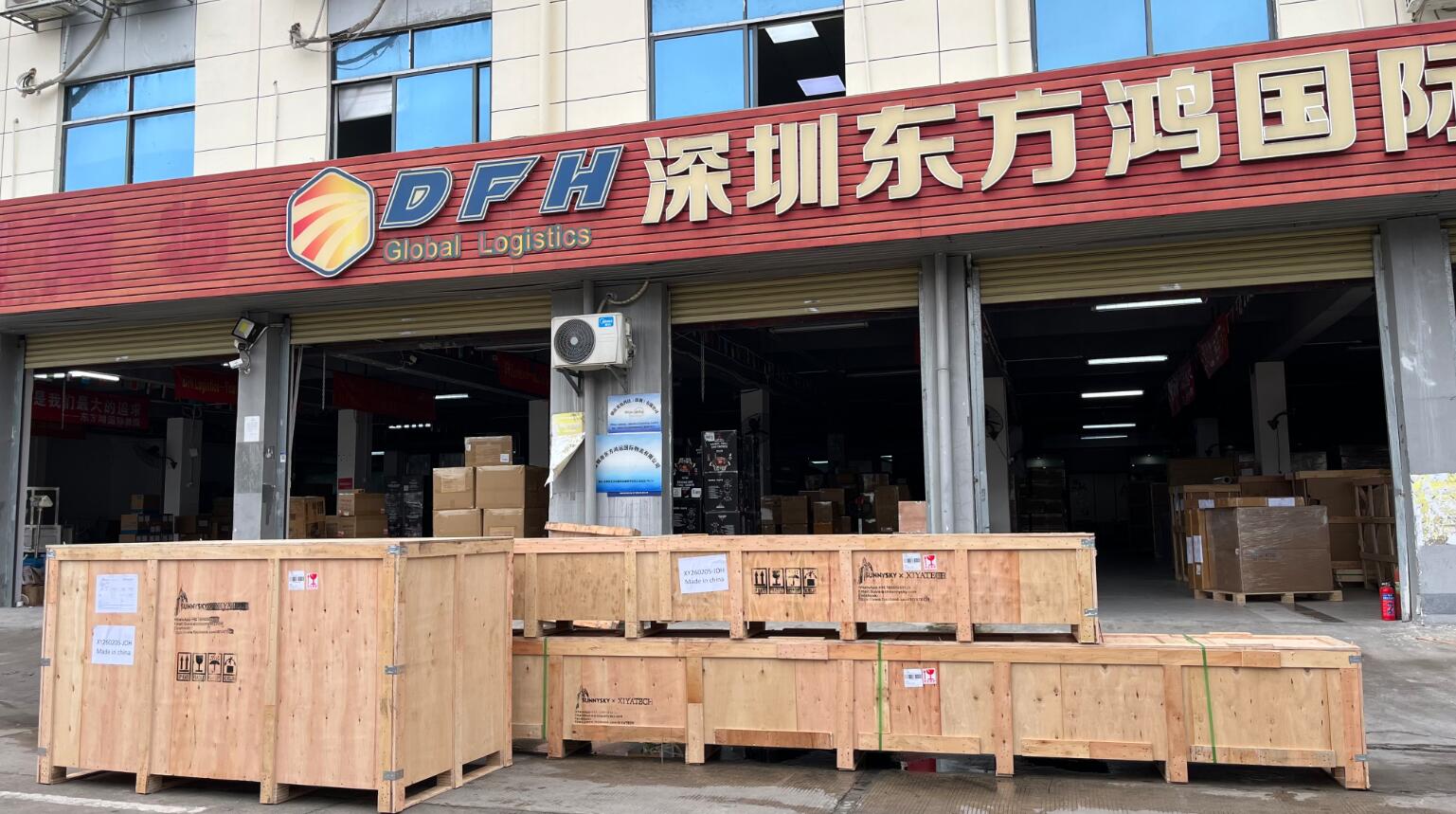
Yes, we have complete oversized cargo shipping plans available:
- Open Top Container, OT: Your cargo is lifted into place from above by the dock crane and covered with waterproof tarpaulins.
- Flat Rack Container, FR: Used for shipping heavy goods that are extremely wide and tall.
- Breakbulk Shipping: Applied when your goods’ weight exceeds the carrying capacity of the special container.
- Roll-on/Roll-off, RO-RO: Specifically for shipping large equipment and vehicles with wheels.
Can You Help Reduce My Shipping Costs from Shenzhen China?
Yes. As an experienced Shenzhen freight forwarder, DFH Logistics has several ways to help you save costs:
- We help you centrally send your goods from different suppliers to our warehouses located in Shenzhen. They will be combined into a single full-container-load (FCL). This avoids duplicate handling fees and achieves more favorable ocean freight rates.
- We have a repackaging service, which can highly improve the space utilization rate of containers, lowering your carrier’s charge.
- If you use FOB or EXW terms, DFH can fully control your shipment, preventing unexpected surcharges.
Shenzhen Freight Forwarder vs Shipping Line: What’s the Difference?
| Feature | Shenzhen Freight Forwarder | Shipping Line |
| Primary Role | Manages and coordinates the entire shipping process | Operates vessels and transports cargo by sea |
| Service Scope | End-to-end logistics solutions | Ocean transportation only |
| Carrier Options | Multiple shipping lines available | Only its own vessels and routes |
| Freight Rate Comparison | Can compare rates from different carriers | Limited to its own pricing |
| Door-to-Door Service | Yes | Usually No |
| Cargo Consolidation (LCL) | Yes | Limited or unavailable |
| Customs Clearance Support | Yes | Usually No |
| Warehouse Services | Yes | No |
| Supplier Coordination | Yes | No |
| Route Flexibility | High | Limited to existing routes |
| Problem Solving & Support | Dedicated logistics support | Limited customer service scope |
| Suitable For | Importers, wholesalers, retailers, e-commerce sellers | Large shippers with in-house logistics expertise |
In comparison, you can obviously find that a Shenzhen freight forwarder can offer greater flexibility, convenience, and supply chain support, especially when dealing with multiple suppliers, customs procedures, or door-to-door delivery requirements.
FCL vs LCL shipping from Shenzhen: What’s the Difference?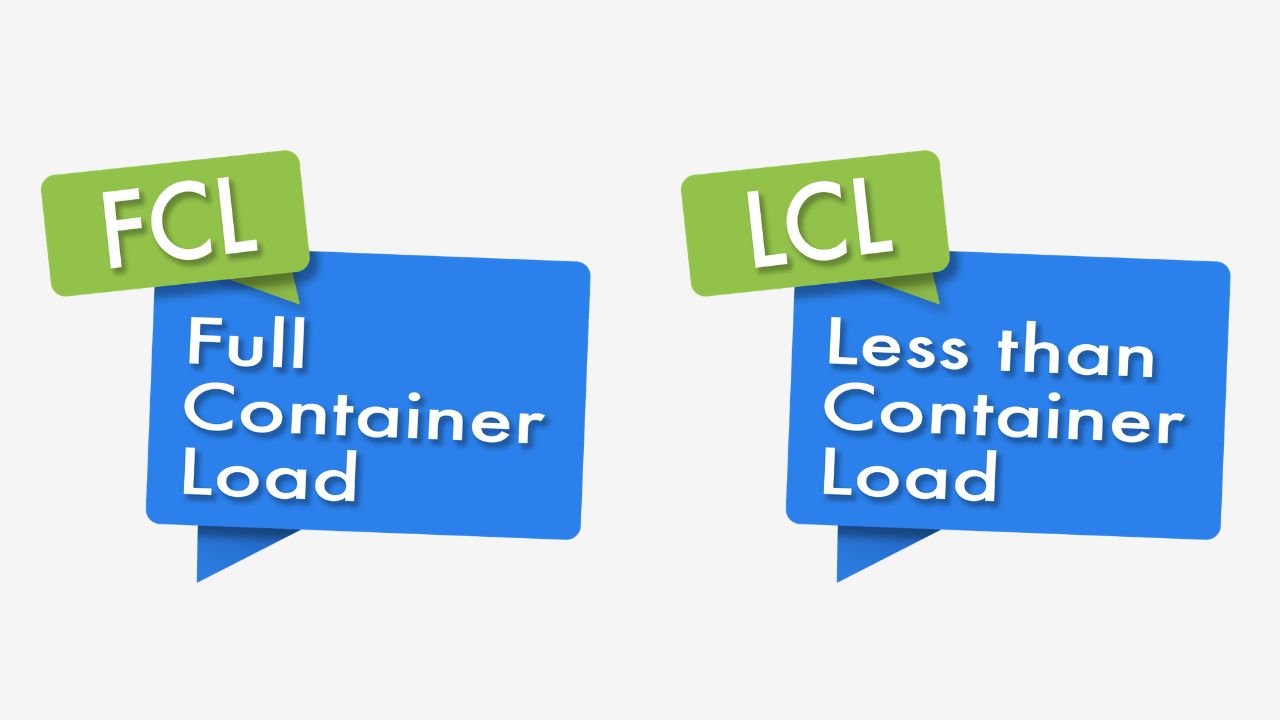
| Feature | FCL (Full Container Load) | LCL (Less than Container Load) |
| Definition | One shipper uses the entire container | Multiple shippers share one container |
| Cargo Volume | Large shipments | Small to medium shipments |
| Shipping Cost Structure | Fixed cost per container | Charged based on cargo volume (CBM) |
| Cost Efficiency | More economical for large shipments | More economical for smaller shipments |
| Transit Time | Faster | Slower due to consolidation and deconsolidation |
| Cargo Handling | Less handling | More handling during consolidation |
| Risk of Damage | Lower | Slightly higher due to shared cargo space |
| Risk of Delays | Lower | Higher because multiple shipments are involved |
| Customs Clearance | Simpler process | More complex due to consolidated cargo |
| Storage Requirements | Requires enough cargo to fill most of a container | No need to fill a container |
| Typical Users | Importers, wholesalers, manufacturers | SMEs, startups, Amazon sellers, small importers |
| Suitable Cargo Size | Usually 15+ CBM or enough to justify a container | Usually less than 15 CBM |
In short, FCL is suitable for large-volume shipments (15 CBM or more), offering faster transit times, lower operational risks, and greater cost efficiency. LCL is better for small-volume cargo, allowing businesses to share container space and reduce initial logistics costs.