
Affordable Sea Freight Shipping from China Worldwide
Reliable Ocean Freight Solutions for Amazon FBA, Importers, Retailers, and Businesses Worldwide.


Your Trusted Sea Freight Forwarder
DFH Logistics provides professional international ocean freight solutions for importers, manufacturers, and cross-border e-commerce sellers, transporting your goods safely and efficiently from China to destinations worldwide. Whether you need full container load (FCL) or less than container load (LCL) shipping, we offer flexible and reliable ocean freight services tailored to your cargo requirements. With our reliable shipping schedules, professional customs clearance support, and global door-to-door delivery network, we can help you reduce shipping costs and optimize your international supply chain. Contact us today for custom sea freight shipping.
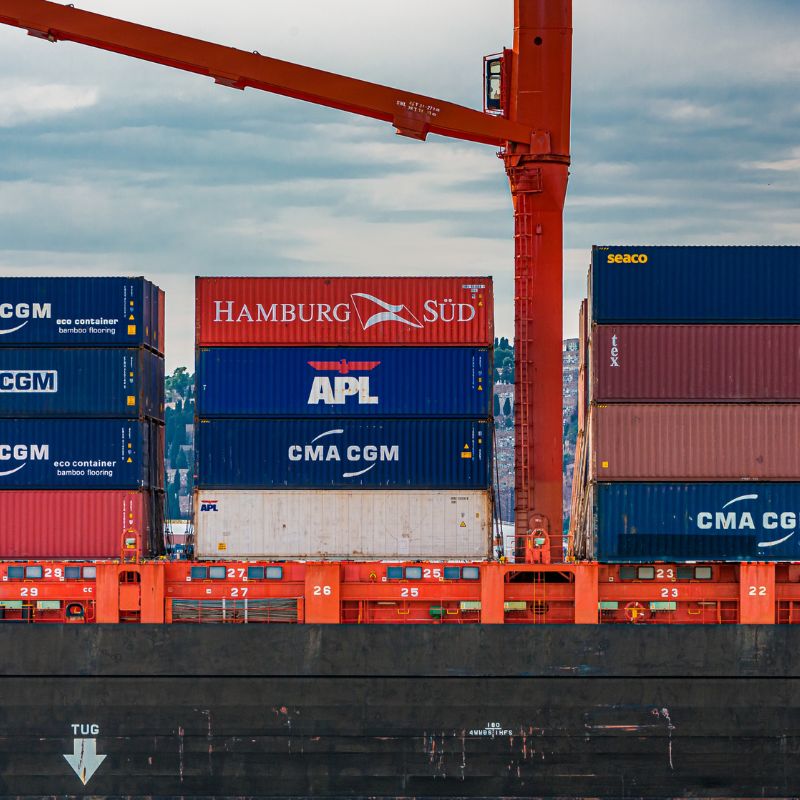
Designed specifically for high-volume freight transport, it offers safety and reliability, helping you reduce per-unit shipping costs and improve logistics efficiency.
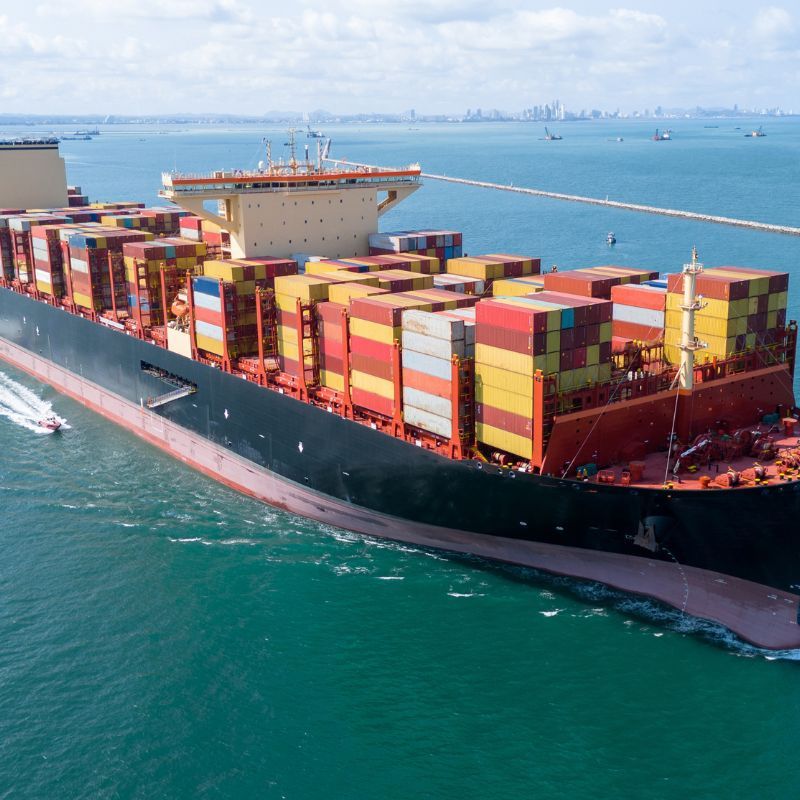
Flexible LCL shipping services are good for small- to medium-sized shipments, effectively reducing shipping costs and increasing shipping flexibility.
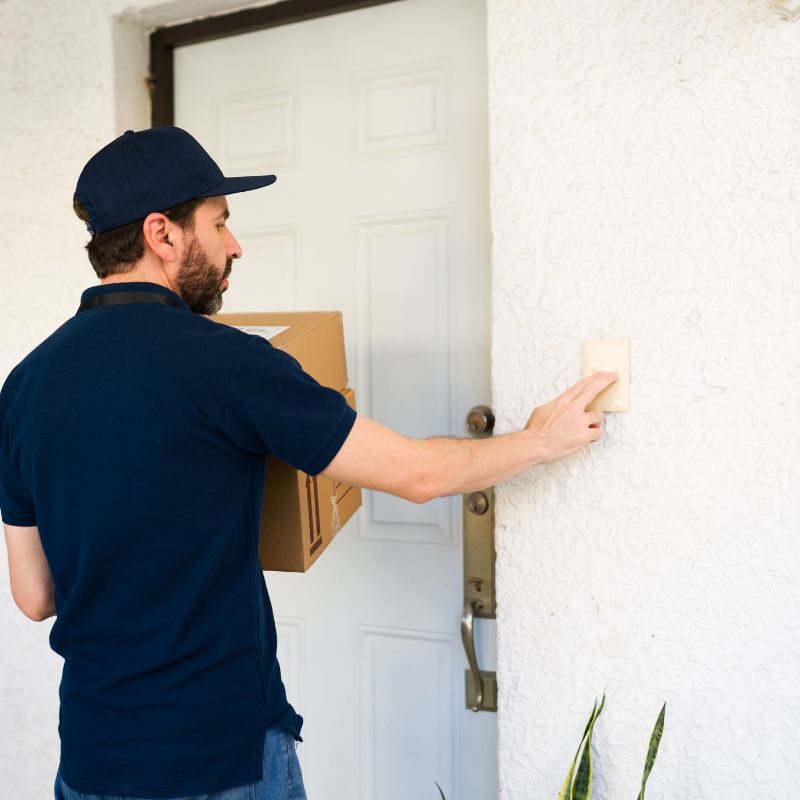
Our door-to-door ocean freight services, covering from pickup in China to final delivery at your destination, simplify your logistics operations and reduce coordination complexity.
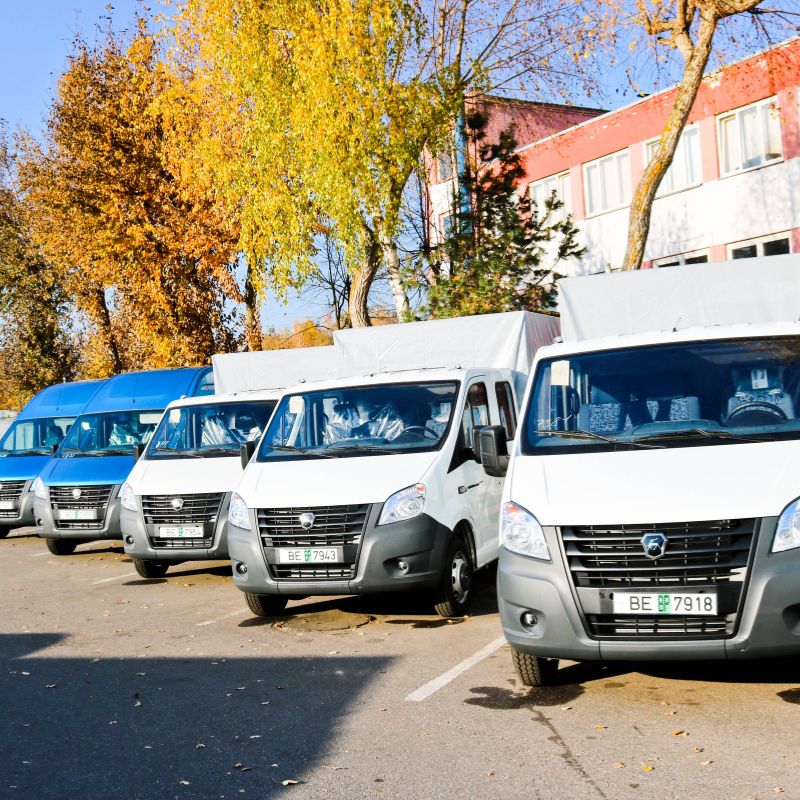
One-stop DDP ocean freight service that includes shipping, customs clearance, duties, and final delivery, eliminating the need for you to handle the import process separately.
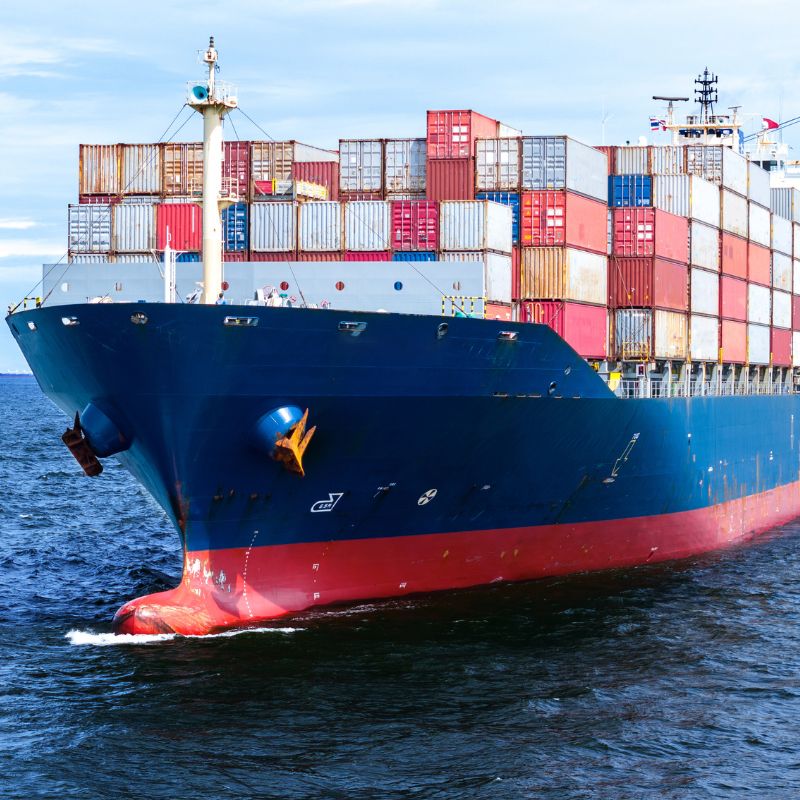
We support FBA warehouse fulfillment, Amazon warehouse appointments, label processing, and customs clearance services to help you reduce costs and achieve stable inventory levels.
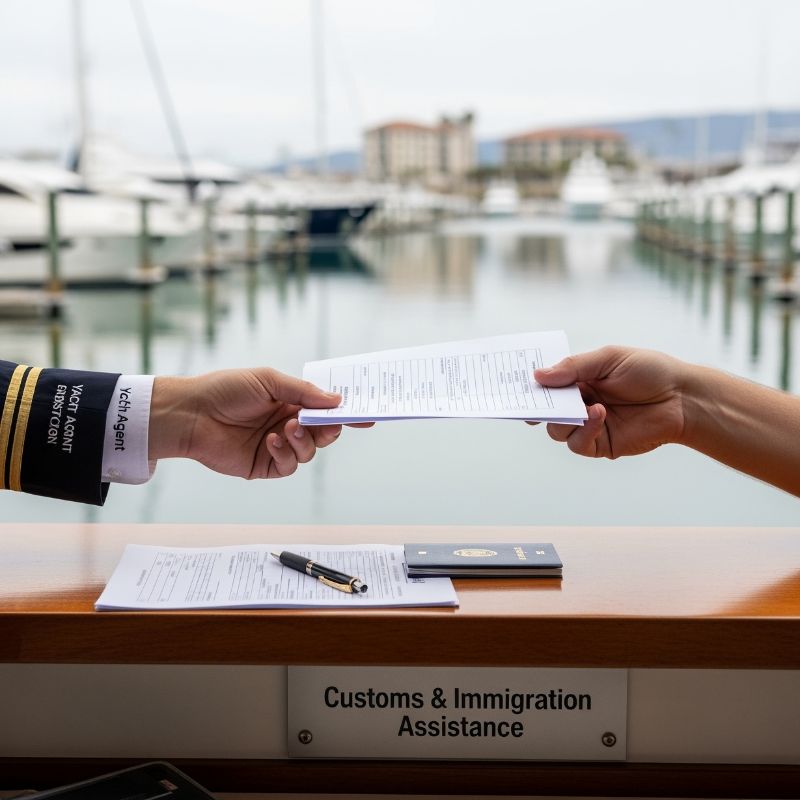
We will assist you in efficiently handling import and export documentation, customs declarations, and duty handling, thereby minimizing clearance delays and logistics risks.
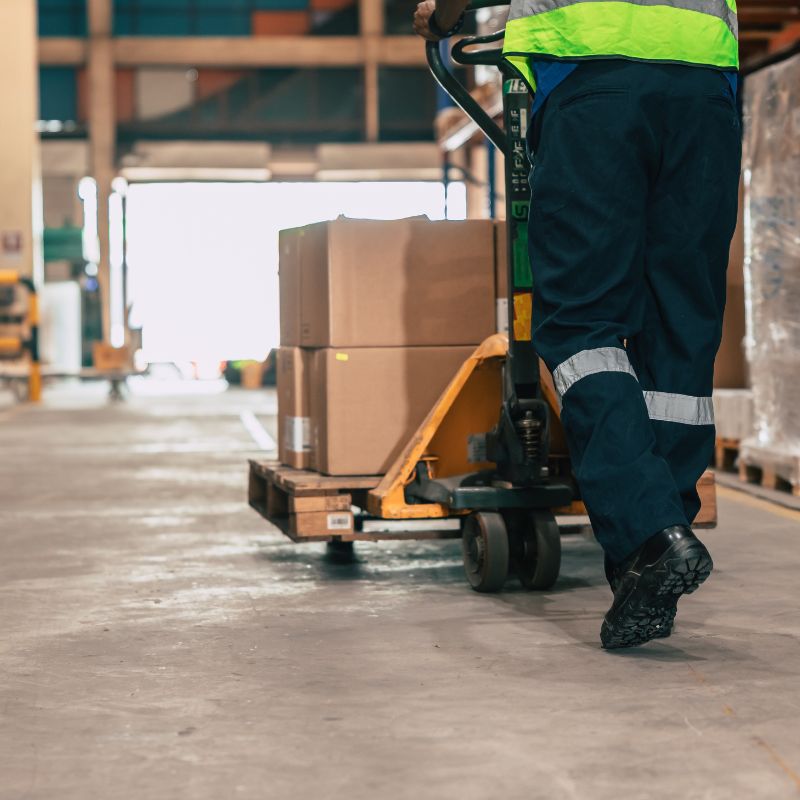
We offer warehousing, temporary storage, and consolidation services to help you consolidate multiple shipments and optimize your transportation plans.
Why Choose Our Sea Freight Services?
- 13+ years of international freight forwarding experience and 99% customer satisfaction.
- Extensive global port coverage with reliable door-to-door delivery services
- Flexible shipping solutions based on your transit time and budget requirements.
- Handling of bulk cargo, small shipments, and all types of packaged goods (cartons, wooden crates, and irregularly shaped items)
- Professional customs declaration and clearance support to streamline the import process
- End-to-end shipment tracking with real-time logistics updates
- 24/7 customer service support with prompt and efficient after-sales response
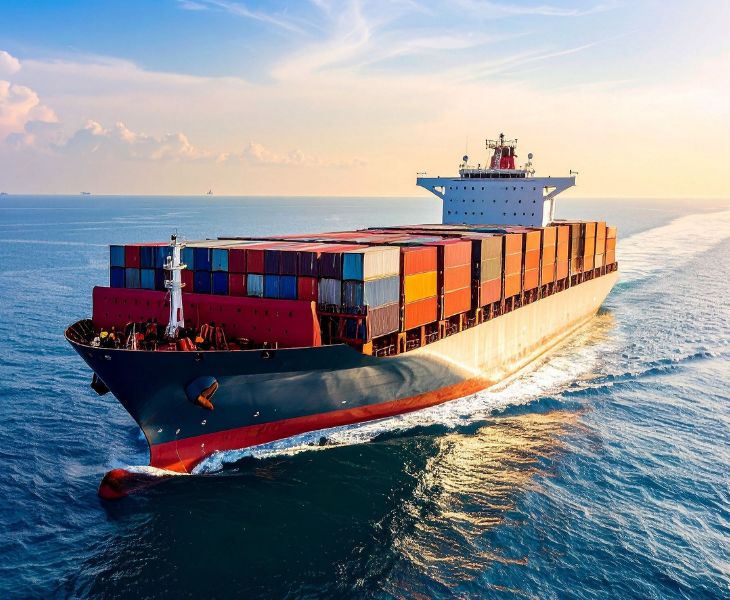
Major Seaports in China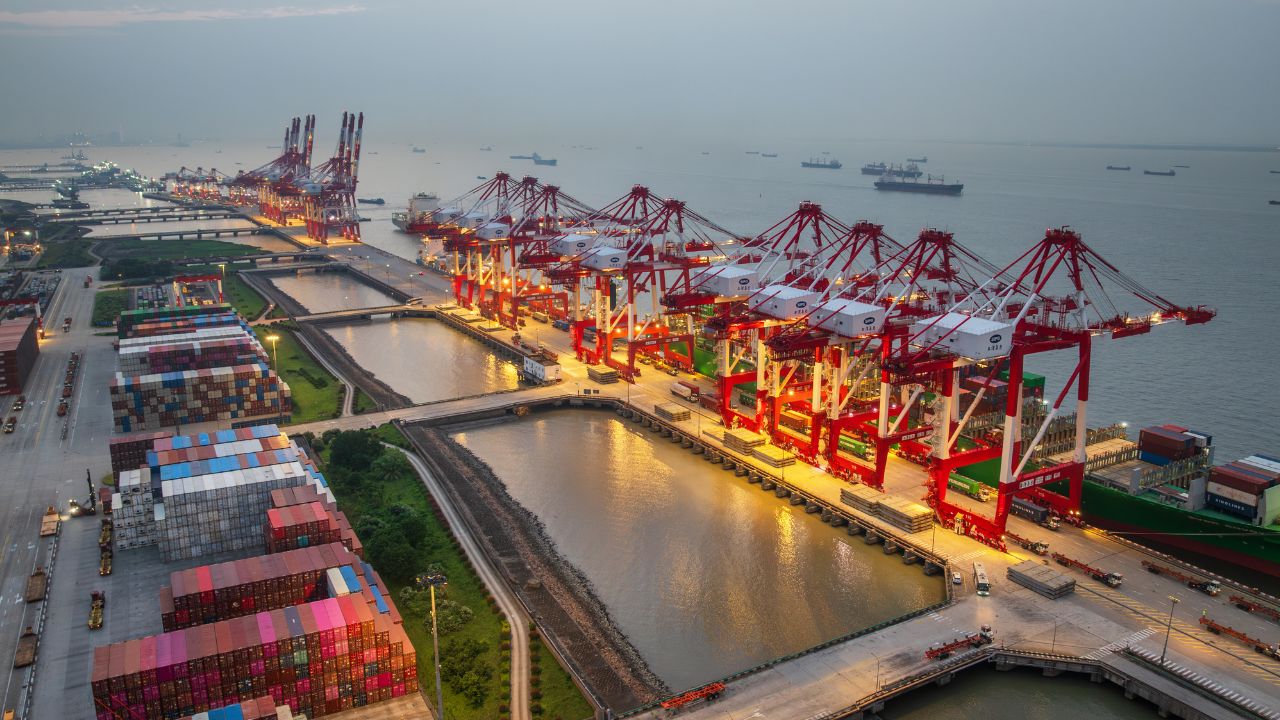
- Shanghai Port: Shanghai Port is China’s largest comprehensive international port, serving major trade routes to North America, Europe, the Middle East, and South America. You can use it to export a wide range of goods, including electronics and machinery.
- Ningbo-Zhoushan Port: If you are a manufacturer or foreign trade company in the Yangtze River Delta, Ningbo-Zhoushan Port is an excellent choice. It is suitable for exporting industrial goods, daily necessities, and cross-border e-commerce goods, and offers relatively competitive shipping costs.
- Qingdao Port: Qingdao Port is good for companies in northern China looking to export machinery, chemical products, and heavy industrial goods.
- Shenzhen Port: Shenzhen Port features multiple terminals, including Yantian and Shekou, and specializes in meeting fast-moving and high-volume export shipments. Its flexibility and efficiency allow you to export 3C products, consumer goods, and Amazon FBA shipments.
- Guangzhou Port: Guangzhou Port is a major comprehensive port in South China. With convenient consolidation and LCL services, it can meet your shipping needs for a wide range of goods. You can export goods such as apparel, furniture, and building materials.
- Hong Kong Port: Hong Kong Port boasts a highly developed global route network and a flexible operational system, making it suitable for high-value goods, electronics, and urgent shipping needs. You can achieve fast transit times and flexibility through Hong Kong Port.
- Tianjin Port: Ideal for industrial and manufacturing enterprises in the Beijing-Tianjin-Hebei region and surrounding areas, facilitating the export of machinery and equipment, automotive parts, and bulk cargo.
The Process of Shipping from China
Confirm Shipment Details and Transportation Plan
Before ocean freight, you need to confirm basic information such as the type of cargo, packaging method, weight and volume, origin, and destination. Based on your cargo volume, desired transit time, and budget, we will match you with the most suitable shipping solution and provide you with a corresponding quote and shipping recommendations.
Booking Space
Once the shipping plan is confirmed, we will book space with the carrier based on your shipment schedule and confirm the corresponding sailing dates, cargo cutoff dates, and warehouse arrangements. During peak seasons or on popular routes, you should book space in advance to avoid issues such as limited availability, rising freight rates, or shipment delays.
Pickup and Warehouse Receipt
Once your goods are ready, we can arrange for pickup at the factory, delivery to a warehouse, or consolidation from multiple suppliers, depending on your needs. If you choose LCL shipping, your goods will typically be sent to a designated warehouse for consolidation. For FCL shipping, we will arrange for a container to be delivered to the factory for loading to improve shipping efficiency and reduce operational risks.
Export Customs Clearance
Before the goods are officially shipped, export customs clearance procedures must be completed. You need to provide a commercial invoice, packing list, and relevant product documentation. We will inform you in advance of the required documents and assist you with the customs declaration.
You should verify that the customs declaration information is accurate to minimize the risk of inspections, delays, or additional fees, and make sure the smooth release of the goods for loading.
Ocean Freight 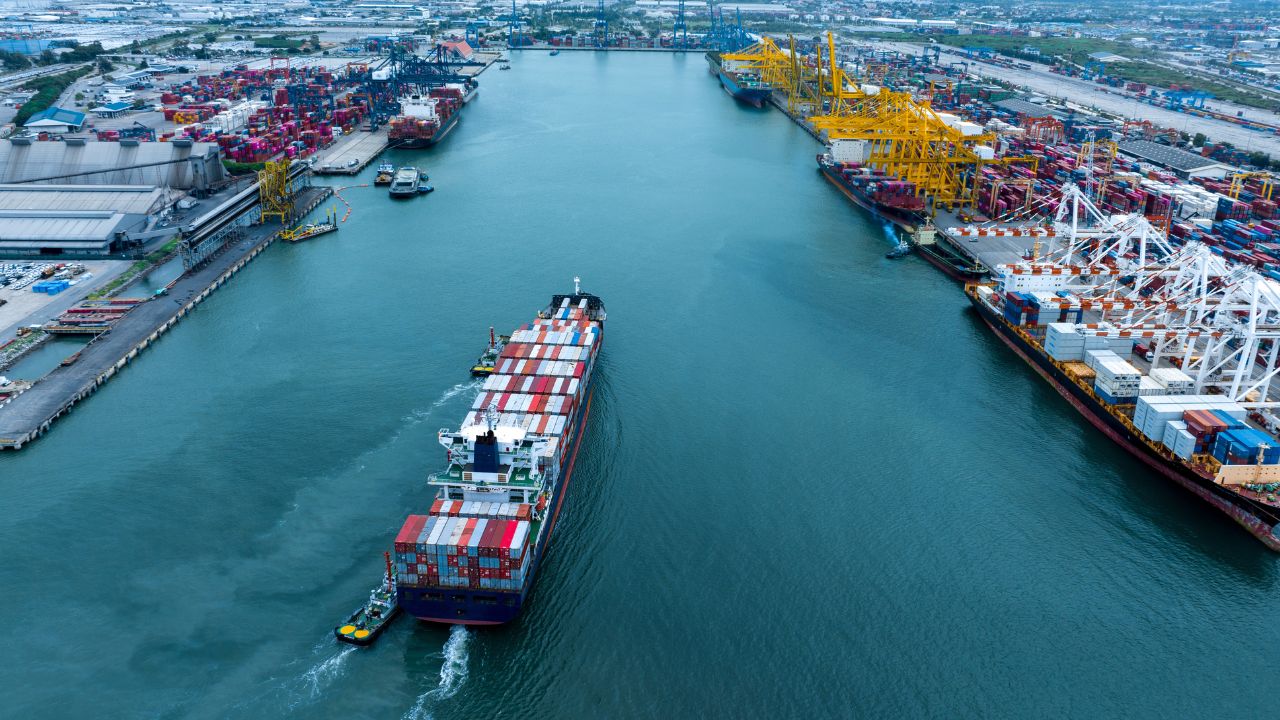
Once your cargo is loaded onto the vessel, it will be transported to the port of destination via the scheduled route. Transit times may vary depending on the route, port operations, and the shipping line’s schedule. During transit, you can use the logistics tracking system to monitor the status of your shipment in real time, making it easier to plan for subsequent customs clearance and delivery.
Customs Clearance at the Port of Destination
Once the goods arrive at the port of destination, they must undergo import customs clearance, payment of duties and taxes, and document review. Import requirements vary by country, so it is best to confirm the relevant policies in advance. If you choose the DDP service, we will assist you with the entire customs clearance process.
Container Pickup and Final Delivery
Once customs clearance is complete, container pickup, unloading, and truck delivery will be arranged based on the mode of transport. If you choose door-to-door service, your goods will be delivered directly to your warehouse, business address, or Amazon FBA fulfillment center, helping you reduce intermediate handling steps and improve overall logistics efficiency.
How Long Does Sea Freight Take?
Compared to air freight, sea freight takes longer. However, sea freight is very suitable for the international transport of large volumes of goods and offers lower shipping costs. Sea freight transit times are subject to variation depending on the port of origin, port of destination, shipping route, and seasonal factors, so they are not fixed. The following are estimated transit times for shipments from China to major countries and regions, which you may use as a reference.
| Transportation Routes | Shipping Days |
| From China to the United States | 20 to 35 Days |
| From China to Canada | 20 to 45 Days |
| From China to the UK | 35 to 55 Days |
| From China to European countries | 35 to 55 Days |
| From China to Singapore | 10 to 15 Days |
| From China to the Philippines | 10 to 18 Days |
| From China to Malaysia | 10 to 18 Days |
| From China to Thailand | 12 to 18 Days |
| From China to South Africa | 50 to 60 Days |
| From China to Australia | 30 to 45 Days |
The times listed above generally refer only to the duration of the sea voyage and do not include steps such as pickup, warehousing, customs declaration, customs clearance, and final delivery. If you choose door-to-door or DDP services, the total transit time will be extended by the time required for port operations and last-mile delivery at the destination. For a more accurate estimate, please contact our customer service team and provide your shipment details and transportation requirements.
FCL vs LCL: Which One Should You Choose? 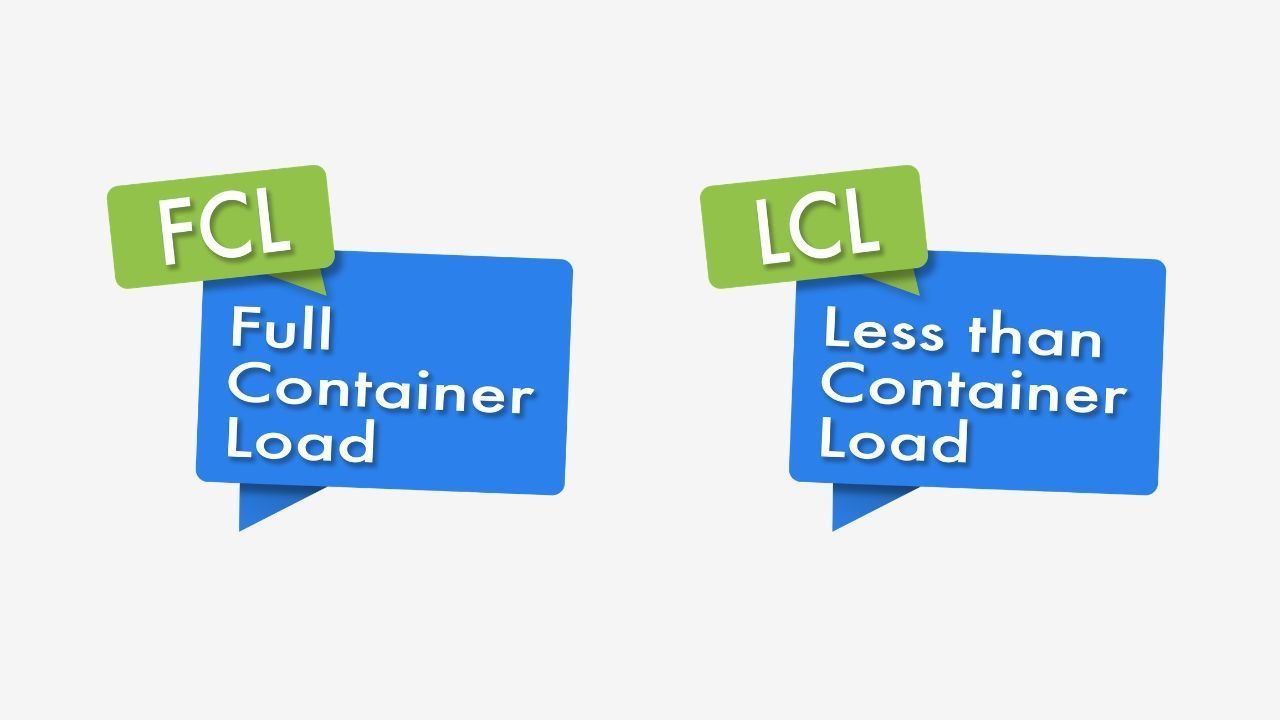
- Full Container Load(FCL): FCL refers to a situation where your cargo occupies an entire container and does not share space with other customers’ cargo. Common container types include 20-foot GP, 40-foot GP, and 40-foot HQ. If you have a large volume of cargo or prefer a more stable and secure shipping process, FCL is typically the better choice. Full container load shipments involve fewer handling operations, resulting in lower transit risks, and generally offer more consistent transit times.
- Less than Container Load(LCL): If your shipment is too small to fill an entire container, you can opt for LCL to share a container with other customers’ cargo. LCL shipping is billed based on actual volume or weight and is generally more cost-effective. However, because LCL involves consolidation, deconsolidation, and handling cargo from multiple customers, the overall transit time is typically slightly longer than for FCL.
For long-term importers, manufacturers, or customers shipping during peak seasons, full container load (FCL) shipping offers better control over transit times and logistics risks. If you have smaller shipment volumes and wish to reduce upfront logistics costs, less than container load (LCL) shipping is a better option. This is particularly true for cross-border e-commerce sellers, buyers of small batches, or those in the trial order phase, as LCL shipping allows you to complete international shipments at a lower cost.
What Documents Are Required for Sea Freight?
- Commercial Invoice: Customs authorities typically calculate import duties and taxes based on the commercial invoice you provide. Therefore, you should accurately fill in the product details, including shipper and consignee information, product name and quantity, unit price and total amount, terms of trade, and country of origin.
- Packing List: This document details the packaging and loading of the goods, facilitating verification by customs, warehouses, and the consignee. If you choose less-than-container load (LCL) shipping, the packing list is very important.
- Bill of Lading: Issued by the shipping line or us, this document serves as proof that the goods have been loaded onto the vessel. The Bill of Lading serves as the official shipping document and is required for cargo release at the destination in many countries.
- Customs Declaration Documents: When filing an export customs declaration, you must submit the appropriate documents based on the type of goods. Inaccurate declaration information may result in customs inspections, delays, or additional fees.
- Certificate of Origin: Some countries may require a Certificate of Origin upon import to confirm the country of origin of the goods, which may affect tariff policies.
- Other Documents: Certain products or countries may have stricter documentation requirements. You may also need to provide: MSDS, product certifications such as CE or FDA, and documentation related to batteries or hazardous materials.
Ocean Freight vs Air Freight
The choice between ocean freight and air freight depends on your cargo type, shipping budget, delivery time requirements, and overall supply chain arrangements.
- Sea Freight: If you have a large volume of cargo or are more focused on controlling shipping costs, sea freight is typically the more cost-effective option. It is particularly effective for reducing unit logistics costs in scenarios such as shipping furniture, building materials, machinery and equipment, industrial products, and cross-border e-commerce restocking. However, compared to air freight, sea freight generally takes longer. You will need to plan your shipping schedule and inventory arrangements well in advance.
- Air Freight: Air freight generally offers significantly faster transit times than ocean freight. If your shipment has tight deadlines—such as urgent restocking, sample shipments, or high-value goods—air freight is typically the better choice. For electronics, fashion items, or urgent orders during peak seasons, air freight can help you complete deliveries more quickly. However, due to the higher costs associated with air transport, it is generally not suitable for large volumes or low-value goods.
Advantages of Sea Freight
- Lower Shipping Costs: Compared to air freight, ocean freight offers greater cost advantages for large, high-volume cargo. As a result, it is better suited for high-volume, long-term, and stable shipping needs, helping you better control logistics costs and improve supply chain efficiency.
- Better Suited for High-Volume Cargo: Whether you are shipping full container loads, large equipment, or multiple orders in batches, ocean freight offers greater capacity. Compared to the weight and size restrictions of air freight, ocean freight is better suited for the transport of bulk goods such as furniture, machinery, construction materials, and industrial products.
- Coverage of Major Global Ports and Markets: Ocean freight routes cover most countries and major ports worldwide, meeting your international shipping needs of different markets. Through our established global logistics network, we can help you transport your goods more efficiently to warehouses, business addresses, or FBA fulfillment centers.
How Is Sea Freight Cost Calculated? 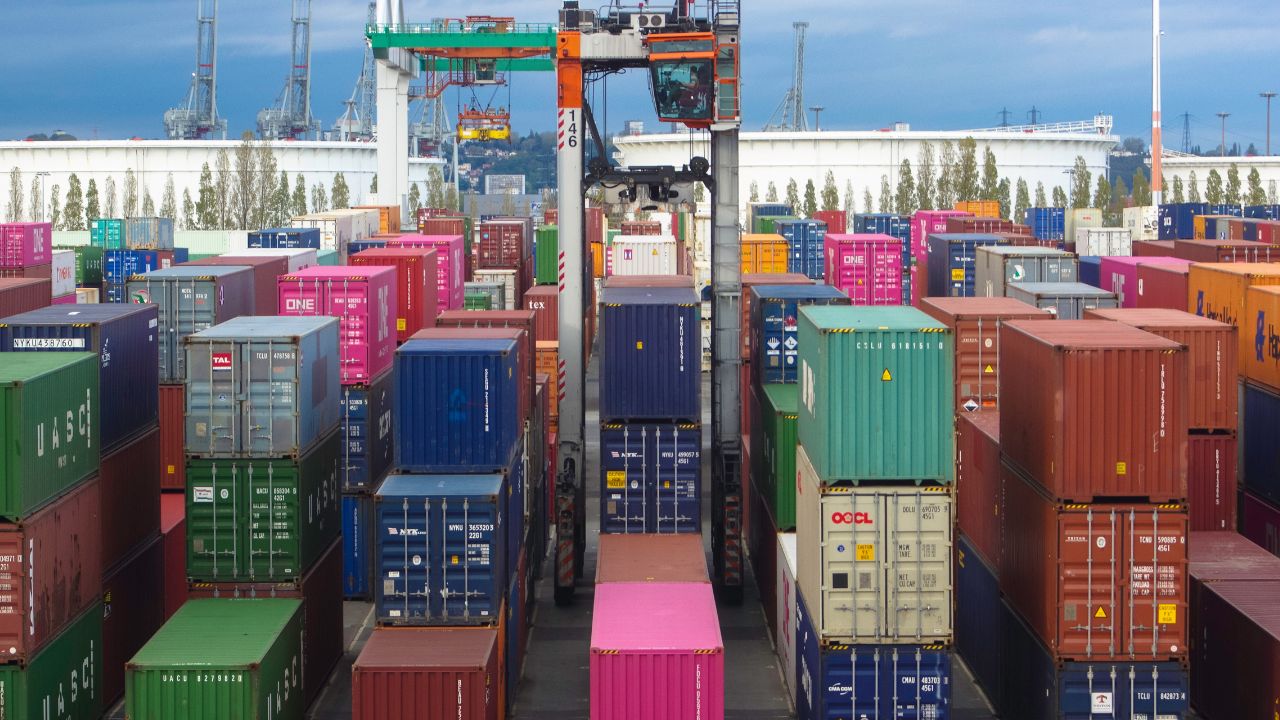
Cargo Volume and Weight
For LCL shipments, charges are typically calculated based on cargo volume (CBM), while weight may also affect pricing for heavy cargo. The larger the cargo volume, the more space it occupies, and the higher the overall shipping costs will be.
Port of Departure and Port of Destination
Shipping rates can vary depending on the country, port, and route. For example, rates on popular routes to the United States and Europe tend to fluctuate considerably. Rates are typically higher for remote countries or smaller ports. If your supplier is located near a major port, this can often help reduce inland transportation costs.
Transportation Methods and Service Coverage
The costs for port-to-port, door-to-door, and DDP shipping vary. If you choose door-to-door or DDP service, the cost typically includes pickup fees, export customs clearance, import customs clearance, taxes, and final delivery fees.
Type of Goods
The cost of shipping general cargo is typically lower. Electrical appliances, liquids, or sensitive goods may incur additional charges. Oversized or overweight shipments may require special containers or incur additional handling fees.
Peak Season and Market Factors
During peak season, freight rates, surcharges, and space costs typically rise. Therefore, it is recommended that you arrange bookings and shipping schedules in advance.
Common Problems in Sea Freight Shipping
- Shipment Delays: Port congestion, limited capacity during peak seasons, adverse weather, or route adjustments can all lead to delays in ocean freight transit times. You can minimize the risk of delays by booking space in advance and allowing for a reasonable lead time.
- Customs Clearance Issues: Incomplete documentation, incorrect declaration information, or products that do not meet import requirements can all affect customs clearance efficiency. Therefore, it is best to verify product details and import policies in advance.
- Damage to Goods or Packaging Issues: Non-standard packaging, improper container loading, or multiple transshipments can all increase the risk of cargo damage. For fragile, oversized, or heavy goods, we recommend reinforcing the packaging in advance.
- Space Shortages During Peak Seasons: During holidays or peak seasons for cross-border e-commerce, popular shipping routes may experience capacity shortages, price hikes, or booking delays. Arranging shipments in advance is generally more effective for managing costs and delivery times.
Can Sea Freight Handle Oversized or Heavy Cargo?
Yes. Compared to the weight and size restrictions of air freight, ocean freight offers greater cargo capacity and more flexible shipping options. So it is widely used for the transport of industrial equipment, machinery, engineering projects, and large commercial cargo. For manufacturing companies, engineering firms, or large-scale buyers, ocean freight typically provides a more reliable solution for international shipping of large cargo while keeping transportation costs under control.
What Types of Goods Are Suitable for Shipping by Sea?
Sea freight is suitable for most international trade goods, particularly for high-volume, heavy, bulky, or cost-sensitive shipments. You can use it for international procurement, manufacturing exports, and cross-border e-commerce logistics.
- Industrial Equipment and Machinery: Machinery, industrial components, and production equipment are typically heavy and incur high shipping costs, so they are ideal for transport by sea.
- Furniture and Building Materials: Products such as furniture, tiles, flooring, bathroom fixtures, and building materials are typically bulky and take up a significant amount of shipping space; shipping by sea can effectively reduce overall logistics costs.
- Electronics and Consumer Goods: For cross-border e-commerce sellers or long-term importers, ocean freight is better suited for large-volume restocking and inventory transportation needs.