
Hassle-Free FCL Shipping from China
Reliable full container shipping services for high-volume sellers, online retailers, and fast-growing global brands.


Your Trusted FCL Logistics Partner
DFH Logistics provides efficient FCL shipping services from China for importers, manufacturers, and trading companies worldwide. With reliable shipping resources, transparent logistics processes, and professional customer support, we offer end-to-end logistics services—including booking, customs clearance, cargo tracking, and final delivery—to help businesses mitigate transportation risks and optimize supply chain management. Whether for bulk cargo exports, long-term procurement, or cross-border e-commerce restocking, DFH Logistics makes sure your goods are transported safely and efficiently to major ports worldwide. Contact DFH Logistics today for customized container shipping solutions and competitive freight rates from China.
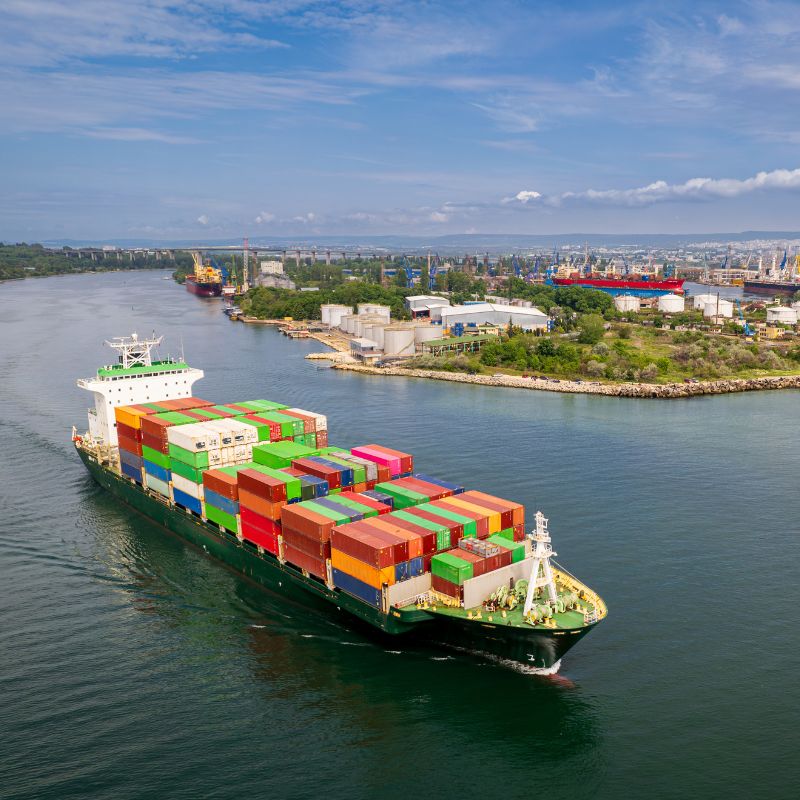
We serve major ports worldwide, provide FCL shipping for 20GP, 40GP, and 40HQ containers, and offer reliable schedules and competitive ocean freight rates.
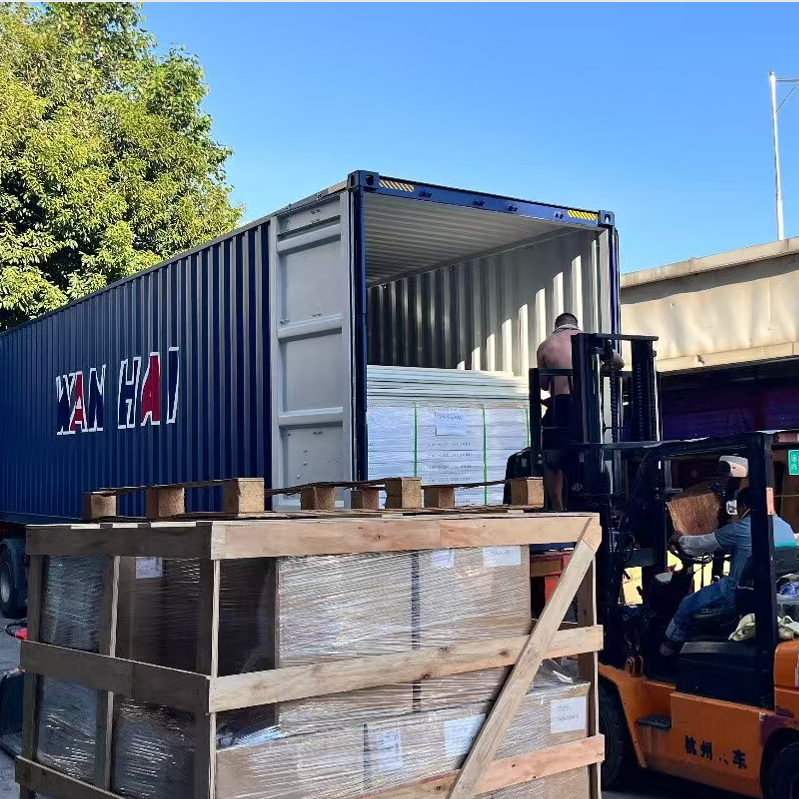
We offer one-stop FCL services, covering pickup in China, export customs clearance, ocean freight, destination customs clearance, and final delivery , making your shipping hassle-free and efficient.
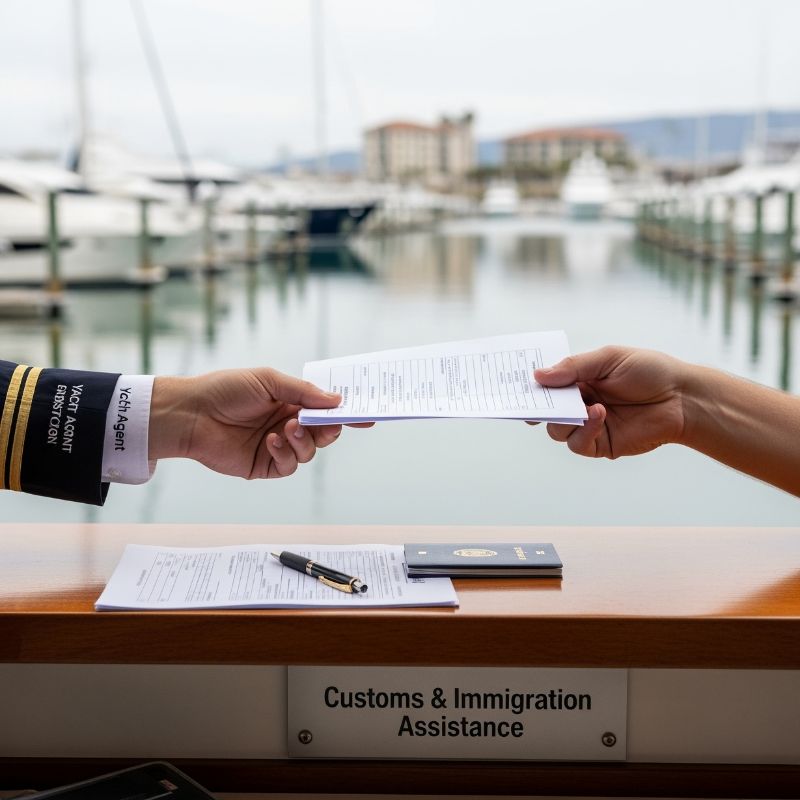
Professional customs clearance support, including assistance with document review, customs declarations, and compliance procedures, to minimize clearance delays.
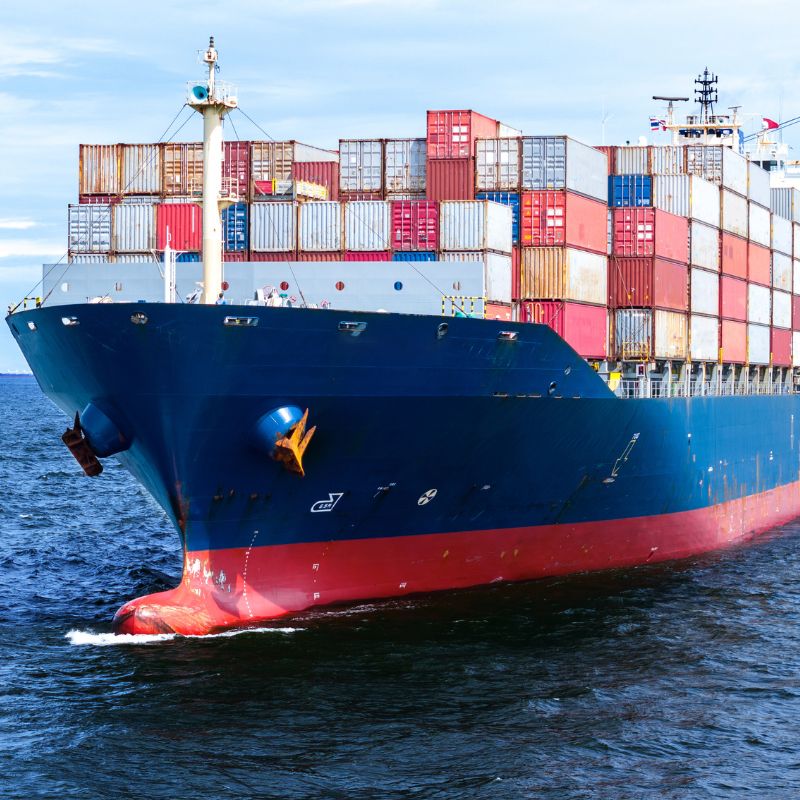
Professional FCL shipping solutions for Amazon sellers, supporting FBA warehouse delivery, FBA appointment scheduling, and cross-border logistics management to help sellers restock efficiently.
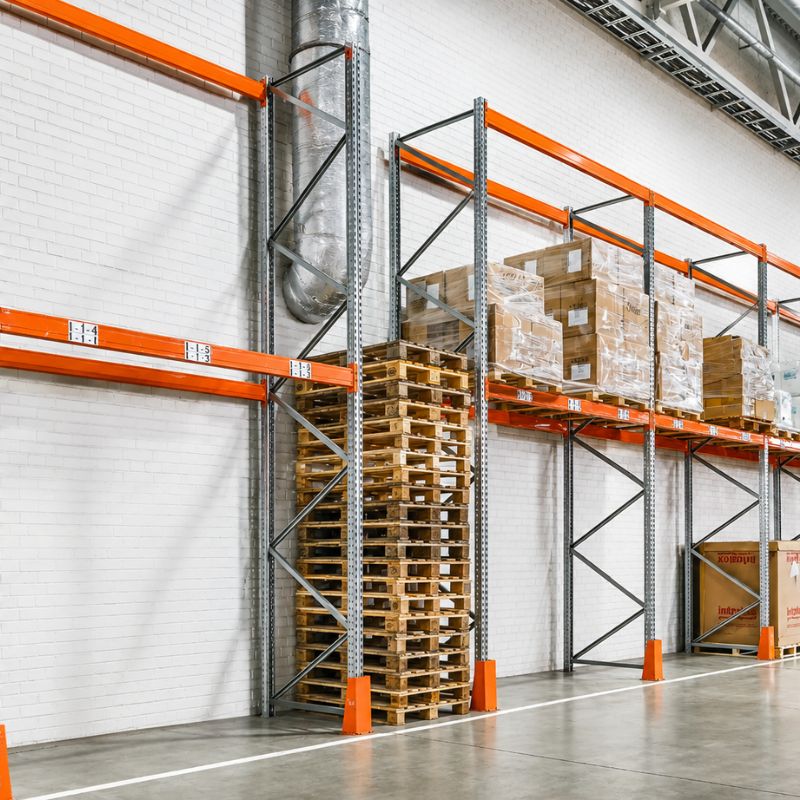
We provide warehousing, consolidation, and container loading services to help you optimize shipping schedules, improve container loading efficiency, and reduce overall logistics costs.
Why Choose DFH Logistics FCL Shipping?
- Long-term cooperation with major shipping lines for stable schedules & sufficient space
- Services across 100+ countries and major ports, door-to-door delivery available in most regions
- 13 years of full container shipping experience with a 99% customer satisfaction rate
- 24/7 support & dedicated account managers for real-time tracking and quick response
- Various container types including 20GP, 40GP, 40HQ and special containers for different cargo needs

When Should You Choose FCL Shipping Instead of LCL? 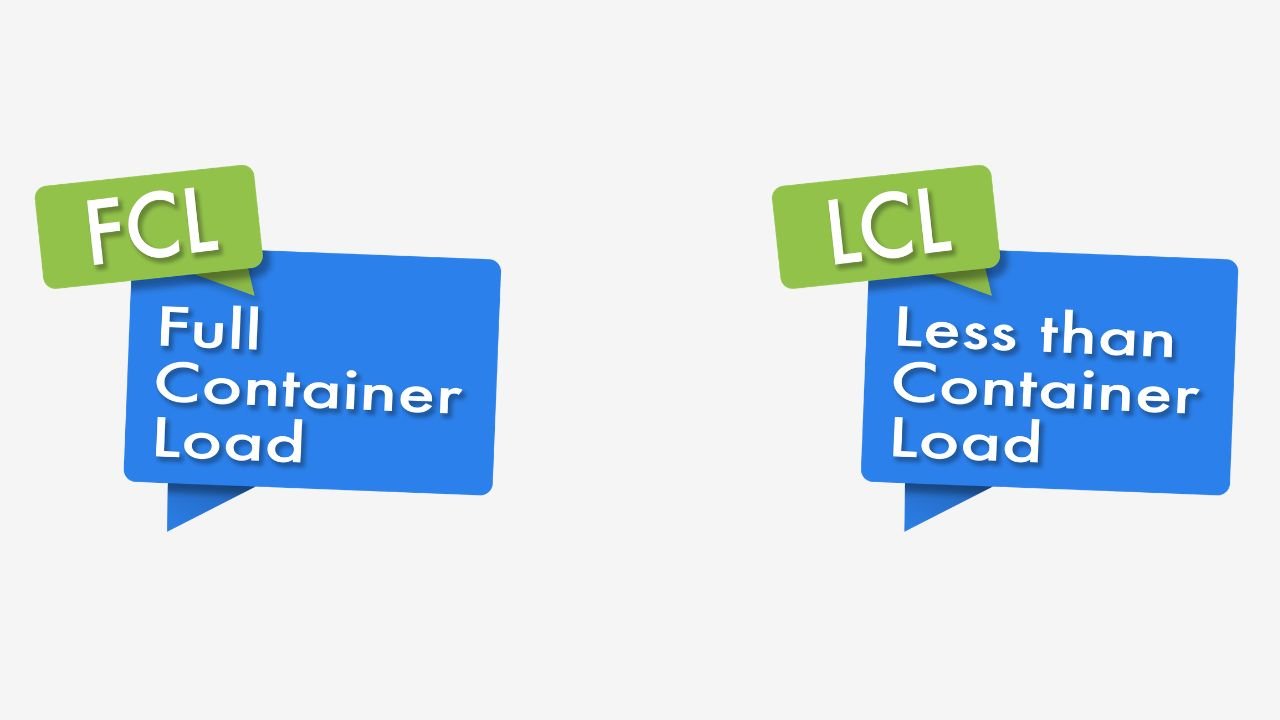
- Large Shipments: If your cargo volume is close to or exceeds the capacity of a single container, FCL is typically the better choice for you.
- Regular Shipments: FCL shipments have clearer schedules and simpler processes, allowing you to plan your inventory and sales cycles more accurately. This is suitable for trading companies with fixed shipping schedules and long-term purchasing clients.
- Shipping High-Value Goods: FCL means your cargo occupies an entire container, eliminating the need to share space with other shippers. This reduces the risk of delays and cargo damage caused by transshipment and handling. If you are shipping high-value, fragile, or bulky goods, FCL is also a safer option.
- High Timeliness and Reliability Requirements: FCL eliminates multiple handling steps, giving you greater control over your cargo during transit and making it ideal for supply chain scenarios where risk mitigation is a priority. Therefore, if you prioritize transportation stability and predictable delivery times, FCL is the more reliable choice.
Can Mixed Cargo be Loaded into a Single FCL Container?
Yes. You can load goods of different types, specifications, or even from different suppliers into the same container. If you have multiple product SKUs or need to ship goods from different factories together, we can assist with consolidated warehousing and full container loading, allowing your goods to be shipped in a single FCL container. This approach not only preserves the benefits of full container shipping but also helps improve loading efficiency and reduce the costs associated with multiple shipments.
However, your goods should be destined for the same consignee, comply with customs declaration requirements, and be properly organized and secured before loading.
How to Book FCL Container Shipping from China?
- Develop a Transportation Plan: You need to provide us with details such as the type of goods, volume (CBM), weight, packaging method, destination port/country, and estimated shipment date. Based on your requirements, we will help you find the most suitable shipping solution and provide a clear quote. If you have multiple suppliers or different types of goods, we can also help you determine whether a full container load (FCL) consolidation is appropriate.
- Booking Space: Once you confirm your plan, we will immediately book space with the shipping line or our partner carriers. We will secure your space and schedule for you. If you are shipping during peak season, we recommend booking well in advance to avoid the risk of container shortages or delays.
- Arranging Pickup and Warehousing: Depending on your shipping method, we offer services such as factory pickup, delivery to a designated warehouse, and consolidation of goods from multiple suppliers. If you have multiple sources of supply, we provide 15 days free warehousing. You can consolidate your inventory in our warehouse before consolidating it into a single container to improve loading efficiency.
- Container Loading: Before loading the container, we will optimize space utilization and plan the loading sequence based on the nature of your cargo, and secure and protect your goods. We also provide photo or video documentation of the loading process to make sure your cargo remains safe and secure throughout transit.
- Export Customs Clearance and Document Processing: We will confirm in advance the required documents, such as commercial invoices, packing lists, and customs declaration forms, which you will need to prepare beforehand. We will assist you with the entire export customs clearance process to make sure that your goods meet export requirements and are released smoothly.
- Ocean Freight: Once your cargo is loaded onto the vessel, it will begin its journey according to the shipping plan. You can receive real-time updates on the shipment’s status, including vessel schedule updates, estimated time of arrival (ETA), and transshipment information. We will continuously monitor the shipment for any issues that may arise during transit.
- Customs Clearance and Final Delivery: Once your goods arrive at the port, we can assist with import customs clearance, tax and document processing, and port pickup arrangements. If you have selected our door-to-door service, we will deliver your goods to your warehouse or designated address.
How Much Does FCL Shipping Cost from China? 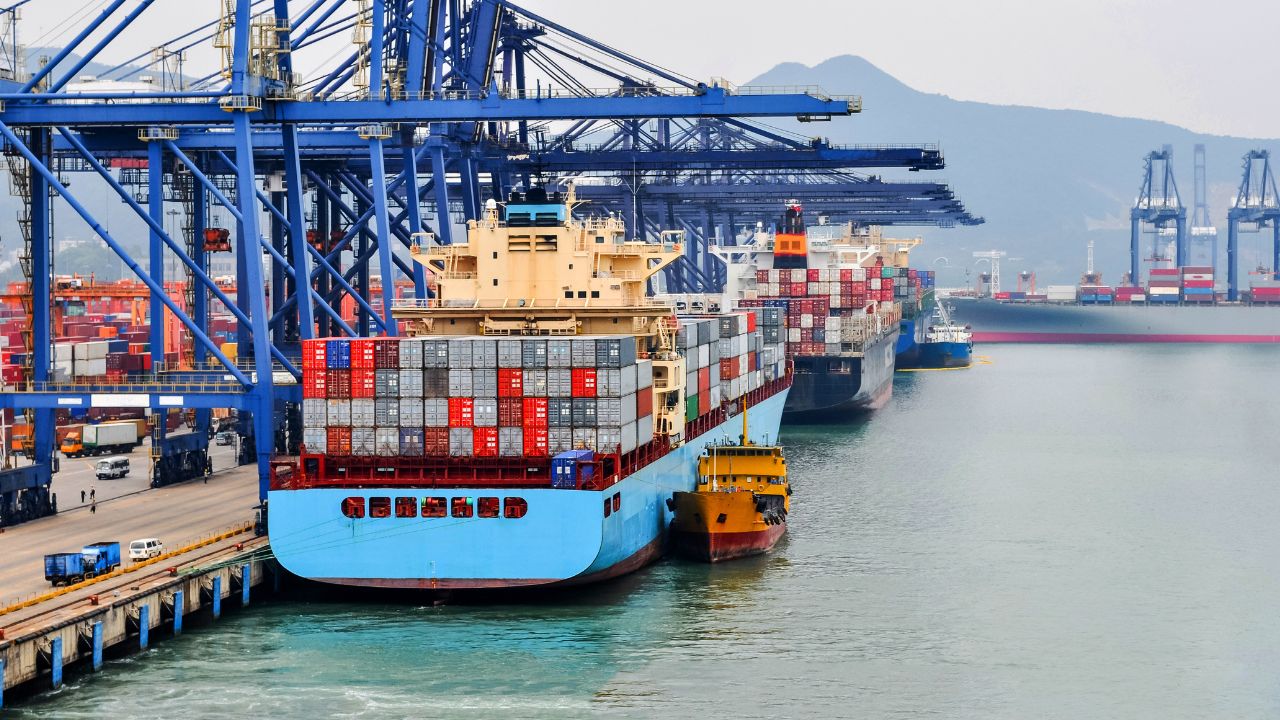
The cost of FCL shipping from China is not fixed, as the final price is directly influenced by factors such as the shipping route, container type, peak shipping seasons, and the port of destination. For most importers, FCL costs typically consist of ocean freight, local charges, and port charges at the destination.
Below are reference rates for FCL shipping on major routes. These rates are based on standard carton packaging for general merchandise in May 2026. If your products contain batteries, bear a brand name, or have non-standard packaging, the rates may vary. Please provide your shipment details to our customer service team to obtain an accurate quote.
| Transportation Routes | Container Types | Suggested Price |
| From China to the United States | 20GP | USD1500-3000 |
| 40GP | USD 2500-4200 | |
| 40HQ | USD 2700-4500 | |
| From China to the UK | 20GP | USD 1400-2800 |
| 40GP | USD 2400–4200 | |
| 40HQ | USD 2600–4500 | |
| From China to Singapore | 20GP | USD 600-1500 |
| 40GP | USD 1200-2200 | |
| 40HQ | USD 1300-2400 | |
| From China to Canada | 20GP | USD 1800–3200 |
| 40GP | USD 2800–4800 | |
| 40HQ | USD 3000–5000 | |
| From China to Australia | 20GP | USD 1000–2200 |
| 40GP | USD 1800–3500 | |
| 40HQ | USD 2000–3800 |
How Long Does FCL Shipping from China Take?
Transit times for FCL shipping from China primarily depend on the destination port, vessel schedules, customs clearance efficiency, and whether door-to-door delivery is required. Generally speaking, the process for FCL shipping is simpler than that for LCL shipping, resulting in more consistent and predictable transit times.
The following are the estimated transit times for the main shipping routes. Please use this information as a reference. If you choose door-to-door FCL shipping, additional time will be required for pickup and final delivery, so the total transit time will be longer.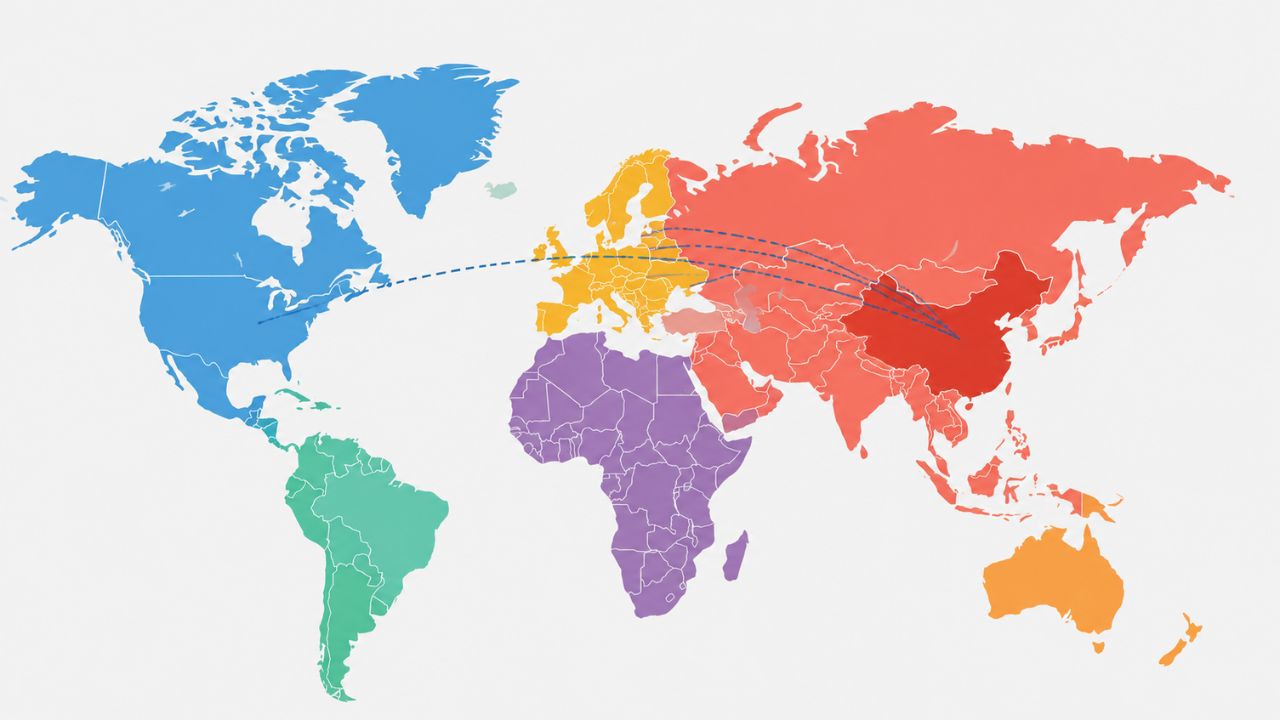
| Transportation Routes | Shipping Days |
| From China to the United States | 20 to 35 Days |
| From China to Canada | 20 to 45 Days |
| From China to the UK | 35 to 55 Days |
| From China to European countries | 35 to 55 Days |
| From China to Singapore | 10 to 15 Days |
| From China to the Philippines | 10 to 18 Days |
| From China to Malaysia | 10 to 18 Days |
| From China to Thailand | 12 to 18 Days |
| From China to South Africa | 50 to 60 Days |
| From China to Australia | 30 to 45 Days |
How to Prevent Cargo Issues in FCL Shipping?
- Packaging Reinforcement: You need to protect your goods against moisture, shock, and compression to make sure the packaging is suitable for long-distance ocean transport. For heavy or fragile items, we recommend securing them with pallets and stretch wrap to prevent shifting or damage during transit.
- Optimal Container Loading: We will optimize space utilization and proper weight distribution based on your cargo type and packaging to prevent items from tilting or being crushed.
- Verify Customs Documents: Many FCL delays stem from document errors, such as discrepancies in the description of goods, incorrect HS codes, or inconsistencies in the declaration information. You need to make sure that the invoice, packing list, and declaration information are consistent to avoid customs inspections or delays in clearance.
- Book Space in Advance: During peak seasons (such as Black Friday, the run-up to Christmas, and the period leading up to the Chinese New Year), limited capacity may result in container rollovers or shipment delays. We recommend booking your space in advance to secure a reliable sailing schedule and minimize uncertainty.
- Purchasing Cargo Insurance: Even though FCL shipping is generally safe, we still recommend that you purchase cargo insurance for high-value goods. Cargo insurance covers potential damage, loss, or unforeseen risks that may occur during transit, providing additional protection for your supply chain. We can assist you in purchasing this insurance and offer significant discounts.
- Choose a Reliable FCL Freight Forwarder: As an experienced FCL freight forwarder, we can assist you with every step of the process—from booking space and loading containers to customs clearance and shipment tracking. This not only improves your shipping efficiency but also minimizes risks.
What If My FCL Cargo is Delayed or Detained?
- Delays are typically caused by schedule adjustments, port congestion, or tight capacity during peak seasons. This may result in extended delivery times without affecting the actual transportation process of the goods. We will update you on the latest schedule information as soon as possible and assist you in adjusting your delivery or inventory plans to make sure that your supply chain remains uninterrupted.
- If customs inspections occur, they are usually due to the need for further verification of documents, HS codes, or declaration information. We will assist you in quickly preparing and submitting the required documents (such as invoices, packing lists, or supplementary materials) and communicating with customs authorities and the destination port’s clearance agents to expedite the release process.
- In the event of port or container delays, we will notify you in advance of any potential charges and assist you in completing customs clearance and pickup arrangements as quickly as possible to minimize additional costs.
Throughout the process, DFH Logistics will continuously monitor the status of your shipment, coordinate with the carrier, port authorities, and customs brokers, and address any issues immediately to achieve greater control and stability for your FCL shipments. 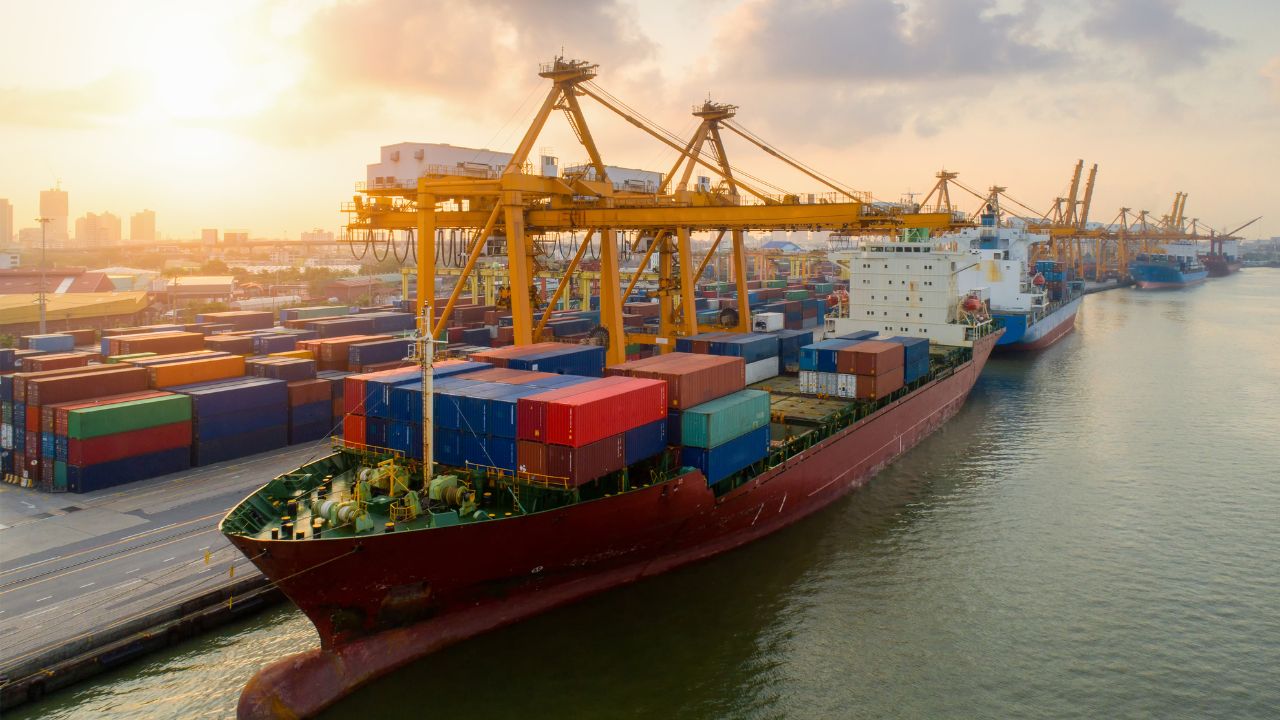
Ways to Reduce FCL Shipping Costs from China
- Choosing the Right Container Type: You should select the most suitable container type based on your cargo. For example, if your cargo is light and bulky, using a 40-foot high-cube container is usually more cost-effective than splitting it across multiple smaller containers. If your cargo is heavy, a 20-foot general-purpose container may offer better value.
- Maximizing Container Utilization: We will optimize the loading of your cargo to improve the load factor and minimize wasted space, thereby reducing the cost per unit of freight.
- Book Space in Advance: During peak seasons, ocean freight rates may increase. Therefore, once you have finalized your shipping plan, we recommend booking your space in advance to avoid high costs resulting from price fluctuations or container shortages.
- Consolidated Shipping: If you have multiple suppliers or goods produced in batches, consider consolidating them in a warehouse before shipping them in a single container. This reduces the cost of multiple shipments while improving container utilization.
- Choosing the Right Route and Port: Price differences between ports can be significant. So you can select a nearby port or an alternative route to reduce overall costs without compromising delivery times.
- Avoid Unnecessary Expenses: By following standard operating procedures, you can avoid demurrage charges, storage fees, and costs associated with resubmitting documents due to errors, thereby reducing unnecessary financial losses.
What Documents are Required for FCL Shipping?
- Commercial Invoice: The commercial invoice contains details of the transaction and the goods. Customs authorities use it to verify the value of the goods, product information, and applicable duties and taxes.
- Packing List: The packing list is primarily used to describe the packaging of the goods, making it easier for us, customs, and the consignee to verify the shipment.
- Bill of Lading: It serves as a receipt for the goods, proof of the contract of carriage, and a document of title for the goods.
- Booking Confirmation: After you complete the booking, we will provide a Booking Confirmation. You can use this to schedule container loading and export customs clearance in advance.
- Export Customs Declaration: Before the goods are exported, export customs clearance must be completed. These documents may include the customs declaration form, power of attorney, etc.
- Certificate of Origin: Some countries require a Certificate of Origin upon import to confirm the country of origin of the goods and apply for preferential tariffs.
- Import Customs Clearance Documents: Upon arrival at the destination port, the consignee is typically required to prepare import clearance documents.
Insurance Certificate: If you have purchased marine cargo insurance, you will also receive the insurance policy details.