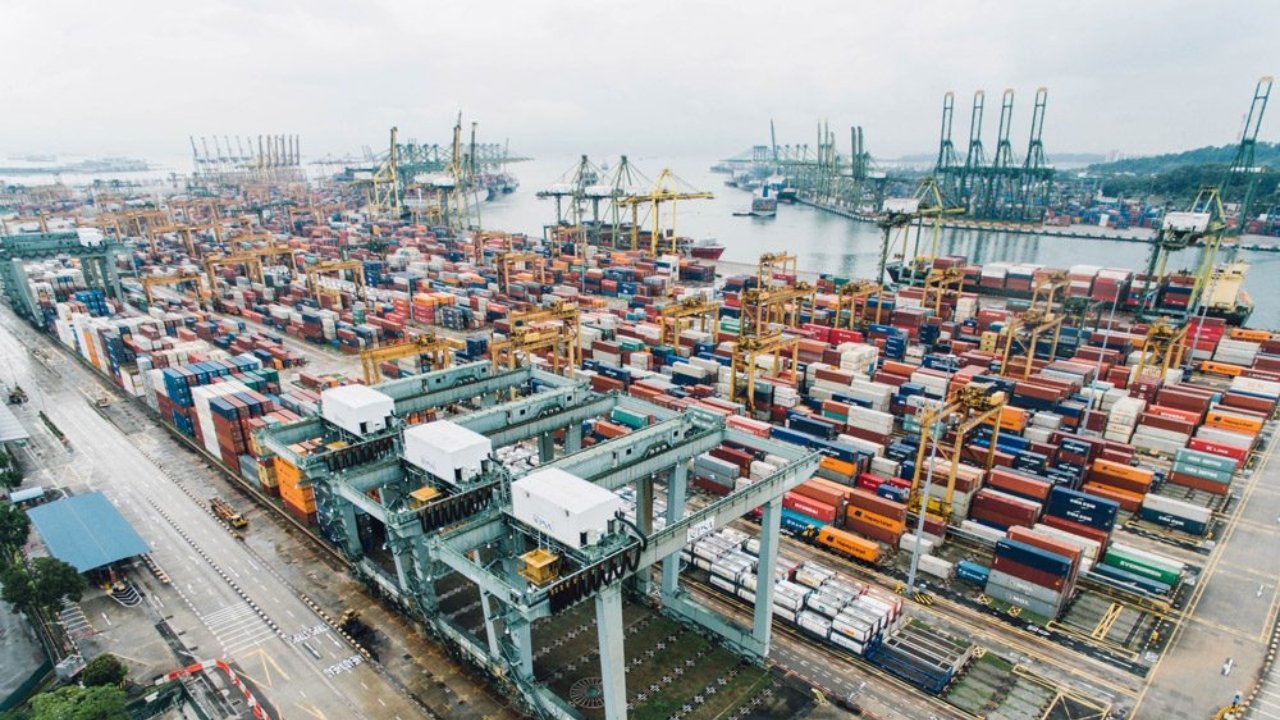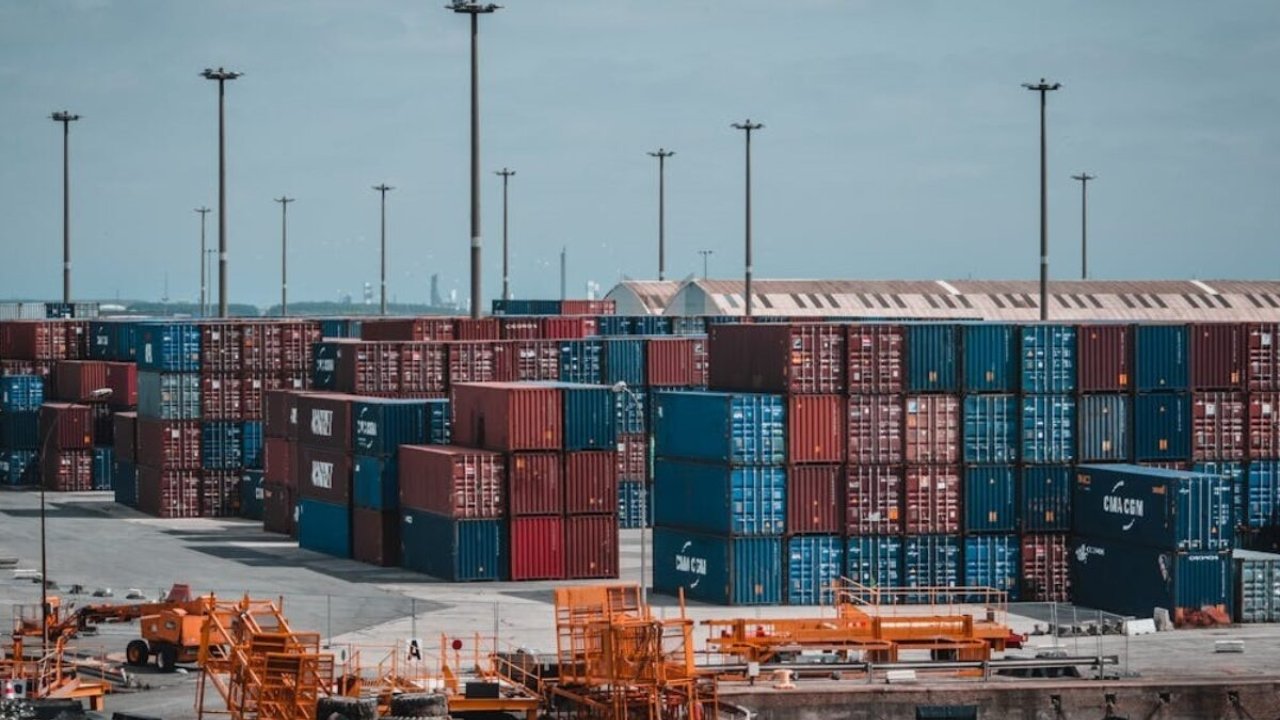
One of the most common shipping methods is FOB between suppliers and buyers for international trade. But what does FOB mean in shipping, and how does it work in trade operations? In this article, we will provide you with its definition, responsibility distinction, and cost to help you understand.
What is FOB in Shipping?
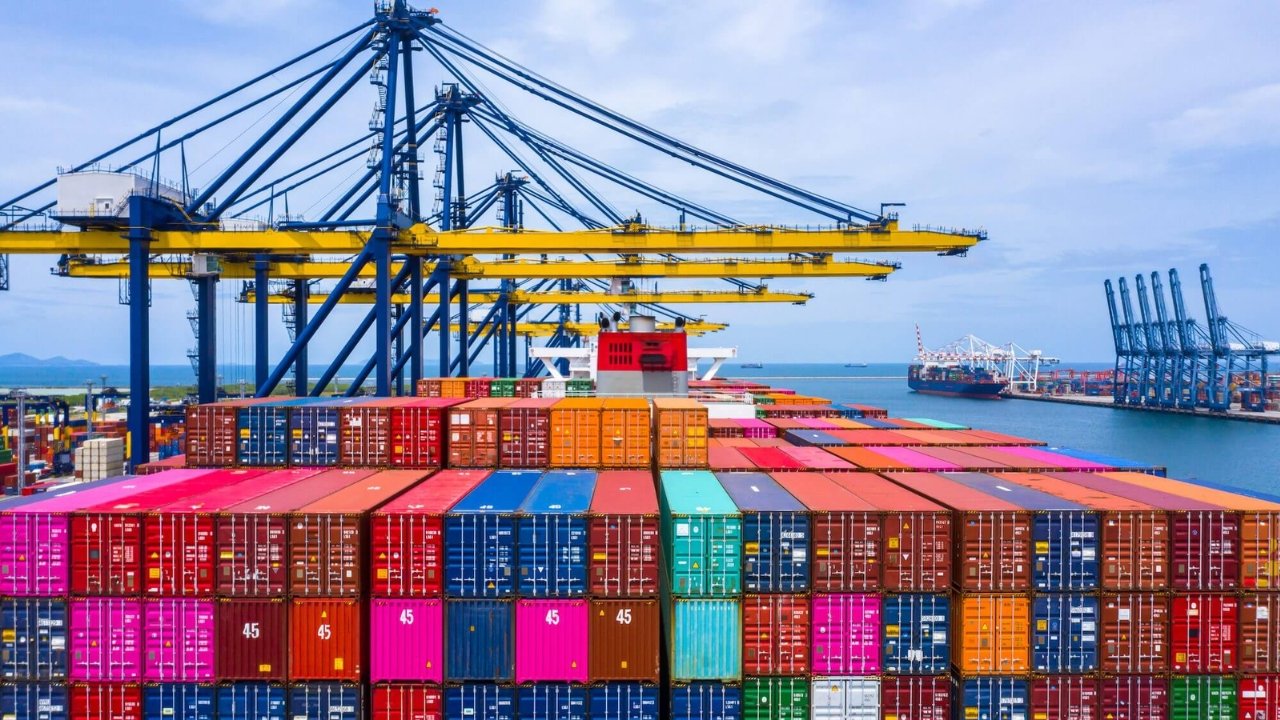
The term FOB, standardised by the International Chamber of Commerce (ICC), is currently the most widely used trade term in global maritime shipping. Particularly in China’s export trade, the factory price plus port charges quoted by the vast majority of factories and foreign trade companies are ultimately converted into FOB prices.
You can understand FOB (Free On Board) as “delivery on board” from three aspects: when does ownership truly transfer from the seller to the buyer? Who will bear the transportation costs and all other expenses during the shipping process? If the goods are damaged during transit, who is entitled to claim compensation and handle the insurance?
FOB helps us clarify at which point the responsibility, risk, costs, and ownership of goods transfer from the seller to the buyer. Both sellers and buyers agree on the FOB terms in advance to avoid disputes.
How FOB Shipping Works?
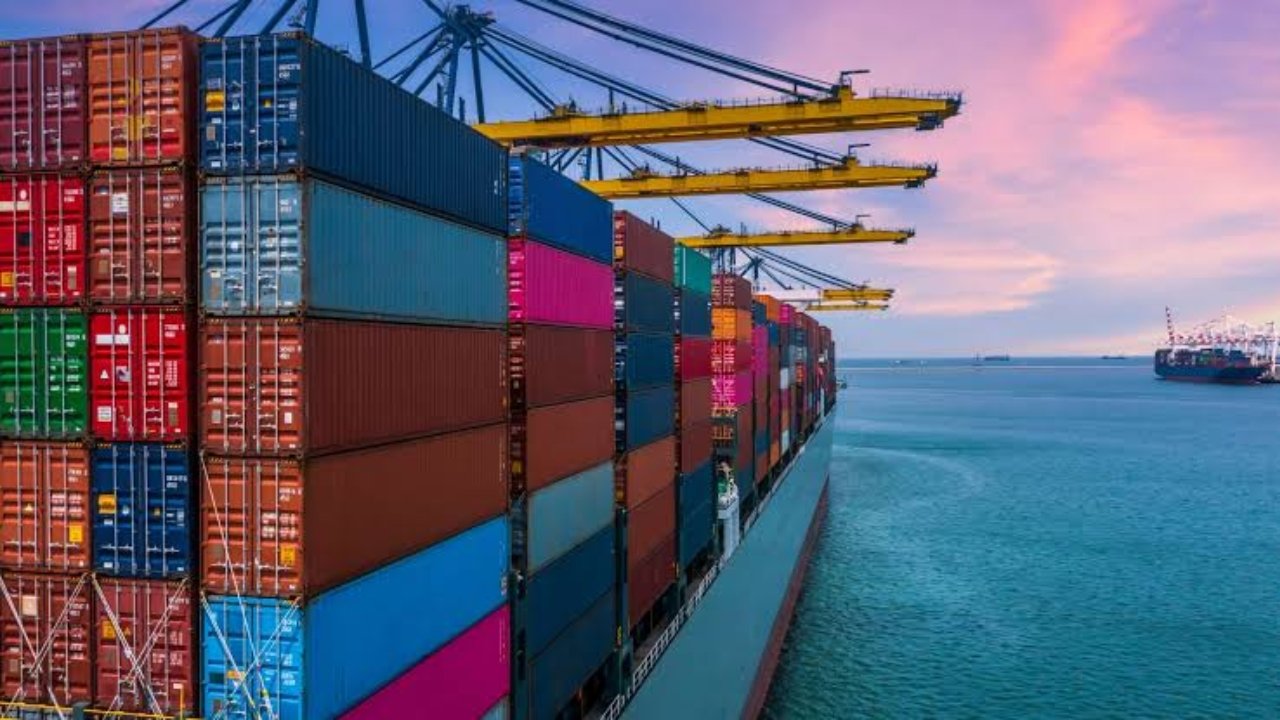
To help you understand, we have broken down the process of FOB into six key steps. Suppose you are an importer from a certain country and you have placed an order with a factory in a certain city in China:
- Step 1: Factory inventory and inland transportation
The factory produces the goods and then transports them by truck to the seaport near the production site. The trucking costs and loading/unloading fees from the factory to the departure port warehouse are all borne by the seller.
- Step 2: Export Declaration
Before the goods enter the port, sellers must be declared for export to the Chinese customs. And they need to provide invoices, packing lists, customs declaration forms, etc., and pay any possible export duties (if any). The export declaration fee and all related procedures are the sellers’ responsibility.
- Step 3: Port Charges and Loading
When the goods arrive at the port, there are several charges: terminal operation fees (THC), document fees, booking fees, security fees, etc. After the sellers pay all these charges, the port crane will lift the container and load the goods onto the ship you have specified.
- Step 4: Risk Transition
When the goods are loaded onto the ship, and the lifting hook detaches from the container, the risk will transfer from sellers to buyers. If the goods fall into the sea or if the goods are damaged, you should bear all losses.
- Step 5: Sea Transportation and Insurance
After the ship departs, you need to pay the shipping fees to the shipping company. At the same time, as the buyer, you must purchase marine insurance on your own.
- Step 6: Customs clearance and unloading at the destination port
After the ship arrives at the foreign port, you will handle customs clearance with a foreign customs agency. Then you need to pay customs duties, terminal operation fees at the destination port, and trucking fees. Finally, the goods will be delivered to the buyer’s warehouse.
Types of FOB Terms
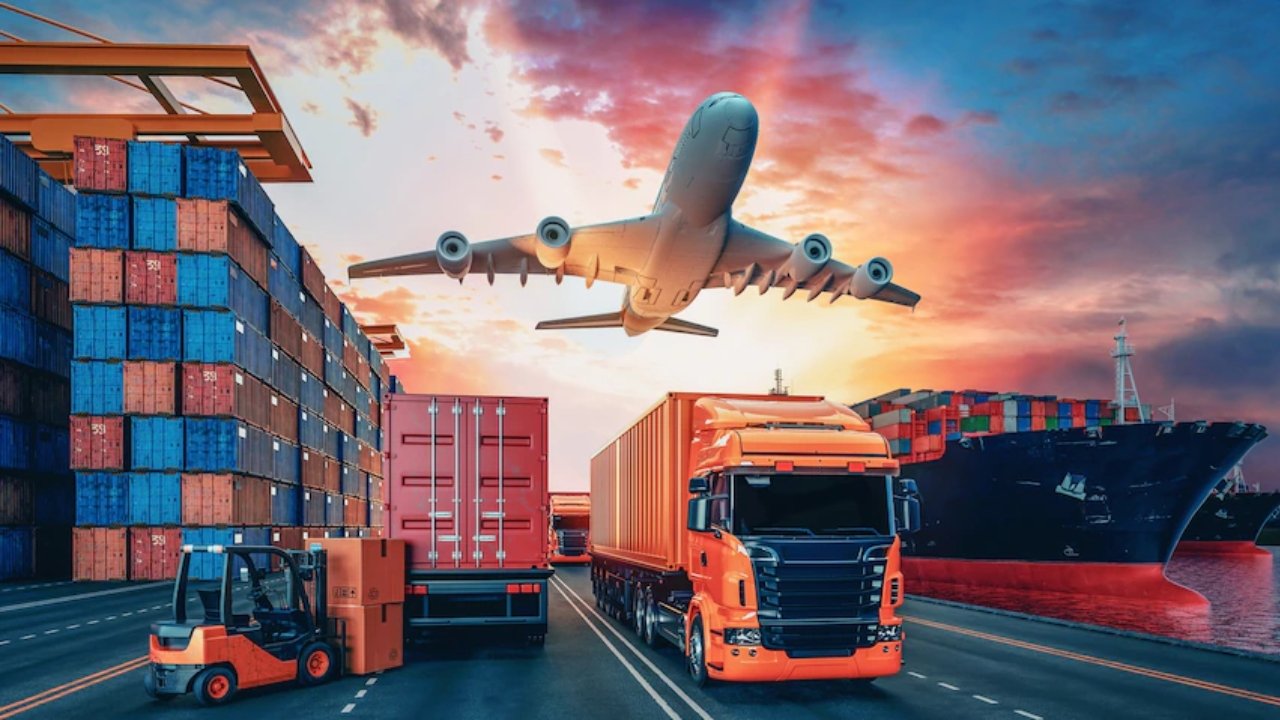
FOB Origin
If your documents are FOB (place of origin), this means that the seller is only responsible for the transportation costs and liabilities from their place of origin to the port. When the product leaves the port, the buyer acquires ownership and control. But the after costs and risks of damage to the goods are transferred to the buyer.
FOB Destination
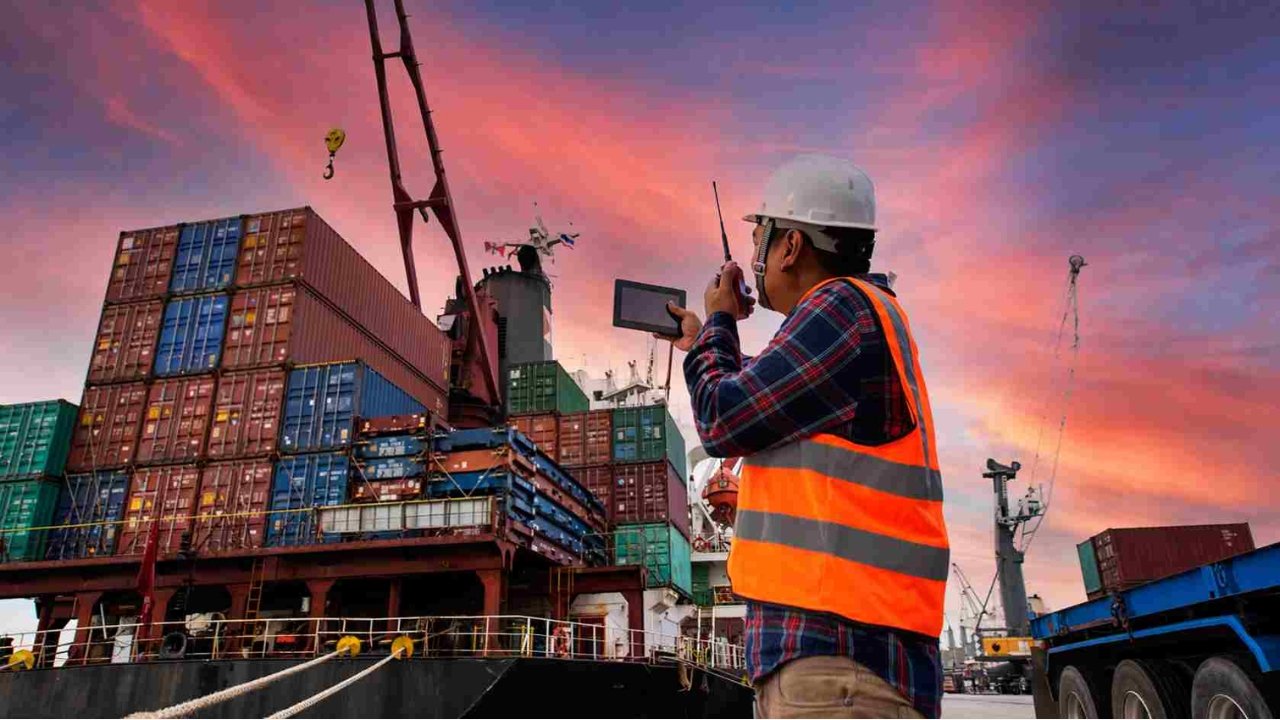
Destination refers to the final transportation location of the goods. If your documents indicate “FOB (place of destination)”, the buyer can obtain the ownership and control of the goods only after they arrive at the final destination. But the seller is responsible until the goods are delivered to the destination specified by the buyer. Before the goods arrive at the destination, if there is any damage or loss, the seller must compensate at the original price.
Freight Collect
Freight collect is more common. In this case, the buyer is responsible for all the freight charges and pays for freight and shipping costs.
Freight Prepaid
The seller or shipper pays the cost of shipping in advance. And in general, the buyer would return the money to the seller later.
There are four types: FOB (place of origin), Freight Collect; FOB (place of origin), Freight Prepaid; FOB (place of destination), Freight Collect; FOB (place of destination), Freight Prepaid. When you are reviewing the quotations, you should not only pay attention to the FOB Origin or Destination, but also closely examine whether it is Freight Collect or Prepaid. This directly affects your cash flow.
Why Choose FOB?
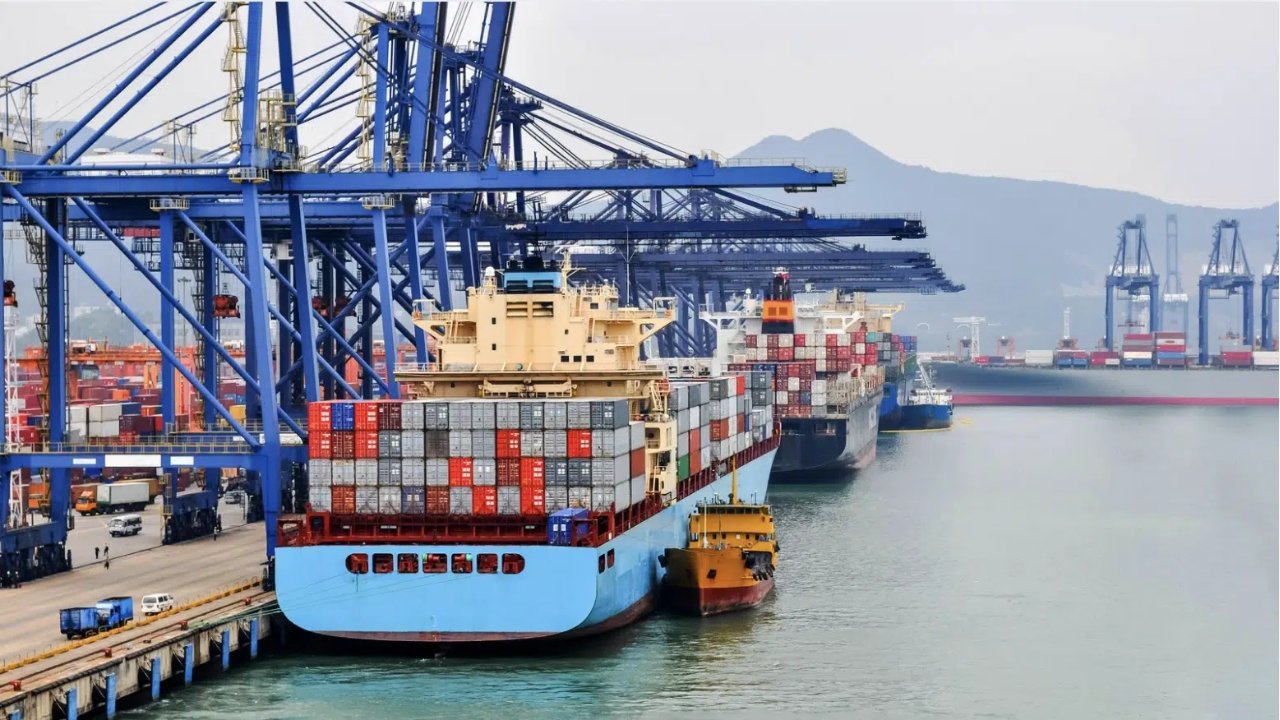
If you are a buyer or importer, FOB has some benefits:
- Logistics autonomy: You can choose your own shipping companies and freight forwarders, so you will have a clearer understanding of the cargo transportation and schedule. And you can also independently determine shipping routes, track packages more easily, and handle disputes with customs or freight companies.
- Cost transparency: If the seller arranges the transportation, the seller may choose unreliable small shipping companies to save costs, resulting in delayed shipping schedules; or the seller collaborates with the freight forwarder to falsely report the freight to receive kickbacks. FOB allows you to specify a trustworthy freight forwarder throughout the process and ensure cost transparency.
If you are a seller or exporter:
- Low risk: Once the goods are loaded onto the ship, the risks of the final payment and other accidents, such as shipwreck, are transferred to the buyer. You only need to urge the buyer to pay the full payment before the ship sets sail. If the goods are damaged or lost during transportation, the buyer must handle all claims and compensation matters.
- Simple operation: You don’t need to understand the customs clearance policies of the destination port or foreign tariffs.
But if you, as the buyer, are a novice and not familiar with the international transportation process, you might face huge port detention fees due to issues such as forgetting to purchase insurance or making errors in customs clearance documents. So FOB is more suitable for buyers who have a well-established logistics team.
Who Pays for What Under FOB?
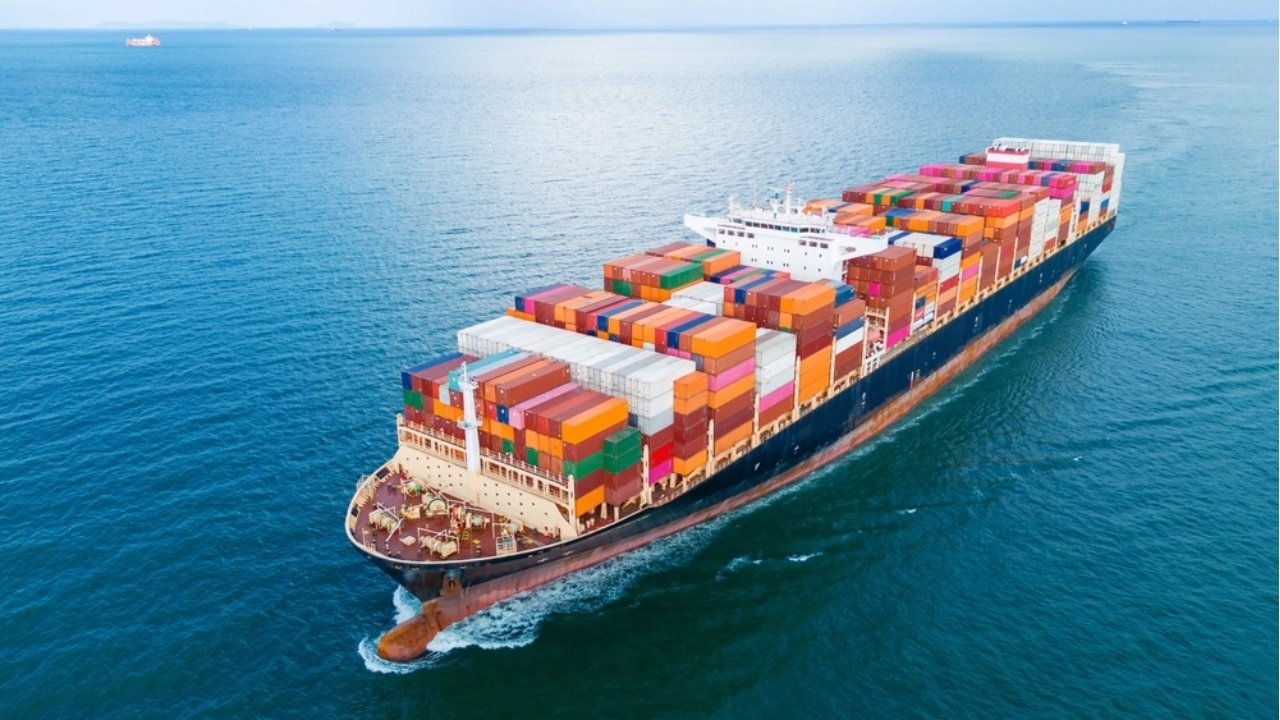
The seller is responsible for the cost before the goods are loaded onto the ship, while the buyer is responsible for the cost and risk after the goods are loaded onto the ship.
| Cost/ Fee | Location | Responsible Party |
| Inland trucking fee from the factory to the port of origin | Origin | Seller |
| Terminal Handling Charge (THC) at the port of origin | Domestic port of origin | Seller |
| Export customs clearance, documentation fees | Domestic customs | Seller |
| Booking fee | Domestic port of origin | Seller |
| Ocean Freight | At sea | Buyer |
| Marine insurance premium | At sea | Buyer |
| Destination Terminal Handling Charge (THC) | Port of destination | Buyer |
| Destination customs duties, clearance fees | Port of Destination | Buyer |
| Inland trucking fee from the destination port to the warehouse | Destination | Buyer |
FAQ
Is FOB Better Than CIF?
If you are a large buyer with a long-term cooperation with shipping companies, FOB is more cost-effective; if you are a small seller just starting and have no knowledge of international logistics, CIF is more convenient, because the seller covers everything.
Does FOB Include Insurance?
No. FOB does not include additional insurance. FOB only covers the safety of the goods before shipment. After the goods are loaded onto the ship, the buyer must purchase all risk insurance on their own.
Is FOB Used for Air Freight?
No. FOB was designed for sea and inland waterway transportation. The standard terms for air transportation, international express delivery, and railway transportation are FCA (Delivered to Carrier).
Is FOB a Delivered Price?
Not toatlly. FOB includes factory price, domestic towing cost, port charges, and customs clearance fee. In simple terms, it is the total cost of all the expenses before the goods are securely loaded onto the ship. It does not include shipping fees and insurance premiums.
If the Goods Are Damaged by the Crane, Who Will Be Responsible for the Damage?
This depends on the moment when the crane dropped the goods. If the hook had not detached from the goods at that time, this was during the loading process. So the seller is responsible for compensation; if the hook had already detached and the goods were placed safely on the deck, but the crane was blown over by the wind, the buyer needs to claim compensation from the insurance company.
Final Thoughts
DFH Logistics has 13 years of professional experience in international shipping and logistics. And we offer various customised solutions for sea, land and air transportation to different clients. If you have any questions about FOB, please feel free to contact us at any time.