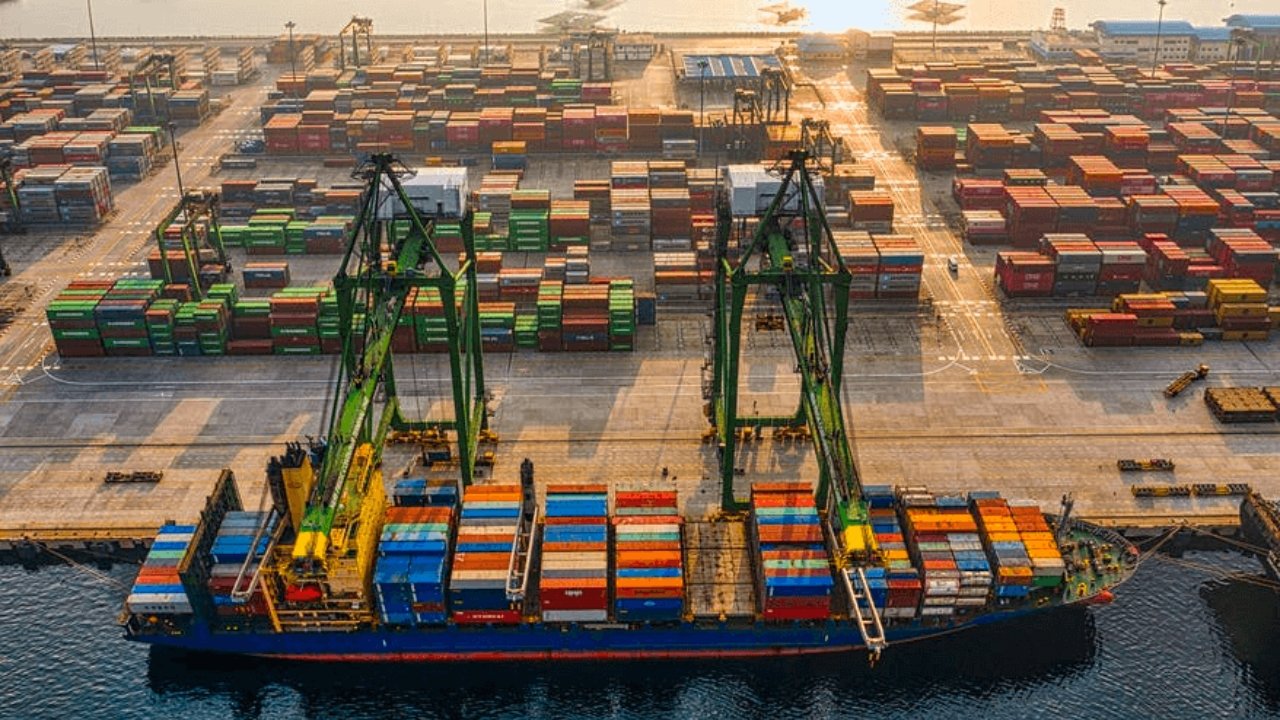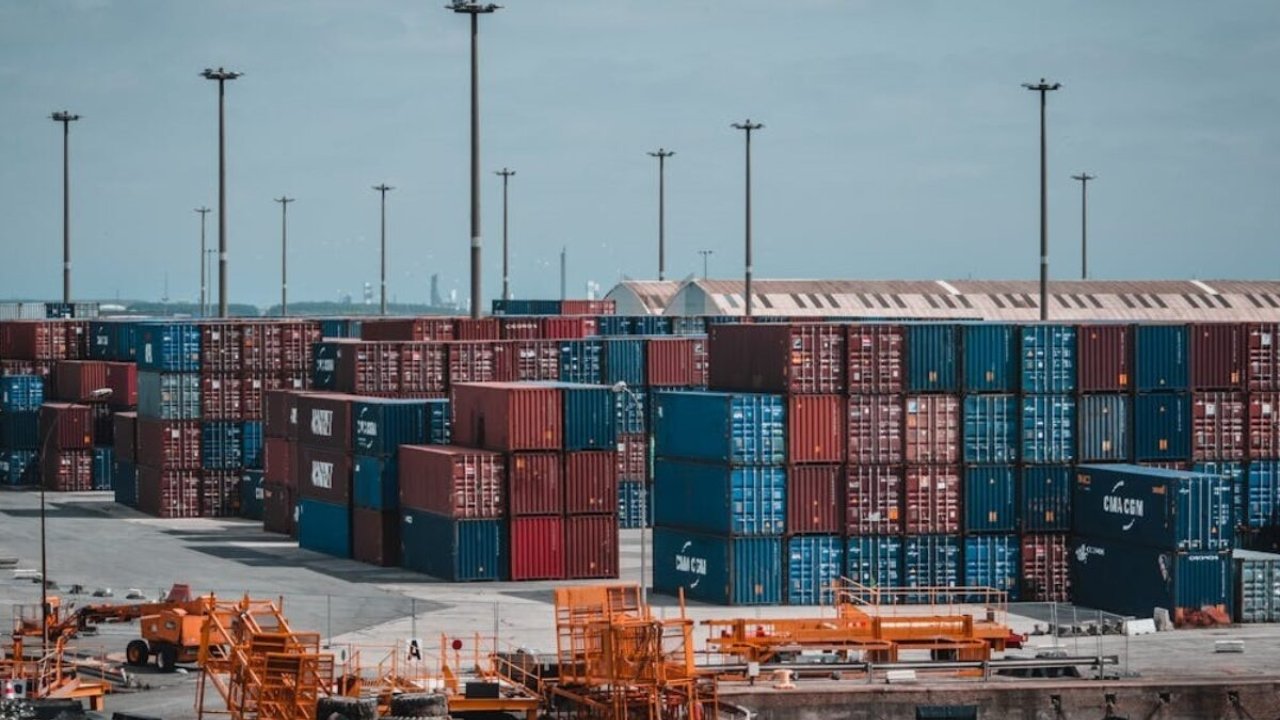
FOB Shipping Point and FOB Destination are Incoterms used to define the responsible party for the goods during transportation. A lack of understanding of the differences between these two terms may lead you to choose a shipping agreement that is disadvantageous to your trade project. After reading this comparative guide, you will be able to select the most favorable shipping terms for your project.
What Is FOB Shipping Point?
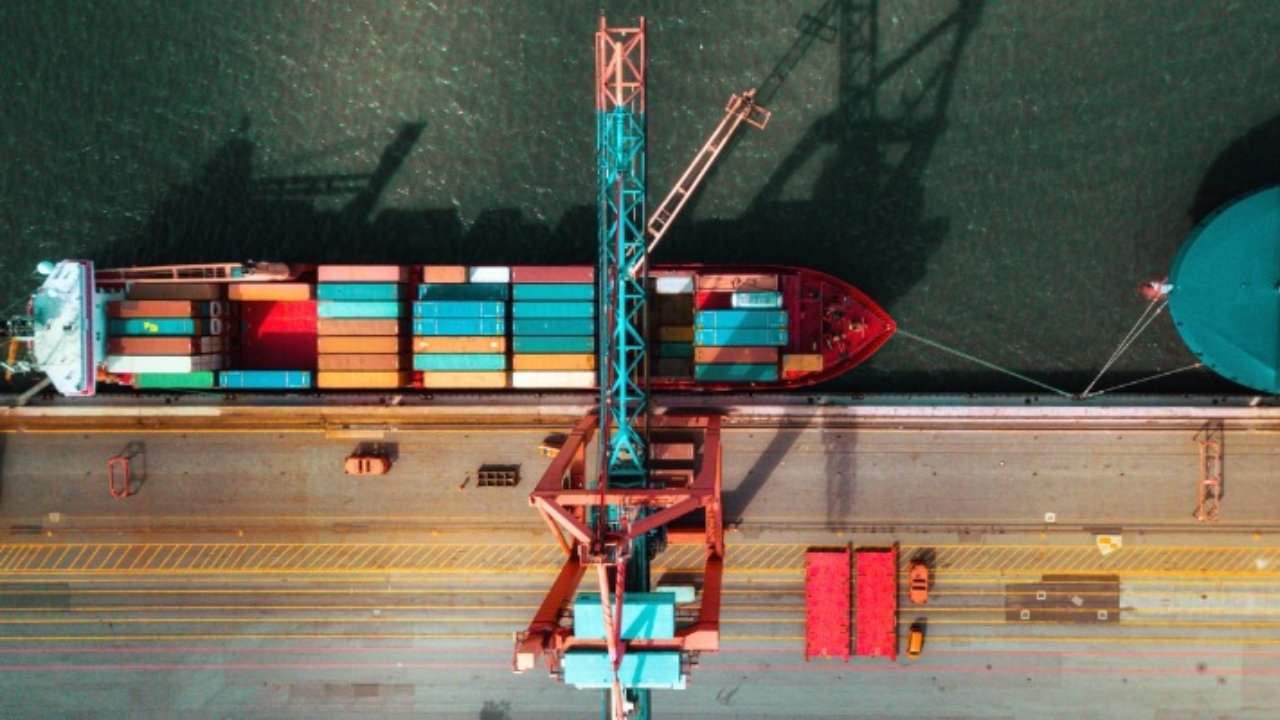
FOB is the abbreviation for free on board. Once the goods are loaded at the seller’s shipping point and handed over to the carrier, the buyer becomes responsible for the goods and assumes ownership.
What Is FOB Destination?
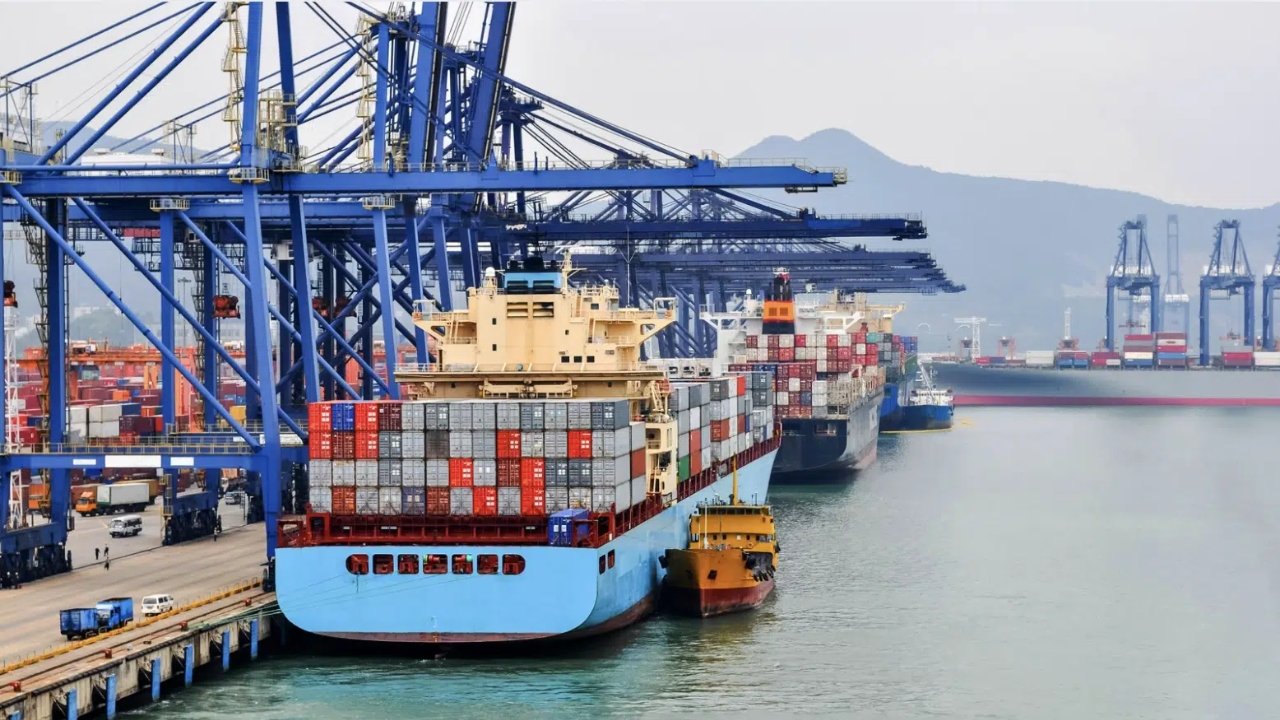
FOB destination means that the seller retains ownership and responsibility for the goods until the goods arrive at the destination designated by the buyer. The seller bears the transportation expenses and assumes the shipping risk until the goods arrive at the destination.
Differences Between FOB Shipping Point and FOB Destination

Accounting Recognition
When you choose an FOB shipping point agreement, as the seller, you can account for the revenue as early as when the goods are loaded at the shipping point and handed over to the carrier; this way, you can improve your cash flow. As the buyer, once you obtain ownership of the goods, you’ll also have the flexibility to choose a carrier providing the most cost-effective transportation.
For the FOB destination agreement, the accounting rules are different. Risk is not transferred until the goods arrive at the receiving port, after which revenue and inventory can be accounted for. In this situation, if you are the buyer, the FOB destination term reduces the risk you need to bear.
Ownership Transfer

Under the FOB shipping point agreement, ownership of the goods transfers from the seller to the buyer when the goods are loaded onto the carrier’s vehicle at the shipping point. If you are the seller, you will no longer be responsible for the risks of transportation. For the buyer, from this point on, you assume the risk of the shipment; however, this also allows you to maintain control of the goods you have purchased and thus ensure their safe transport.
Under an FOB destination agreement, the seller retains ownership of the goods until they arrive at the destination. In this case, as the seller, you can strengthen control over the shipping process and ensure that the product quality remains intact. The buyer only becomes the owner of the shipment after the goods are delivered.
Cost
When using the FOB shipment point agreement, the seller is generally expected to bear the transportation costs and expenses until the goods are loaded onto the vessel at the port of shipment. Once loading is complete, the buyer then becomes responsible for all transportation costs, customs duties, and other related expenses.
However, choosing FOB Destination means the seller bears all costs until the goods arrive at the destination. As the seller, you can consolidate shipments to gain economic benefits. The buyer is responsible only for costs generated after the goods arrive at the port of destination, such as customs duties.
Freight Cost
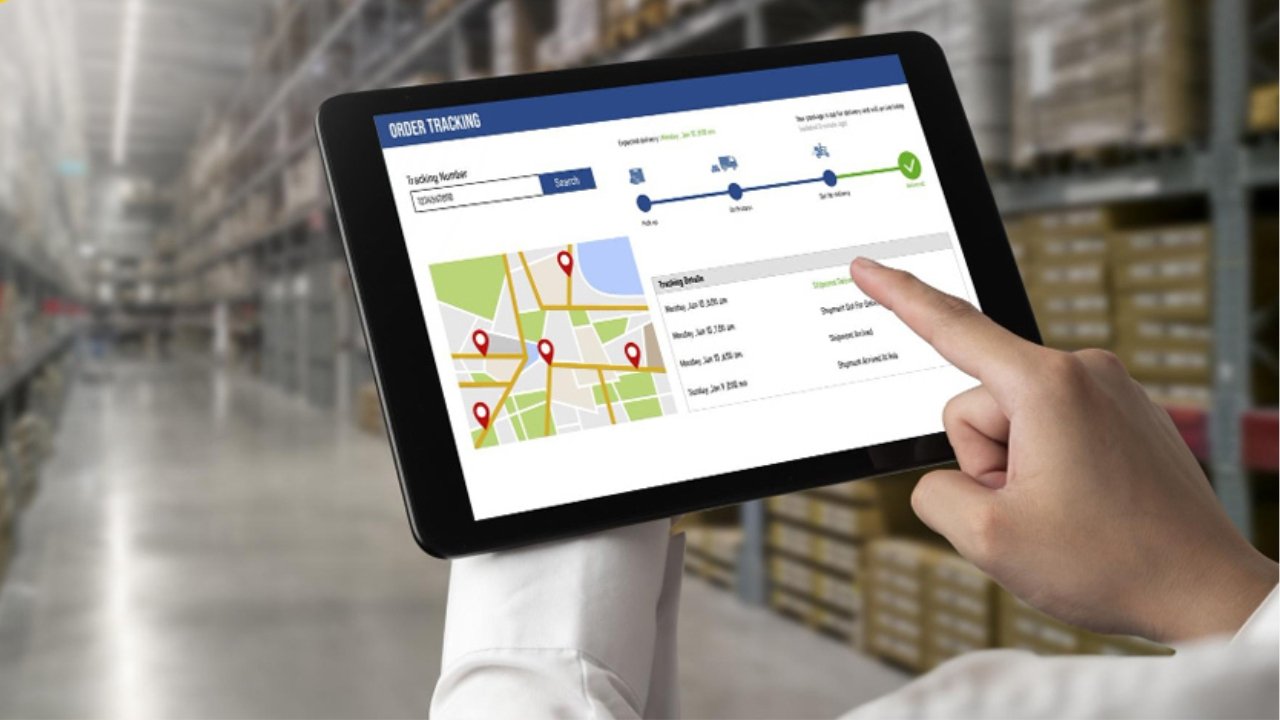
Under the FOB shipping point agreement, both parties may negotiate the method of freight payment, which is usually categorized as freight collect or freight prepaid. If no specific agreement is made, the buyer is responsible for these costs.
For FOB destination, the seller usually bears all freight costs unless otherwise agreement is established.
Import/Export Fees
When your project involves the international shipment of goods, import and export-related costs, such as customs brokerage fees, must be incurred.
For FOB shipping point arrangements, these costs are generally paid by the buyer.
In contrast, under FOB destination agreements, import and export-related costs are generally paid by the seller.
Liability for Damage
When shipping under FOB shipping point terms, once the goods leave the seller’s shipping location, the buyer assumes the risk of loss or damage during transportation. Given this, as the buyer, your risk management strategy can be tailored to protect the goods.
In contrast, with the FOB destination term, the seller bears full responsibility for the goods until the buyer takes delivery of them.
Shipping Arrangements

Since international freight transport terms are extensive and numerous, you can opt to appoint a single party to coordinate all matters related to the shipment.
With FOB shipping point terms, the buyer is responsible for all transportation arrangements from the point of shipment to the destination; as the seller, this frees you up to focus more on your core business;
However, the FOB destination term requires the shipper to arrange for the transportation and loading/unloading of the goods, delivering them to the designated location specified by the buyer. As the buyer, you do not need to manage the logistics; instead, you simply wait for delivery and receive the goods directly.
Freight Insurance
When operating under FOB shipping point terms, if you are the buyer in the transaction, you should consider taking out insurance for the shipment, because under an FOB shipping point agreement, the risk of damage in transportation has already passed to the buyer.
Under FOB destination terms, the seller bears the risk during transportation. If you are selling goods under FOB destination terms, you should arrange insurance for your goods.
Tips for Making the Right Choice
- For seller
As a seller, when your goods are high-value or difficult to replace, you can choose FOB shipping point to transfer and reduce transportation risks, while you should ensure tracking and monitoring during the shipping process.
In addition, your buyers will often prefer FOB destination, as it reduces their logistics burden and transportation risks. When you need to manage and strengthen customer relationships, as a seller, you can choose FOB destination to improve customer satisfaction, which builds trust and helps maintain customer relationships.
- For buyer
If you are the buyer in a transaction and you choose FOB shipping point agreements, since the risk of damage during transit has already been transferred after loading, we recommend that you consider purchasing cargo insurance.
In addition, for buyers with mature logistics experience, choosing FOB shipping point offers more control, making it a beneficial option.
FAQ

Do FOB Terms Include Insurance?
No. FOB terms primarily specify the point at which risk and liability for the goods transfer during transport, but they do not include cargo insurance.
Under FOB Shipping Point terms, the risk of loss during transit typically passes to the buyer once the goods are handed over to the carrier; therefore, the buyer is often required to purchase cargo insurance on their own.
Under FOB Destination terms, since the seller remains responsible for the risk of loss until the goods arrive at their destination, most sellers choose to purchase insurance for the goods to mitigate the risk of loss during transit.
Is FOB Only for Sea Freight?
Yes. In international trade practice, FOB is typically used for: full container load (FCL) by sea, less than container load (LCL) by sea, and inland waterway transport.
If goods are transported by air, rail, or courier, it is generally recommended to use other trade terms, such as: FCA (Free Carrier), CPT (Carriage Paid To), and CIP (Carriage and Insurance Paid To).
In addition, in today’s container shipping, whether for full container loads (FCL) or less-than-container loads (LCL), cargo is usually delivered to the carrier or container freight yard in advance of loading. This is why many international trade companies now prefer to use FCA rather than FOB.
Is FOB Shipping Point Used in International Shipping from China?
Yes. In trade from China to the United States, Canada, Europe, Australia, and other countries, FOB Shipping Point is a very common term of trade.
Common terms include: FOB Shenzhen, FOB Shanghai, and FOB Ningbo. Under this arrangement, the seller is responsible for transporting the goods to the designated port of shipment and completing the export formalities. Once the goods are loaded onto the vessel or delivered to the carrier, the risk of loss or damage typically passes to the buyer.
Does FOB Destination Include Unloading?
Not necessarily. FOB Destination simply means that the seller bears the risk and liability for the goods until they reach the specified destination; however, whether unloading costs are included is generally determined through negotiation between the two parties. Therefore, when entering into an FOB Destination contract in actual business transactions, it is recommended to clearly specify:
- Who is responsible for unloading.
- Who bears the unloading costs.
- Where unloading will take place.
This helps avoid disputes over additional costs or liability after the goods arrive.
Final Thoughts
Choosing between FOB Port of Loading and FOB Port of Destination is one of the many decisions that must be made in international trade. If you are planning to import goods from China, or if your goods are facing international transport and you are unsure which FOB term is the better choice, Dfhshipping—an international shipping agency with 13 years of experience—can tailor the most cost-effective and secure shipping solution for your project. If you have any needs, please contact us to submit an inquiry!