Accuracy and compliance are important in import and export trade. One of the most important requirements in container shipping is the verified gross mass (VGM). It determines whether your cargo will reach your customers safely and on time. If you’re not familiar with it, please read this article. We’ll provide you with a comprehensive introduction.
What Is Verified Gross Mass?

Verified Gross Mass (VGM) refers to the total weight of a container after it has been loaded. It includes all cargo, all packaging materials, and the container’s tare weight.
VGM is a mandatory requirement under the International Maritime Organization’s (IMO) International Convention for the Safety of Life at Sea (SOLAS). This regulation applies to shipments handled under SOLAS contracting states worldwide.
Importance of Verified Gross Mass in Shipping
Ensuring Navigation Safety
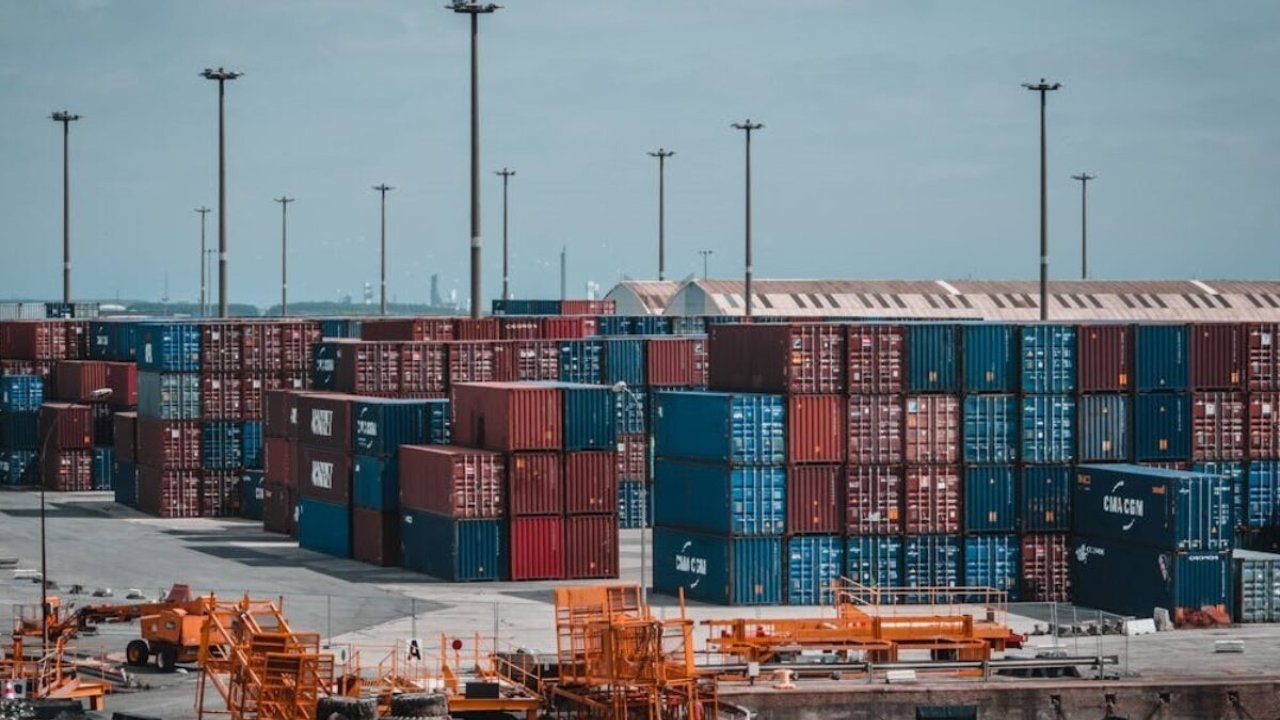
The primary purpose of the VGM is to ensure maritime safety. It ensures that you use the appropriate crane when loading and unloading cargo and reduces accidents at the dock.
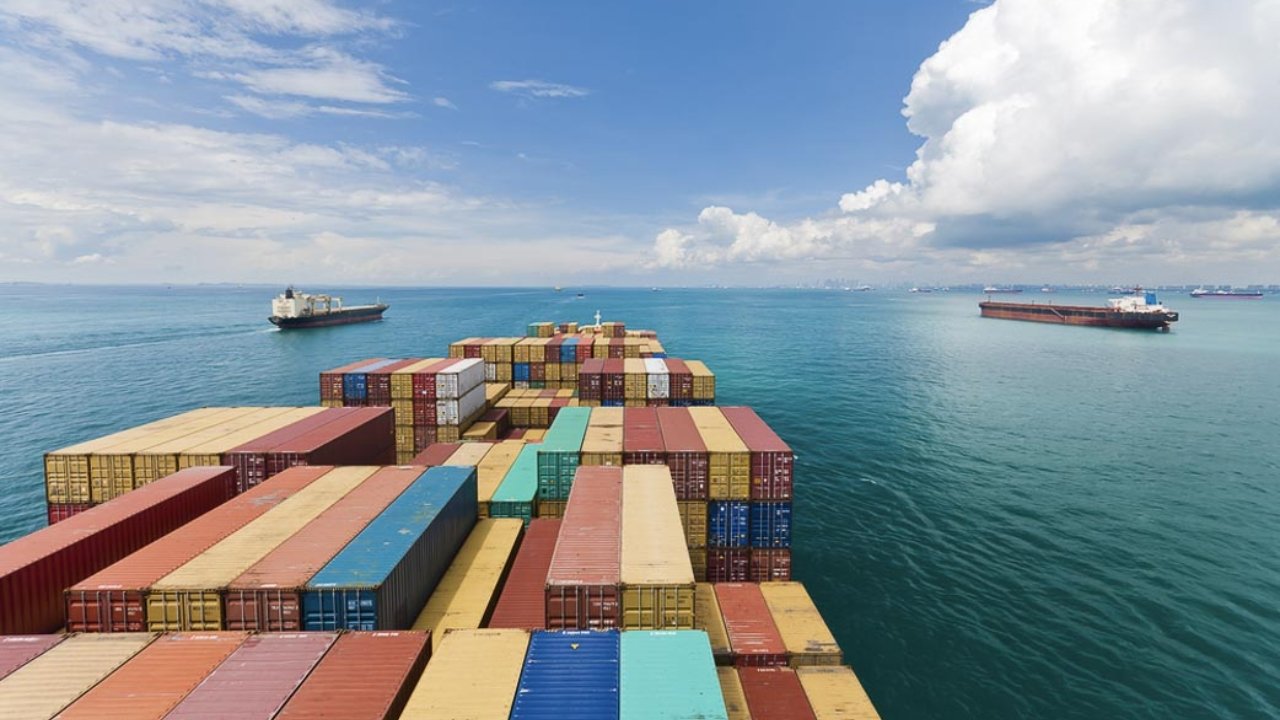
VGM also makes sure that containers do not exceed weight limits, thereby reducing the risk of the ship capsizing. By knowing the exact weight of each container, shipping companies can better plan where to place them on board. This is important for keeping the ship’s balance and stability. Proper placement also helps prevent container stacks from collapsing.
Improving Efficiency and Quality
With accurate weight information, carriers and terminal operators can carry out loading and unloading operations more efficiently. Schedule delays can be reduced, and vessel space can be better utilized. Accurate weight information also helps prevent cargo shifting caused by uneven weight distribution, thereby reducing the risk of cargo damage.
Legal Obligations
Providing an accurate VGM is a legal obligation that cannot be avoided. If you do not provide the VGM, your goods will not be loaded onto the ship. This will result in additional demurrage charges, storage fees, and other costs. And your goods will not be delivered on time. If the VGM you provide is inaccurate, you will also be liable for the resulting losses.
How to Calculate Verified Gross Mass?
There are two ways to calculate VGM. Weighing the packed container and adding up the total weight.
Weigh the Packed Container
Weigh the container directly after it has been loaded and sealed. Weighing requires the use of a calibrated weighing bridge or other equipment, typically located outside the terminal or port.
Weighing the packed container is the most direct, simple, and accurate method. It is widely favored by many operators. This method can also be used for containers loaded onto trucks, but the weight of the truck must be subtracted from the measured weight.
Calculate the Total Weight
When the entire container cannot be weighed, you can calculate the total weight. The shipper weighs all the cargo, packaging materials, and other items, adds these weights up, and finally adds the container’s tare weight. The container’s tare weight is usually indicated on the container’s CSC plate, which is typically located on the container door.
This method is suitable for single-category shipments or consolidated shipments and requires detailed and complete records.
Who Provides the Verified Gross Mass in Shipping?

Under SOLAS regulations, the shipper named on the bill of lading is legally responsible for the VGM. The shipper is responsible for providing the verified gross mass for each loaded container.
But in practice, freight forwarders or container loaders may assist in weighing the VGM. Freight forwarders can also declare it on behalf of the shipper. Nevertheless, in the event of an incident, the shipper remains liable.
Submission Process for Verified Gross Mass in Shipping

Step 1: Load and Seal the Container and Determine VGM
You need to pack all the goods and load them into the container. Seal the container. Then weigh the sealed container or calculate its total weight.
Step 2: Prepare and Submit the VGM Declaration
Reporting VGM is not as simple as sending a message. You need to record the verified VGM on the VGM document, along with the booking number, container number, weighing method, and the signature of the shipper’s authorized representative. Submit the VGM to the carrier or terminal before the VGM deadline.
Step 3: Carrier Confirmation and Loading
The carrier will use the submitted VGM to prepare the vessel loading plan. Your VGM must be valid and submitted on time for the container to be cleared for loading.
FAQ

What Is the Difference between VGM and Gross Weight?
Gross weight generally refers to the weight of the cargo and package. For example, if the goods weigh 100 kilograms and the packaging weighs 10 kilograms, the gross weight is 110 kilograms. VGM is the verified gross mass of a container that has already been loaded. It includes not only the weight of the cargo and packaging but also the container’s tare weight.
How Do I Find out the Deadline for Declaring the VGM?
The VGM submission deadline is typically earlier than the cargo acceptance deadline, usually one to three days earlier than the vessel’s scheduled departure date. Each carrier and terminal sets its own VGM deadline for each vessel and voyage, which is typically listed on the booking confirmation. You should carefully review the deadlines on each booking confirmation and submit the required documents on time.
How to Verify that the VGM Is Accurate and Compliant?
VGM weighing equipment undergoes regular calibration and maintenance to ensure it meets standards. And there is dedicated software that enables shippers to generate electronic VGM documents, transmit weight information to shipping companies and other relevant parties, and track the submission status.
There is also a container tracking and monitoring system that provides real-time data on container location, status, and weight, helping shippers accurately verify weights throughout the entire transportation process and monitor any changes at any time.
What Is the Acceptable Error Range for Verified Gross Mass?
SOLAS does not specify a universal VGM tolerance. The acceptable error range is determined by national authorities, ports, or carriers. In practice, a tolerance of around ±5% is commonly used in many jurisdictions.
Can the Verified Gross Mass be Modified after It Has Been Submitted?
Changes can usually be made before the VGM submission deadline. However, if the deadline has passed, changes will be limited. You may also be required to pay a change fee.
Who Is Responsible for the VGM of LCL Shipments?
For less-than-container load (LCL) shipments, the final container VGM is typically provided by the consolidator or NVOCC (non-vessel operating common carrier), rather than by individual shippers. However, each shipper is still required to provide the consolidator with accurate weight information for their own cargo.
Final Thoughts

VGM requirements make shipping goods more complicated. While freight forwarders can lighten your load. DFH is a professional freight forwarder. We can assist with certified weighing of your containers, submit the VGM to the carrier, and ensure that all documentation complies with the SOLAS Convention. Welcome to contact us!