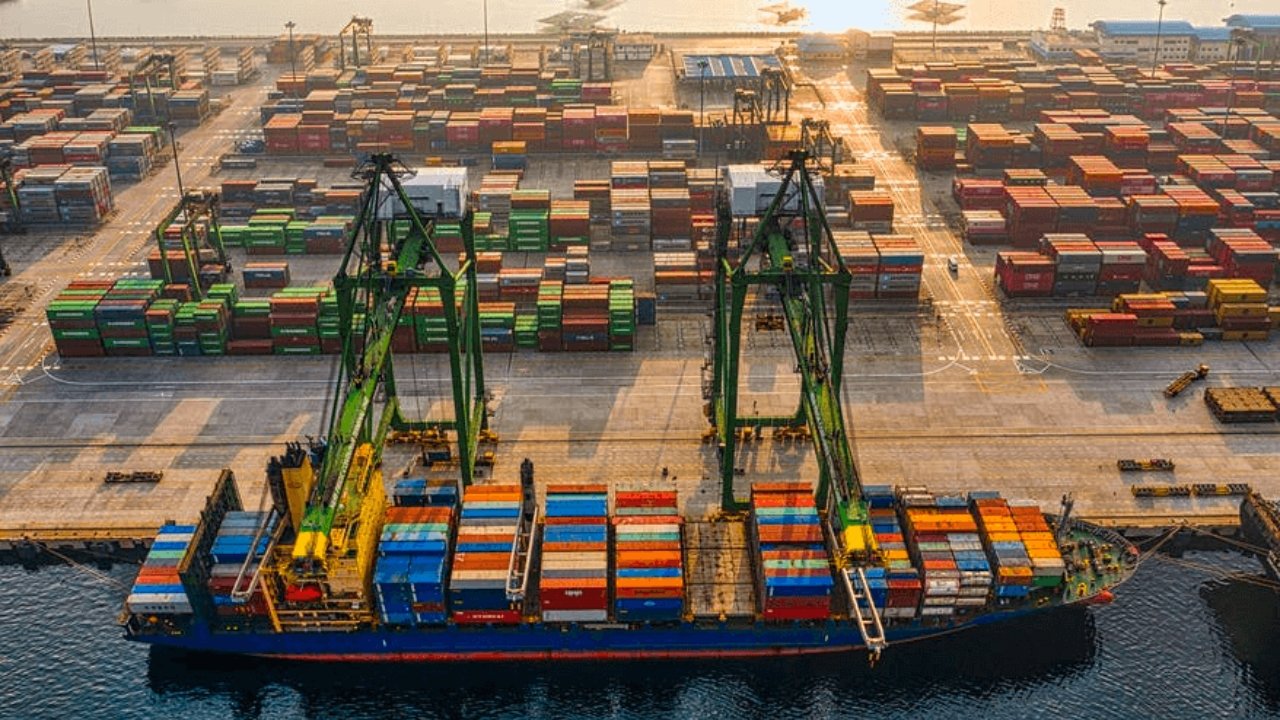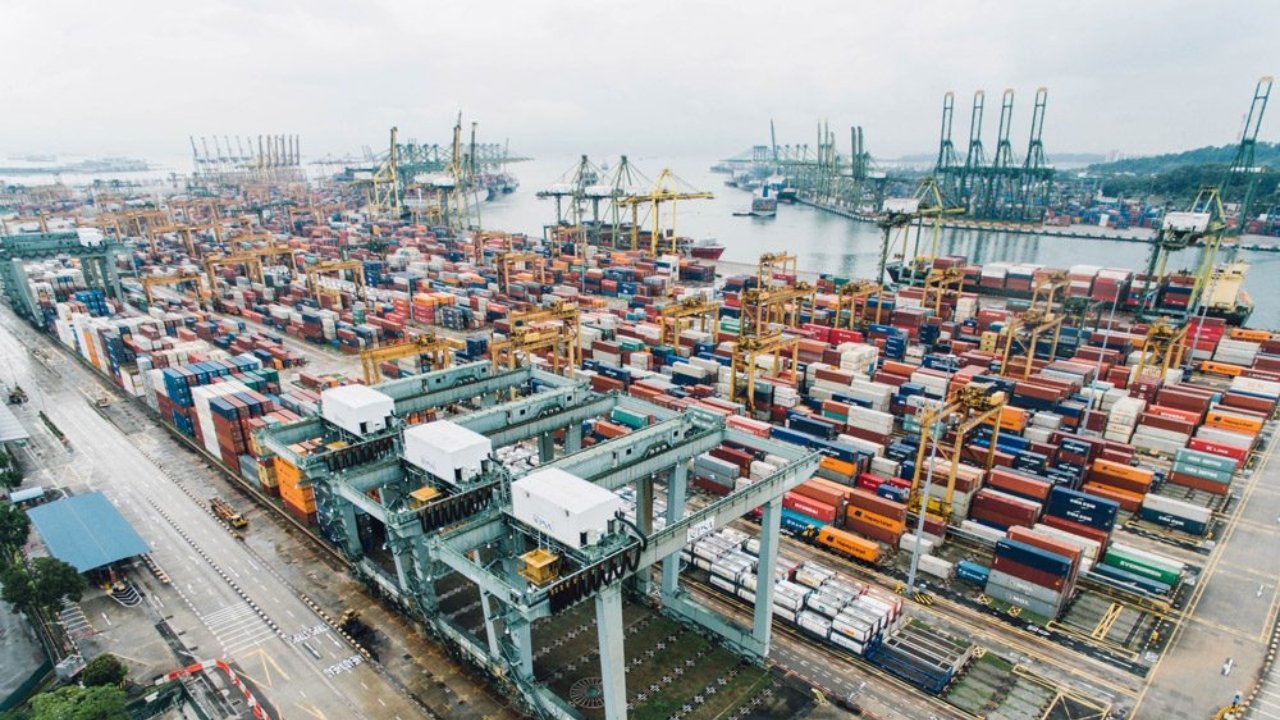
When you receive your first large overseas order, many business owners don’t know how to handle customs documentation, arrange your routes, or coordinate with carriers to deliver the goods on time to your buyer. At this time, a freight forwarder is the trusted partner you can rely on.
What is Freight Forwarding?
A freight forwarder is a third-party service provider that helps you transport your goods from one country to the buyer’s destination. You can think of a freight forwarder as the project manager for your international shipping to help you handle all the complex details during the transportational process, so you don’t have to worry about anything.
Freight forwarders themselves do not own transportation equipment, such as ships, airplanes, or trucks. They provide intermediary services between the shipper and the actual carrier responsible for transporting the goods. Their responsibilities include booking cargo space, preparing documentation, handling customs clearance, and tracking your shipment during the entire transportation.
How Does Freight Forwarding Work?
- Step 1: Quotation and Booking
The freight forwarder assesses your goods (weight, volume, special requirements, etc.) and recommends the most suitable route and method.
- Step 2: Pick-up from Origin
The goods are collected from your warehouse or factory, and the freight forwarder will transport them to their warehouse or consolidation point.
- Step 3: Document Preparation
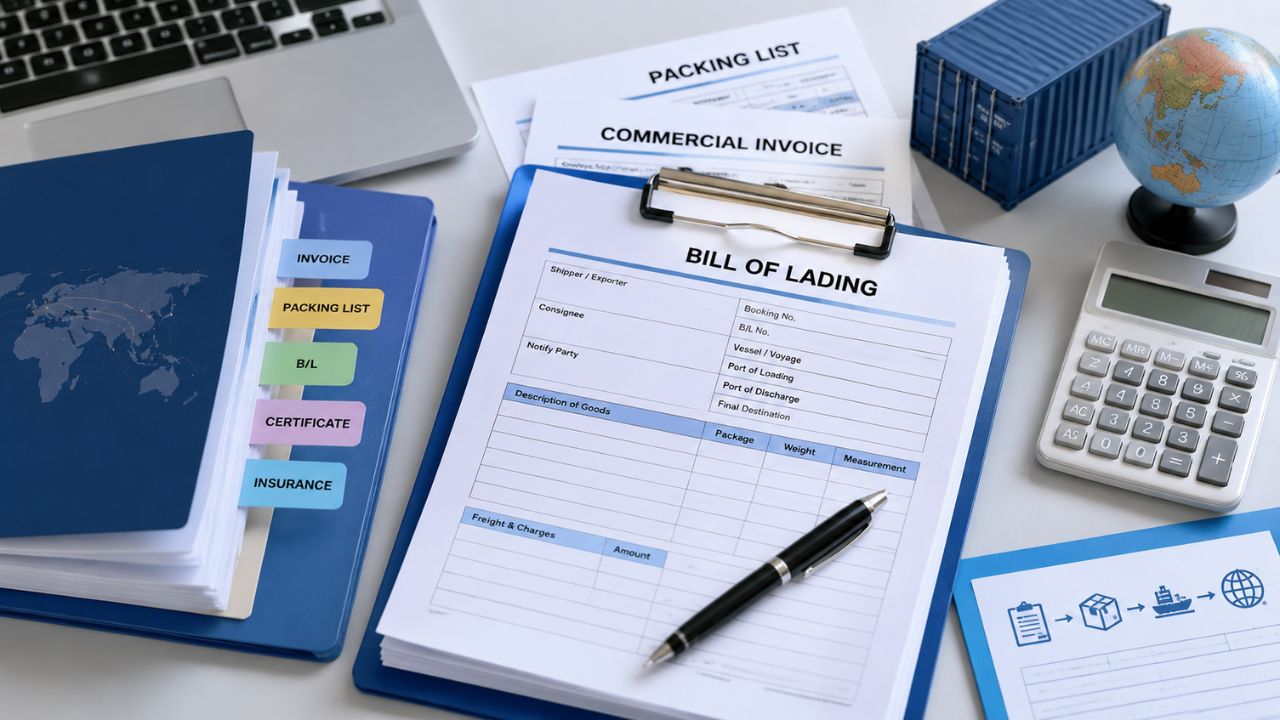
The freight forwarder prepares all necessary shipping documents, including invoices, packing lists, customs declarations, etc.
- Step 4: Export Customs Clearance
Before the goods leave the country of origin, export customs clearance must be completed. The freight forwarder will ensure all documentation is correct.
- Step 5: International Transportation
The freight forwarder arranges for shipment via air, sea, rail, or road, selecting the most suitable way based on your cost and time requirements.
- Step 6: Import Customs Clearance
When your goods arrive in the destination country, import customs clearance is required. The freight forwarder handles all documentation and pays any applicable duties and taxes on your behalf.
- Step 7: Final Delivery
After customs clearance, the goods are delivered to the final consignee address.
Throughout the entire process, the freight forwarder serves as your point of contact to keep you informed of the latest transport conditions.
Types of Freight Forwarding Services
Sea Freight
Sea freight is the most cost-effective option for large quantities of overweight and oversized goods. It’s almost accessible to all major ports worldwide.
But it is not suitable if you require immediate delivery. The process is relatively slow (usually 20 to 45 days), and sea freight may be delayed because of severe weather or congestion at the port.
Air Freight
Air transportation is the fastest way of transportation, with the shortest delivery time (usually 5 to 10 days). It is highly suitable for high-value, time-sensitive or perishable goods, such as electronic products and medicines. You can track the location of the goods in real time.
But it is more expensive than other methods, and there are stricter restrictions on the size and weight of the goods.
Rail Freight
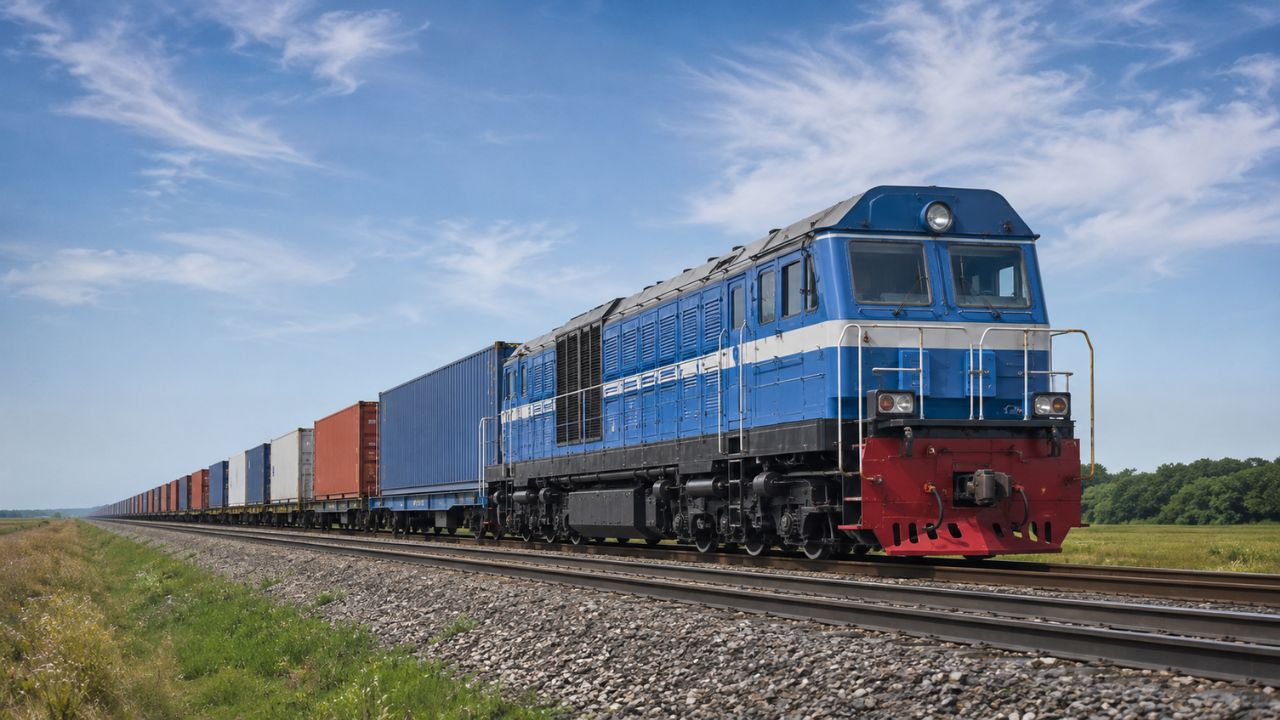
Railway transportation is a way by means of the well-developed railway network to transport large quantities of goods at a lower cost.
If you have heavy goods for inland transport, rail freight is suitable. The train schedule is relatively stable. But for the areas without railway coverage, it needs to be used in conjunction with road transportation at both ends.
Door-to-Door Shipping
Door-to-door transportation is a full-service package for you. The freight forwarder is responsible for the entire transportation chain, from picking up the goods at the origin location to delivering them at the final destination. You only need to deal with one freight forwarder from start to finish.
Why Choose Freight Forwarding?
A good freight forwarder has several powerful advantages for your business:
- Time and effort saved: The freight forwarding agency handles all the complex details, documents, and coordination work for you. You can focus on your business itself. There is no need to deal with multiple carriers and customs brokers anymore. Just one person is needed for connection.
- Professional compliance and reduced errors: International shipping involves complex regulations, constantly changing customs requirements, and intricate paperwork. Freight forwarders are familiar with the rules and know the tricks.
- Save money: Because the freight forwarders handle large volumes of goods and have long-term cooperative relationships with carriers, they usually get better prices than if you negotiate directly.
- Reduce risks: Freight forwarders can provide cargo insurance and be responsible for your goods during the transportation process. At the same time, they can ensure that the documents are accurate and complete to help you avoid huge delays and losses caused by document issues.
- Simplify complex logistics: International shipments often have multiple transport modes (sea and truck, air and rail, etc.). Freight forwarders coordinate all these moving ways under one contract.
- Real-time tracking: Most freight forwarders offer goods tracking and regular updates to allow you to know exactly where your goods are at all times.
How to Choose a Reliable Freight Forwarder?
Clearly Define Your Own Needs
Before comparing the proxies, it is necessary to clarify the following issues:
- Are you shipping FCL (full container) or LCL (less than container)?
- Which countries are you shipping to and from?
- How often do you deliver the goods?
- Do you need door-to-door service or just port-to-port?
- Are your goods fragile, oversized, or regulated in any way?
Check Whether the Freight Forwarder Has Relevant Experience
Not every logistics company has strong experience in your specific trade lane. A forwarder who specializes in shipping from China to the US may not be the best choice for shipments from Europe to South America. You can look for a forwarder who understands your origin country, destination port, and the specific challenges of that route.
Check Communication and Responsiveness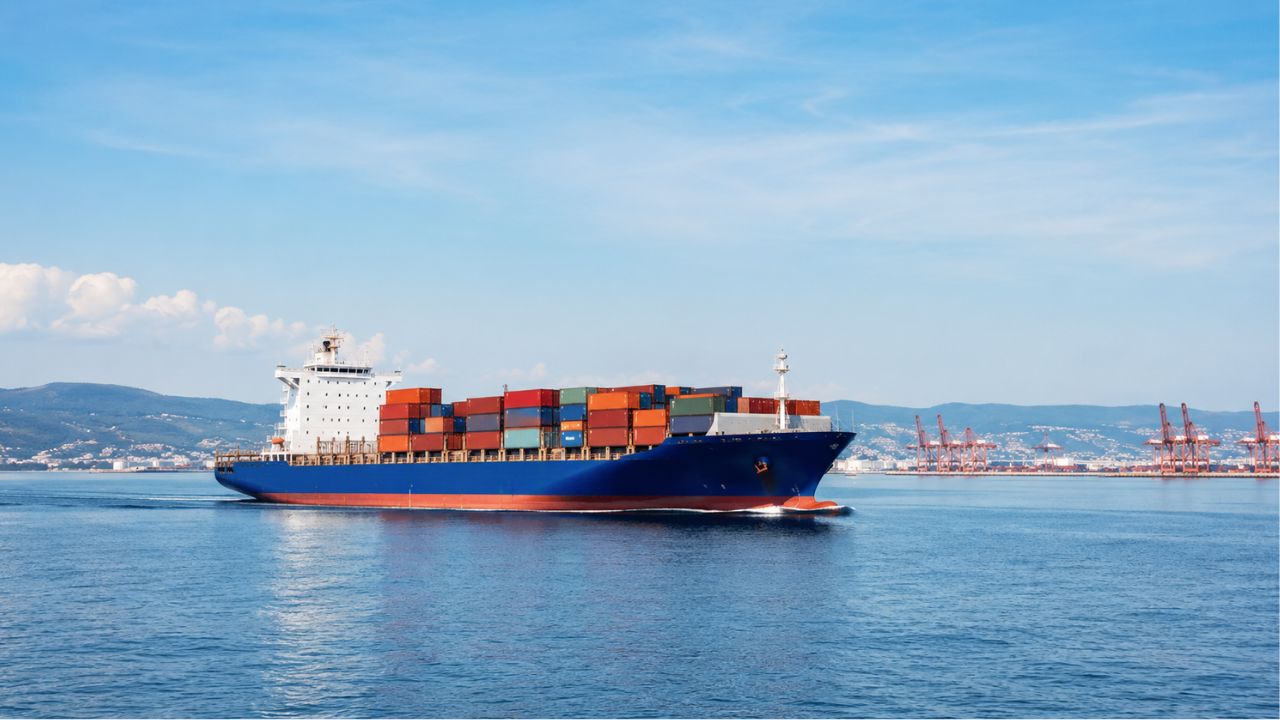
A reliable freight forwarder should communicate clearly and quickly. This is one of the easiest ways to judge how smooth your working relationship will be.
Verify Licenses and Certifications
You can verify that the agent holds valid business operation qualifications and check if they have industry certifications, such as membership of the FIATA (International Freight Forwarders Association Federation).
Compare Multiple Prices, But Don’t Just Focus on the Price Alone
You can at least compare at least 3 to 5 quotations. But don’t just focus on the prices, and you should also consider what services are included in the quotations. The cheapest quotation might have hidden additional charges or exclude crucial services.
Ask About Their Overseas Network
A good forwarder has a strong network of agents and partners at both origin and destination. This ensures smooth coordination and quick problem-solving when issues arise
Check If the Quotations Are Transparent
You need to check vague quotations, hidden charges, or sudden price hikes. A trustworthy agent will provide clear cost breakdowns, listing all charges in detail.
Is Freight Forwarding Right for Your Business?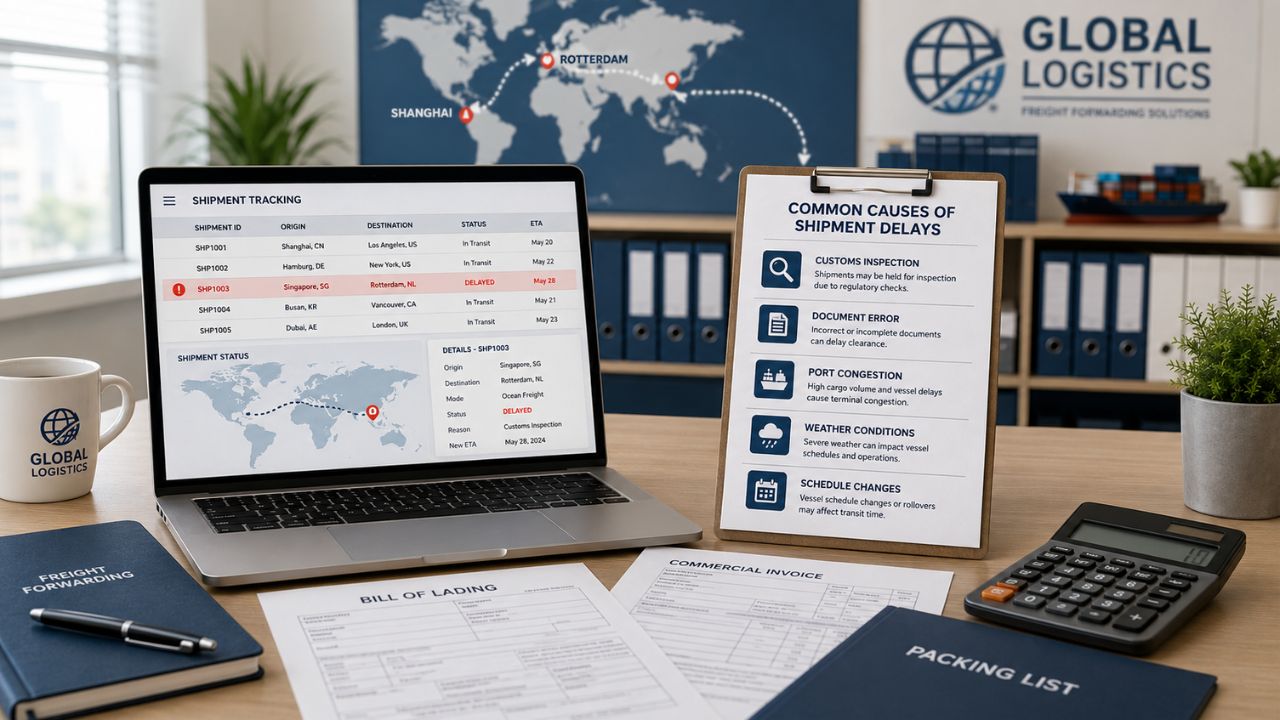
As long as your business requires international transportation, freight forwarders are a good choice.
- If you are a novice in international transportation, a forwarder handles everything for you.
- If you ship large volumes or high-value items, forwarders can negotiate better rates and provide insurance for valuable cargo.
- When you need to ship to different countries, each country has different customs requirements. Forwarders know the rules everywhere.
- If you don’t have an in-house logistics team, most small and medium businesses can’t afford dedicated logistics staff. A freight forwarder will help you.
FAQ
What Is the Difference Between a Freight Forwarder and a Shipping Company?
Shipping companies have their own transportation vehicles, such as ships, planes, or trucks. They are responsible for physically transporting your goods from one place to another.
Freight forwarders are different. They do not own these transportation vehicles. They are responsible for coordinating the entire transportation process: selecting carriers, preparing documents, handling customs declaration and clearance, and tracking the goods.
What are LCL and FCL of Sea Freight?
FCL (Full Container Load) means that your goods fill an entire container—even if it’s not completely full, the container will be occupied by your goods alone. The container is sealed at the place of departure and opened at the destination. The number of intermediate transshipments is minimized.
LCL (Less-than-Capacity Load) refers to your goods being shared in the same container with those of other customers. The freight agent packs the goods of multiple customers into one box at the departure point and then separates them at the destination.
What Causes Delays in Freight Forwarding Shipments?
Document errors; random checks by customs; port congestion; adverse weather such as typhoons, heavy rain, or dense fog; and changes in vessel schedules or flight operations.
Choosing an experienced freight forwarder can effectively reduce the risk of these delays.
How Long Does Freight Forwarding Usually Take?
The delivery times for different transportation methods vary:
Air freight: Usually 5 to 10 days
Shipping: Usually 20 to 45 days
Railway transportation: The speed varies depending on the route. It is faster than sea transportation but slower than air transportation.
And the actual time will be affected by various factors such as the specific shipping route, the congestion level at the ports, the customs clearance speed, and whether you choose FCL or LCL (LCL may take longer due to the consolidation and unpacking process).
What Is a Freight Quote and How Is It Calculated?
A freight quote is an estimated shipping cost provided by a freight forwarder based on your goods and transportation requirements. Quotation calculations typically take into account the following factors:
- Base freight: calculated based on transportation mode (ocean/air/rail), cargo weight/volume, and route distance
- Surcharges: fuel surcharge, peak season surcharge, port congestion surcharge, etc.
- Service fees: booking fee, documentation fee, customs clearance fee, etc.
Final Thoughts
Whether you are a small business making its first foreign trade order or a mature company exploring new markets, an excellent freight forwarder can help you save time and money. DFH Logistics has 13 years of experience in customs regulations, carrier negotiations, and logistics coordination to help you.