
Shipping from China to Thailand
Flexible end-to-end shipping solutions for your smooth imports from China to Thailand


Shipping from China to Thailand
DFH Logistics is honored to serve more than 30,000 global customers shipping from China to destinations worldwide. Southeast Asia is our major market and we specialize in shipping from China to Thailand. Our core services include air freight, sea freight, truck freight and DDP shipping.
Our experienced team with over 15 years of experience in international logistics have the capacity to handle every stage of the entire shipping process. You only need to focus on your business and leave logistics to us.
With tailored and flexible shipping solutions, we help importers, manufacturers, wholesalers, and buyers to reduce total landed cost and improve efficiency.
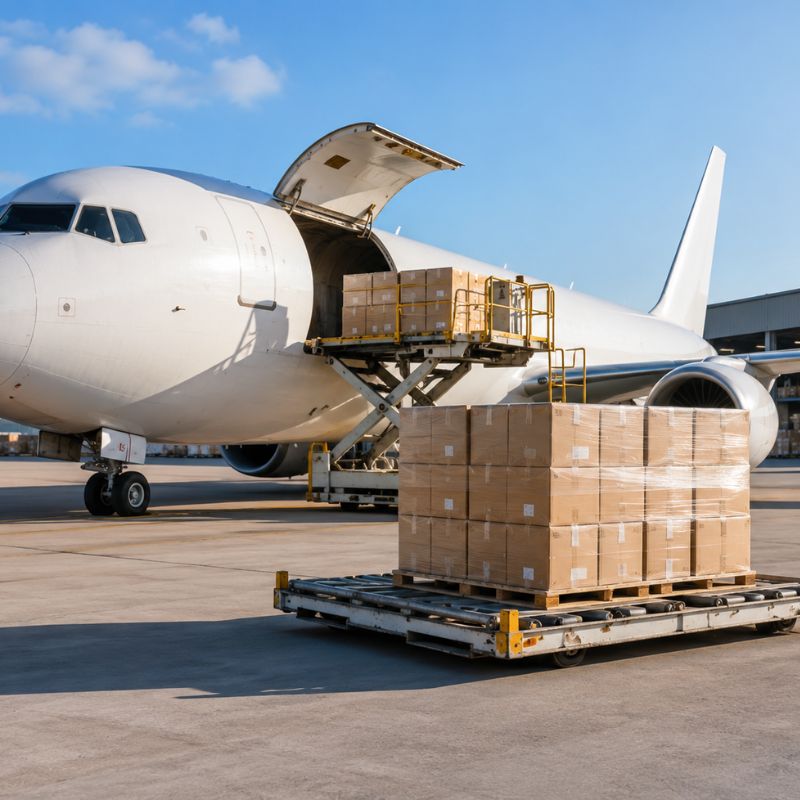
Air freight from China to Thailand takes 2-3 days. It’s faster than sea freight and truck freight, but also more expensive than them.
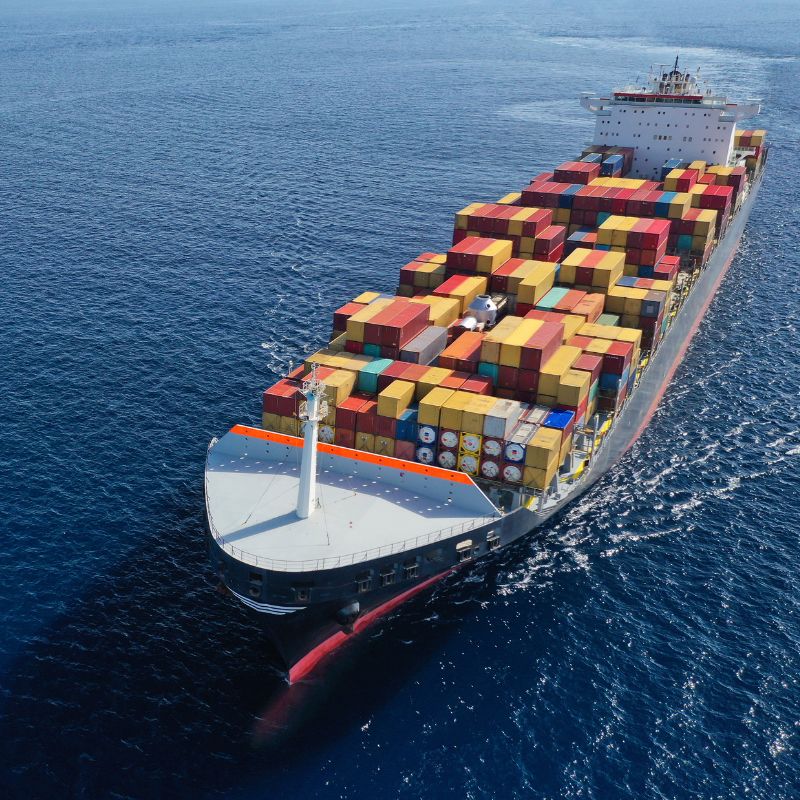
Sea freight is the most cost-effective option for bulk shipments. With a transit time of 12-18 days, it offers FCL (Full Container Load) and LCL (Less than Container Load) options for different volume shipments.
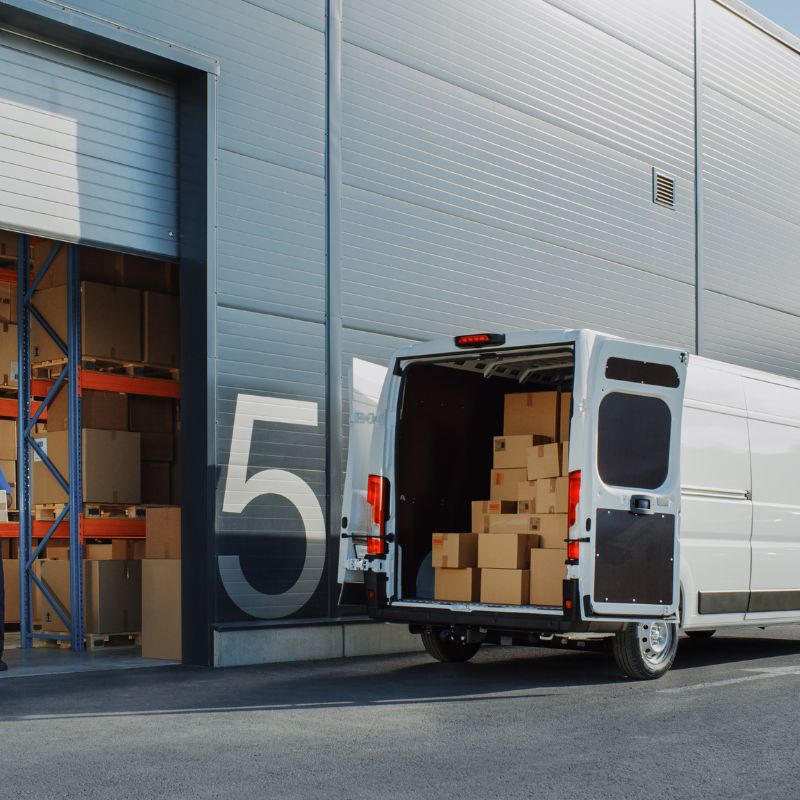
Truck freight offers a flexible door-to-door solution with a transit time of 6-8 days. Shipping from China to Thailand by road offers a good alternative balanced speed and costs.
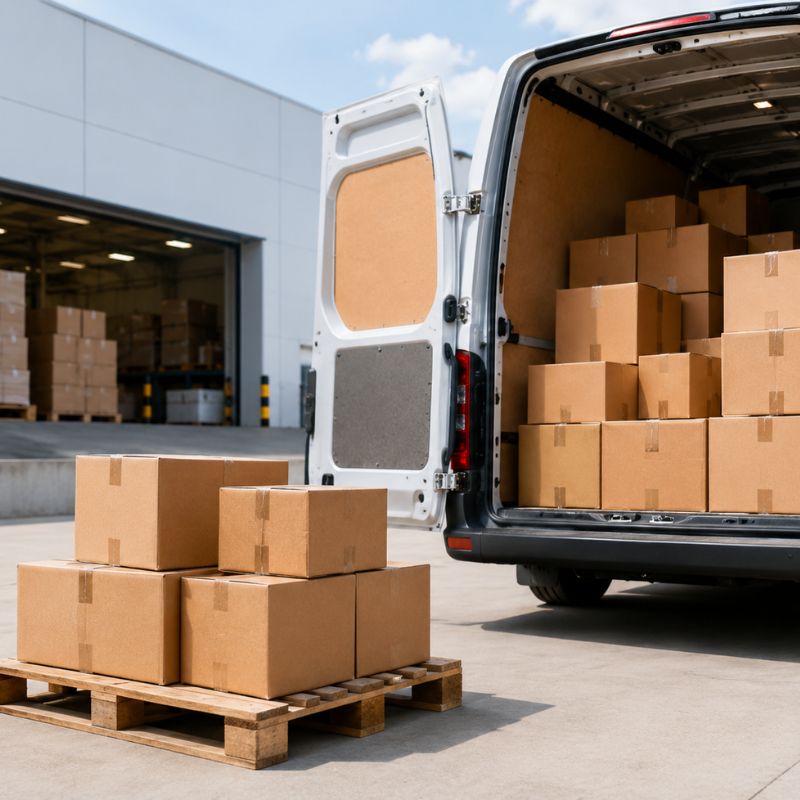
Express freight provides the fastest solution from China to Thailand of 3-4 days. But it is also the most expensive solution. Express freight is suitable for time-sensitive cargo, samples and documents.
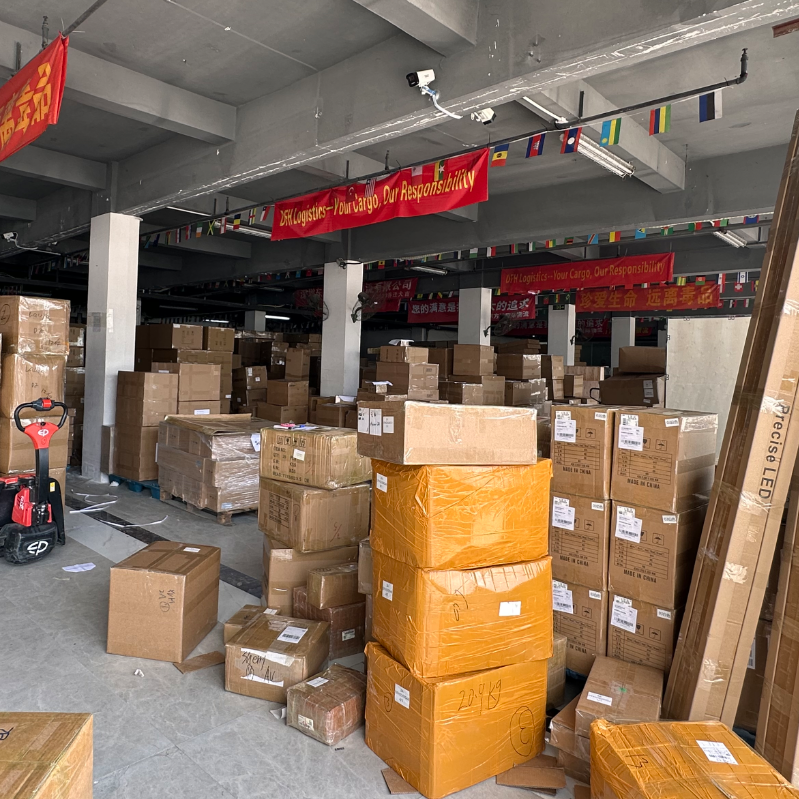
DDP shipping is one of the most convenient shipping solutions, as it includes the entire shipping process from cargo pickup, export and import customs clearance, international transportation, duties & VAT, to final delivery.
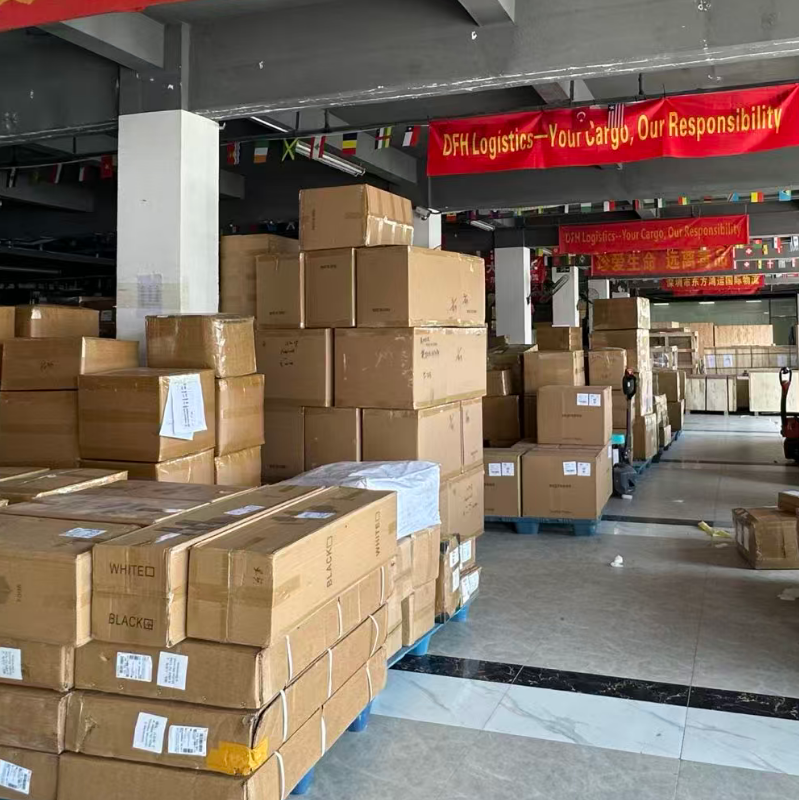
Our experienced team handles import and export customs procedures and shipping documents, ensuring your cargo clears customs smoothly.
Why Choose DFH Logistics Shipping from China to Thailand?
- One stop door-to-door delivery to simplify your supply chain and improve efficiency.
- Multiple shipping methods to meet your different requirements and various shipments.
- Transparent and competitive pricing offers you predictable total landed costs without hidden fees.
- Comprehensive value-added services make your cargo more efficient and safe with careful handling.
- Support multiple payment methods to suit different business needs, making cross-border payments faster and more convenient.
- Our free 15 days warehousing service gives you more flexibility to coordinate shipments from multiple suppliers.
What Is the Shipping Cost from China to Thailand?
Express freight from China to Thailand costs $4–$7 /kg, and air freight costs $3–$5/kg. Sea freight LCL costs $0.2–$0.8 /kg, while sea freight FCL costs $400-$800 depending on different containers. Truck freight costs ranging from $1.5–$4/kg.
The cheapest way to ship from China to Thailand is sea freight, as it has the lowest unit price. If delivery time is not the top priority, sea freight is the most cost-effective solution.
The following prices of general goods with standard packaging are only for your reference in July, 2026. If your goods contain batteries, magnetic, irregular package and branded products, contact us and our service manager will provide you with an accurate quotation based on your cargo type, quantity, weight and package type.
| Shipping Method | Reference Unit Price | Pricing Basis |
| Express | $4–$7 /kg | by Chargeable Weight |
| Air Freight | $3–$5/kg | by Chargeable Weight |
| Sea Freight LCL | $0.2–$0.8 /kg | by Chargeable Weight |
| Sea Freight FCL | $400-$800 | by Container |
| Truck Freight | $1.5–$4/kg | by Chargeable Weight |
What Is the Shipping Time from China to Thailand?
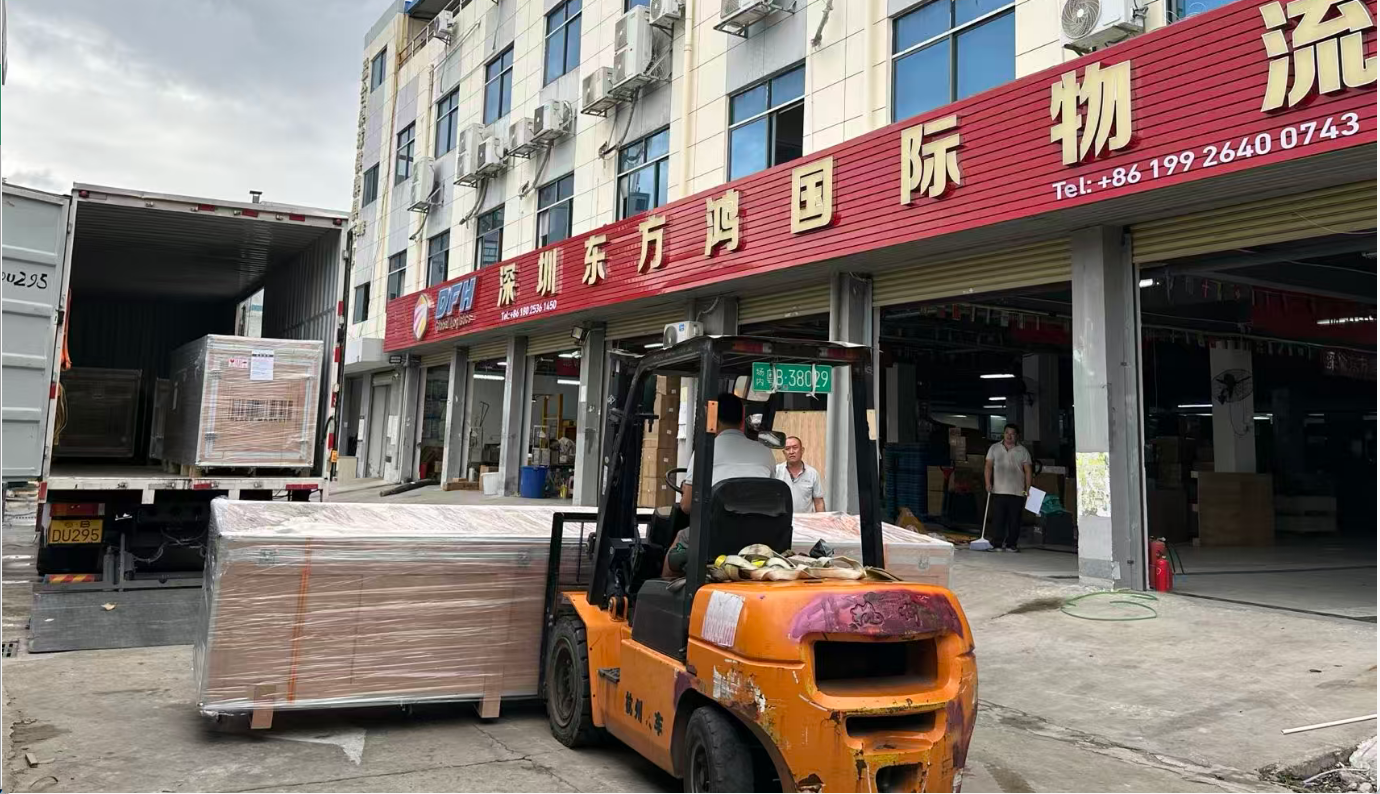
Express freight from China to Thailand takes 3-4 days, and air freight takes 2-3 days. Sea freight from China to Thailand takes 12-18 days, while truck freight takes 6-8 days.
Shipping time may be affected by peak season, customs clearance efficiency, coordination efficiency, final destination location and so on. If you want a more accurate shipping time, you should consider various factors, including customs clearance, weather conditions, shipping demand, coordination efficiency and previous shipment experience.
| Shipping Method | Transit Time |
| Express Freight | 3-4 days |
| Air Freight | 2-3 days |
| Sea Freight | 12-18 days |
| Truck Freight | 6-8 days |
How to Import from China to Thailand?
The following is the standard process for importers to know, and there is also something that needs to pay attention to.
Step 1: Find a Reliable Chinese Supplier
Importers choose the right supplier and confirm cargo quantity, specification, lead time, packaging requirement, and trade term.
Step 2: Choose the Suitable Shipping Method
No matter which shipping method to choose, importers should contact freight forwarders in advance to get quotations, delivery time, and service coverage. In this way, freight forwarders can provide you with a better solution.
Step 3: Prepare for Shipment
When you have chosen a freight forwarder and your goods are ready to ship, the freight forwarder will collect goods at their warehouse and arrange necessary pre-shipment services to ensure cargo compliance.
Step 4: Export Customs Clearance in China
Importers can handle the customs clearance by themselves or let a freight forwarder clear customs. In this step, importers should ensure all documents are correct and complete.
Step 5: International Transportation
During transit, your freight forwarder will monitor shipment and update you with real-time status.
Step 6: Import Customs Clearance in Thailand
Importers must go through import customs clearance in Thailand and pay duties & taxes before customs release cargo.
Step 7: Final Delivery
The last step is cargo door-to-door delivery to your designated location. Importers can check goods if complete and intact.
What Is the Best Shipping Method from China to Thailand?
Importers can choose the best shipping method based on cargo volume, size and budget.
- Cargo ranges from 1-15CBM and not urgent → Choose sea freight LCL
- Cargo over 15 CBM → Choose sea freight FCL
- Small parcels and samples → Choose express freight
- Time-sensitive cargo ranges from 45-1000kg → Choose air freight
- Want a balance between cost and speed → Truck freight
If you need the best shipping method from China to Thailand, contact us to get a customized solution for your specific shipments.
How to Calculate Import Duty and Tax from China to Thailand?
Import duty and VAT have an impact on total landed costs. They are calculated based on HS code and CIF value. Import duty rates range from 0-80%, and standard VAT rate is 7% on imported goods. Duty rate of up to 80% may seem high, but such rates only apply to certain protected or sensitive products, like agricultural products. Import duty rates vary depending on product classification and declared value.
How to Find the Best Freight Forwarder from China to Thailand?
Choosing the right freight forwarder is one of the most important things for importers. A professional freight forwarder can reduce potential risks, enhance cargo safety and avoid unnecessary costs. Followings are the main consideration when selecting a freight forwarder.
Pricing Structure
Importers should be alarmed by the extremely low price, although it is very appealing. The price much lower than market price may lead to additional charges after shipment. You need to confirm what service is included at that price. Clear and detailed pricing structure can avoid unnecessary disputes.
Experience in China-Thailand Shipping
Experienced freight forwarders have a very good understanding of customs regulation, shipping options and potential risks. They provide smooth shipping service from China to Thailand.
Communication and Fulfillment
Effective communication is essential for international logistics. A professional freight forwarder provides instant feedback and timely updates. You don’t need to worry about the freight forwarder’s service reliability.
Customs Clearance Capacity
Some importers may not want to handle the customs clearance by themselves. In this case, make sure that your freight forwarder can clear customs smoothly before cooperation. Otherwise, you need to find another service provider.
Service Range
Powerful freight forwarders can deal with the entire shipping process end-to-end. They can meet various requirements of importers with customized shipping solutions.
What Are the Main Routes from China to Thailand?
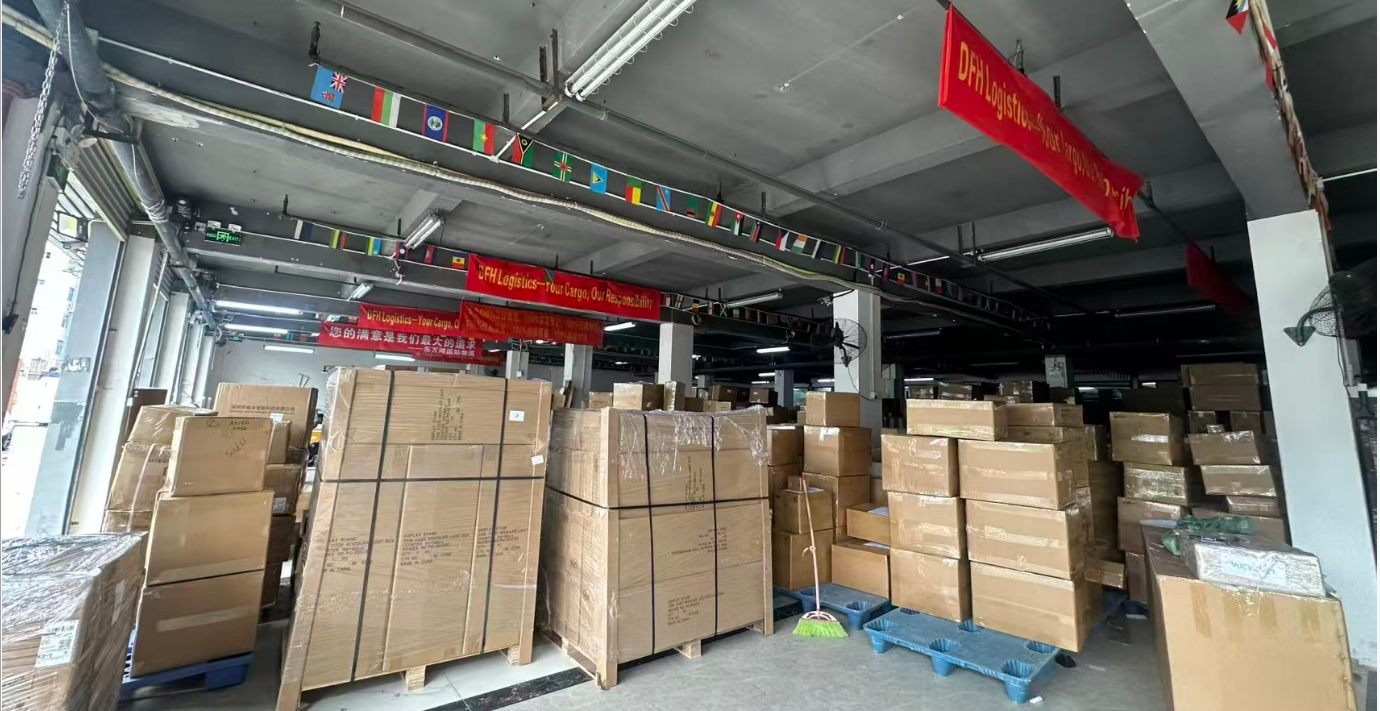
The shipments mainly depart from major logistics hubs in China such as Shanghai, Shenzhen, Guangzhou to Bangkok and Chonburi in Thailand. Bangkok is the primary logistics and distribution hub in Thailand, and Thailand’s largest seaport is located in Laem Chabang. The following are the main routes from China to Thailand:
- Air Freight: Shenzhen(SZX) / Guangzhou(CAN) / Shanghai(PVG) / Beijing(PEK) → Suvarnabhumi Airport(BKK) / Don Mueang International Airport(DMK)
- Sea Freight: Port of Shanghai / Shenzhen / Ningbo / Qingdao → Laem Chabang Port / Bangkok Port / Map Ta Phut Port
- Truck Freight: Shenzhen / Guangzhou / Kunming → Laos → Thailand
DDP vs EXW vs FOB: Which One Should You Choose?
Importers who want sellers to arrange the whole shipping process can choose DDP. It’s one of the most convenient and simple trade terms for buyers. Experienced importers who have their own logistics partners can choose EXW to control the costs better. If you have regular sea shipments, FOB is a good option.
| Incoterm | Seller’s Responsibility | Buyer’s Responsibility |
| EXW (Ex Works) | Makes the goods available at the factory. | Handles cargo pickup, export customs clearance, international shipping, import customs clearance, duties and VAT, and final delivery. |
| FOB (Free on Board) | Delivers the goods to the port, completes export customs clearance, and loads them onto the vessel. | Arranges sea freight, insurance (optional), import customs clearance, duties, and final delivery. |
| DDP (Delivered Duty Paid) | Manages the entire shipping process from cargo collection to final delivery. | Simply receives the goods at the destination. |
What Documents Are Required for Shipping from China to Thailand?
Normally, the common shipping documents are as follow:
1. Commercial Invoice
Commercial invoice must contain seller and buyer’s information, product description, specification, HS code, quantity, unit price, total price, currency, Incoterm, and country of origin.
2. Packing List
Packing list should include following information: cargo quantity, packaging type, net weight, gross weight, dimension, and shipping mark.
3. Bill of Lading (B/L) / Air Waybill (AWB)
This document serves as proof that the carrier has received the cargo from the shipper. It is normally issued by carriers.
4. Certificate of Origin (CO)
It shows where the goods were manufactured and may be required to qualify for preferential tariff treatment.
5. Declaration Elements
Declaration elements are required for some products, such as electronics, gearbox, motors and so on. It should contain product brand, model, function, and additional specification.
6. Customs Declaration Form
Customs Declaration Form is used for customs clearance. It normally includes importer and exporter’s information, HS code, cargo value, trade terms and so on.
7. Other Permits and Certificates
Some products need additional permits and certifications, such as CE, CB, Rohs, Material Safety Data Sheet (MSDS/SDS), Fumigation Certificate, etc.
What Common Problems Importers Should Know?
Every step in the international process is key to business success. Importers should pay attention to the points below.
Shipment Delays
Although shipping routes between China and Thailand are very mature, there is still the risk of shipment delays. Natural factors, labor issues, and force majeure events all will affect shipment efficiency. Importers need to plan their shipments in advance to avoid delays.
Hidden Fees
The common hidden fees include fuel surcharges, remote area surcharges, terminal handling charges, storage surcharges, demurrage fees, and overweight fees. The best way to avoid hidden fees is to confirm clearly about service range or directly work with an honest freight forwarder.
Customs Inspection
Customs conduct random inspections on imported goods. This can not be controlled by freight forwarders or carriers. Importers with bad customs records will lead to higher risk of inspection. It’s recommended to comply with customs regulations to ensure safe inspection.
Cargo Compliance
Some goods are not allowed to be imported in Thailand, while some goods are under control and require permits and approval. Importers should confirm if their goods are compliant with shipping, customs and import regulations.
Goods Damage and Loss
Unqualified packaging, handling, stacking, loading and unloading all can result in cargo damage. Although cargo loss is uncommon, there is still a small possibility of happening. Importers can buy cargo insurance to prevent financial loss or work with a freight forwarder that handles cargo carefully.