
Sea Freight from China to Australia
Cost-effective, Reliable, and Personalized Sea Freight Solution



Our Sea Freight from China to Australia Services
Our sea freight services from China to Australia provide flexible and reliable shipping solutions for businesses of different shipment sizes and requirements. From FCL and LCL shipping to Amazon FBA, customs clearance, and cargo insurance, we cover key stages of the international shipping process.
Whether you need port-to-port transportation or a complete door-to-door solution, our logistics team coordinates each stage from China to Australia. We help businesses simplify shipping procedures, control logistics costs, and ensure smoother cargo delivery.
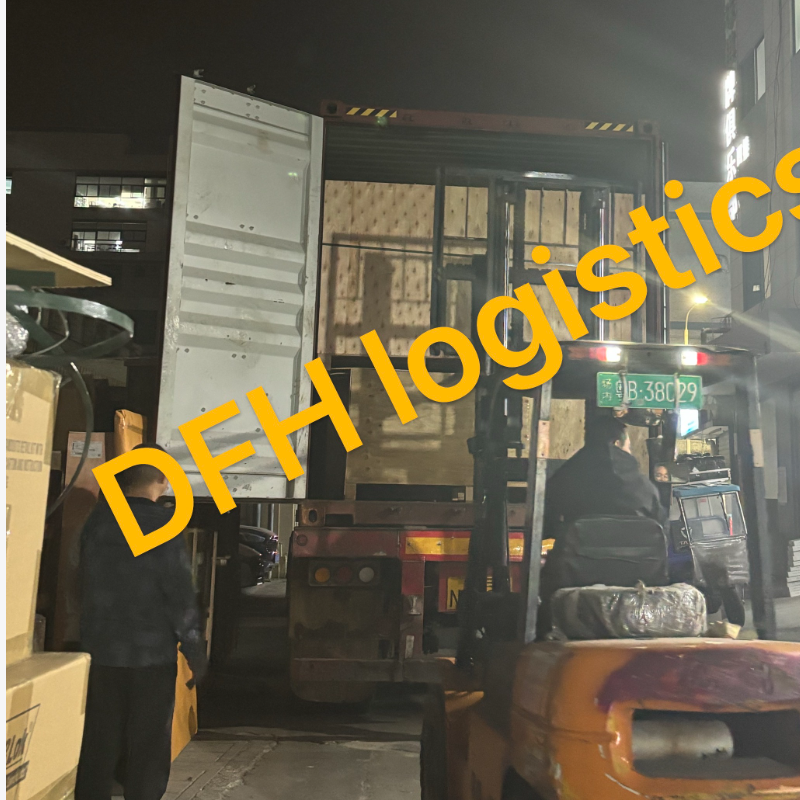
For large-volume shipments, our FCL service provides different sizes of containers, with support for cargo pickup, export customs clearance, ocean transportation, and final delivery.
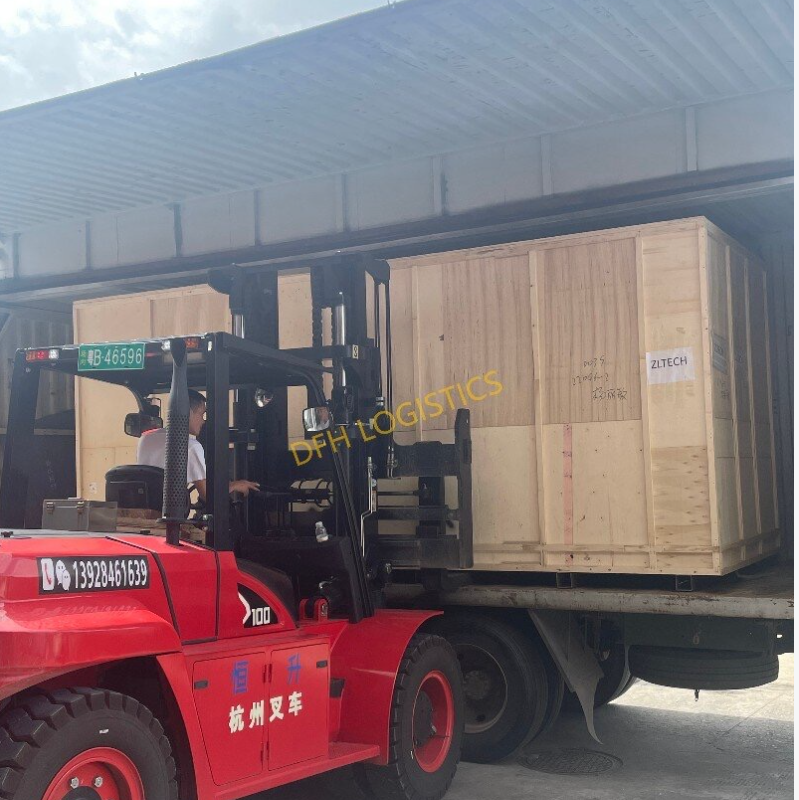
For smaller shipments, our LCL service consolidates cargo with other shipments to provide a flexible and cost-effective option.
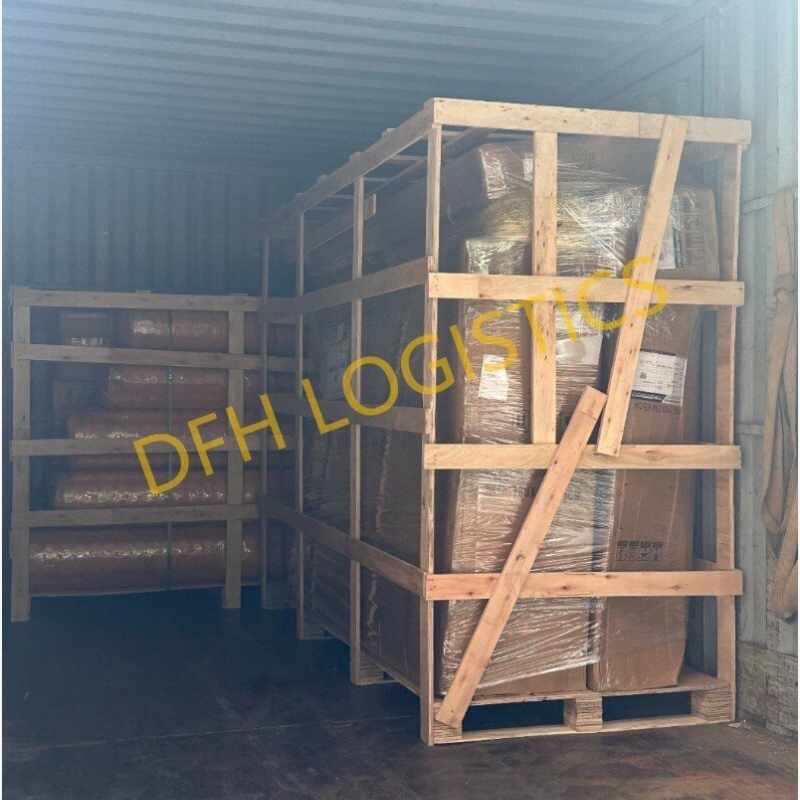
Our door-to-door service manages the entire shipping process from the supplier’s warehouse in China to the final address in Australia, reducing the need to coordinate multiple logistics providers.
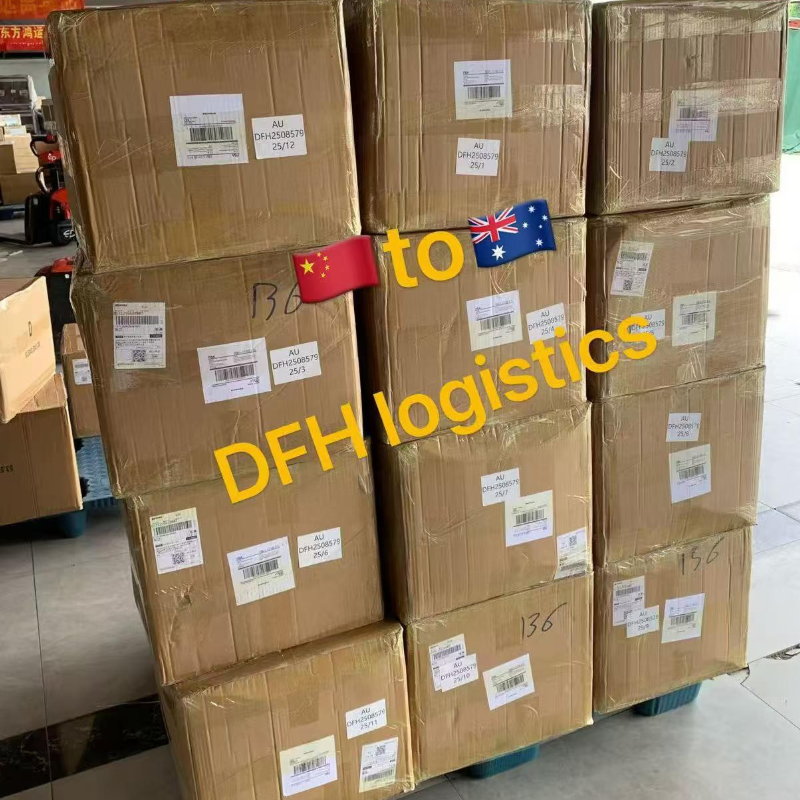
We provide sea freight solutions for Amazon sellers, helping them have a cost-effective, reliable, and smooth shipping experience.
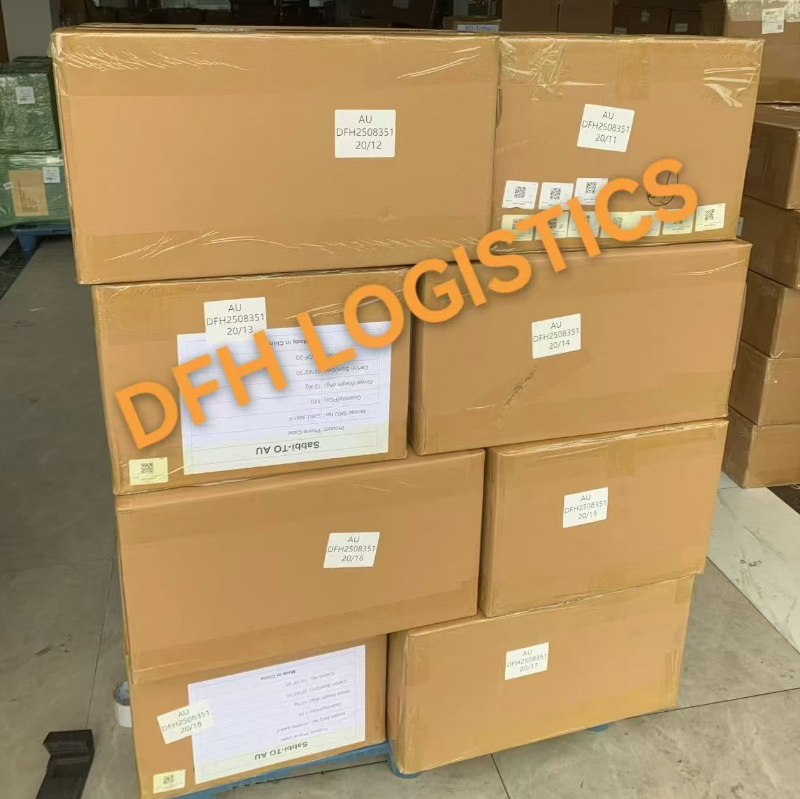
We can help arrange cargo insurance based on the shipment value, cargo type, and transportation requirements, providing additional protection against potential risks during international transportation.
Our customs clearance service helps coordinate export and import procedures, shipping documents, duties, taxes, and destination requirements to simplify the clearance process and reduce potential delays.
Why Choose DFH Logistics for Your Sea Freight from China to Australia?
- Cost-effective and transparent pricing without hidden fees
- 15 days free storage provides you with more flexibility for the next processing
- Professional team ensures compliant documentation and efficient customs clearance
- Door-to-door options that simplify international shipping and destination procedures
- Multi-supplier consolidation to help businesses save shipping costs and improve shipment efficiency
- Dedicated customer service provides responsive and safe feedback
Our Successful Sea Freight Shipment from China to Australia
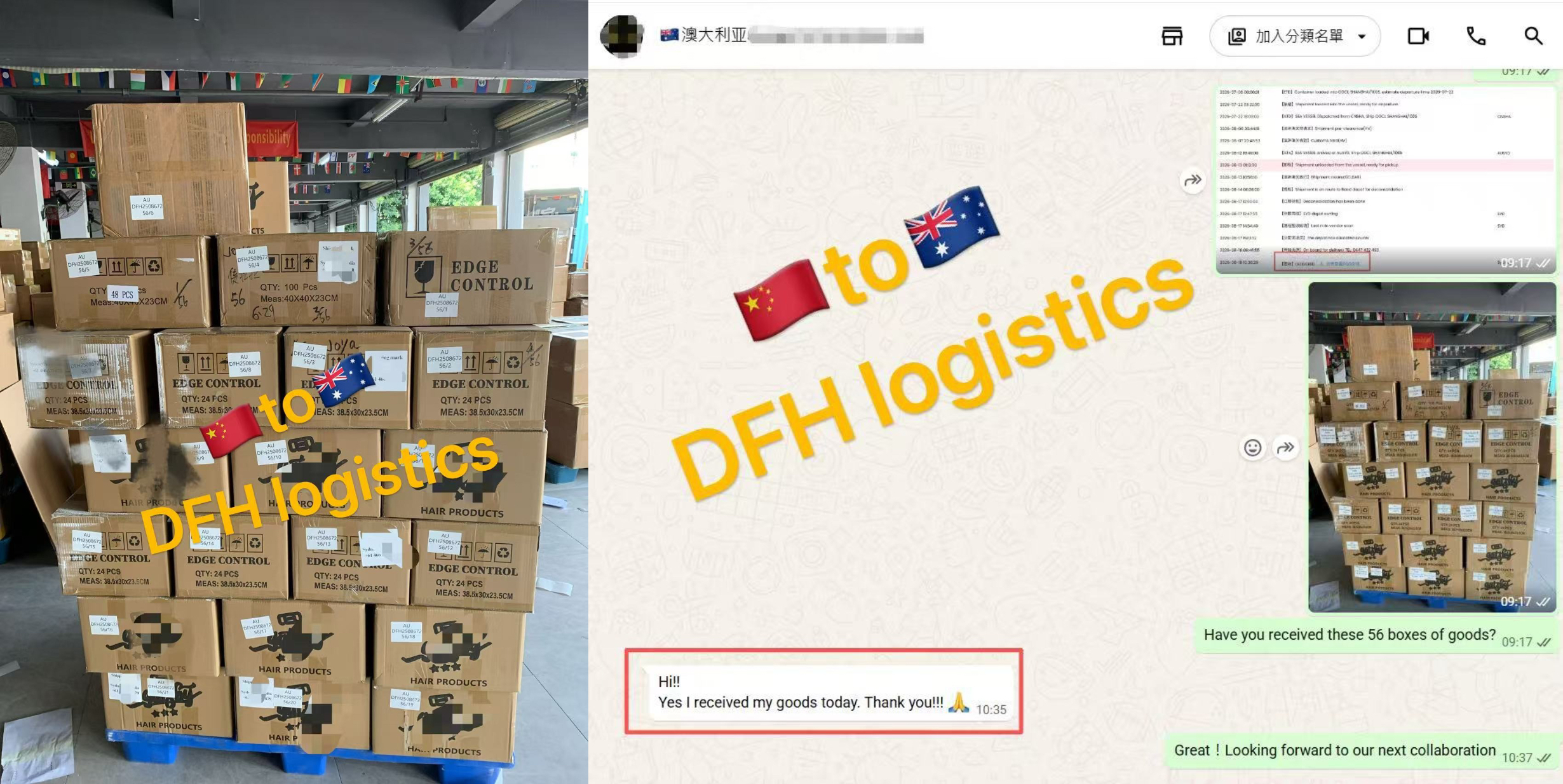
Case 1: Shipping Hair Gel from China to Australia by Sea Freight DDP
The customer is an Australian wholesaler specializing in hair care products. They purchased a large shipment of hair gel from China and needed a cost-effective shipping solution to Australia. The shipment included 56 cartons weighing 982 kg.
The customer was concerned about the complexity of international shipping, especially import customs clearance and destination procedures in Australia. They also wanted to control shipping costs while maintaining a reliable transit time for their commercial inventory.
DFH Logistics arranged Sea Freight DDP from China to Australia, covering cargo pickup, export customs clearance, ocean freight, import customs coordination, duties and taxes, and final delivery. The shipment arrived after 27 days from departure, providing the customer with a convenient door-to-door solution.
| Shipment Details | Information |
| Product | Hair Gel |
| Quantity | 56 Cartons |
| Total Weight | 982 KG |
| Shipping Method | Sea Freight DDP |
| Transit Time | 27 Days After Departure |
Case 2: Shipping Fitness Equipment from China to Australia by Sea Freight DDP
The customer is an Australian fitness equipment distributor sourcing products from China for local sales. They needed a reliable and cost-effective solution for a commercial shipment of 25 cartons of fitness equipment.
The customer wanted to reduce international shipping costs while avoiding the complexity of export and import procedures. They needed a convenient solution with a predictable transit time for their inventory planning.
DFH Logistics arranged Sea Freight DDP from China to Australia, covering cargo pickup, export customs clearance, ocean freight, import customs coordination, and final delivery. The shipment arrived 27 days after departure, providing the customer with a convenient door-to-door shipping solution.
| Shipment Details | Information |
| Product | Fitness Equipment |
| Quantity | 25 Cartons |
| Total Weight | 563 KG |
| Shipping Method | Sea Freight DDP |
| Transit Time | 27 Days After Departure |

Case 3: Shipping Machine Equipment from China to Australia by Sea DDP Door-to-Door
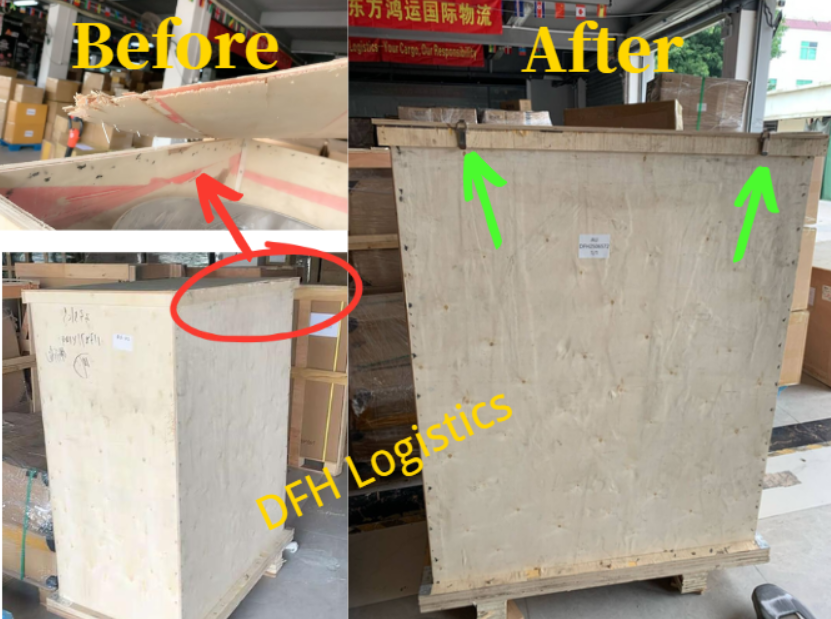
The customer was an Australia-based importer whose factory faced an unexpected equipment failure. They urgently needed to ship a replacement machine from China and required a logistics partner that could respond quickly.
The customer needed a fast quotation and prompt shipping arrangement to minimize downtime. At the same time, they wanted transparent pricing without hidden fees throughout the transportation process.
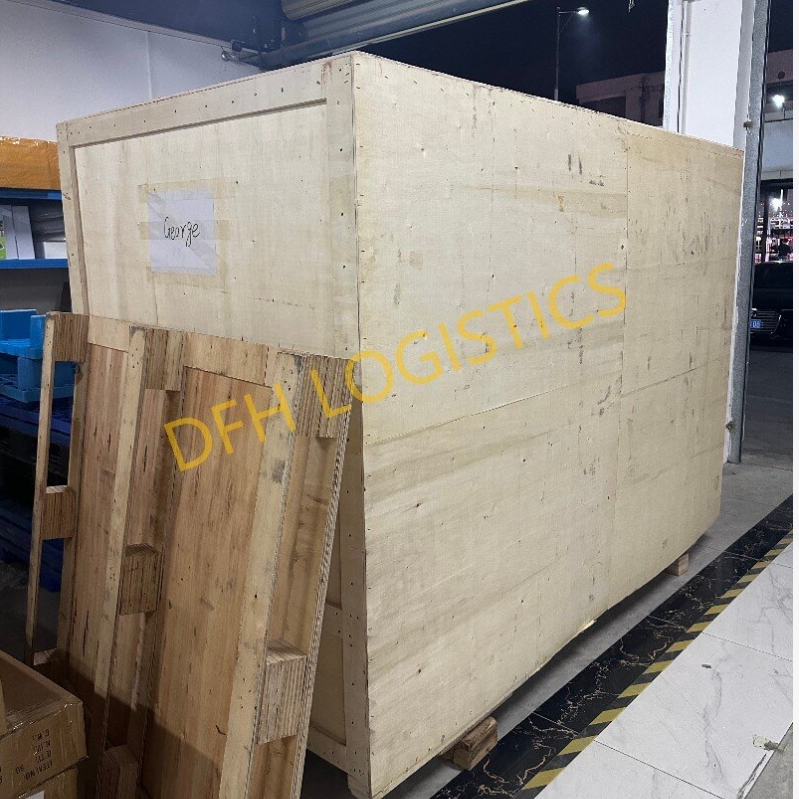
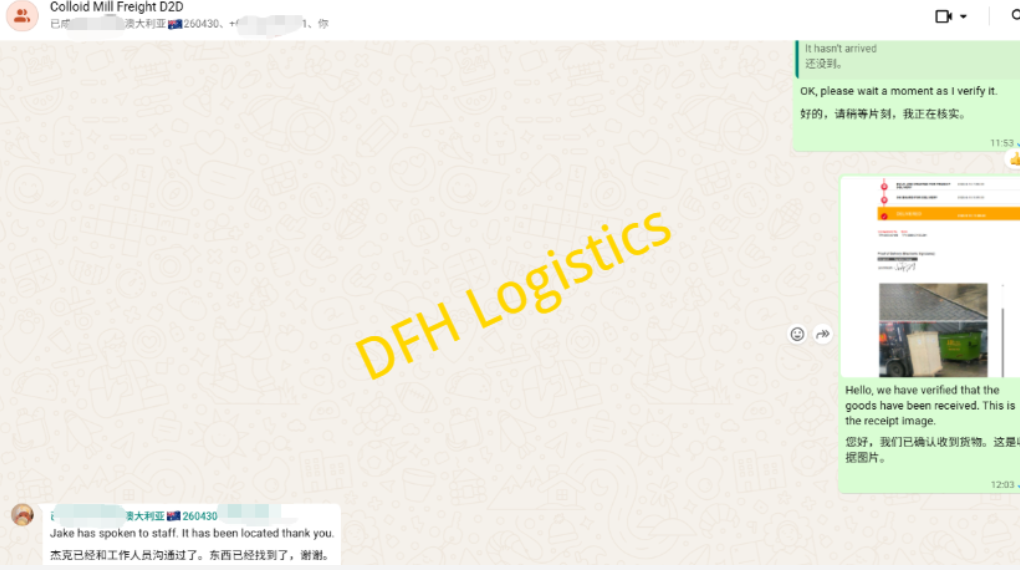
We provided a Sea Freight DDP Door-to-Door solution covering the key shipping and customs procedures from China to Australia. The shipment weighed 335 kg and was packed in 1 wooden case, arriving 23 days after vessel departure with a clear and integrated shipping cost.
| Shipment Details | Information |
| Product | Machine Equipment |
| Quantity | 1 wooden case |
| Total Weight | 335 KG |
| Shipping Method | Sea Freight DDP |
| Transit Time | 23 Days After Departure |
Case 4: Shipping Building Materials from China to Australia by Sea Freight FCL(40HQ)
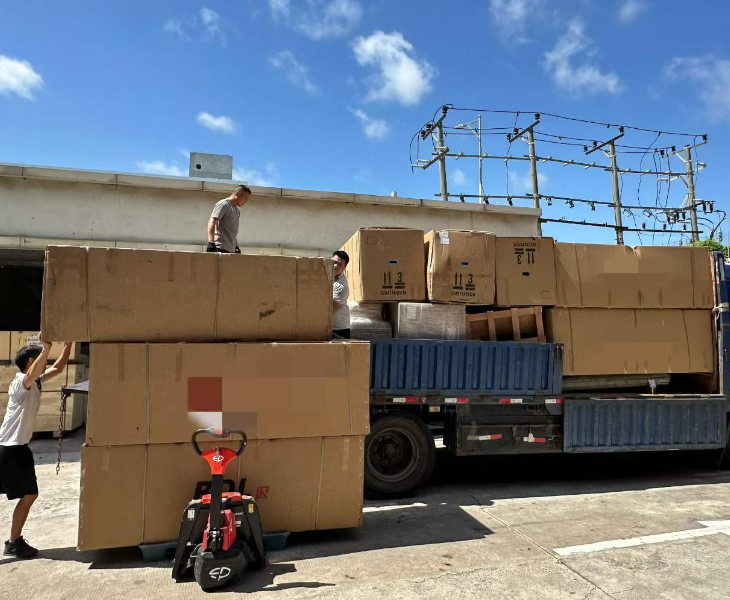
The customer was sourcing building materials from China Foshan City, and needed a cost-effective, door-to-door shipping solution for a large shipment to save costs.
After several phone calls and detailed discussions, we helped the customer find a suitable solution with SOC. We arranged DDP door-to-door shipping, covering factory pickup, loading, ocean freight, customs clearance, and final delivery.
With continuous follow-up throughout the shipment, the customer was able to ship smoothly with a more convenient and worry-free solution.
| Shipment Details | Details |
| Product | Building Materials |
| Shipping Method | Sea Freight FCL |
| Cargo Volume | 1×40 HQ Container |
| Transit Time | 27 Days After Departure |

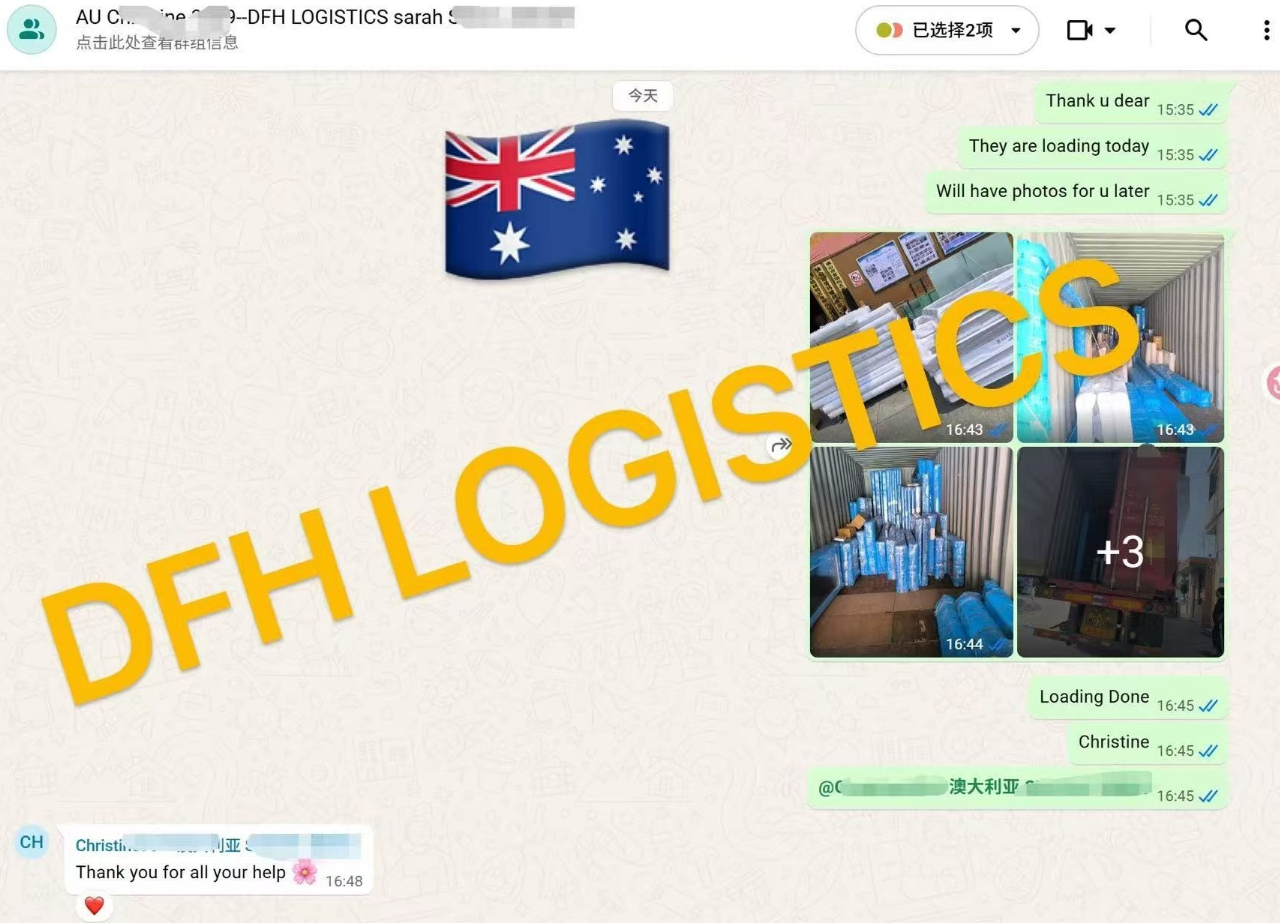
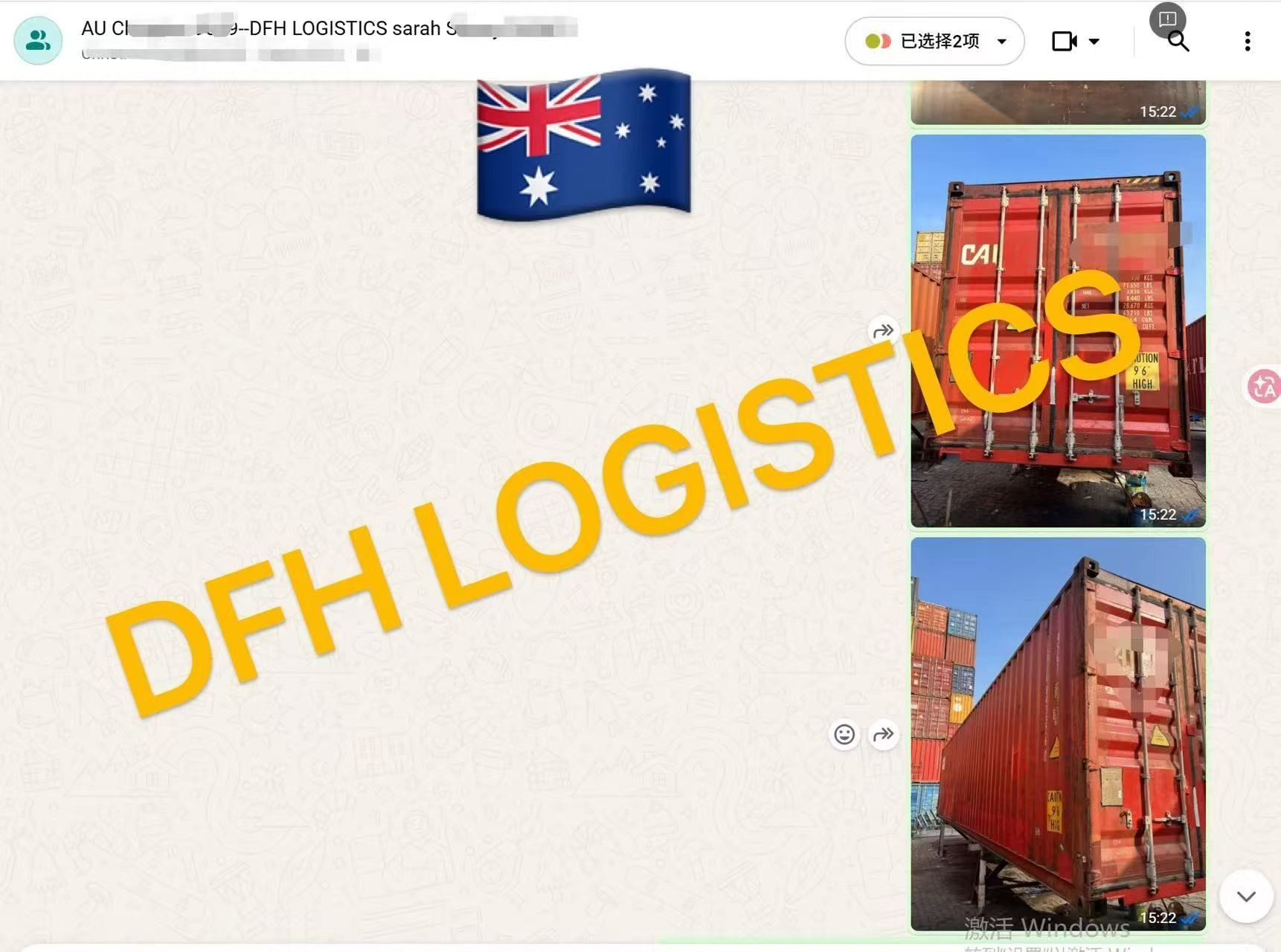
Finally, Client got the got container and unloading at her warehouse after 27days. she was happy for our shipping time and service. said will have more shipments cooperation soon.
If you are importing building materials from China to Australia and want to get hands free shipping solution. Welcome to contact DFH Logsitics any time. Our team will provide you the customized shipping solution to meet your shipping time and shipping budget requirements.
FAQs
How Long Does Sea Freight from China to Australia Take?
Typically, sea freight from China to Australia takes 30-45 days. The transit time for Sea Freight from China to Australia typically depends on the origin port, destination port, shipping route, customs clearance, cargo handling, and final delivery location.
The following transit times are for your reference to arrange the timeline. Working with an experienced freight forwarder can have a more stable transit time.
| China Origin Port | Australia Destination Port | Port-to-Port | Door-to-Door |
| Shenzhen | Sydney | 20–28 days | 30–40 days |
| Shenzhen | Melbourne | 21–29 days | 30–42 days |
| Shanghai | Sydney | 20–28 days | 30–42 days |
| Shanghai | Melbourne | 22–30 days | 32–45 days |
| Ningbo | Sydney | 20–28 days | 30–42 days |
| Ningbo | Melbourne | 22–30 days | 32–45 days |
| Qingdao | Sydney | 23–32 days | 35–45 days |
| Qingdao | Melbourne | 25–33 days | 35–45 days |
What’s the Sea Freight Cost from China to Australia?
Sea freight LCL rates from China to Australia are approximately USD 60–110/CBM, while FCL rates may range from USD 1,800–5,400 per container, depending on the route, container type, and shipping requirements. The following prices are only for your reference,as the price will fluctuate over time.
If you need an accurate quotation, kindly contact us for a customized shipping plan. Tell us your product, weight, CBM, supplier location, and Australian destination. Our team will compare suitable LCL, FCL, and DDP options based on your shipment requirements.
| China Origin Ports | Australia Destination Port | LCL | 20GP | 40HQ |
| Shenzhen, Shanghai, Ningbo | Sydney | USD 60–100/CBM | USD 2,200–2,700 | USD 4,300–5,300 |
| Shenzhen, Shanghai, Ningbo | Melbourne | USD 60–100/CBM | USD 2,200–2,700 | USD 4,300–5,300 |
| Qingdao | Sydney / Brisbane | USD 65–105/CBM | USD 2,300–2,800 | USD 4,400–5,400 |
| Shenzhen, Shanghai | Fremantle | USD 65–110/CBM | USD 1,800–2,400 | USD 3,500–4,600 |
What Factors Affect Sea Freight Rates from China to Australia?
The final shipping cost can vary depending on cargo type, shipping route, service range, and destination requirements. Understanding these factors can help importers compare quotations more accurately and avoid unexpected costs.
1. Cargo Weight and Volume
For LCL shipping, freight charges are generally calculated based on cargo volume or chargeable weight, while FCL shipping is normally charged according to the container type. Cargo weight and volume have a direct and significant impact on freight rates.
2. Origin and Destination
The location of your supplier and final delivery address can affect the total cost.
For example, shipping from major Chinese ports such as Shanghai, Ningbo, Shenzhen, and Qingdao to Australian ports such as Sydney, Melbourne, Brisbane, or Fremantle may involve different ocean freight rates and inland transportation costs.
3. Cargo Type
Different products may require different handling procedures, such as:
- General cargo
- Liquid products
- Dangerous goods
- Oversized cargo
- Fragile products
- Oversized and overweight cargo
- Products requiring special documentation
They can affect the shipping cost and available transportation options.
4. Customs and Destination Charges
Import customs clearance, duties, taxes, port handling, inspection, and local delivery can all contribute to the total landed cost. For this reason, businesses should compare quotations based on the same service scope, rather than comparing only the ocean freight rate.
5. Shipping Season and Market Conditions
Sea freight rates can change according to vessel capacity, seasonal demand, carrier schedules, fuel costs, and other market conditions. For large commercial shipments, it is therefore better to request an updated quotation close to the intended shipping date.
Can I Ship from China to Australia by DDP Sea Freight?
DDP Sea Freight from China to Australia is an ideal option for businesses that want a more convenient door-to-door shipping solution. Under a DDP arrangement, the freight forwarder coordinates multiple stages of the shipment and manages the entire shipment.
Depending on the agreed service scope, DDP shipping may include:
- Supplier pickup in China
- Warehouse handling
- Cargo consolidation
- Repacking, relabeling
- Cargo insurance
- Export customs clearance
- Ocean freight
- Import customs coordination
- Applicable duties and taxes
- Final-mile delivery
- Shipment tracking
This can be particularly useful for wholesalers, distributors, e-commerce businesses, and companies importing commercial inventory from multiple Chinese suppliers.
How to Ship from China to Australia by Sea?
The process of sea shipping from China to Australia usually involves several stages. Working with an experienced freight forwarder can help coordinate these steps and reduce the operational workload for the importer.
Step 1: Provide Cargo Details
Start by providing:
- Product name
- Cargo quantity
- Total weight
- Cargo size
- Supplier location
- Destination address
- Preferred shipping method
Step 2: Choose FCL or LCL
Your cargo volume will usually determine whether FCL or LCL is more suitable. Smaller shipments can be consolidated through LCL, while larger shipments may benefit from a dedicated container.
Step 3: Arrange Supplier Pickup
The freight forwarder can collect the cargo from the supplier’s warehouse and transport it to a designated warehouse or container loading facility. If you work with multiple suppliers, cargo can also be consolidated before export by your freight forwarder.
Step 4: Complete Export Customs Clearance
The shipment must go through export procedures in China. Commercial invoices, packing lists, and other required documents should be prepared accurately.
Step 5: Ocean Transportation
Once the cargo is ready and export procedures are completed, the shipment is loaded and transported by sea to Australia.
Step 6: Import Customs Clearance
After arrival, the cargo must complete the applicable Australian import procedures. Depending on the product, customs and other regulatory requirements may apply.
Step 7: Final Delivery
After customs clearance and destination handling, the cargo can be delivered to the customer’s warehouse, business address, Amazon FBA location, or other designated destination.
What Are Major Sea Routes from China to Australia?
China and Australia have several major shipping routes. The most suitable route depends on the supplier location, destination, cargo volume, vessel schedule, and final delivery address.
Common China Origin Ports
Major Chinese ports used for Australia-bound shipments include:
- Shanghai Port: Shanghai Port is one of the world’s largest container shipping hubs, with extensive international services and strong connectivity to major Australian ports.
- Ningbo-Zhoushan Port: Ningbo-Zhoushan Port is a major deep-water container gateway with extensive connections to international markets.
- Shenzhen Port: Including major container terminals such as Yantian and Shekou, is a key export gateway for South China.
- Qingdao Port: A major northern China gateway with strong container handling capabilities and access to the Yellow Sea.
- Guangzhou Port: Particularly Nansha, is another important gateway for South China exports. It can be a practical option for suppliers located in Guangzhou and surrounding Pearl River Delta manufacturing areas.
Major Australian Destination Ports
Common Australian destination ports include:
- Port of Sydney: The primary container port serving Sydney and New South Wales. Its proximity to Australia’s largest metropolitan market makes it an important destination for businesses distributing goods throughout NSW.
- Port of Melbourne: Australia’s largest container port by container trade volume and serves as a major gateway for Victoria and southeastern Australia.
- Port of Brisbane: The major container gateway for Queensland and provides access to Australia’s northern and eastern markets.
- Port of Fremantle: The major container gateway for Western Australia and is strategically important for cargo destined for Perth and surrounding areas.
- Port Adelaide: Serves South Australia and provides a key container gateway for Adelaide and surrounding markets. It can be particularly useful when the final delivery location is in South Australia.
What Is the Difference between Sea Freight FCL and LCL from China to Australia?
FCL (Full Container Load) shipping means the customer books an entire container, while LCL (Less than Container Load) shipping means the cargo shares container space with shipments from other customers.
| Factor | FCL | LCL |
| Container Space | Dedicated container | Shared container |
| Pricing Structure | Per container | Usually per CBM |
| Suitable Volume | Larger shipments | Smaller shipments |
| Cargo Handling | Generally less handling | More handling |
| Transit | Usually more predictable | May involve consolidation |
| Best For | Wholesalers, manufacturers, distributors | Smaller commercial shipments |
FCL is generally more suitable for larger or regular shipments over 15 CBM, while LCL can be a practical option for smaller commercial shipments that do not require a full container.
Is It Cheaper to Ship from China to Australia by Sea?
For many large and heavy commercial shipments, sea freight is generally more cost-effective than air freight, particularly when delivery time is not extremely urgent. However, the cheapest option depends on the shipment size and service requirements.
Why Is Sea Freight Cheaper?
There are several reasons why sea freight can offer a lower transportation cost:
- Higher cargo capacity — A container vessel can transport a large number of containers in one voyage.
- Lower transportation cost per unit — The cost is spread across a much larger volume of cargo.
- Suitable for heavy cargo — Ocean freight is more economical for machinery, furniture, equipment, and other heavy products.
- FCL cost efficiency — Businesses with sufficient cargo volume can use a dedicated container instead of paying air freight rates based on chargeable weight.
- Better for inventory replenishment — When delivery is not urgent, businesses can trade faster transit for lower logistics costs.
Does Cheaper Ocean Freight Mean Lower Total Shipping Cost?
Not necessarily. This is an important consideration for B2B importers. The ocean freight rate shown on a quotation may represent only the main ocean transportation charge. Additional charges like origin, destination, customs, tax, fuel, and final delivery can increase the final cost.
Therefore, businesses should compare the total landed cost rather than choosing a freight forwarder simply because it offers the lowest ocean freight rate.
How to Track Sea Freight Shipments from China to Australia?
Most sea freight shipments can be tracked using shipping information provided after booking or by your freight forwarder. Depending on the shipment, you may use:
- Bill of Lading number
- Container number
- Booking number
- Vessel name
- Carrier tracking reference
For containerized shipments, the container number is particularly useful for checking vessel and shipment status.
Normally, reliable freight forwarders provide real-time tracking to customers from cargo pickup to final delivery.
What Happens If My Sea Freight Shipment from China to Australia Is Delayed?
Sea freight schedules are affected by many factors, so an estimated transit time should not always be treated as a guaranteed delivery date. Potential causes of delays include:
- Port congestion
- Vessel schedule changes
- Transshipment delays
- Customs inspections
- Incomplete documentation
- Biosecurity inspections
- Severe weather
- Peak-season congestion
- Local delivery issues
When a delay occurs, the logistics provider should first identify where the shipment is and what is causing the delay. They should keep you informed of the updated schedule.