China is a major sourcing destination for Thai furniture importers, offering everything from sofas and dining tables to office furniture and customized products. Whether you are purchasing for resale, furnishing a hotel, or importing furniture for a residential project, choosing the right transportation and import arrangements can make a significant difference to your overall costs.
Importing furniture from China to Thailand requires choosing the right shipping method, preparing customs documents, calculating duty and VAT, and checking product requirements. This guide covers the essentials to help you plan a cost-effective shipment.
Which Shipping Method Is Best for Furniture to Thailand?
Sea freight is generally the preferred option for large and bulky furniture because it offers a practical balance between cargo capacity and transportation cost. However, smaller orders, urgent furniture samples, and certain inland shipments may benefit from other methods.
The following table compares the main shipping options for furniture imports from China to Thailand.
| Shipping Method | Best For | Shipping Time | Main Advantages |
| LCL Sea Freight | Small furniture orders and mixed purchases from several suppliers | Long | Share container space without booking a full container |
| FCL Sea Freight | Large orders, showroom stock, hotel furniture and full-home shipments | Moderate | Dedicated container space with fewer shared-cargo handling stages |
| Air Freight | Urgent samples, small high-value items and furniture fittings | Short | Faster international transportation |
| Express Shipping | Small cartons, hardware, accessories and replacement parts | Very Short | Convenient courier delivery and shipment tracking |
If you are unsure which transportation method suits your furniture, you can share your cargo dimensions, weight, CBM, budget, and delivery deadline with us. We can help compare available shipping options.
Major Shipping Ports in China and Thailand for Furniture Imports
Choosing suitable departure and arrival ports can reduce inland transportation costs and improve shipment planning. The most convenient route depends on where your furniture suppliers are located and where the goods need to be delivered in Thailand.
Major Furniture Export Ports in China
- Shenzhen Port (Yantian and Shekou): Suitable for furniture collected in Shenzhen, Dongguan, Huizhou, and other parts of Guangdong. It offers container shipping connections to major Thai ports.
- Guangzhou Port (Nansha): A practical option for furniture sourced from Foshan, Guangzhou, Zhongshan, and surrounding manufacturing areas. This is particularly relevant for buyers purchasing furniture from Foshan factories and wholesale markets.
- Shanghai Port: Commonly used for furniture manufactured in Shanghai, southern Jiangsu, and nearby regions. It provides international container shipping connections to Thailand.
- Ningbo-Zhoushan Port: Suitable for furniture suppliers in Ningbo, Hangzhou, and other parts of Zhejiang Province.
- Xiamen Port: An option for furniture and home furnishing products sourced from Fujian and nearby manufacturing areas.
- Qingdao Port: Serves suppliers in Shandong and northern China, although some Thailand-bound shipments may require transshipment.
Main Furniture Import Ports in Thailand
- Laem Chabang Port: One of Thailand’s principal deep-sea container gateways. It is commonly used for furniture imports destined for Bangkok, Chonburi, Pattaya, Rayong, and other areas in central and eastern Thailand.
- Bangkok Port (Khlong Toei): May be convenient for certain shipments delivered within Bangkok and its surrounding areas. However, vessel availability, port restrictions, and local handling costs should be compared with Laem Chabang.
- Songkhla Port: Serves parts of southern Thailand, including Songkhla and Hat Yai. Service frequency and possible transshipment requirements should be confirmed before choosing this destination.
How to Choose the Most Suitable Port
The nearest port is not always the cheapest overall option. You should consider ocean freight, available sailing schedules, terminal charges, customs clearance, and inland delivery costs.
For example, furniture purchased in Foshan may be shipped through Guangzhou Nansha, while goods purchased from several suppliers across Guangdong may first be consolidated at a Shenzhen warehouse.
Similarly, a shipment destined for central Bangkok may be routed through Laem Chabang or Bangkok Port depending on the available service and total delivered cost.
You can provide us with your supplier cities and final Thai delivery address, and we can help compare practical port and delivery arrangements before shipping.
Shipping Time from China to Thailand
Shipping furniture from China to Thailand typically takes longer by sea than by air or express. Actual delivery time depends on the departure city, shipping method, customs clearance, and final destination. The table below provides estimated Door-to-Door shipping times for common China–Thailand routes to help you compare the available options.
| Shipping Route | Sea Freight | Air Freight | Express |
| Shenzhen → Laem Chabang / Thailand | 10–12 days | 2–4 days | 2–4 work days |
| Foshan / Guangzhou → Laem Chabang / Thailand | 10–12 days | 2–4 days | 2–4 work days |
| Shanghai → Laem Chabang / Thailand | 11–15 days | 3–4 days | 2–4 work days |
| Ningbo → Laem Chabang / Thailand | 11–15 days | 3–4 days | 2–4 work days |
| Xiamen → Bangkok Port / Thailand | 10–12 days | 2–4 days | 2–4 work days |
| Chengdu / Chongqing → Thailand | 10–12 days | 3–4 days | 2–4 work days |
These are planning estimates rather than fixed delivery commitments. Factory readiness, Chinese holidays, missed cut-offs, vessel schedules, port congestion, customs inspection, document corrections, weather, and Thai inland delivery can extend the schedule. Confirm whether a quoted transit time starts at supplier pickup, warehouse departure, vessel departure, or port arrival.
You can send us the supplier ready date, packed cargo information, Thai destination, and preferred arrival date, and we can discuss a realistic shipping window.
Costs of Shipping Furniture from China to Thailand
The cost of shipping furniture from China to Thailand mainly depends on the cargo volume, shipping route, and transportation method. Smaller furniture orders are often more economical by LCL sea freight, while larger shipments may benefit from FCL. Oversized furniture, fragile materials, and special packaging requirements can also affect the final shipping cost.
The table below shows estimated freight rates for common shipping routes from China to Thailand, with prices listed in USD.
| Route | LCL Sea Freight | FCL Sea Freight | Air Freight | Express |
| Shenzhen → Laem Chabang | $50–120 / CBM | $600–1,800 / cont. | $3–5 / kg | $0.8–3 / kg |
| Foshan / Guangzhou → Laem Chabang | $50–120 / CBM | $600–1,800 / cont. | $3–5 / kg | $0.8–3 / kg |
| Shanghai → Laem Chabang | $50–150 / CBM | $800–1,900 / cont. | $3.5–6 / kg | $0.8–3 / kg |
| Ningbo → Laem Chabang | $50–150 / CBM | $800–1,900 / cont. | $3.5–6 / kg | $0.8–3 / kg |
| Xiamen → Bangkok Port | $50–150 / CBM | $800–2,000 / cont. | $3.5–6 / kg | $0.8–3 / kg |
| Chengdu / Chongqing → Laem Chabang | $60–150 / CBM | $800–2,000 / cont. | $3–6 / kg | $0.8–3 / kg |
These prices are estimates for reference only, not fixed quotations. Actual costs may vary depending on cargo dimensions, shipping schedules, and destination requirements. Additional charges may include Thai import duty, 7% VAT, customs clearance, port handling, insurance, storage, inland delivery, unloading, and assembly.
If you send us your cargo information, we can prepare a more useful quotation after you share the complete packing list, supplier city, cargo value, CBM, weight, Thai postcode, floor, lift information, and delivery requirements.
What Documents Are Needed for Thai Customs?

The standard file normally includes the import declaration, commercial invoice, packing list, bill of lading or air waybill, and any licence or approval required for controlled goods. A certificate of origin, insurance invoice, product catalogue, and technical information may also be needed depending on the classification and tax treatment.
Commercial Invoice
Include the seller, buyer, product description, quantity, unit price, total value, currency, Incoterm, and country of origin. Use a description such as “fabric upholstered sofa,” “rubberwood dining table,” or “metal office cabinet,” rather than writing only “furniture.”
Packing List
Show package numbers, carton dimensions, gross and net weight, CBM, materials, and shipping marks. Ask each supplier to place the same warehouse reference and package sequence on every carton so the receiving team can identify the shipment.
Bill of Lading and Import Declaration
The bill of lading or air waybill should match the consignee, package count, and cargo description. Thai Customs uses electronic import data before applicable taxes are paid and the cargo is released.
Certificate of Origin and Special Approvals
If you want to claim a preferential tariff under ACFTA or RCEP, the origin document must match the goods, origin rules, HS classification, and declaration. A certificate of origin does not automatically make every furniture product duty-free.
Furniture with electrical functions, untreated natural materials, antiques, religious articles, or other controlled features may require additional approval. Keep catalogues, product specifications, payment records, insurance details, and product photos together in case the broker or customs requests evidence.
If you are unsure which documents are required to import furniture from China to Thailand, you can share your invoice, packing list, product photos, and destination details with us. We can help review the information and identify any missing documents before shipment.
Furniture Compliance in Thailand: Wood Packaging, Timber, and TISI
Thailand’s import requirements depend on the furniture materials, packaging, and product functions. Finished furniture, raw timber, solid-wood packaging, natural materials, electrical components, and antiques may be subject to different requirements.
Use ISPM 15-Compliant Wood Packaging
Solid-wood pallets, crates, frames, and dunnage used in international shipping are generally subject to ISPM 15 wood packaging requirements, which cover approved treatment and marking procedures. Plywood, particle board, and other processed wood packaging may be exempt from these requirements.
Non-compliant packaging can lead to inspection, additional handling, or shipment delays. Before loading, ask your supplier to provide clear photos of the wooden packaging and any applicable treatment marks.
Separate Finished Furniture from Raw Materials
A finished wooden table is different from raw timber, untreated bamboo, rattan, or other plant materials. Depending on the material and product classification, additional import requirements or permits may apply.
Thailand Customs identifies certain plant materials and their parts as restricted goods requiring approval from the relevant authority. You can check the official Thai Customs list of restricted and prohibited goods before shipping products containing natural materials.
Check Electrical Furniture with TISI
Electric recliners, massage chairs, LED cabinets, and furniture with integrated electrical components may require additional compliance checks. However, not every furniture product automatically requires TISI certification.
Check the applicable product category against the official TISI list of compulsory industrial standards before shipping. Your Thai importer or broker should confirm whether certification, licensing, or other technical documents are required for the specific product.
Take Care with Antiques and Religious Articles
Antique furniture, Buddha images, religious artifacts, and certain cultural objects may require special import permission. Thailand Customs identifies antiques and Buddha images among goods that may require approval from the Fine Arts Department.
If your shipment includes these items, review the applicable requirements through the Thai Customs restricted goods guidance before arranging transportation.
If your furniture contains natural materials, electrical components, or other special features, let us know in advance so we can review the available product information and packaging details with you before pickup.
Case Study: Shipping Oversized Furniture (1,500 KG, 5 Wooden Crates) from China to Thailand
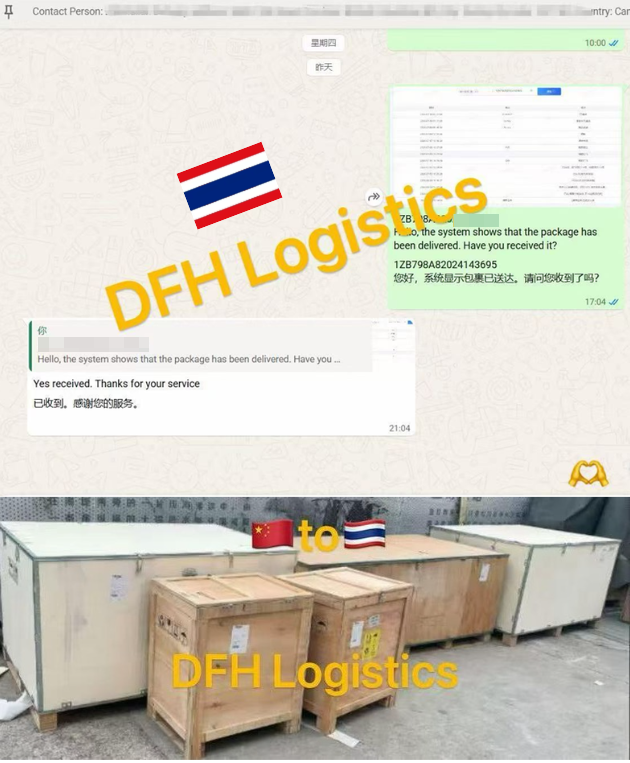
Customer Source: Our Official Website
Cargo Type: Oversized Furniture
Chargeable Weight: 1,500 KG
Cargo Quantity: 5 Wooden Crates
Cargo Volume: 14 CBM
Shipping Route: China to Thailand
Shipping Method: Sea Freight DDP Door-to-Door
Transit Time: 12 Days
The customer needed to ship several large pieces of furniture from Foshan, China, to Thailand. The customer wanted a convenient way to receive the cargo, protect the furniture during transportation, and arrange customs clearance and final delivery without managing each stage separately.
- China Warehouse Address & Cargo Receiving: We provided our Shenzhen warehouse address to the customer so the supplier in Foshan could send the furniture directly to our warehouse. This gave the customer a central receiving point before international shipment and allowed us to prepare the cargo for the next stage.
- Cargo Inspection & Shipment Preparation: After receiving the five wooden cases, our warehouse team checked the package quantity and visible outer condition. We also reviewed the cargo dimensions and shipment details to help confirm the transportation arrangements for the three larger cases and two smaller cases.
- Sea Freight DDP Arrangement: Based on the cargo size, estimated volume, and destination, we arranged sea freight under the agreed DDP service. This offered a practical solution for transporting bulky furniture from China to Thailand while simplifying the import process for the customer.
- Customs Clearance & Import Procedures: We coordinated the required shipping documents and customs clearance arrangements in China and Thailand. Under the agreed DDP terms, applicable import duties and taxes were handled according to the confirmed service scope.
- Final Door-to-Door Delivery: After the cargo arrived and the required customs procedures were completed, we coordinated final delivery to the customer’s designated address in Thailand, eliminating the need for the customer to arrange separate transportation.
The shipment was successfully delivered to the customer’s address in Thailand within 12 days. The customer was very satisfied with the timely delivery and convenient shipping arrangements, from warehouse receiving in China to final delivery in Thailand.
If you need to ship oversized furniture from China to Thailand, you can share your supplier location, cargo dimensions, total weight, and delivery address with us. We can help arrange warehouse receiving, suitable packaging, customs clearance, and a practical Door-to-Door shipping solution.
FAQs About Importing Furniture from China to Thailand
Can I Buy Furniture from 1688 and Ship It to Thailand?
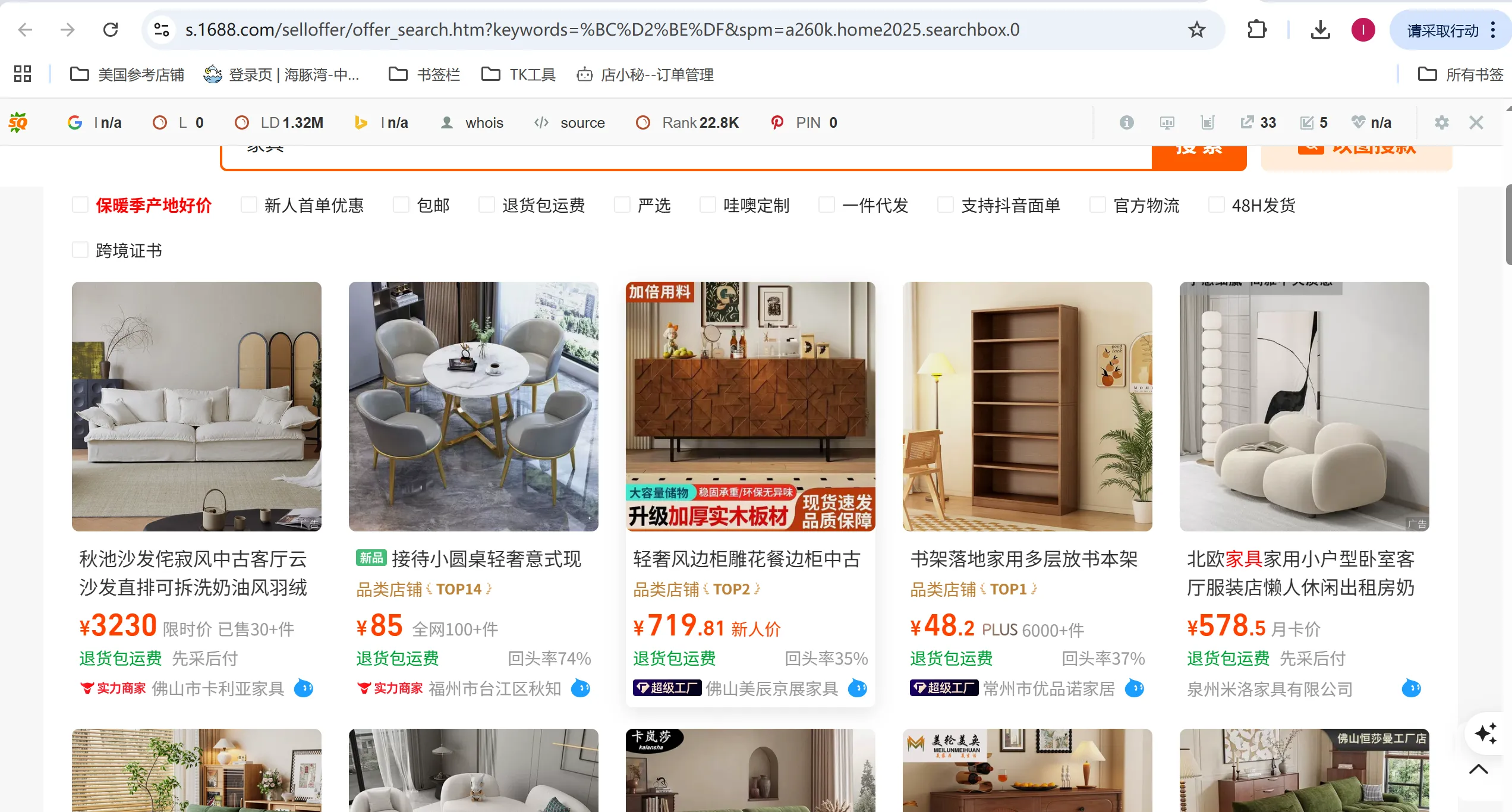
Yes. You can purchase furniture from 1688 and have your suppliers deliver it to our warehouse in China before shipping to Thailand. We recommend asking each seller to provide accurate product descriptions, materials, package dimensions, carton counts, and a commercial invoice.
Can I Combine Furniture from Several Chinese Suppliers?
Yes. If you buy furniture from multiple suppliers, you can have them send their orders to our Shenzhen warehouse. We can help count the packages, check their visible condition, arrange repacking, and consolidate your purchases into one shipment.
Can Furniture Be Delivered to a House or Condo in Thailand?
Yes, in most cases. However, your delivery arrangements depend on road access, parking, stairs, lift dimensions, and building rules. If you need unloading equipment or furniture assembly, let us know your requirements in advance so we can check the available service.
What If My Suppliers Use Different Carton Marks?
You don’t need to ask every supplier to use identical original carton marks, but each package should be clearly identifiable. We can assign a warehouse reference and use package numbers to help track goods from different suppliers. Please share your supplier details with us before the first delivery arrives so we can organize the receiving process.
Can RCEP Help Reduce Import Duties on Furniture from China to Thailand?
Yes. Some furniture products may qualify for reduced import duties under RCEP if they meet the rules of origin and have valid proof of origin. You should check the applicable HS code and preferential tariff rate before importing. Import VAT may still apply even if customs duty is reduced. You can share your furniture details with us, and we can help organize the shipment information for a tariff review.
What Causes Customs Clearance Delays When Importing Furniture into Thailand?
Customs delays can result from incomplete documents, incorrect HS codes, inconsistent cargo descriptions, or missing import permits. Your shipment may also be selected for inspection. We recommend checking the invoice, packing list, and applicable product requirements before shipping. If you are unsure about your shipping documents, contact us for assistance reviewing your cargo information before departure.
What Does Furniture Shipping Insurance from China to Thailand Cover?
Cargo insurance may cover eligible loss or damage during transit, subject to the policy terms. We work with Ping An Insurance and China Pacific Insurance, with a reference premium of 0.05% of the insured value. For example, insuring furniture valued at US$20,000 costs approximately US$10. Fragile furniture may have a 5% deductible, depending on the policy. We recommend confirming coverage, packaging requirements, and exclusions before shipping.
Final Thoughts
Importing furniture from China to Thailand requires careful coordination between suppliers, transportation providers, and Thai customs procedures. By comparing shipping methods, preparing accurate documents, checking applicable taxes, and choosing suitable protective packaging, you can better manage your import costs and reduce avoidable delays.
Whether you are shipping a few furniture items or a large commercial order, you can share your cargo details, supplier locations, and Thai delivery address with us. We can help coordinate cargo consolidation, protective packaging, customs clearance arrangements, and a suitable shipping solution.