The import process in the United States may also involve lots of costs, such as taxes and duties. Knowing these before procurement can help you spend less money. This article will introduce the basic rules of import taxes and duties in the United States, hoping to be helpful for your procurement.
What Are US Import Taxes And Duties?
US import taxes and tariffs refer to lots of taxes and fees that you may need to pay to customs when goods enter the USA. The specific cost may change because of different kinds of products and the country of origin.
What Are The US Duty Policies?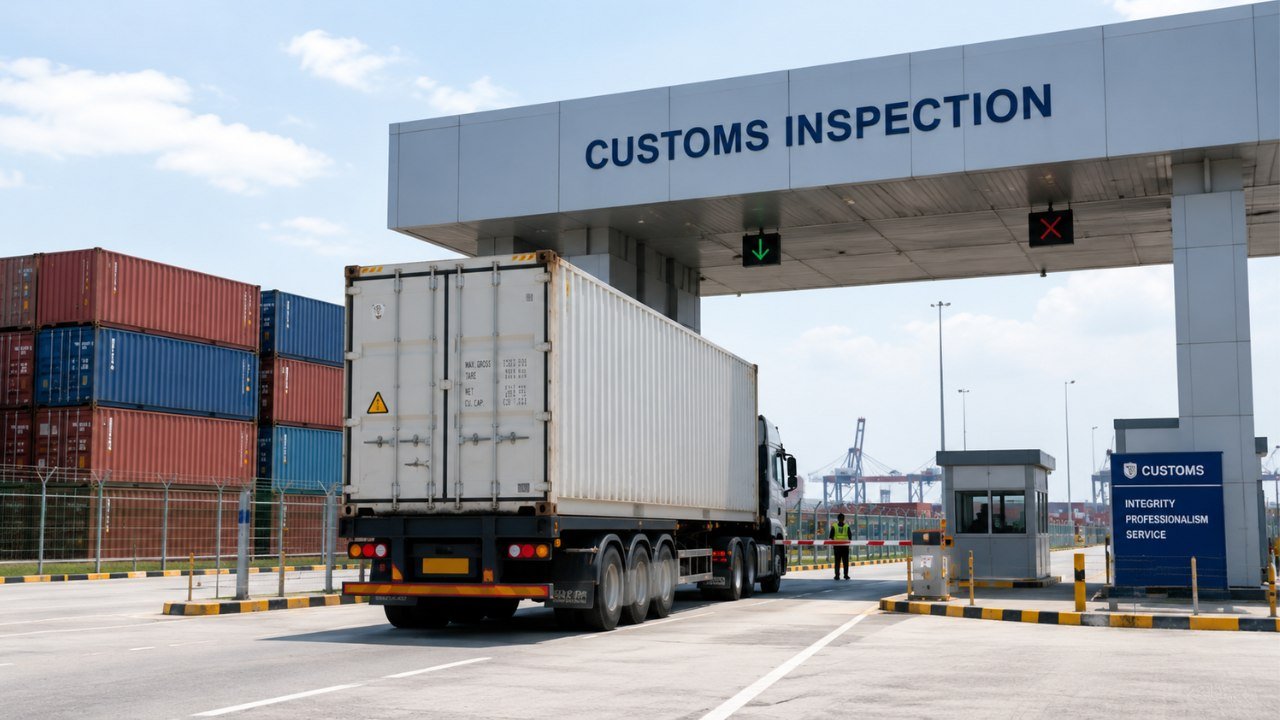
Baseline Tariff
The benchmark tariff is a new policy introduced by the United States in April 2025, which means a general 10% surcharge. This fee is added to the original standard tariff and calculated based on the landed price of the goods.
Unlike the coordinated tariff that treats products differently, the benchmark tariff does not select products and requires payment for most goods.
This surcharge is mainly targeted at countries that do not have free trade agreements with the United States, and Malaysia is one of them. However, there are exceptions – Canada and Mexico are exempt from paying due to the US-Mexico-Canada Agreement.
Other free trade partners, such as South Korea, Singapore, and Australia, depend on the products and rules of origin. For example, some steel and aluminum products may be affected by additional trade measures, while many industrial products that meet origin requirements can enjoy preferential or even zero tariff treatment.
For all non-exempt countries, this surcharge is mandatory. Importing a batch of office chairs from China with a declared value of $10000, assuming a basic tax rate of 3%, the importer would have to pay a basic tariff of $300. If the product also involves additional policy tariffs, such as the 25% additional tax under Section 301 on Chinese goods, then this 25% is added to the base tariff. Well, the total import cost will be higher.
Merchandise Processing Fee(MPF)
The US Customs charges a fee for many goods from other countries; this is a commodity handling fee. If officially declared, it is the type of goods with a value exceeding $2500, calculated at 0.3464% of the declared amount, with a minimum of $32.71 and a maximum of $651.50.
For informal declarations, a fixed fee is charged for those below $2500. An electronic declaration costs $2.69, while a manual declaration costs $8.06.
Besides, for goods with a value below $800 and in compliance with Article 321, this fee is waived. This money is usually collected by the logistics company and will be collected from you during customs clearance or before delivery.
It is assumed that a batch of LED lighting fixtures with a declared value of $15000 and an MPF rate of 0.3464%, totaling approximately $52. However, this fee has upper and lower limits – if it is too low, it will be charged at a minimum of about $32.71, and if it is too high, it will be capped at about $651.50. In this example, $52 belongs to the normal range, so we will pay according to this number. (The specific fee standards shall be subject to the latest data released by the US Customs.)
Harbor Maintenance Fee (HMF)
If your goods are shipped by sea, the US Customs will collect this money. They need to pay 0.125% of the value of the goods. However, for goods shipped by mail or air freight, there is no need to pay this fee.
Reciprocal Tariff
Reciprocal tariffs are methods taken in response to other countries imposing trade barriers on their own goods. The purpose is to achieve tariff rates as consistent as possible among different trading partners.
| Country | Main Trade Measures | Relevant Policy Documents/Effective Date |
| China | About 7.5% -25%+, with some products having higher rates | 301 Investigation Report (implemented since 2018, continuously updated) |
| European Union | Additional tariffs on steel and aluminum products | Section 232(2018) |
| Canada | Most products have zero tariffs | USMCA (effective July 2020) |
| Mexico | Most products have zero tariffs | USMCA (effective July 2020) |
| South Korea | Free trade agreement framework, with zero tariffs on most goods | KORUS FTA (signed in 2012, revised in 2018) |
| Vietnam | According to MFN normal tariff implementation, some products are affected by anti-dumping investigations | Non-FTA countries continue to apply WTO MFN rules |
Consumption Tax
Consumption tax is a tax levied by the federal government on certain specific goods shipped to the United States. These products are mainly alcohol, tobacco, fuel.
The tax is collected by customs and is in addition to the standard import duties and surcharges.
Whether it’s commercial goods or personal goods, as long as they belong to the categories that need to be taxed, they must be paid. And it has nothing to do with the country of origin, no country is exempt from taxes.
Unlike general tariffs calculated based on the value of goods, consumption tax is usually collected based on quantity rather than price.
For example:
- Beer is usually taxed at a rate of approximately $3.50 per barrel (31 gallons) (a general tax rate applicable to situations below a certain production volume).
- Wine is taxed on a per-gallon basis, with tax rates ranging from approximately $1.07 to $3.40 per gallon depending on the alcohol content.
- Diesel fuel is typically subject to a consumption tax of approximately $0.244 per gallon.
How To Inquire About The US Tariff Rate For A Product
To check the US tariff rate for a certain product, the first step is to determine its HS/HTS code. This code is the basis used by the US Customs to classify products and calculate tax rates.
After the coding is finalized, you can check the HTS system in the United States. Alternatively, you can consult with professional customs brokers or logistics companies. Well, this way you can know what the basic tariff for the product is and if there are any additional taxes to be paid.
What Policies Should You Pay Special Attention To When Importing From China To The United States?
Starting from August 29, 2025, there have been significant changes to the tariff rules for US imports. Almost all imported goods now have to pay a basic tariff first – this is calculated based on the product’s HTS code.
However, some goods also require additional payment. For example, policy-based surcharges such as benchmark tariffs or reciprocal tariffs were introduced in 2025. In addition, if the goods belong to regulated categories such as alcohol, tobacco, or fuel, an additional consumption tax must be paid.
Uyghur Forced Labor Prevention Act
The US Customs assumes that goods produced, manufactured, or processed in Xinjiang, or goods using Xinjiang raw materials, pose a risk of forced labor and are therefore prohibited from entering the US market.
Do Chinese Goods Need To Pay Additional Tariffs?
If your goods are produced in the Chinese Mainland or Hong Kong, no matter whether the package is sent from Malaysia or other places, US Customs will add an additional tax to the basic tariff.
All goods originating from China or Hong Kong are subject to several layers of taxes: HTS tariffs classified by product, as well as Article 301 tariffs added on top of this. The specific amount to add also depends on the product – for items in lists 1 to 3, such as tools and electronic components, add 25%; For items in List 4A, such as clothing, footwear, and household items, add 7.5%.
According to the trade enforcement measures of the United States in 2025, these taxes are cumulative.
Exemption From Tariffs, Procedures, Tax Refunds, And Penalties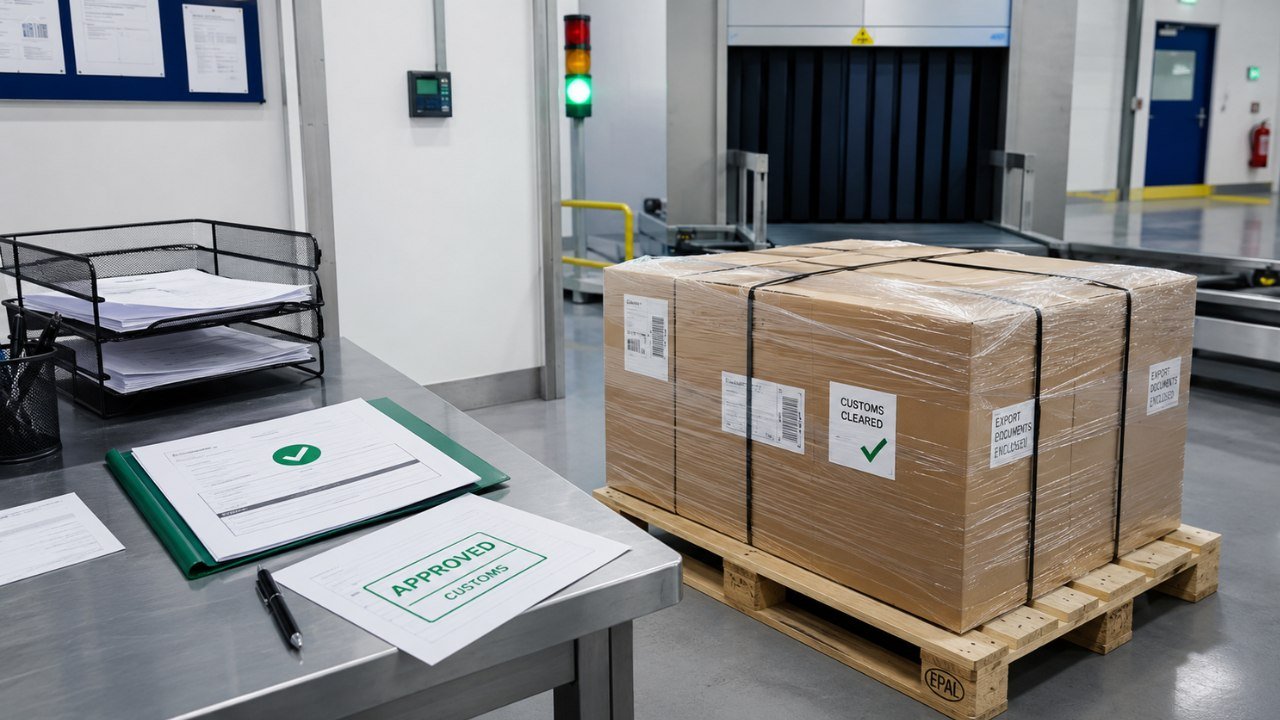
Some categories of goods are exempt from tariffs, although they still need to be declared. Whether it can be exempted depends on the classification and origin of the product.
Imported goods usually come with a bill of lading or air waybill, which lists the information of the goods. In addition, an invoice must be attached, indicating the transaction amount, to facilitate customs assessment of tariffs. Customs or importers will classify and calculate taxes on goods based on this information. This money needs to be paid in full before the goods are imported.
Most of the tariff assessment work is now completed by importers themselves, and relevant documents are submitted to customs electronically.
After paying tariffs, the US Customs and Border Protection (CBP) approves the import of goods. Afterwards, the goods can be shipped out from the port of entry, bonded warehouse, or free trade zone.
If the importer exports the goods after paying taxes and the goods have not undergone substantial changes, they can apply for a tax refund. This process is called a tariff refund.
If you violate customs regulations or fail to pay tariffs, you will face civil penalties. Customs also have the right to detain or even sell the goods of violators. In severe cases, it may also involve criminal punishment, with a maximum penalty of twice the value of the goods, plus 20 years of imprisonment.
FAQ
What Is The Method For Calculating Tariffs?
First, multiply the CIF price by the HTS tax rate. Then see if there are reciprocal tariffs, and if so, add them. Finally, add consumption tax.
Who Pays Import Tariffs?
If it is a DAP or DDU trade method, the consignee or importer is responsible for paying the customs duties upon the arrival of the goods. This is quite common in B2B transactions. In most cases, tariffs are borne by the buyer.
What Goods Need To Pay Tariffs And Taxes When Imported Into The United States?
Goods with a value exceeding $800 usually require payment of taxes and tariffs. However, this threshold only applies to certain specific products.
What Items Are Prohibited/Restricted In The United States?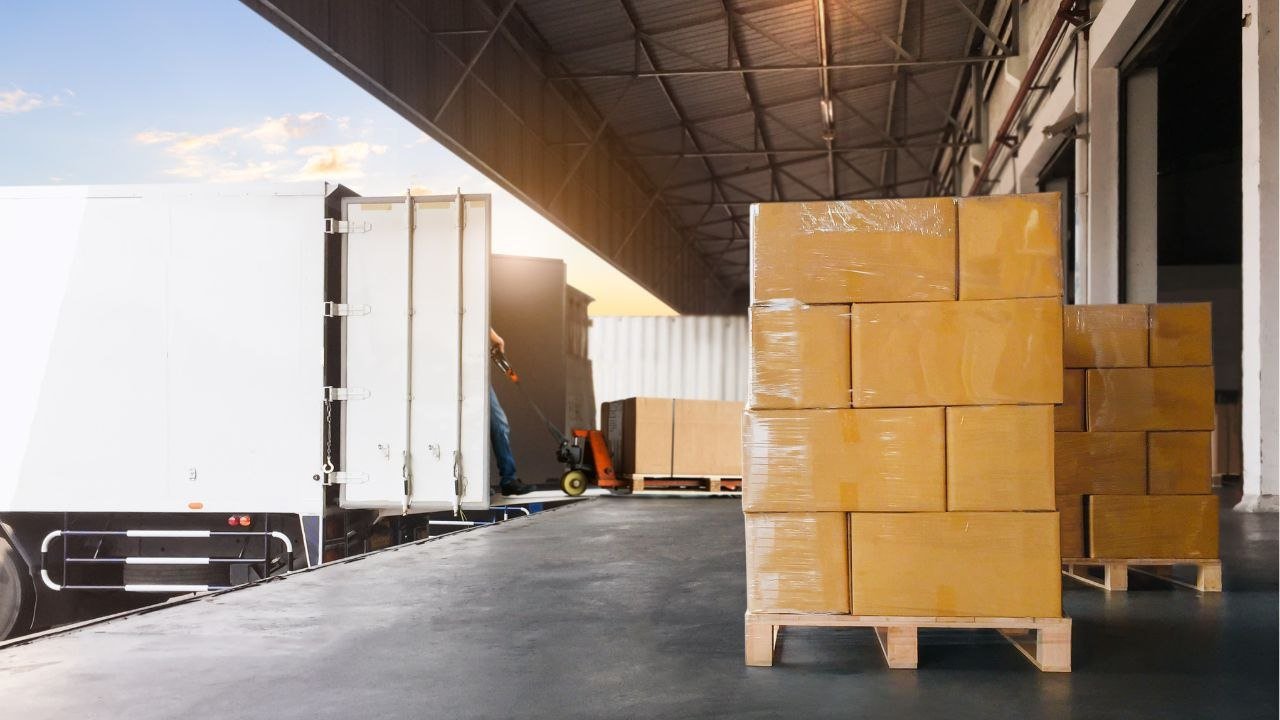
Prohibited items are those prohibited by law from entering the United States. For example, dangerous toys and some illegal drugs. Some things need to obtain permission from federal agencies before entering the United States. For example, specific fruits and vegetables, firearms, and animals.
How To Pay US Import Taxes And Fees?
Tariffs must be paid in US dollars. The amount should be consistent with the payable amount. When making payment, it is necessary to present proof of identity, such as a US driver’s license or passport. If the tax is less than $50, it can be paid by check. Well, some places also accept credit cards.
Final Thought
For importers, understanding US tariff policies in advance and accurately calculating import costs can help avoid customs clearance delays and extra fees. Please feel free to contact us; DFH Logistics Supply Chain Limited has over 12 years of experience and can help your goods enter the US market more smoothly.