
Your Best Chinese Construction Equipment Freight Forwarder
Reliable Construction Equipment Shipper Ensures Fast & Stable Deliveries


Our Services for Construction Equipment Shipments
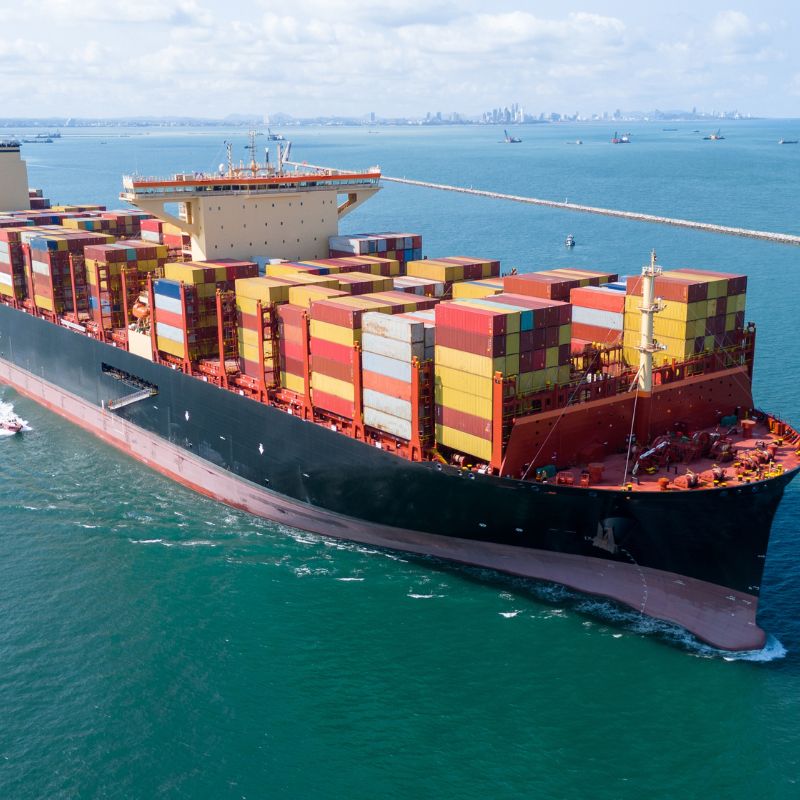
We ship your construction equipment through stable vessel schedules. Your heavy, oversized construction equipment can be delivered successfully.
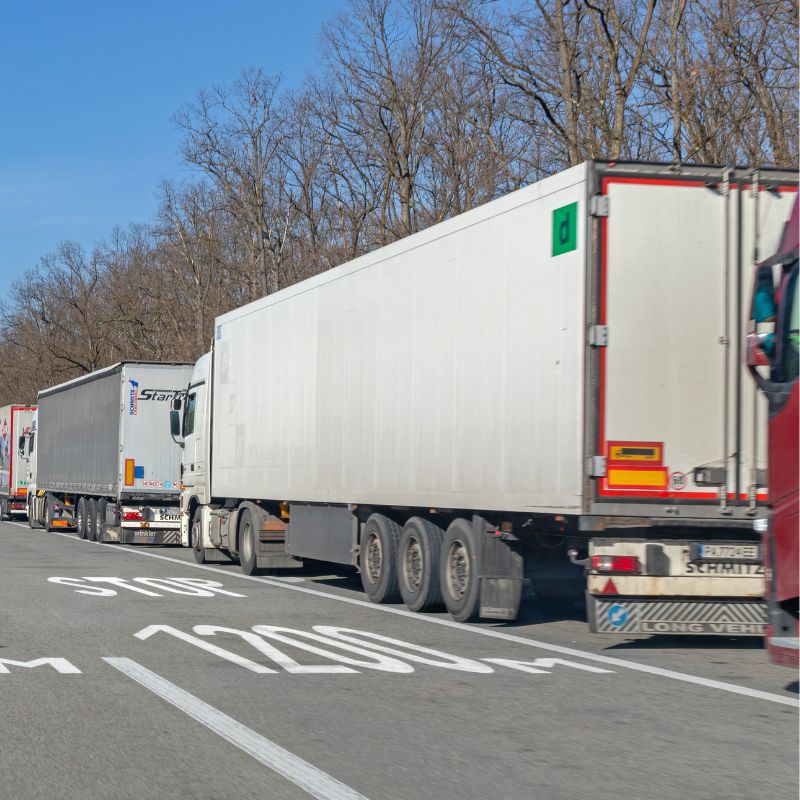
From machinery pick-ups to final deliveries to destinations, our professional truck team tracks your cargo directly to your door.
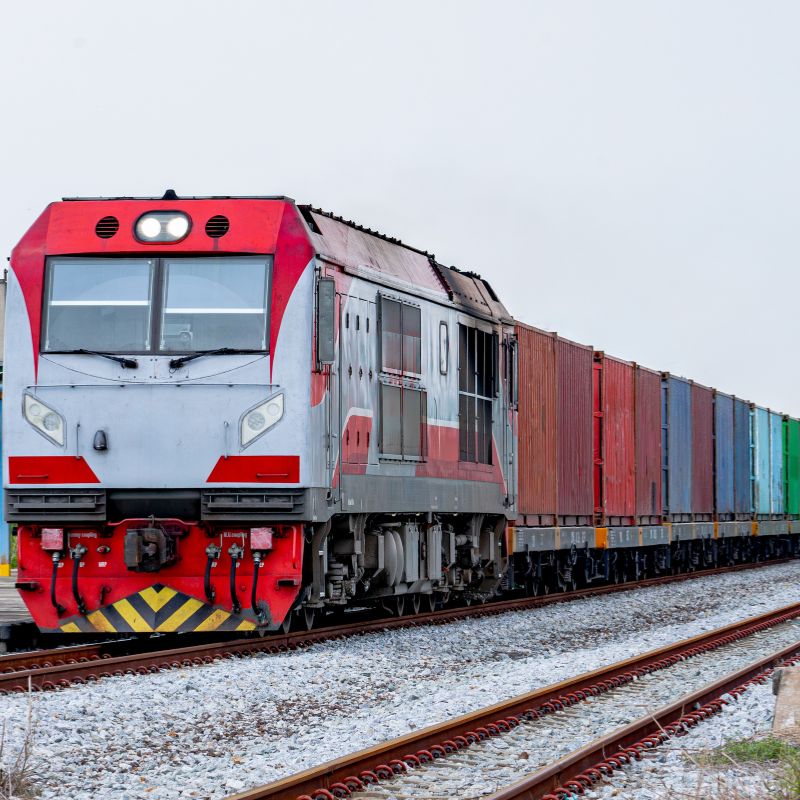
For equipment that fits in containers, we transport your cargo via the China-Europe Railway Express, ensuring on-time deliveries.
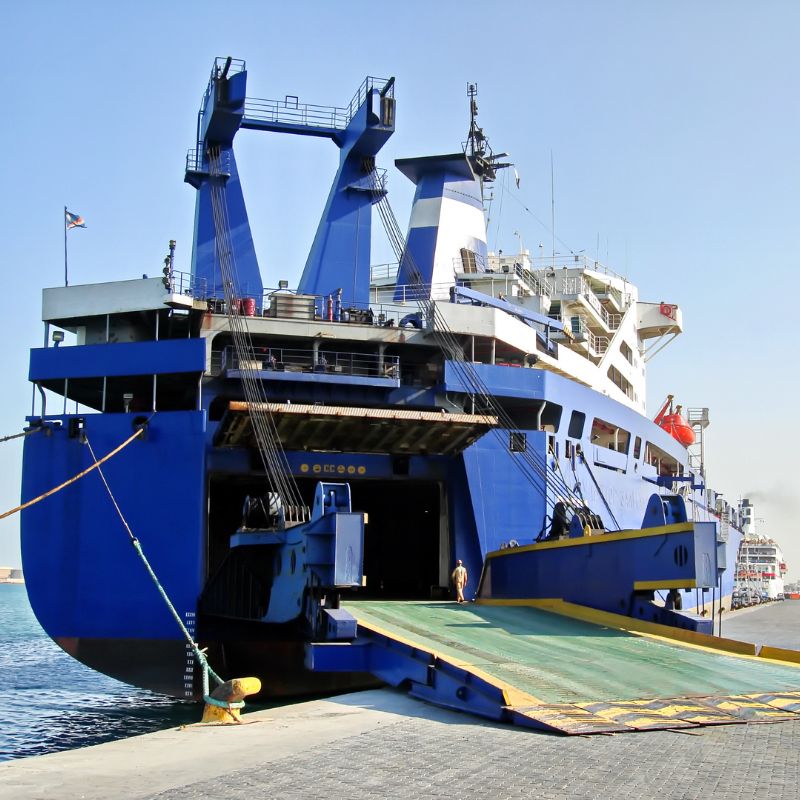
We drive your construction equipment on and off the ship. Thus, your cargo avoids complex lifting operations, saving you time and transportation costs.

Based on your equipment types and shipping requirements, we offer tailored transit plans in multiple transportation modes, balancing transit time and costs.
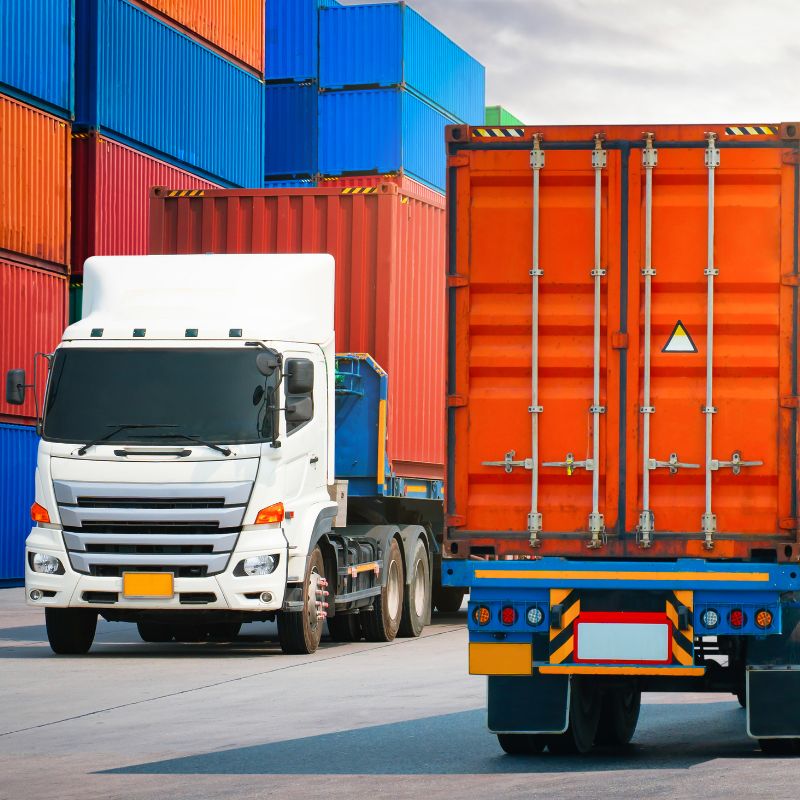
We offer one-stop global logistics solutions, handling the whole shipping process. You can receive your cargo directly at your destinations.
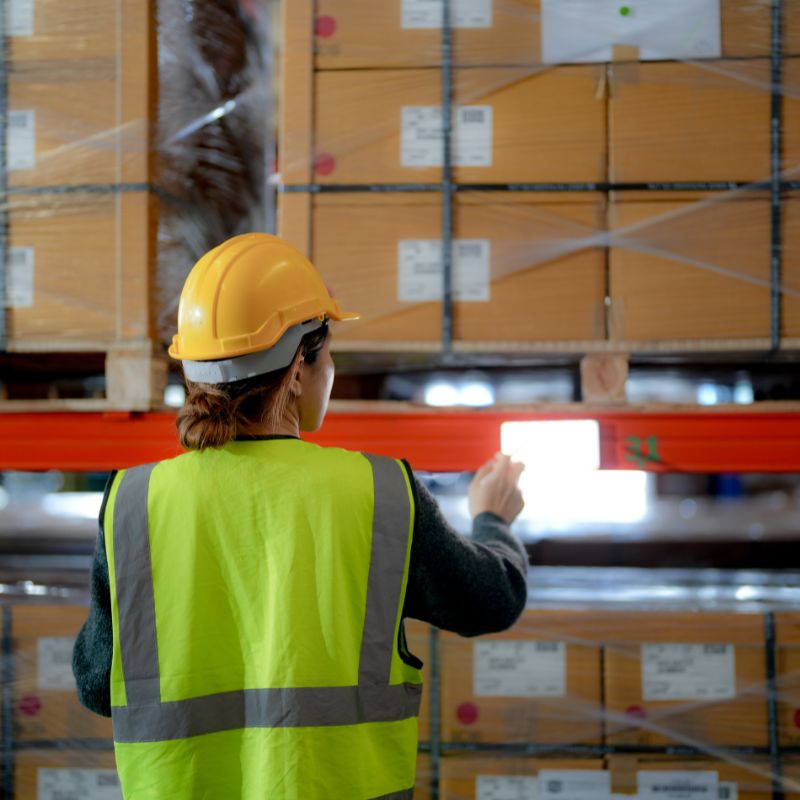
We perform pre-shipment inspections on your behalf, reducing risks of equipment being damaged or lost.

We offer insurance with competitive premium rates. When accidents happen, your interests will be better protected.
Why Choose Us to Ship Your Construction Equipment
DFH Logistics is a professional freight forwarder shipping construction equipment. Whether your commercial equipment is heavy or over-dimensional, we can deliver your cargo safely and effectively.
By air or by truck, we arrange the best logistics solutions. We minimize the risks of cargo delays and protect your equipment during the entire transit process. If you find it difficult to clear customs, we still offer reliable customs clearance services, ensuring you a smooth equipment shipping experience.
If you plan to ship your excavators or cranes, DFH Logistics is your best choice. Contact us for more detailed information, and we will offer you the most cost-effective solutions.
- We pick up your construction equipment directly from your Chinese suppliers. You need not worry about transportation in China.
- Our tailored shipping plans can successfully hold your equipment, providing flexible logistics solutions.
- We offer professional loading and lashing services to prevent construction equipment from sliding or shifting.
- We offer 15 days of free warehousing. When your construction equipment waits for shipping, you don’t have to pay for additional storage fees.
- Transparent quotations without hidden fees. You need not worry about additional fees later during transportation.
Can Construction Machinery Be Shipped in Containers?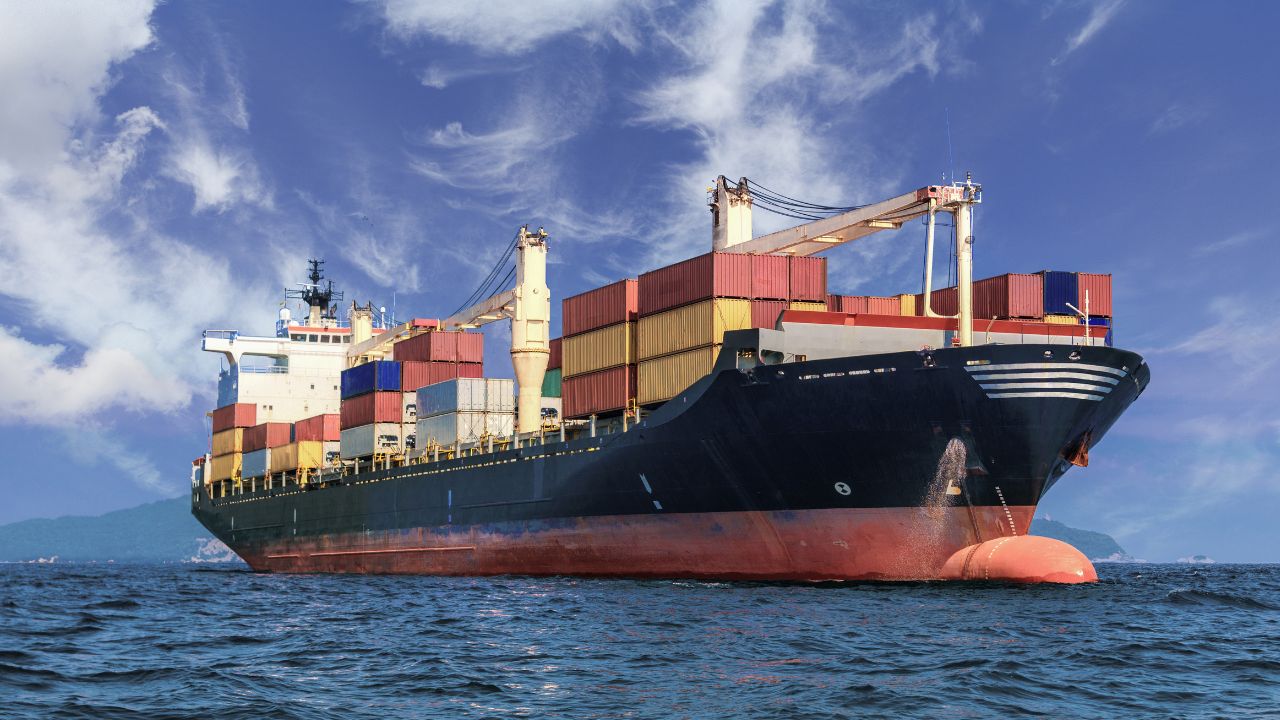
For small or medium-sized construction equipment, container shipping is applicable. Equipment like small excavators, forklifts, dismantled equipment, and other types are supported. For large or over-dimensional machines, RoRo shipping, break-bulk shipping, and flat-rack containers are recommended.
If you are unsure whether your cargo can be shipped in containers, please contact DFH Logistics for information. We are willing to judge and advise, and offer free quotation services.
What Is RoRo Shipping?
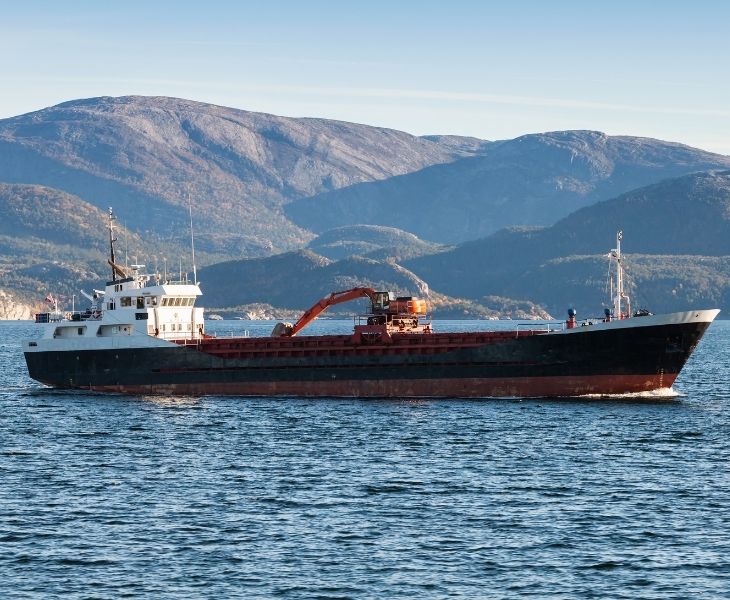
You may not be familiar with this term. RoRo (roll-on/roll-off) shipping means your construction machinery is driven directly on and off the shipping vessel. This method is ideal for equipment such as excavators, bulldozers, loaders, and rollers.
If you plan to order RoRo shipping services, DFH Logistics can assist you in personnel coordination and shipping arrangements. Your equipment will not be delayed due to loading and unloading operations, ensuring efficient transit times.
What Is Break-Bulk Shipping?
Break-bulk shipping is one method in sea freight. Cargo is loaded directly on board individually without containers. Thus, it is suitable for large and irregular construction equipment.
If you are unsure whether your equipment requires containers, DFH Logistics can offer professional suggestions. We welcome you for shipping inquiries and are always ready to help.
Do I Need to Disassemble My Construction Equipment?
Whether disassembly is needed depends on the equipment size, transportation modes, and destination regulations. In general, not all equipment needs to be dismantled. As conditions vary, DFH Logistics can assess whether your cargo requires disassembly and to what extent.
No Disassembly Required
Most standard-sized equipment can roll on and off board without disassembly. Only simple handling, such as retracting booms, fastening loose components, and basic lashings, is needed. When your construction equipment can be loaded into containers, the disassembly is not compulsory either.
Partial Disassembly Required
Flat-rack and open-top containers are ideal for large machinery or over-height equipment. To deliver these machines, removal of buckets, tracks, or other movable parts may be needed. The purposes are to meet the transit requirements and safety regulations for loading.
Typically Disassembly Required
For over-dimensional equipment like tower cranes, mining equipment, concrete plants, and other large industrial machinery, disassembly is typically required. After arrival, your equipment can be reassembled.
How is Construction Equipment Secured?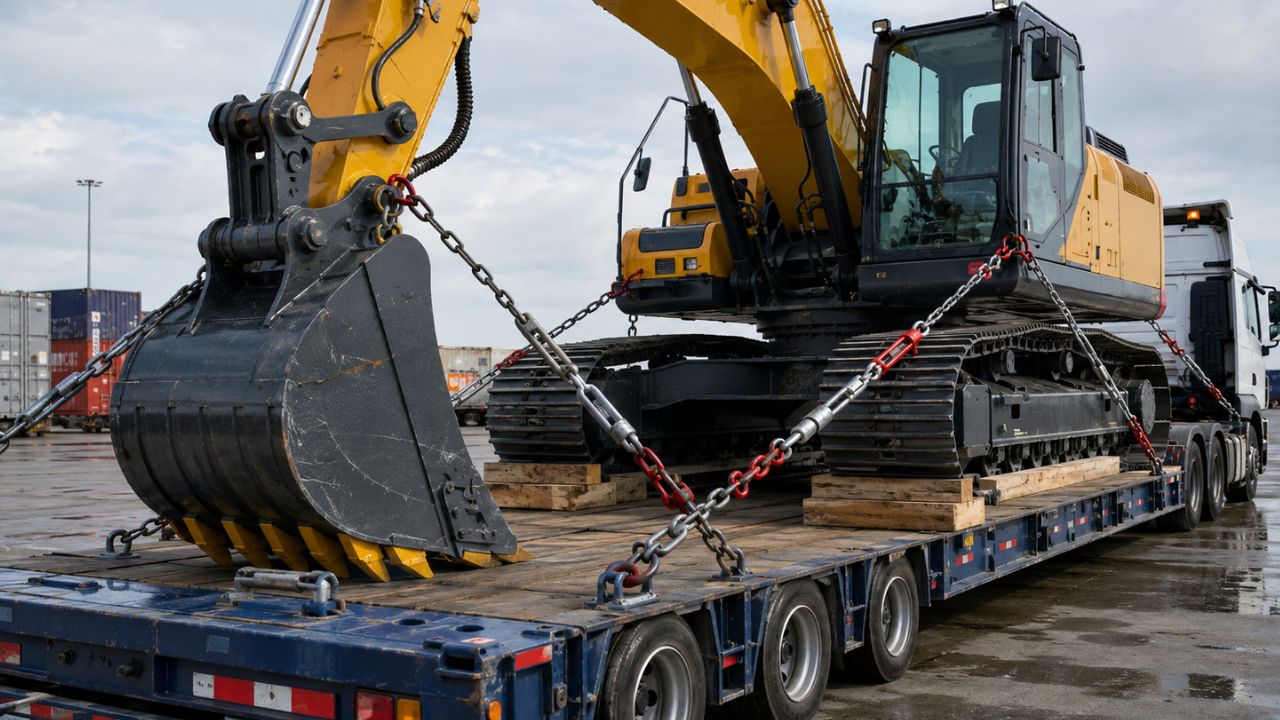
To protect construction equipment during shipments, securing plays the key role. Here are multiple ways adopted in global logistics. And DFH Logistics promises you the most secure, effective cargo fixation solutions.
Mechanical Securing
Common methods include steel chains, wire ropes, turnbuckles, shoring bars, and mechanical locks. Mechanical securing features high strength. It serves the core fixation function and is ideal for overweight construction equipment.
Lashing and Securing
With flexible or semi-flexible materials, we perform multi-point lashing on your cargo. Steel chain lashing, polyester webbing belts, tensioning devices, and other methods are applicable. This securing operation works well on equipment of various shapes and ensures effective stability.
Blocking and Bracing
For construction equipment with high centers of gravity, this securing method can restrict slipping and tilting and distribute the weight. Common forms include wooden blocks, steel frames, dunnage, side bracing, and end blocking.
Anti-Slip Measures
Anti-slip mats, rubber pads, friction materials, and other materials are applied. These measures provide basic protection for equipment shipping and are always combined with other securing methods.
Container Securing
For flat-rack, open-top, or general containers, different measures are taken to reduce movement and cargo shifting inside containers. Common methods are wooden blocking, steel lashing, dunnage bags, floor anchoring, and corner casting fixation.
Factors Affecting Construction Equipment Shipping Time
Transportation Mode
The shipping method is the most fundamental element affecting shipping time. Sea freight takes longer than railway freight. And for RoRo or break-bulk freight, the time varies for vessel schedules.
Actually, air freight is faster than railway and sea freight. However, due to size and weight restrictions, air freight is typically used to transport equipment components rather than the whole machinery.
Cargo Size and Type
For small or medium-sized construction equipment that can be transported by containers or train, faster delivery is supported. Large equipment, like mining excavators, can only be shipped by sea. They also require more time for loading and unloading, extending transit times.
Port Efficiency
In some major ports, efficiency for handling and customs clearance is high. Your construction equipment will not wait too long. However, in some slow harbors or in peak seasons, congestion and queuing may happen. Then your cargo needs to wait longer.
Customs Clearance
If you are familiar with customs clearance and have prepared the valid and complete documents, your construction equipment can be cleared quickly. However, if your documents are incomplete, your cargo may be delayed, thus affecting the entire transit time.
But don’t worry about it! DFH Logistics can handle customs clearance on your behalf. We are experienced in construction equipment customs clearing, ensuring you on-time, reliable cargo deliveries.
Equipment Preparation and Disassembly
If your equipment requires dismantling and assembly, the transit time will be longer than if it does not. Besides cargo types, transport vehicle capacity also affects the dismantling. DFH Logistics can arrange the most suitable vessels and shipping time for your construction equipment. Even if your equipment needs disassembly, your cargo will arrive on time.
Force Majeure
Extreme weather conditions, peak seasons, and port strikes are unforeseeable. These force majeure events may extend transit times. However, you don’t have to worry too much. DFH Logistics closely monitors global logistics conditions and responds quickly to unexpected incidents during transportation, minimizing their impact on your shipment.
Factors Affecting Construction Equipment Shipping Cost
Shipping Method
Shipping methods determine the basic shipping costs. Sea freight is the most economically effective and has been widely adopted in construction equipment logistics. For standard machinery, RoRo shipping is more cost-effective than break-bulk. For oversized products, break-bulk shipping is recommended.
Via the China-Europe Railway Express, transporting construction equipment by railway generally costs more than sea freight.
Equipment Type
The weight and size of equipment affect the shipping costs. Shipping small and medium-sized machinery costs you less than bulk-sized equipment. To sum up, the larger space your cargo occupies, the higher the costs. If your equipment is over-dimensional, it also requires special shipping plans, adding to your costs.
But you can turn to DFH Logistics for cost-competitive quotations. We offer the most suitable, transparent fees. No hidden fees or unnecessary costs will be charged.
Shipping Route
The main elements include shipping distances, direct or transshipments, and port fees. If your destinations are in landlocked countries, remote ports, or transshipment ports, shipment costs will be higher.
Vessels and Space Availability
Carrier rates vary by different vessel types. And prices of loading spaces are also fluctuating. During peak seasons, space availability will be limited, and the price will increase.
Based on your cargo type, we can suggest suitable vessel options with competitive prices and coordinate cargo space allocation. Even during peak seasons, we ensure you competitive shipping costs.
Additional Fees
In addition to basic shipping costs, duties, and taxes, additional charges may apply, including loading or handling charges, inspection fees, and other related expenses.
Some freight forwarders may not inform you of additional fees but charge later during transportation. But DFH Logistics only provides you with trustworthy, transparent quotations. A single all-in payment can cover your full logistics process.
How Long to Ship Construction Equipment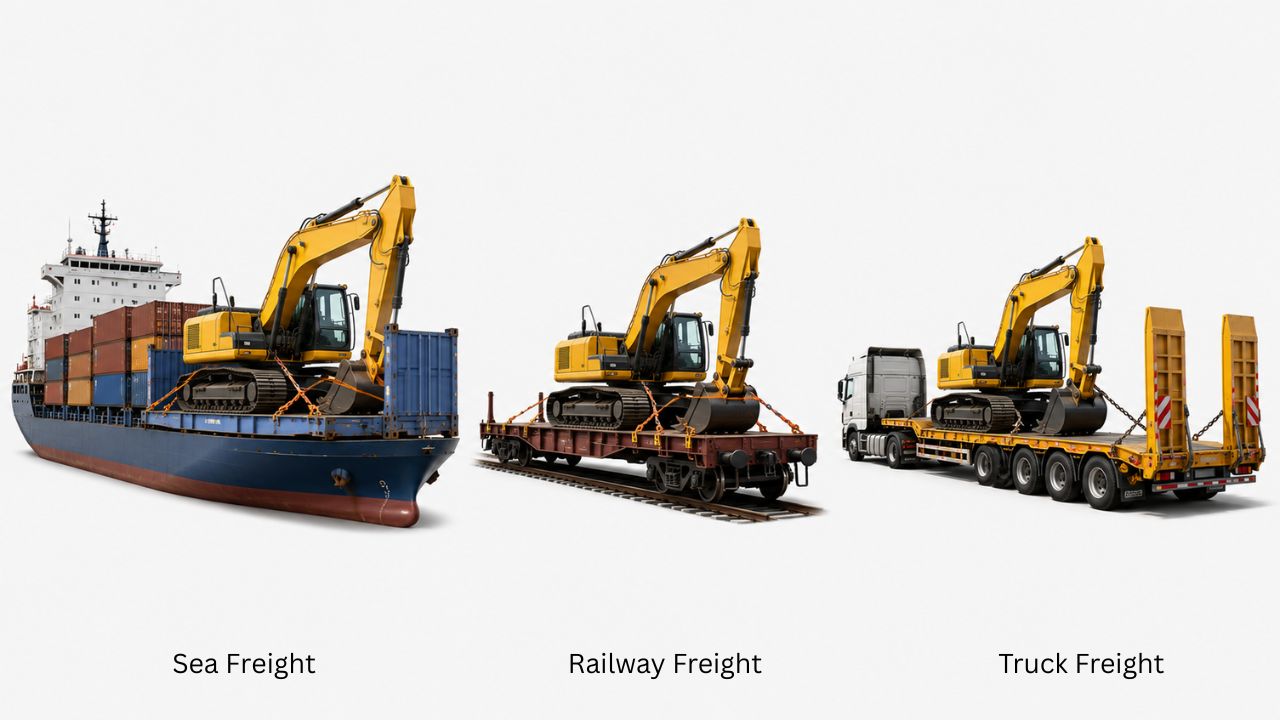
| Shipping Modes | The USA | Canada | Europe (Including the UK) | Southeast Asia | Australia | South Africa |
| Sea Freight | 20-35 days | 20-45 days | 35-55 days | 10-18 days | 30-45 days | 50-60 days |
| Railway Freight | N/A | N/A | 30-35 days | N/A | N/A | N/A |
| Truck Freight | N/A | N/A | 20-28 days | N/A | N/A | N/A |
The transit times are referential. And if you want to evaluate shipping times, you can contact DFH Logistics for free consultations. We are experienced in estimating shipping time and arranging shipment plans, thus we ensure you accurate time estimates and on-time deliveries.
How Much to Ship Construction Equipment
| Shipping Mode | Estimated Rate |
| RoRo Shipping | From USD 500–12,000 per unit |
| Break-Bulk Shipping | From USD 35–120/CBM |
| FCL Container Shipping | From USD 1,500–8,000 per container |
| Truck Freight | From USD 300–5,000 per trip |
Here are prices only for reference. Actual shipping fees are affected by multiple factors mentioned above. You can contact DFH Logistics for detailed quotations. We will provide you with the most suitable shipping plans to meet your requirements.
Construction Equipment You Can Ship from China
- Earthmoving equipment: excavators, wheel loaders, bulldozers, motor graders, etc.
- Lifting and hoisting equipment: mobile cranes, crawler cranes, tower cranes, etc.
- Road construction equipment: road rollers, asphalt pavers, milling machines, etc.
- Concrete and cement equipment: concrete mixers, concrete pumps, batching plants, etc.
- Mining and quarry equipment: mining excavators, dump trucks, crushers, etc.
- Foundation and piling equipment: rotary drilling rigs, piling machines, foundation drilling rigs, etc.
- Material handling equipment: forklifts, reach stackers, telehandlers, etc.
- Industrial construction equipment: air compressors, generators, tunnel boring machines, etc.
- Equipment components: buckets, hydraulic breakers, engines, etc.
Construction Equipment Restricted from Global Logistics
- Hazardous or flammable equipment: equipment with residual undrained fuel, hazardous chemicals, or flammable solvents
- Damaged or non-operational equipment: non-movable, greatly damaged, with oil leakage or hydraulic system malfunctions, etc.
- Contaminated or non-clean equipment: uncleaned equipment from mining or chemical sites, machinery with contaminated soil or residues, etc.
- Over-height or over-weight without suitable solutions: over-dimensional equipment fails to fit in shipping vehicles
- Illegal or non-compliant equipment: equipment without legal proof of origin, counterfeit or infringing branded equipment, uncertified modified equipment, etc.
- Battery-integrated heavy equipment without certificates: no-certificate electric excavators or battery-powered loaders, etc.
- Unstable or improperly prepared equipment: equipment in over-limit conditions, equipment with loose components, equipment with unretracted hydraulic booms, unsecured machinery, etc.
If you are unsure about whether your cargo is ready for shipment, you can contact DFH Logistics for help. We can check your cargo and bring it into compliance. You don’t need to worry about your cargo being rejected.
Documents Required for Construction Equipment Logistics
- Commercial invoice: buyer and seller information, equipment description, price and value, Incoterms like FOB/CIF/DDP, country of origin, etc.
- Packing list: equipment type, dimensions, weight, quantity, packing method, etc.
- Bill of lading: important document for cargo pickup and customs clearance
- Equipment specification sheet: machine model, engine detail, operating weight, etc.
- Export declaration: HS code, exporter information, declared value, etc.
- Import documents: import license, customs declaration, Tax ID, local compliance documents, etc.
- Inspection and certificate documents: pre-shipment inspection report, quality certificate, etc.
- Transport and securing documents (for special shipping plans): lashing plan, loading plans, weight distribution plan, etc.
- Insurance certificate (if purchased): insured value, coverage type, shipment detail, etc.
Documents are used for customs clearance, safety inspections, tax calculation, and other procedures. If your documents are insufficient, your shipping process can be blocked. DFH Logistics can help you prepare documents. We promise to provide comprehensive documentation preparation, ensuring smooth and successful cargo deliveries.