
At first glance, importing furniture from China to Canada seems simple: choose a supplier, place your order, and wait for delivery. The reality is a little more complicated. Furniture takes up a lot of space, can be easily damaged, and may involve additional customs, tax, and delivery costs that are easy to overlook.
If you plan to ship furniture from China to Canada, this guide will help you make the right decisions before your cargo leaves the factory. We will cover the best shipping methods, typical costs and transit times, required documents, packaging, and the Canadian customs details that may affect your shipment.
Why Import Furniture from China to Canada?

China is one of the world’s largest furniture manufacturing bases, with well-known production centers in Foshan, Guangzhou, Shenzhen, Dongguan, Shanghai, Ningbo, and Zhejiang. The main advantage is the combination of product variety, factory pricing, customization, and production capacity.
You can source:
- Sofas, beds, dining tables, and chairs
- Wardrobes and kitchen cabinets
- Office and commercial furniture
- Outdoor furniture
- Solid wood and panel furniture
- Mattresses and upholstered products
- Custom-made and private-label furniture
Importing furniture from China also gives you more flexibility when developing a product range. Suppliers can often adjust the size, material, color, finish, packaging, and branding according to your requirements. When products come from several factories, the cargo may also be consolidated into one shipment to simplify transportation.
If you already have a furniture product or supplier in mind, you can share the details with us. We will help you review the available shipping options from China to Canada.
Choose the Right Shipping Method for Canadian Furniture Imports
The right method depends on your cargo volume, dimensions, urgency, budget, and Canadian delivery address.
| Shipping Method | Best For | Typical Time | Main Consideration |
| Sea Freight LCL | Small and medium shipments | 20–45+ days | Flexible, but consolidation and destination fees may apply |
| Sea Freight FCL | Large orders and showroom projects | 20–45+ days | Better cargo control and fewer handling points |
| Air Freight | Urgent or high-value furniture | 6–14 days | Faster but more expensive |
| Express Shipping | Samples, hardware, and small packages | 3–5 days | Oversized cartons may cost more |
Sea freight is usually the most economical choice for sofas, cabinets, beds, dining tables, and large furniture orders. Air freight or express shipping is more suitable for samples, replacement parts, or urgent products.
If you are unsure which shipping method is right for your furniture, you can provide your cargo information to us, and we will compare the available options and recommend a solution that fits your budget and delivery schedule.
How Long Does It Take to Shipping Furniture from China to Canada?
Most furniture shipments take approximately 20–45 days by sea door-to-door, 6–14 days by air door-to-door, and 3–5 days by express.
| China Origin → Canada Destination | Sea Freight | Air Freight | Express |
| Shenzhen → Vancouver | 20–40+ days | 6–14 days | 3–5 work days |
| Guangzhou/Foshan → Vancouver | 20–40+ days | 6–14 days | 3–5 work days |
| Shanghai → Vancouver | 25–40+ days | 6–14 days | 3–5 work days |
| Shenzhen → Toronto | 28–45+ days | 7–14 days | 3–5 work days |
| Ningbo → Toronto | 30–45+ days | 7–14 days | 3–5 work days |
| Shanghai → Montreal | 30–45+ days | 7–14 days | 3–5 work days |
These are planning estimates only. Actual transit time can change because of factory delays, consolidation schedules, port congestion, customs inspection, weather, rail capacity, and final-mile delivery. Send us your pickup city, cargo details, and Canadian postal code for a more accurate estimate.
How Much Does It Cost to Shipping Furniture from China to Canada?
As a general reference, LCL shipping may cost approximately US$100–280/CBM, FCL shipping may cost US$2,000–5,500 per container, air freight may cost US$4–10/kg, and express shipping may cost US$7–28/kg.
| Route | LCL Sea Freight | FCL Sea Freight | Air Freight | Express |
| Shenzhen → Vancouver | US$100–280/CBM | US$2,000–5,000/cont. | US$4–10/kg | US$7–28/kg |
| Guangzhou/Foshan → Vancouver | US$100–280/CBM | US$2,000–5,000/cont. | US$4–10/kg | US$7–28/kg |
| Shanghai → Vancouver | US$120–280/CBM | US$2,300–5,500/cont. | US$4.5–10/kg | US$7–28/kg |
| Shenzhen → Toronto | US$100–280/CBM | US$2,500–5,000/cont. | US$5–10/kg | US$7–28/kg |
| Ningbo → Toronto | US$120–280/CBM | US$2,500–5,500/cont. | US$5–10/kg | US$7–28/kg |
| Shanghai → Montreal | US$130–280/CBM | US$2,500–5,500/cont. | US$5.5–10/kg | US$7–28/kg |
For reference only. The final price may also include pickup, export documentation, packaging, terminal charges, customs brokerage, import duties, GST/HST, insurance, inland delivery, residential delivery, storage, or special handling. Rates are not fixed quotations and may change with fuel costs, season, carrier capacity, product classification, and destination postal code. Send us your dimensions, CBM, weight, origin, and destination for an updated quote.
What Documents Do You Need for Canadian Furniture Imports?
For most commercial shipments, you should prepare the following documents:
- Commercial invoice
- Packing list
- Bill of lading, sea waybill, or air waybill
- Product description and material information
- Country-of-origin information
- Purchase order or proof of payment
- Insurance certificate, if applicable
- Certificate of origin or special permits, if required
The commercial invoice should show the buyer, seller, product description, material, quantity, unit price, total value, currency, country of origin, and Incoterm. Avoid vague descriptions such as “home goods” or “samples.”
The packing list should match the actual cargo and include the number of packages, dimensions, gross weight, net weight, product model, and total CBM. Incorrect documents may cause customs delays or additional warehouse charges.
See the CBSA invoice requirements for additional information. If you are unsure which documents apply, send us your product details and we can help prepare a document checklist before shipping.
Customs, HS Codes, Duties and GST/HST in Canada
Many furniture products are classified under Chapter 94 of the Canadian Customs Tariff, but you should not use one generic HS code for every product. Sofas, kitchen cabinets, office desks, mattresses, metal chairs, bedroom furniture, and outdoor furniture may have different classifications.
Canada requires a complete 10-digit tariff classification number. The 2026 Canadian tariff schedule shows that duty rates can vary by furniture category and material.
You must also declare:
- The correct country of origin
- The accurate value for duty
- The correct product description
- The appropriate importer information
The declared value should reflect the actual transaction. Undervaluing furniture or describing commercial cargo as personal effects may result in customs delays, additional charges, or penalties.
Imported goods may also be subject to GST or the federal part of HST. The importer of record is responsible for applicable duties and taxes. Commercial importers should review their Business Number, RM account, CARM registration, and customs broker requirements through the CBSA commercial import guide. The CRA GST/HST guidance provides additional information about imported goods.
If you are unsure about your furniture’s HS code, declared value, or customs documents, you can provide the product details with us. We will help review the information and develop a clearer import plan.
Wood Packaging and Product Compliance: What Needs Special Attention?
Use Compliant Wooden Packaging
Wooden pallets, crates, skids, and dunnage used to protect furniture must meet Canadian import requirements. For shipments from China, wood packaging generally needs to be debarked, properly treated, and marked with an acceptable IPPC/ISPM 15 mark.
Plywood, particle board, and oriented strand board made entirely from manufactured wood components may be exempt, but mixed-material packaging should be checked carefully. The CFIA wood packaging guidance provides the current requirements.
Check Upholstered Furniture Labels
Upholstered sofas, chairs, and similar products may have Canadian textile labeling requirements when they are imported for sale. Fibre content, dealer information, and other product details should be reviewed before production begins.
Review Mattress Requirements
Mattresses and futons may be subject to additional flammability requirements in Canada. If your shipment includes these products, the applicable requirements should be confirmed before production and shipping. You can review the Health Canada mattress guide for more information.
If you are uncertain whether your furniture or packaging is ready for the Canadian market, you can share the product description, material details, and packaging photos with us. We will help you review the preparation requirements and arrange a suitable shipping solution.
Case Study: Shipping Tables and Chairs (26 CBM) from China to Canada by Sea Freight LCL DDP
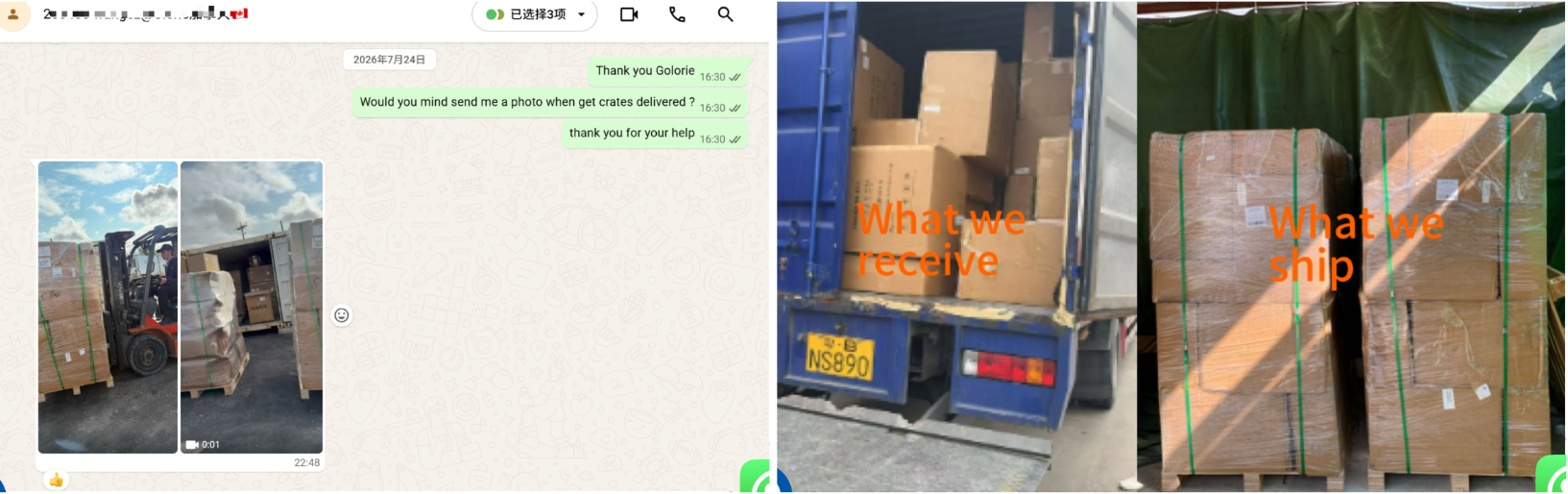
Customer Source: Our Official Website
Cargo Type: Tables and Chairs
Cargo Volume: 26 CBM
Shipping Route: Foshan, China to Montreal Port, Canada
Final Destination: Ontario, Canada
Shipping Method: Sea Freight LCL DDP Door-to-Door
Transit Time: 42 Days After Departure
- Supplier Pickup: We coordinated with multiple furniture suppliers in Foshan, collected the tables and chairs, and moved the cargo to our warehouse for further processing.
- Cargo Consolidation and Inspection: We consolidated the cargo from different suppliers into one shipment and checked the package quantity, cargo condition, labels, and shipment information before loading.
- Furniture Repacking: Based on the furniture type and packaging condition, we reinforced and repacked the cargo to improve protection during handling and ocean transportation.
- Shipping Method Comparison: We compared LCL shipping to Montreal Port, FCL shipping to Montreal Port, and LCL DDP shipping to Canada. After reviewing the costs, customs responsibilities, destination charges, and operational requirements, we recommended the LCL DDP solution.
- Ocean Transportation and Shipment Monitoring: After departure, our service manager provided regular shipment updates and monitored the cargo throughout transportation, giving the customer better visibility into the shipment status.
- Customs Clearance and Final Delivery: Under the agreed DDP service, we coordinated the import customs process, applicable duties and taxes, and final delivery from Montreal Port to the designated location in Ontario.
The shipment was completed approximately 42 days after departure. By combining supplier coordination, cargo consolidation, packaging support, customs assistance, and final delivery, we provided the customer with a more efficient way to ship furniture from China to Canada.
If you are planning a similar furniture shipment, you can share your supplier locations, cargo volume, preferred shipping method, and Canadian delivery address with us. We will review the details and help you choose a practical shipping furniture solution from China to Canada.
FAQs About Import Furniture from China to Canada
Can I Ship Only One Sofa or Dining Table?
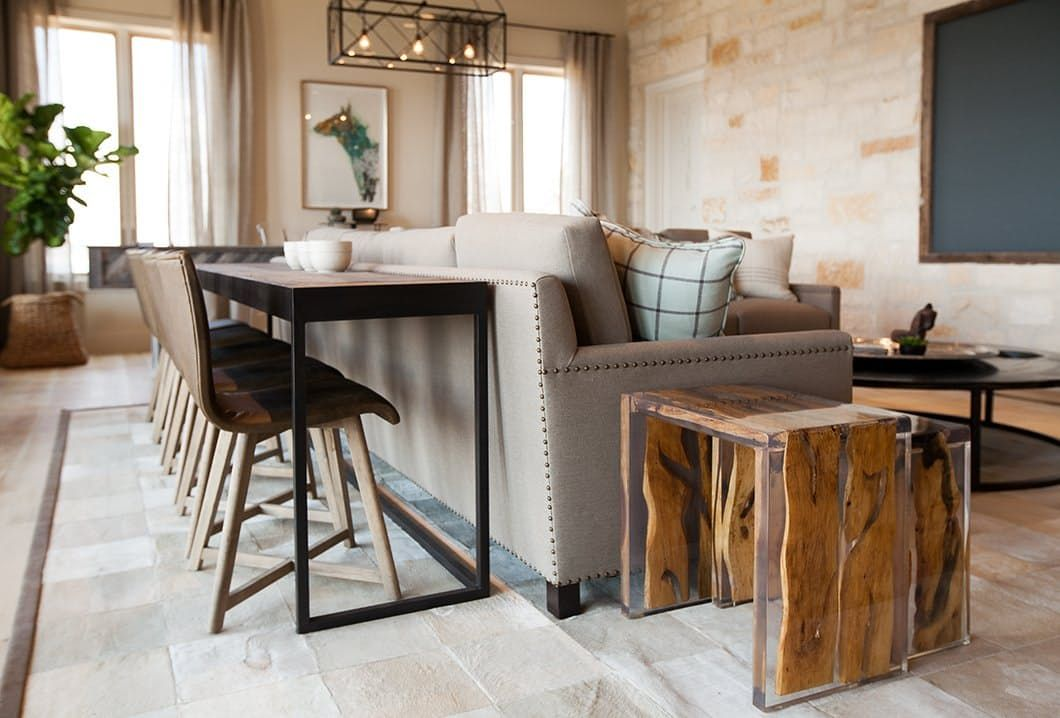
Yes. One sofa, table, cabinet, or chair can usually be shipped by LCL, air freight, or express service. The packed dimensions and delivery address will determine the most suitable option.
Can I Combine Furniture from Several Chinese Suppliers?
Yes. We can receive your cargo at our Chinese warehouse, inspect the packages, consolidate them, and arrange one shipment. Each supplier’s invoice and product information should remain accurate.
Do I Need to Travel to China to Inspect My Furniture Order?
No, you do not necessarily need to visit China. We can coordinate supplier communication, cargo inspection, photos, videos, quantity checks, packaging checks, and pre-shipment reporting so you can review the furniture before it leaves China. For high-value or highly customized orders, an in-person inspection can still be arranged if needed.
Can I Import Used Furniture from China to Canada?
Used furniture may be imported, but the rules depend on whether it is commercial cargo or personal household effects. Used mattresses may face additional restrictions, so confirm admissibility before shipping. You can see the CBSA personal effects guidance.
What Is the Import Duty on Furniture from China to Canada?
There is no single import duty rate for all furniture imported from China to Canada. It depends on the 10-digit HS code, material, design, intended use, and whether the furniture is assembled or sold as a set. Some products may be duty-free, while others may have rates of around 9.5%, with GST/HST calculated separately. Share your furniture details with us for a clearer duty estimate.
Can I Insure My Furniture Shipment from China to Canada?
Yes. For eligible shipments, we can arrange cargo insurance through our long-term cooperation with Ping An Insurance and China Pacific Insurance. The reference rate is 0.05% of the insured amount. For example, insurance for cargo valued at US$20,000 would cost approximately US$10. Fragile furniture may include a 5% deductible, depending on the policy terms.
Final Thoughts
To import furniture from China to Canada successfully, you need the right shipping method, accurate package details, strong packaging, complete documents, correct HS classification, compliant wood packaging, and a clear customs plan. Sea freight is usually suitable for large furniture shipments, while air freight and express shipping are better for urgent or smaller cargo.
You can send us your furniture details, package dimensions, total CBM, weight, supplier location, and Canadian postal code, and we will provide you with a suitable shipping arrangement and a customized quotation.