
Professional Industrial Equipment Shipping From China to Your Factory
All-In-One Standard Container Shipping Offers Multi-Supplier Consolidation, Secure Transit, and Smooth Customs Release


Reliable Industrial Equipment Shipping Forwarder in China
DFH Logistics focuses on industrial equipment shipping solutions from China. Our logistics network covers the main manufacturing centers in China. This allows us to rapidly pick up your high-value, containerized machinery directly from your suppliers’ factories.
DFH Logistics supports a wide range of secure industrial transport and cargo-securing demands. We excel in consolidating industrial equipment shipments from multiple suppliers into FCL and LCL containers. In addition, we also support multiple trade terms, including DDP, DAP, FOB, and EXW.
Our precision lashing protocols align with your equipment’s Center of Gravity (CoG). This ensures your equipment is stable and safe during the entire sea freight process.
Contact us and get your customized shipping solution today.
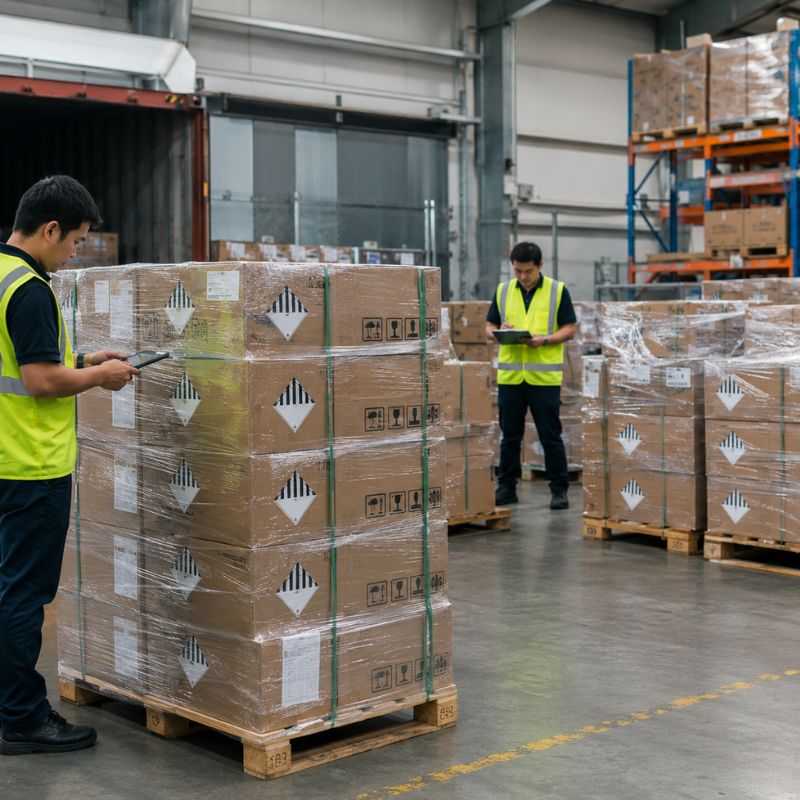
DFH Logistics coordinates with your suppliers in China. Once your suppliers have completed the machinery disassembly and export crating, we will take over the pickup arrangement in China. You can choose both FCL and LCL based on your cargo quantity. When your goods from multiple suppliers have all arrived in our warehouse, we will optimize the spacing and save freight costs for you.
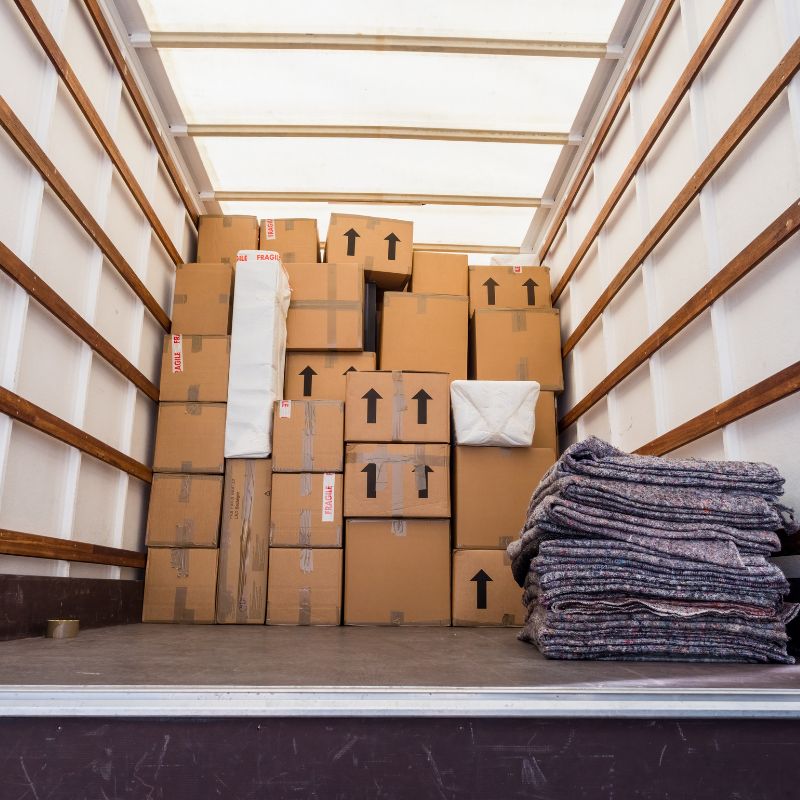
During ocean freight, the harsh marine environment and physical shock can damage your industrial equipment easily. We provide vacuum VCI service to prevent rust, and CoG-aligned lashing to resist physical impact.
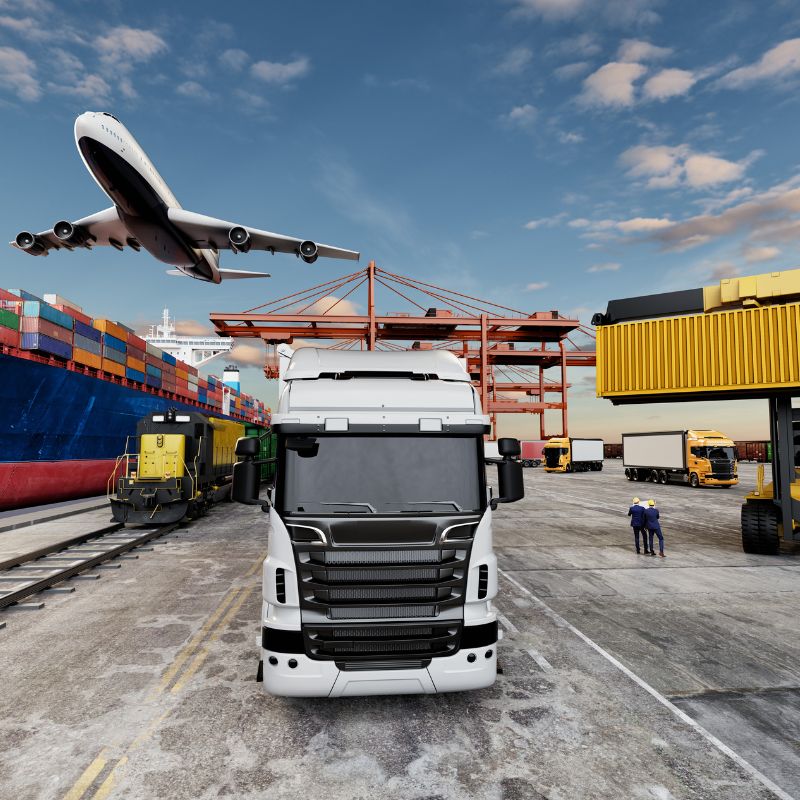
You can select different freight methods according to your specific demands. When you don’t have an urgent delivery requirement, sea freight is your top choice for its cost-effectiveness. If you have a strict deadline, air freight is a suitable option. When your factory is facing a production shutdown, international express is ideal.
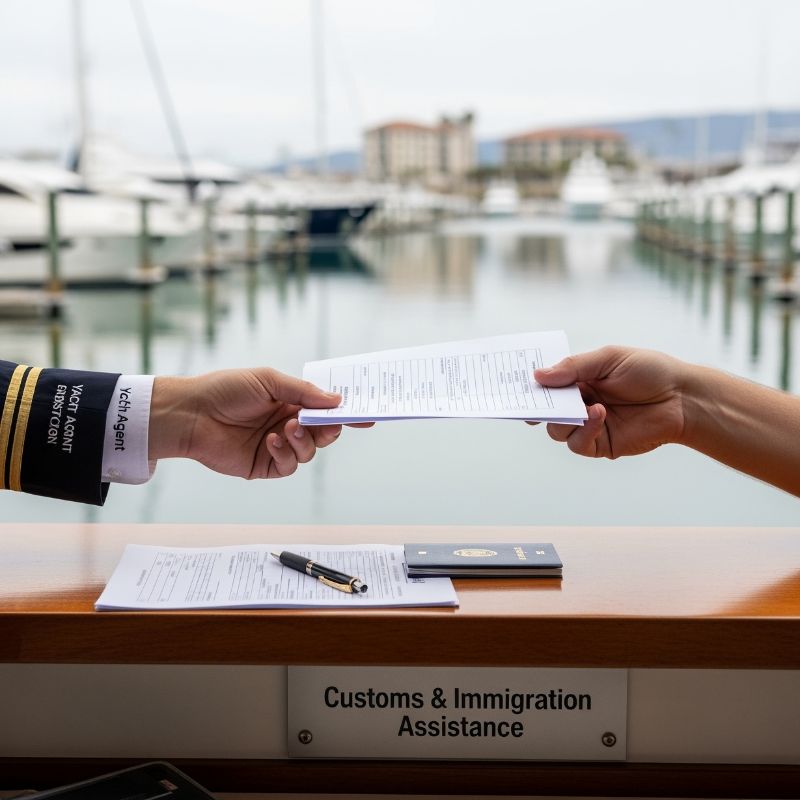
DFH Logistics has customs companies in multiple countries, including the US, the UK, Canada, South Africa, and Nigeria. We cooperate with professional local customs brokers in other countries. We are experienced in industrial customs and tariff compliance, minimizing your cargo delay.

We partner with worldwide truck carriers to deliver your cargo from the destination port to your factory gate.
For FCL shipments, we lock your equipment with standard high-security steel seals throughout the entire transit process from the factory door to your destination gates. In this way, we significantly reduce the risk of damage in the process of secondary handling when transloaded from the port to the truck.
Why Can You Trust DFH Logistics?
- Over 13 years of industrial equipment shipping experience
- 15 days of free warehousing for your industrial machinery
- CoG balancing secures your equipment from physical transit shock
- Industrial standard vacuum VCI prevents your equipment from rust
- Support multiple trade terms, including DDP, DAP, FOB, and EXW
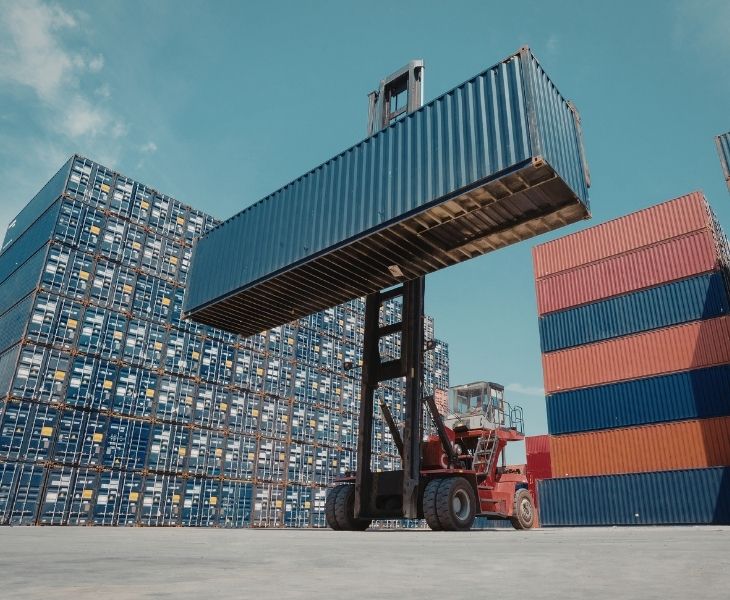
How Will My Machinery Be Loaded Into the Containers?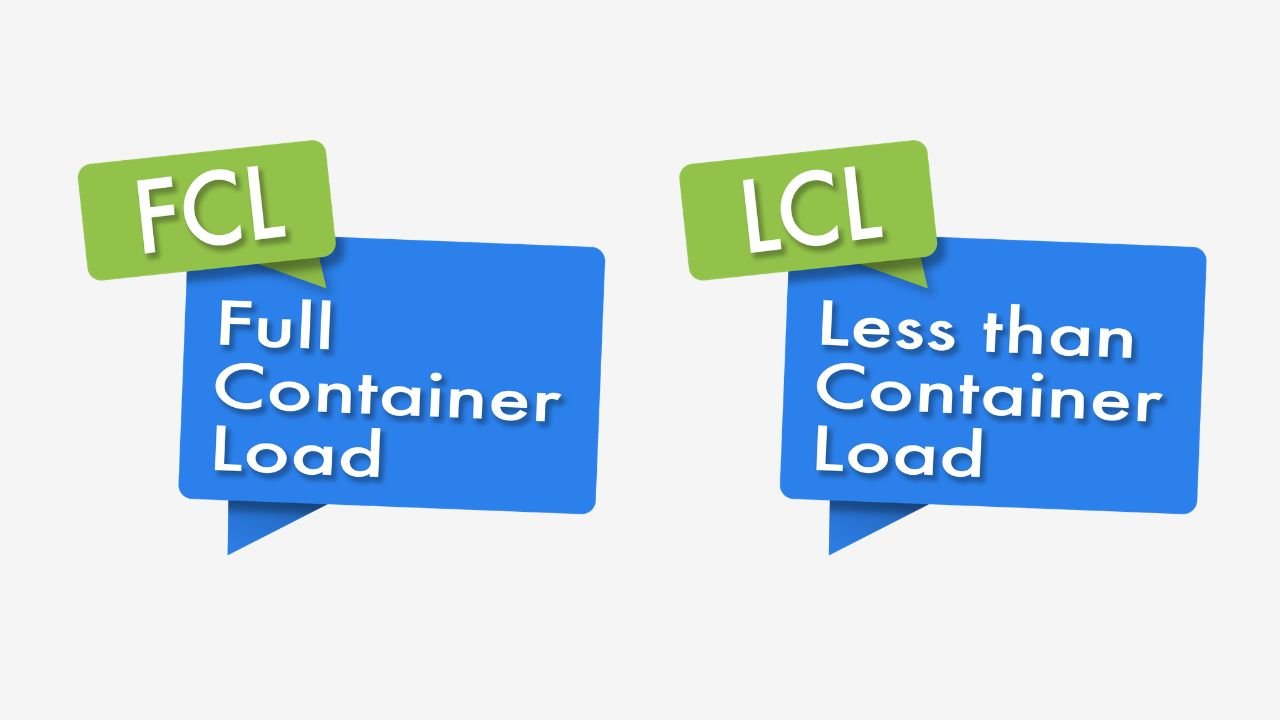
For FCL Shipments (Full Container Load)
Your suppliers pack your industrial equipment inside the wooden crates, then load them into the container. After loading, we use steel wires, heavy-duty straps, and wooden blocks to secure the wooden crates to the internal d-rings in the container. This heavy lashing prevents the cargo from shifting during transit.
For electronic parts, we add desiccant bags and foam padding. Our team will arrange the placement based on the weight distribution. In this way, the container maintains balance during the journey.
For LCL Shipments (Less-than-Container Load)
We pick up your equipment from your supplier’s factory. Your equipment is packed into crates. After your cargo arrives at our warehouse, it is unloaded from the truck by our operators.
We consolidate your equipment with other compatible cargo into a shared container. In this process, we use wooden barriers to separate the industrial equipment from lightweight parcels.
The goods are secured to the rings in the container with lashing belts. And the weight is distributed evenly on the bottom.
How Do You Prevent Damage to Industrial Equipment During Transit?
Different equipment requires different protection methods. The table below is only for a quick reference.
DFH Logistics will provide a customized packing and securing solution according to your cargo’s dimensions, weight, center of gravity, and other factors. Tell us your cargo details and get a quotation instantly.
| Transit Risks and Protection Measures for Industrial Equipment | |
| Risk During Transit | DFH Solution |
| Rust and Corrosion | Vacuum VCI Packaging |
| Container Movement | CoG Balancing |
| Sudden Vessel Motion | Steel Wire Lashing |
| Road Vibration | Air-Ride Suspension Truck |
| Moisture Damage | Desiccant Bags |
| Impact Damage | Foam Padding |
Under Your DDP Terms, How Do You Handle Cargo Insurance and Liability if Industrial Machinery or Electronic Components Are Damaged?
Under our DDP shipping arrangement, DFH Logistics manages the transportation process and coordinates cargo insurance coverage until delivery at the designated destination. We buy marine cargo insurance for 110% of the commercial invoice value.
If damage occurs, our team will handle the insurance claim process. You need to take photos and videos of the visible damage or container tampering before unloading, clearly note the details on the Delivery Receipt (POD), and perform a detailed inspection of the machinery immediately after uncrating.
We will hand over all the documents to the insurance company for assessment and payout.
How Do You Handle High-Value, Sensitive Industrial Machinery and Precision Manufacturing Equipment Under DDP?
For high-value equipment, DFH Logistics reviews your customs documentation for compliance before sending shipments. We recommend suppliers use vacuum anti-rust packaging for electronic components to prevent rust in marine environments.
As for the last-mile delivery, we partner with local truck carriers. In many countries, we can arrange trucks with air-ride suspension systems instead of regular trucks to reduce road vibrations during transport.
FCL vs. LCL: Will My Container Stay Locked for the Entire Journey?
For FCL Shipments
The containers are locked with a steel seal at the supplier’s factory and remain sealed until they arrive at your destination. (Except for mandatory customs inspections)
For LCL Shipments
Your cargo shares the container with other compatible cargo. Before being delivered by the local truck, the container has to be opened at the destination port to separate the shipments.
Your wooden crates stay closed.
| FCL vs LCL for Machinery | ||
| Feature | FCL | LCL |
| Container Usage | Exclusive container | Shared container |
| Security | Highest | High |
| Cost Efficiency | Best for large shipments | Best for smaller shipments |
| Transit Handling | Minimal | More handling points |
| Customs Inspection Impact | Lower | Higher |
| Recommended For | Heavy machinery | Small equipment orders |
| Factory-to-Destination Seal | Yes | No |
Since My Container Is Locked at the Supplier’s Factory, Does the Supplier Apply Container Seals?
No. DFH Logistics, the freight forwarder, provides the seal. But the action of sealing is done at your supplier’s factory.
Here are the processes of sealing:
- Dispatch and Pickup at the Port Depot
DFH Logistics books the shipping space with the carrier and gets a container release order (CRO). Our dispatcher hands over the paperwork to the driver, and the driver picks up an empty container from the port’s empty container yard.
The yard staff gives the driver a brand new high-security steel seal with a unique number. (The truck driver holds the seal and leaves it unlocked for now.)
- Empty Container Transit to the Factory
The truck driver hauls the empty container and the seal to your supplier’s factory in China.
- Cargo Loading at the Workshop
When the driver arrives at the workshop in the factory, the container is opened. The workers load industrial equipment into the container, build wooden crates, and secure the cargo.
In this process, the container doors are open. The seal is not applied yet.
- Locking Immediately After Loading
After loading your cargo, the container doors are closed.
The truck driver locks the container with the seal.
What Is CoG Balancing? How Is It Performed for Industrial Machinery Transport?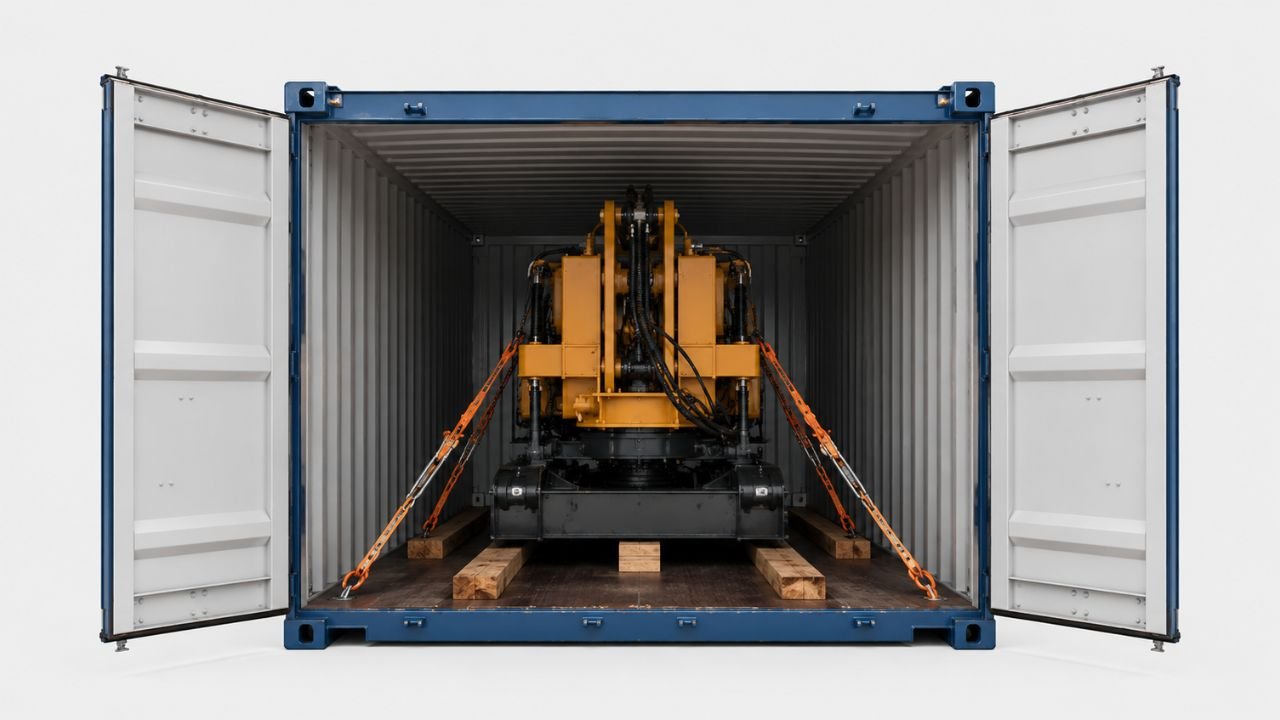
Industrial machinery is usually heavy on one side or top-heavy. If we load it as regular goods, the machinery tends to tip over when the vessel rocks in waves or the truck brakes suddenly.
CoG balancing means we will find out the exact center of gravity of your equipment before carrying. We place the heaviest part at the center of the container floor precisely and lock it down.
This helps prevent tilting, shifting, and impact against container walls during the entire journey. It prevents costly mechanical damage directly by avoiding transit shocks.
How Does the Industrial Standard Vacuum VCI System Prevent Machinery From Rusting?
During the long-term marine journey, your industrial equipment is exposed to high humidity and salty spray. This causes rust and corrosion on the bare metal surface and electronic components.
To protect your cargo from corrosion, we wrap your equipment with special vacuum barrier film treated with Volatile Corrosion Inhibitors (VCI). After this, we pump out all the air inside the package and build an isolated dry environment.
In this dry condition, the film releases invisible protective molecules. They coat the entire surface of your metal and electronic parts, and keep the salt and moisture from them. When you receive the equipment, it is dry and clean, which supports plugging in for work. You can use it without extra rust-cleaning or repair.
What Documents Are Required to Ship Industrial Equipment From China?
Below is a quick reference for shipping documents required for industrial equipment. For detailed information, please contact our service team. We will offer you customized guidance after the quotation.
| Shipping Documents for Industrial Equipment | ||
| Document | Purpose | Provided By |
| Commercial Invoice | Customs valuation | Supplier |
| Packing List | Cargo details | Supplier |
| Bill of Lading | Transport document | Carrier |
| HS Code Information | Customs classification | Supplier / DFH |
| Import Permit (if required) | Regulatory compliance | Importer |
| Certificate of Origin (if required) | Duty preference | Supplier |