
Shipping from China to Austria
Shipping from China to Austria with smart logistics and greater supply chain control



Your Best Freight Forwarder from China to Austria
DFH Logistics specializes in shipping from China to Austria with more than 13 years of experience. We are also the DDP specialist, as we provide comprehensive DDP door-to-door services and solutions.
We help our customers optimize shipping options, reduce freight costs, and improve shipment efficiency. We earn our customers’ trust by sincere and professional services.
Our comprehensive value-added services provide a smoother shipping experience, including cargo pickup, consolidation, goods inspection, repacking, relabeling, cargo insurance, customs clearance, documentation, duties & taxes, and final delivery.
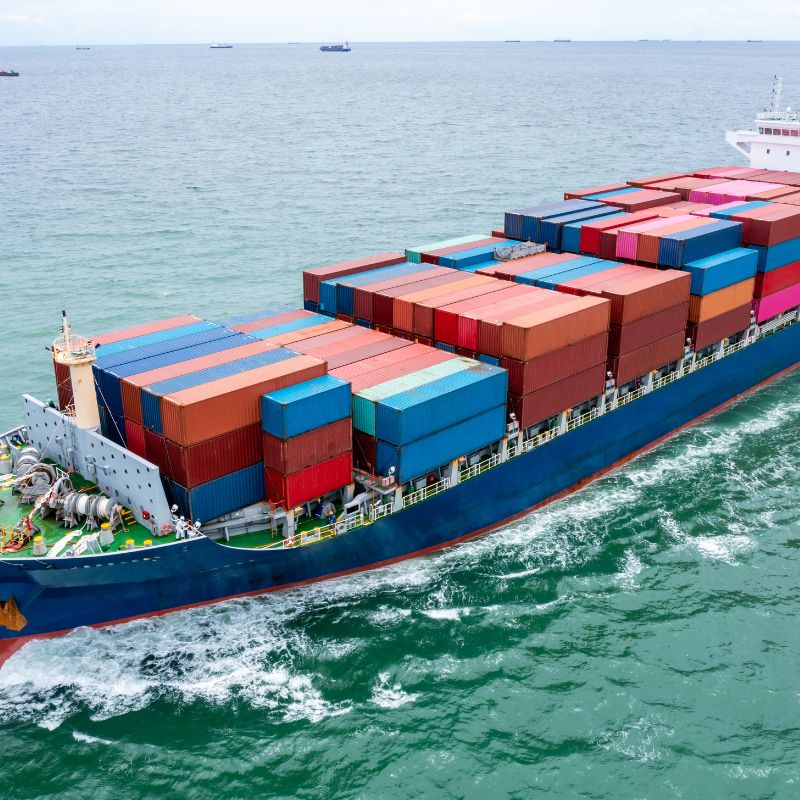
Our cost-effective sea freight solution is ideal for bulk shipment and regular shipments. We help you optimize shipping routes and save shipping costs.
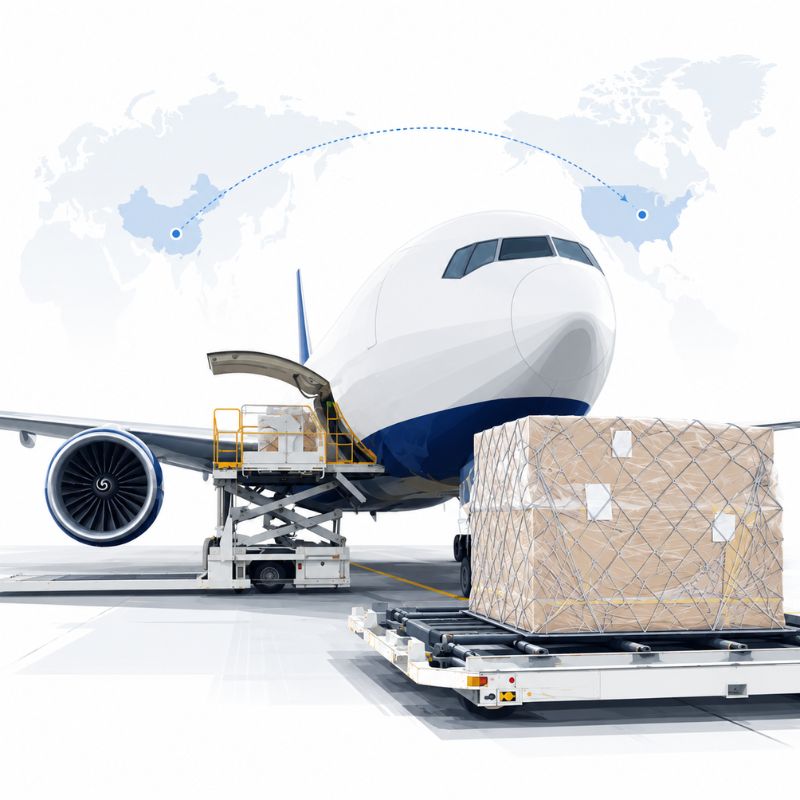
When delivery time is crucial, we can provide our fast and affordable air freight solutions for your urgent shipments.
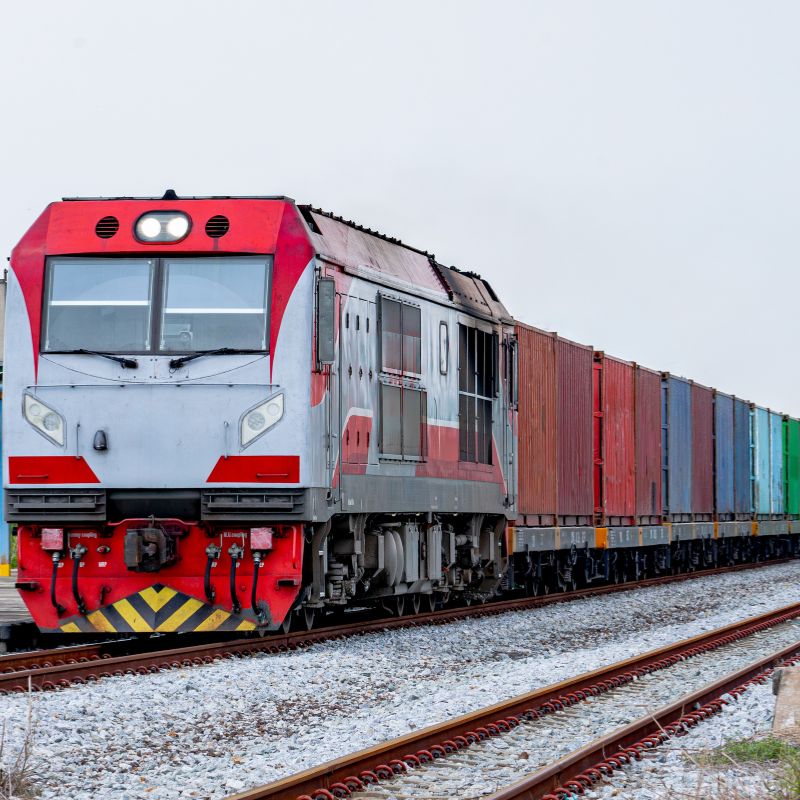
Rail freight is faster than sea freight and cheaper than air freight. It is an excellent alternative solution for EU countries. With stable shipping routes, it provides stable transit times.
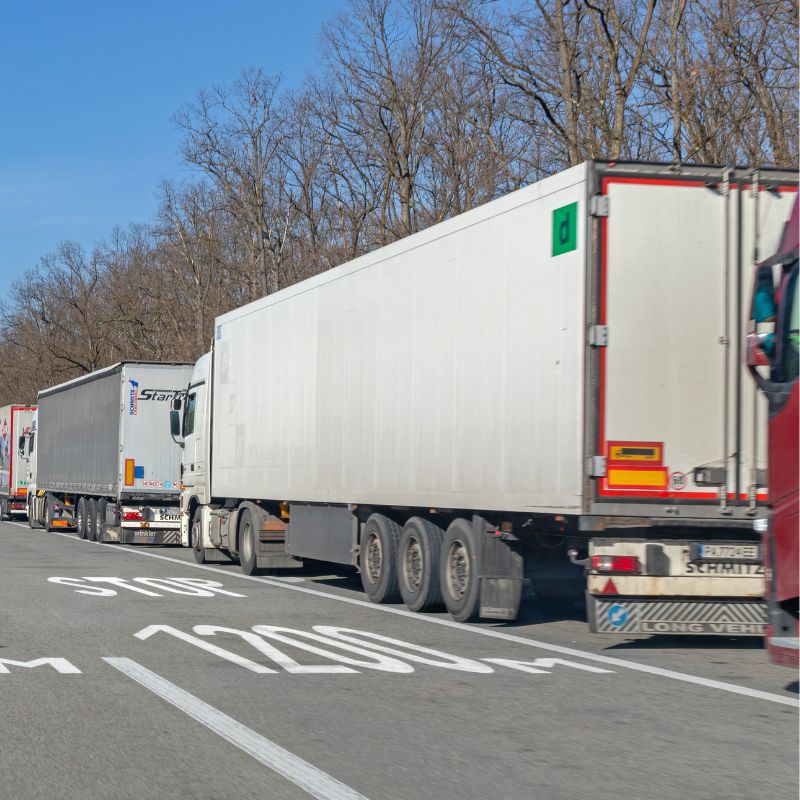
Truck freight offers flexible door-to-door shipping solutions from China to Austria. It offers a balance of cost and speed, making it an ideal option for importers.
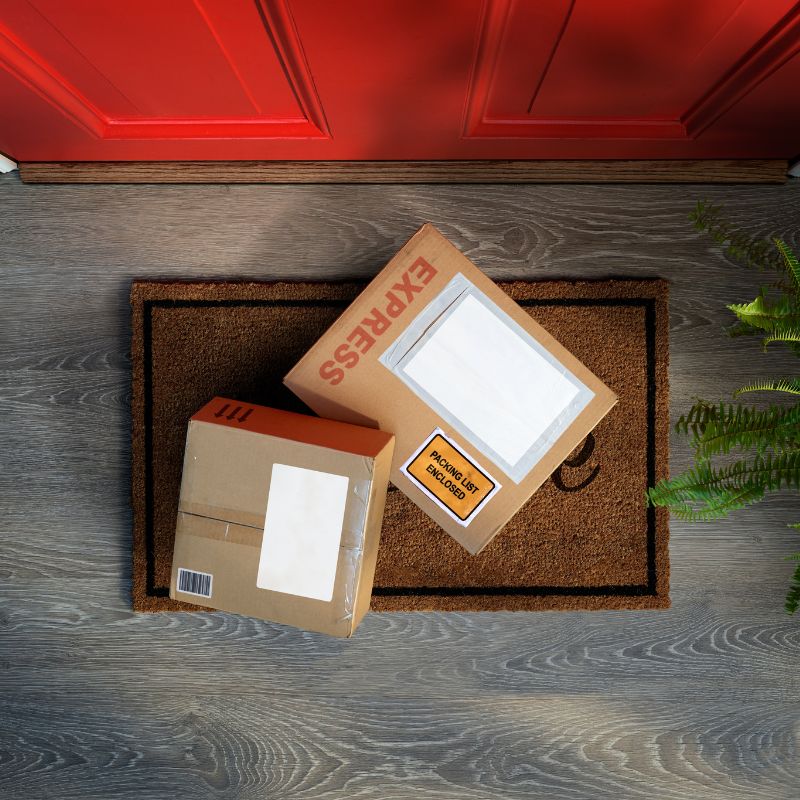
By establishing long-term partnerships with global couriers like DHL, UPS, and FedEx, we provide competitive freight rates for our customers.
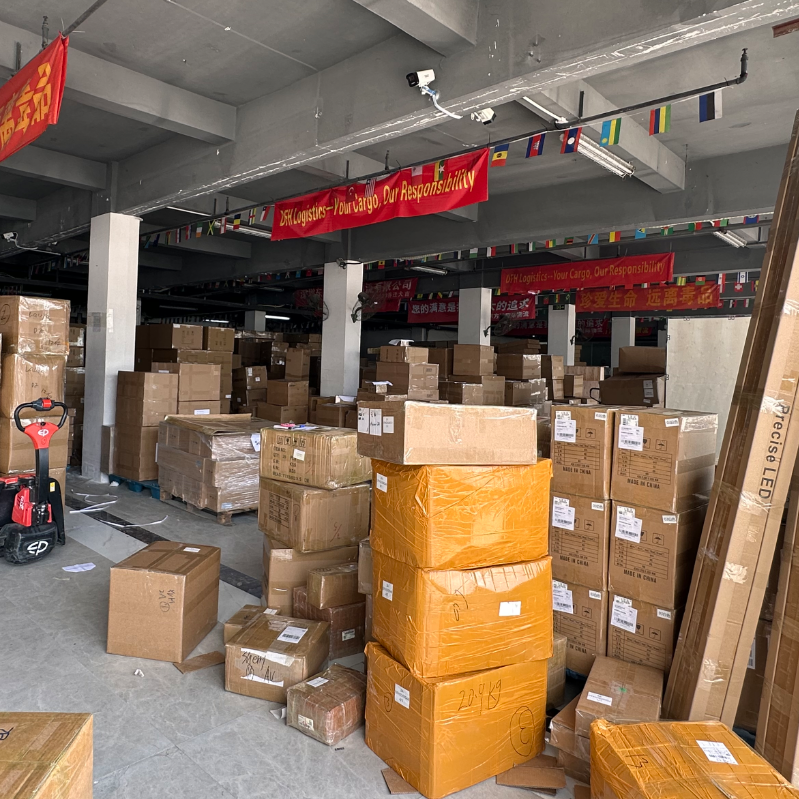
We provide multiple DDP shipping solutions based on your budget, delivery time, and cargo type. Our DDP solution allows you to import goods without troubles.

With extensive experience shipping from China to Amazon FBA, we ensure smooth Amazon warehouse delivery and cargo compliance.

Our professional team is familiar with customs regulations in China and Austria. We prepare all required shipping documents and manage smooth customs clearance.
Why Choose DFH Logistics Shipping from China to Austria?
- Consolidate your cargo from multiple suppliers and ship them together to reduce shipping costs.
- Inspect your goods for quantity, condition, packaging, and labels to verify cargo compliance.
- Customized and flexible shipping solutions to meet your different requirements and cargo types.
- Extensive experience in international logistics provides you with a hassle-free shipping experience.
- 15 days free storage service to provide you with more flexibility.
What Is the Shipping Cost from China to Austria?
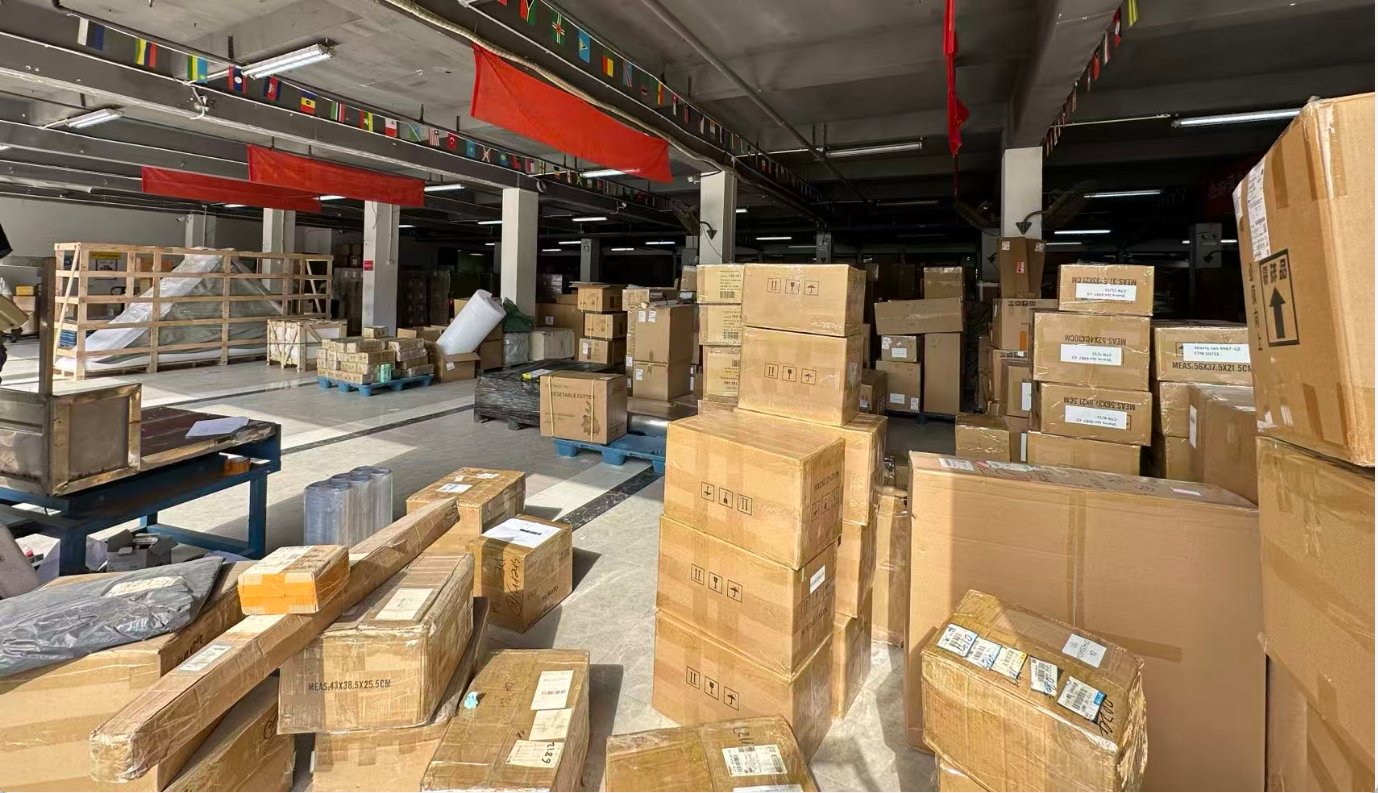
Air freight from China to Austria costs $6.94-$7.69/kg, and express freight costs $7-$9/kg. Sea freight FCL costs $2500-$4500 per container, while sea freight LCL costs $2.46-$3.13/kg. Rail freight costs $2.87-$3.01/kg for shipments over 100kg, and truck freight costs $3.04-$3.39/kg.
Many importers may worry about hidden fees and non-transparent pricing. It’s recommended to confirm service details and responsibility clearly with the freight forwarder before shipment.
These prices refer to general goods with standard packaging, and only for your reference in July 2026. If your cargo contains batteries, magnets, irregular-shaped, or branded products, contact us and our service manager will provide you with a customized quotation.
| Shipping Method | Approximate Prices | Pricing Basis |
| Air Freight | $6.94-$7.69/kg | by chargeable weight |
| Express Freight | $7-$9/ kg | by chargeable weight |
| Sea Freight FCL | $2500-$4500 | by container |
| Sea Freight LCL | $2.46-$3.13/kg | by chargeable weight |
| Rail Freight | $2.87-$3.01/kg from 100kg | by chargeable weight |
| Truck Freight | $3.04-$3.39/kg | by chargeable weight |
How Long Does Shipping from China to Austria Take?
Shipping from China to Austria takes 3-5 days by express freight, and 7-12 days by air freight. Truck freight takes 20-28 days, rail freight takes 30-35 days, and sea freight takes 35-55 days.
The following transit times are not fixed but will be affected by many factors, such as human factors, natural factors and force majeure. The best way to reduce shipment delays is to work with an experienced freight forwarder who can provide stable shipping routes.
| Shipping Methods | Transit Time |
| Air Freight | 7-12 days |
| Sea Freight | 35-55 days |
| Express Freight | 3-5 days |
| Rail Freight | 30-35 days |
| Truck Freight | 20-28 days |
How to Import Goods from China to Austria?
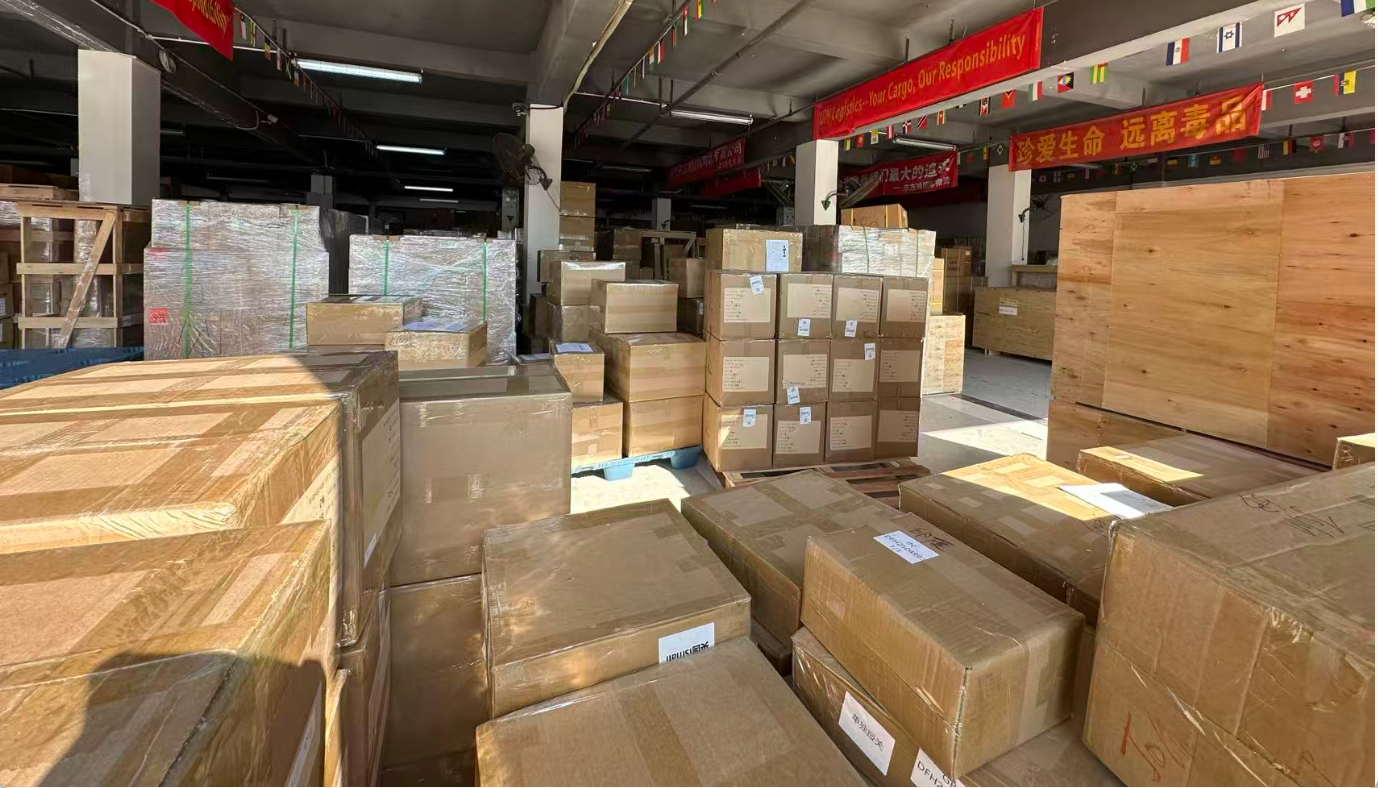
To ensure successful import from China to Austria, importers should pay attention to the following steps.
Step 1: Preparation
Importers should ensure they are qualified to import from China to Austria and confirm procurement requirements:
- Obtain an EORI number
- Confirm product type and ensure they are allowed to be imported into Austria
- Confirm sourcing channel: directly source from factories or via platforms like Alibaba
Step 2: Choose the Right Supplier
Before placing the order, verify your supplier:
- Whether they are a direct manufacturer
- Business legitimacy and factory certificates
- Experience
When you find the right supplier, confirm the trade term, lead time, and other issues for the next arrangement.
Step 3: Arrange Shipment
When your goods are ready to ship, you can work with a freight forwarder to arrange shipment. They will help you choose the most suitable and cost-effective solutions based on your shipments. According to your requirements, they will deliver goods to your designated location.
The importing process is not difficult as long as you choose the right partners. Suppliers and freight forwarders both play important roles in your supply chain and business.
What Is Door-to-door Shipping from China to Austria?
Door-to-door shipping means a single logistics service provider arranges the entire shipping process from cargo pickup to final delivery to your doorstep. Importers only need to place the order and wait for the goods to arrive. In international trade, door-to-door normally refers to DDP or DAP terms.
What Does the Door-to-Door Price Include
Different shipments have different prices. Door-to-door charges mainly include:
- Cargo pickup fees
- Freight costs
- Customs clearance and documentation fees
- Duties and taxes
- Final delivery fees
- Other charges: depending on your service requirements
Benefits of Door-to-Door Shipping
Importers don’t need to coordinate with multiple parties, as one service provider arranges the entire shipment. This not only improves communication efficiency but also reduces the risk of shipment delay.
Door-to-door shipping costs may be slightly higher upfront, but you don’t need to face unexpected surprises. You only need to be clear about service scope.
What Documents Are Required for Customs Clearance in Austria?
Shipping documents are indispensable for customs clearance. Following are the typical documents required for customs clearance in Austria:
- Commercial Invoice
- Packing List
- Bill of Lading (B/L) / Air Waybill (AWB)
- Certificate of Origin (CO)
- Customs Declaration Form
- Other Permits and Certificates
How to Calculate Import Duty and VAT in Austria?
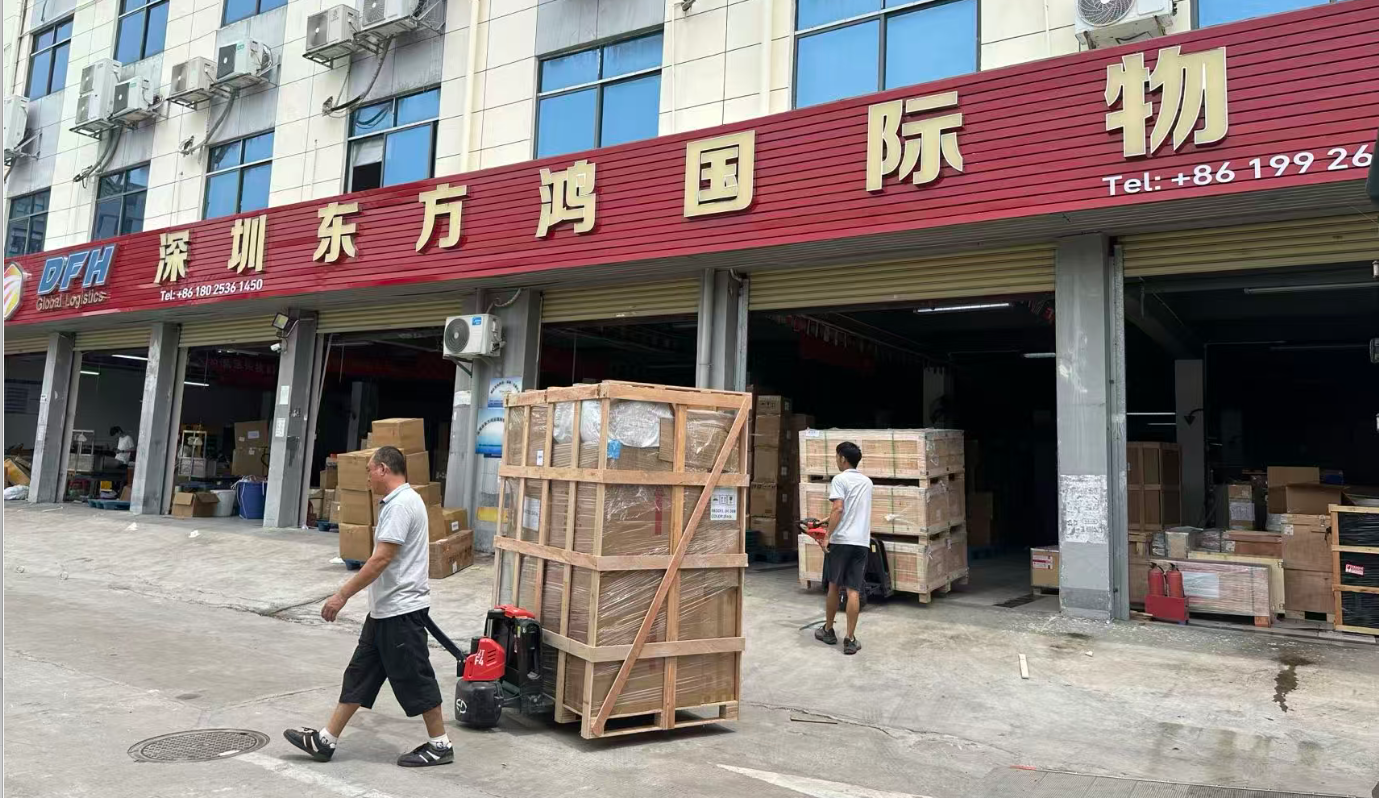
As a member of the European Union (EU), Austria applies the EU’s common customs duties and tax regulations to goods imported from non-EU countries.
- VAT (Value Added Tax): The standard VAT is 20% on imported goods, calculated based on the customs value, import duties, and related costs, with reduced rates of 13% and 10% for certain products.
- Import Duty: It depends on HS code, product type, and declared value. Different products have different import duties. For example:
| Product Type | Import Duty Rate |
| Agricultural products | 0%-25% |
| Industrial products | 3%-10% |
| Textiles and clothing | 0%-17% |
| Consumer goods | 2%-12% |
| Medicines | 5% |
What Are Prohibited and Restricted Goods in Austria?
Prohibited goods that are not allowed to be imported into Austria include:
- Illegal drugs
- Some weapons
- Counterfeit goods
- Animals and plants
- Illegal gambling products
- Hazardous chemicals
- Obscene or illegal publications
Restricted goods are allowed to be imported with certain permits and certificates:
- Medicines
- Tobacco
- Radio communication equipment
- Precious metals
- Narcotic drugs
- Food, beverages, and animal products
What Are Main Shipping Routes from China and Austria?
China to Austria shipping routes are well-established, but most shipments rely on transit hubs rather than direct transportation. Among available shipping methods, rail freight provides direct China-Europe Railway Express services.
Air Freight from China to Austria
Departure Airports: Beijing Capital Airport(PEK)/ Shanghai Pudong Airport(PVG)/ Xi’an Xianyang(XIY)/ Shenzhen Bao’an(SZX)/ Guangzhou Baiyun Airport(CAN)
Transit Hubs: Frankfurt Airport (FRA)/ Munich Airport (MUC)/ Amsterdam Schiphol Airport (AMS)/ Paris Charles de Gaulle Airport (CDG)
Destination Airports: Vienna International Airport (VIE)
Sea Freight from China to Austria
Austria is a landlocked country, so the sea shipments from China to Austria are mainly transported to EU logistics hubs and then delivered to Austria by express or truck.
Departure Seaports: Shanghai Port/ Ningbo Port/ Qingdao Port/ Shenzhen Port
Transit Hubs: Hamburg, Germany/ Rotterdam, Netherlands/ Antwerp, Belgium
Rail Freight from China to Austria
We have mentioned that rail shipments can be directly delivered to Austria:
Xi’an/Chengdu, China → Kazakhstan → Russia → Belarus → Poland/Slovakia → Vienna, Austria
Truck Freight from China to Austria
Truck shipments routes: China → Kazakhstan → Russia → Belarus → Poland → Germany → Austria.
What Common Problems for Importers to Know?
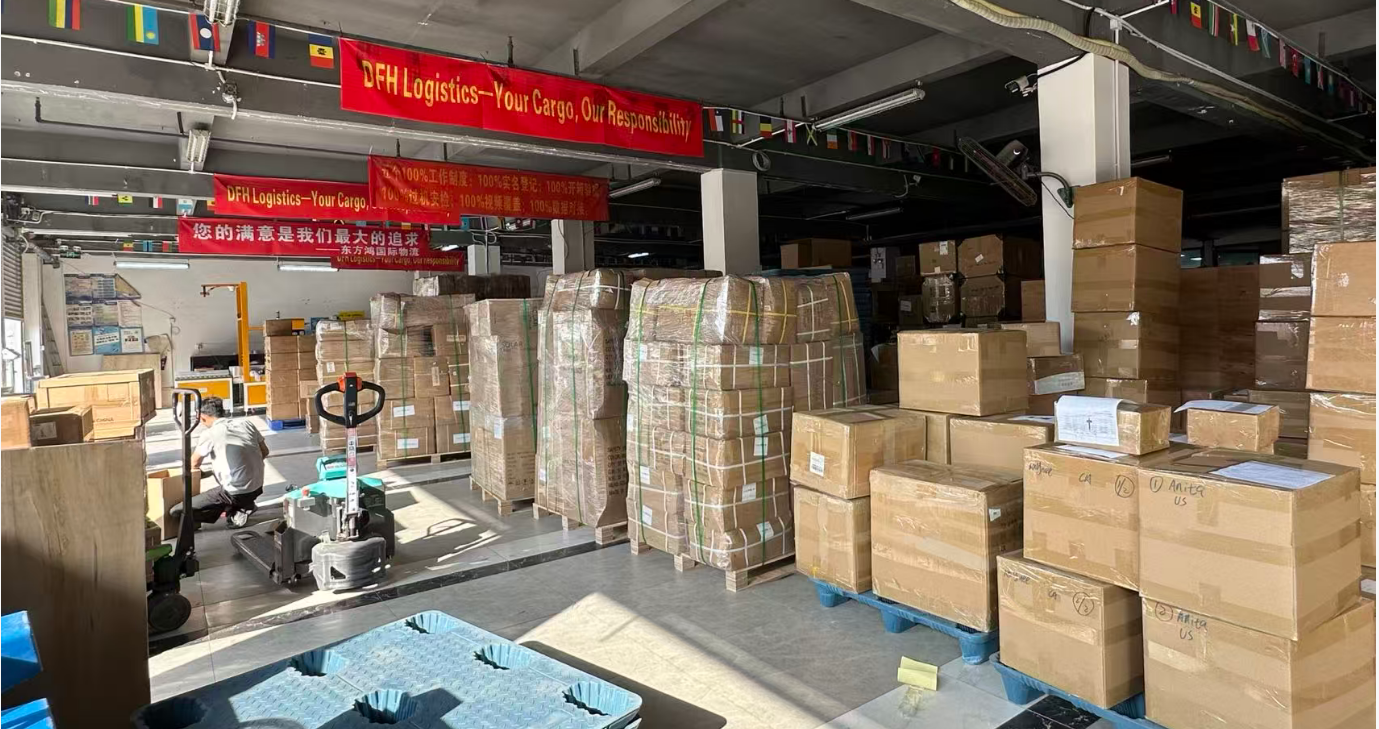
International logistics involves multiple stages, and potential risks may exist at every stage. Below are some common problems in China-Austria shipping.
1. Hidden Fees
Typical hidden fees include documentation fees, customs clearance fees, remote area surcharges, oversized fees, fuel surcharges, and handling fees. You should confirm all potential charges before shipment to avoid unexpected costs.
2. Shipment Delay
Efficient transportation depends on fast coordination, smooth customs clearance, stable shipping routes, and safe final delivery. However, not every stage of the shipping process can always proceed exactly as planned. Working with an experienced freight forwarder can effectively reduce potential delays.
3. Customs Inspection
Customs inspection is a standard process but may lead to extra time and costs. Proper preparation before shipment can minimize the risk of customs inspection delays. Importers should cooperate with customs positively and provide all required documents.
4. Product Compliance Issues
Importers should verify cargo compliance requirements such as packaging, labeling, marks, certificates, permits, and test reports. Otherwise, it will affect customs clearance and market access.
5. Incorrect and Incomplete Documents
Incorrect shipping documents mainly include wrong HS code, missing or inconsistent information. Importers should prepare all paperwork in advance and ensure they are complete and correct.
Working with a professional freight forwarder like DFH Logistics helps you reduce unnecessary costs and improve cargo compliance. Importers should choose the right logistics partner.
Which Incoterm Should I Choose?
Importers can choose the suitable Incoterm based on their experience, shipment, and logistics resource. If you want to control the costs and have regular logistics partners, EXW and FOB are ideal solutions. CIF is a typical trade term for sea freight with insurance. DAP and DDP are suitable for importers who want a simple and convenient experience.
Following are the main comparisons of most commonly used Incoterms.
| Shipping Process | EXW | FOB | CIF | DAP | DDP |
| Pickup from Supplier | Buyer | Buyer | Seller | Seller | Seller |
| Export Customs Clearance in China | Buyer | Seller | Seller | Seller | Seller |
| International Transportation | Buyer | Buyer | Seller | Seller | Seller |
| Insurance | Buyer | Buyer | Seller | depending on agreement | depending on agreement |
| Import Customs Clearance in Austria | Buyer | Buyer | Buyer | Buyer | Seller |
| Import Duties & VAT | Buyer | Buyer | Buyer | Buyer | Seller |
| Final Delivery to Destination | Buyer | Buyer | Buyer | Seller | Seller |
| Risk Transfer Point | When goods are available at seller’s factory | When goods are loaded on vessel | When goods are loaded on vessel | At named destination before unloading | Delivery to the named destination |