Shipping lead times from China to the USA directly affect inventory status, production arrangements and buyer satisfaction. Whether you import goods for offline retail, online business or bulk wholesale, knowing practical transit time helps prevent delays and optimize your supply chain decisions.
Understanding the Different Shipping Options
Express Courier
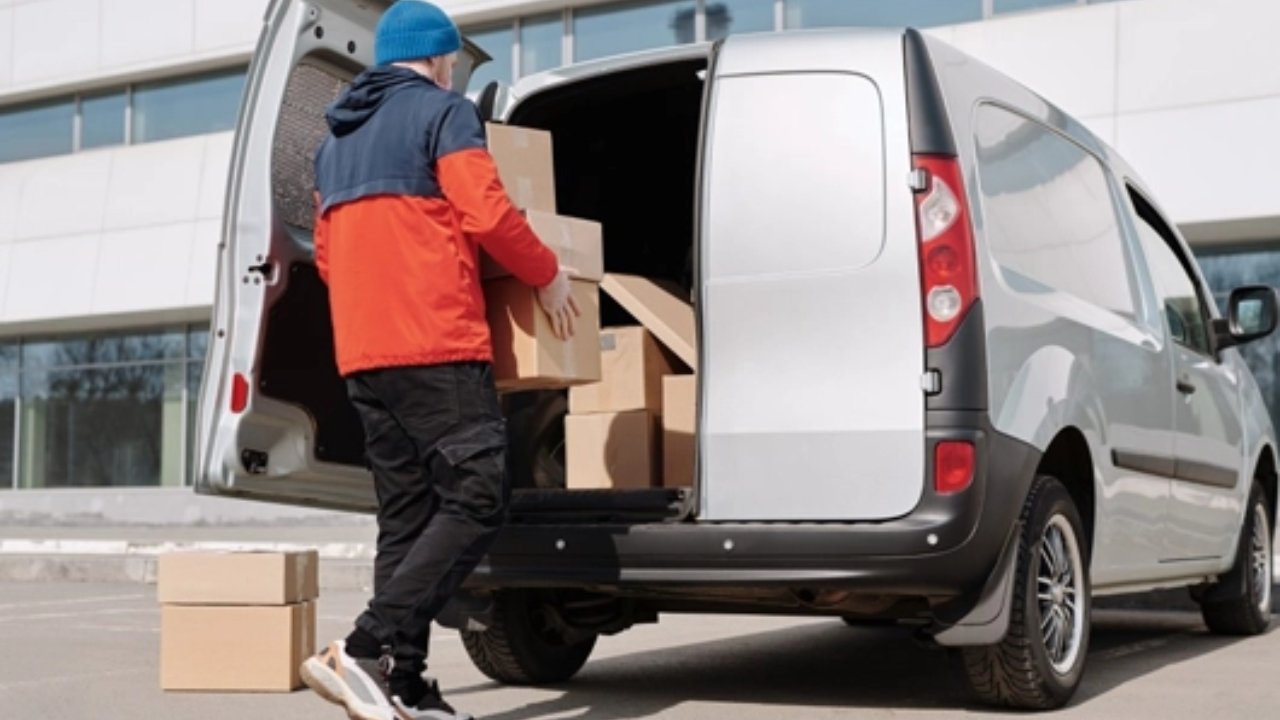
Express delivery is a door-to-door service. The courier company does everything. They collect your package, handle export customs, move it by air, handle import customs, and deliver it to the final address. So, you only need to provide the waybill and commercial invoice. You do not need to handle the other steps. Transit time from major Chinese cities to the United States is usually 2 to 7 days. The price per kilogram is the highest of the four ways. This service is generally most cost-effective for shipments below 100-300 kg—whether samples, documents, or urgent, high-value shipments.
Air Freight

Air freight operates on an airport-to-airport basis. You need to take your goods to the departure airport. Or, we can pick them up from your place and move them to the airport. Then we will book the space and handle the air freight part of the trip. Upon arrival at the destination airport, you or your consignee will be responsible for clearing customs and collecting the goods. Departing from major airports such as Shanghai, Shenzhen and Guangzhou, flight time is typically 11-15 hours, while total airport-to-airport transit is usually 24-48 hours. But airport handling, customs clearance, and final delivery usually extend total door-to-door transit time to 3–7 days.
Sea-Air Freight

Sea-air transport is a method that combines sea and air freight. Cargo initially moves by ocean in containers from the origin port to a transshipment hub—common transshipment hubs include Dubai, Singapore, Busan, and Incheon. At the hub, the goods are offloaded and then transferred to an aircraft for the remainder of the journey to the final destination.
Total door-to-door transit from China to the US typically ranges from 10 to 15 days. Sea-air shipping costs less than all-air freight, while delivering goods two to three weeks faster than pure ocean freight.
This method is good for shipments where the cost of all-air freight is too high, but the transit time of pure sea freight is too slow.
Ocean Freight
FCL Shipping
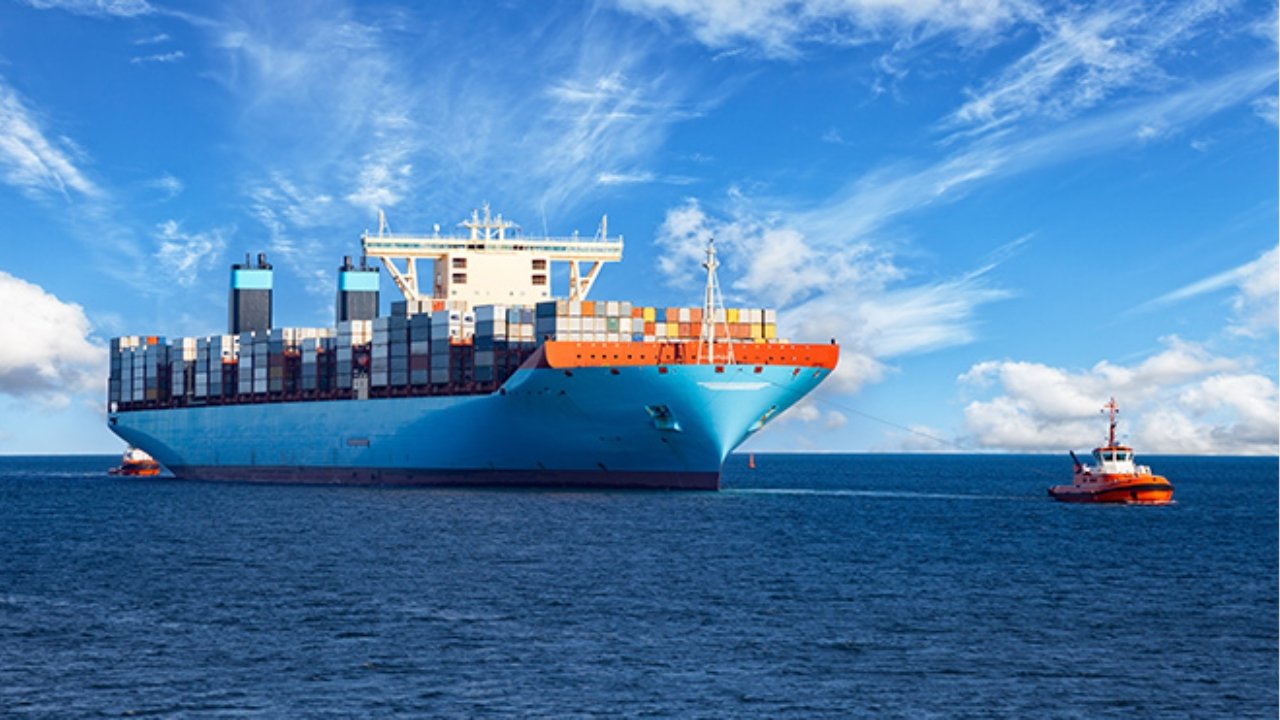
With Full Container Load (FCL), you have exclusive use of an entire container. Once the container is loaded and sealed, it remains unopened until arrival at the consignee’s facility. The container travels to the consignee’s warehouse in its original, sealed condition. Since it remains unopened throughout the journey, your shipment stays highly secure.
Common container types include 20-foot standard containers (approximately 28 cubic metres), 40-foot standard containers (approximately 58 cubic metres) and 40-foot high-cube containers (approximately 68 cubic metres). When your shipment volume is large enough to fill—or nearly fill—a container, full container load transport offers the lowest unit cost.
LCL Shipping
When your cargo does not fill a full container, it is grouped with other cargo. LCL charges are typically based on revenue tonnage (RT), calculated using whichever is greater: one cubic meter or one metric ton. So you do not wait for enough volume. But LCL brings extra destination costs—unpacking, distribution, warehousing—more and more varied than FCL. Since multiple shipments share the same container, the risk of handling damage or cargo contamination is higher than with FCL. Before booking an LCL shipment, have the consignee verify all local charges with the agent at the destination port. This prevents unexpected costs upon arrival.
Shipping Time From Major Chinese Ports to the USA
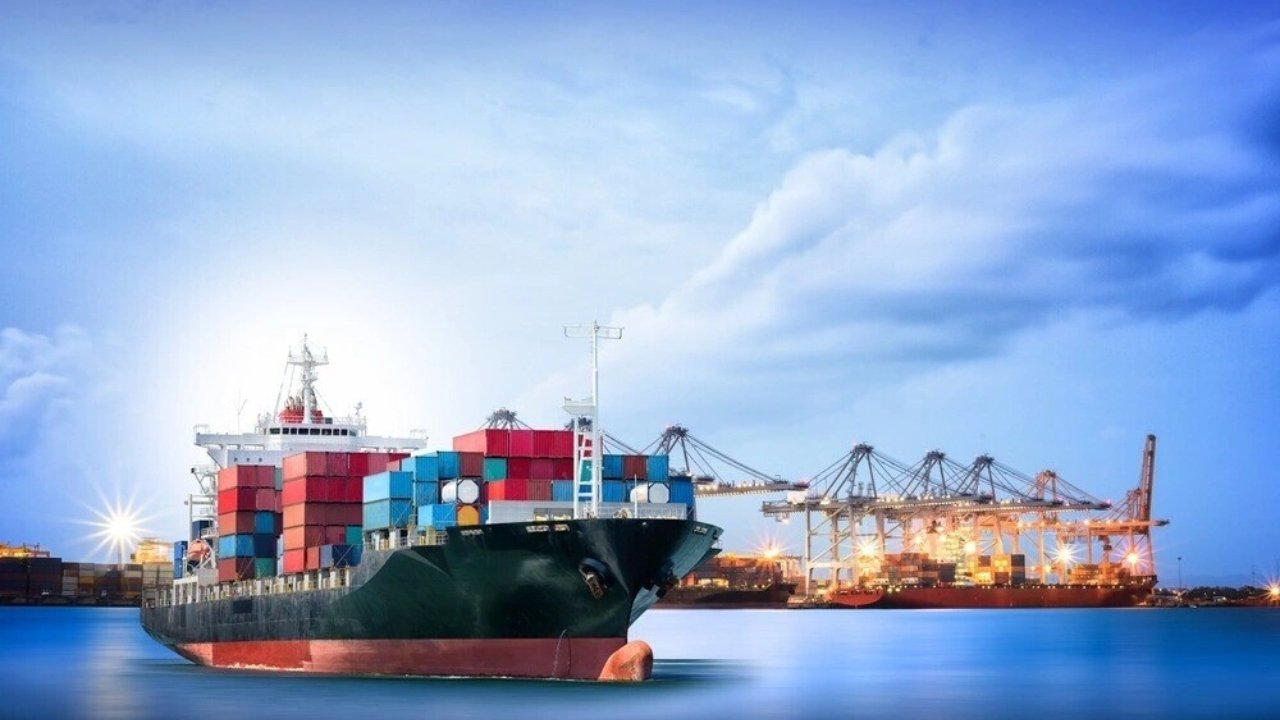
| Route | Express Courier | Air Freight (Door-to-Door) | Sea-Air Freight | Ocean Freight(Port-to-Port) |
| Shanghai → Los Angeles | 2–5 Days | 3–7 Days | 10–15 Days | 13–18 Days |
| Shanghai → New York | 2–5 Days | 3–8 Days | 10–15 Days | 28–35 Days |
| Shenzhen → Los Angeles | 2–5 Days | 3–7 Days | 10–15 Days | 14–20 Days |
| Ningbo → Los Angeles | 2–5 Days | 3–7 Days | 10–15 Days | 15–20 Days |
| Qingdao → New York | 3–6 Days | 4–9 Days | 10–15 Days | 30–40 Days |
| Tianjin → Los Angeles | 3–6 Days | 4–9 Days | 10–15 Days | 16–22 Days |
Factors That Affect Shipping Time from China to the USA

Customs Clearance Delays
Inspections by US Customs can add several days to several weeks to the delivery time. Common reasons for this include incomplete documentation, discrepancies in the declared value, or products falling under the jurisdiction of regulatory bodies such as the FDA or FCC. Ensuring that all documentation is accurate and complete before dispatch is the most effective preventive measure.
Port Congestion
Congestion at ports of destination mainly occurs at ports on the US West Coast, such as Los Angeles and Long Beach. If there are no berths available upon arrival, vessels are forced to wait at anchor. Labour shortages or equipment shortages can also slow down unloading. Congestion is more likely to occur during peak seasons and during labour negotiations.
Peak Shipping Seasons
There are several fixed periods each year that affect transit times. China’s National Day holiday (Golden Week in early October), factories suspend production and there are shortages of transport capacity. In the US, the Christmas stock-up season from August to October is the busiest time of the year, with limited shipping space and a high risk of delays in both port and inland transport.
Weather Disruptions
The typhoon season along China’s coast (May to November) can cause delays to sailings from ports of departure. Hurricanes in the US Gulf of Mexico during the summer and snowstorms in the US Northeast during the winter may also lead to port closures or disruptions to inland transport. As these circumstances are beyond our control, you need to allow for a buffer period.
Geopolitical and Trade Issues
Changes in trade policy, tariff adjustments or geopolitical conflicts may lead to changes in transport routes or customs clearance requirements at short notice, resulting in goods being held up. You should keep a close eye on trade developments between China and the US and maintain communication with your logistics provider in the event of unforeseen circumstances, so that arrangements can be adjusted promptly.
FAQs

What Is The Average Door-To-Door Shipping Time From China To The USA?
The average door-to-door shipping time from China to the USA depends on the shipping method. Express courier services typically take 2–7 days, air freight takes 3–10 days, sea-air freight takes 10–18 days, and ocean freight generally takes 18–30 days for the West Coast and 35–50 days for the East Coast. The real transportation time may be affected by customs checks, terminal congestion, adverse weather and busy shipping periods.
How Far In Advance Should I Place An Order Before Peak Sales Seasons?
Depending on the transport method, you ought to schedule your orders three to four months ahead of the peak sales period. Using the US Christmas season as an illustration, it is advisable to dispatch goods between late August and early September to avoid port congestion and elevated freight rates beginning in October. You may figure out the latest order confirmation date by deducting the 18–44-day ocean transit period and the 3–7 days required for US customs formalities and inland distribution from your selling schedule, then reserving a two-week contingency window.
What Is The Best Shipping Option For Amazon FBA Shipments From China To The USA?
You can choose based on your shipment volume and delivery time. For small-batch restocking, use express delivery: door-to-door to the FBA centre takes 2 to 7 days and is the easiest option. For large, planned shipments, use FCL sea freight to the US. Upon arrival, the cargo is customs -cleared, palletized if required, and delivered to the designated
Amazon fulfillment center. This represents the lowest expense.
How Can I Reduce Shipping Delays When Importing From China?
Precise and thorough documentation is important. You must steer clear of the Spring Festival and the shipping surge from August to October, and secure shipping slots two weeks beforehand. Opt for less congested destination ports and utilize sea-air transport to bypass logistical bottlenecks.
Can Consolidated Shipments Increase Transit Time?
Yes. LCL goods must wait for other suppliers’ cargo to be grouped before container loading at the original port. Then at the destination, they need to be unpacked and split up. This adds 2 to 5 extra days compared to FCL. Additional consolidation and deconsolidation processes usually add 2-5 days compared with FCL shipments. Otherwise, you will have extra waiting time.
Is Shipping Time Different For East Coast And West Coast Deliveries?
Yes, there is a significant difference. The transit time from China to ports on the US West Coast is 15 to 22 days. For East Coast ports, the transit duration is 10 to 15 days longer. Transit times to the East Coast are extended because ships usually pass through either the Panama Canal or the Suez Canal. These routes considerably lengthen the sailing distance in contrast to direct West Coast services. You must factor this time difference into the overall delivery lead time.
What Is The Most Reliable Shipping Method For Time-Sensitive Cargo?
For time-sensitive goods, express delivery and air freight are the most reliable options. Express delivery uses the same carrier for the whole trip. Door-to-door delivery requires 2 to 7 days. Air freight operates airport to airport, taking 5 to 10 days, with handling at both ends. Both shipping alternatives offer regular departures. It stays unaffected by terminal congestion disruptions and provides the greatest scheduling dependability.
Final Thoughts

Understanding the shipping time from China to the USA helps you plan inventory, reduce delays, and control logistics costs. If you need a customized transit time or the most efficient shipping solution for your cargo, contact us for expert advice and a competitive quote.