Import duty is one of the highest hidden costs in international trade. A misunderstanding of duty rates, customs rules, or shipping terms can significantly increase your landed cost. This guide explains how import duty works, how it is calculated, and how importers can avoid costly surprises.
What Is Import Duty?
Import duty is a tax imposed by customs authorities on goods entering a country. It is commonly used to generate government revenue, regulate trade, and protect domestic industries from foreign competition.
These duties are put in place to protect domestic industries from outside competition. They also bring in money for the government.
How Is Import Duty Calculated?
The formula for calculating import duty is: Import duty = Dutiable value × Duty rate
But the real hard part is not the multiplication. The hard part is how to find the two numbers in the formula correctly. So the whole calculation process is really done in two steps.
Step 1: Establishing the Customs Value
The dutiable value is the basis on which customs calculates customs duties.
Formula: Customs duty = Dutiable value × Duty rate
So if the dutiable value is set too high, you pay more duty. But if it is declared too low, customs will not accept it. You will also get a fine.
What Is Included in the Customs Value?
Customs assesses the value based on the actual transaction price you paid, but does not rely solely on the invoice amount. Freight, insurance, packaging costs, commissions, and any mould materials you gave the seller for free or at a cheaper price. These are usually added to the total. But this is only if they are not already part of the price of the goods.
The exact costs included in the customs value depend on the customs valuation rules of the importing country. The costs included in the customs value vary by country, with some customs authorities requiring freight, insurance, and other charges to be included in the customs value.
Risks Of Understating Customs Value
Customs authorities use risk assessment systems, valuation databases, and post-clearance audits to identify potentially undervalued shipments. They will find the real value of the goods. Then they will make you pay duty on that amount. You will also have to pay a fine.If this happens, your goods are kept back. You get delays in release. You do not save any money. You might also be put on a watch list. After you are marked, all your later shipments get checked very closely.
Step 2: Identifying the Correct Duty Rate
Once the customs value has been determined, the next step is to identify the applicable duty rate for your goods. This step is more complex than the first, as the duty rate is not a fixed figure but is determined by three factors: the nature of your goods, their country of origin and their destination.
HS Codes And Import Duty Rates
HS codes are commodity classification codes used around the world. The first six digits are the same in all countries. But each country can add more digits if it needs to. Your job is to find the most correct code for each item of goods. Incorrect classification may result in reassessments, penalties, audits, or increased scrutiny of future shipments. If you are uncertain, consider applying for a binding tariff ruling through the relevant customs authority, often with assistance from a licensed customs broker.
Accurate Product Descriptions For Customs Clearance
After you select the right tariff classification, the item description needs to align with it. Steer clear of vague terms such as “components” or “presents.” State the substance it is made from, the purpose it serves, and the way it functions. Authorities depend on such details to confirm that the classification code you picked is accurate.
Unclear descriptions are the main cause of inspections and arguments about classification. These things always cause delays and extra costs. So do not wait for Customs to ask you questions. It is better to give a full and correct description of the goods from the start.
Country Of Origin And Import Duty Rates
The country of origin is not the port from which you dispatch the goods, but the place of production where the goods undergo a substantial transformation. The combination of the country of origin and the country of destination directly determines which tariff rate applies to you.
It is very important to know this. If the goods come from a country with extra tariffs, the punishment tariff rate will still be used. This is true even if your company is registered in a different country. But it only applies if the place of origin meets the rules. It is far better to clarify exactly which rules of origin apply to your supply chain than to face back taxes later.
Check Preferential Tariff Rates Before Importing
Finding the standard rate is not the end. You must also check if any lower, special rates can be used. The destination country and the country of origin may have a free trade agreement. And you may have a valid certificate of origin. In this case, the rate may go down a lot. It may even go down to zero.
A lot of people wind up overpaying duty just by skipping this stage. So, get into the routine of verifying whether any free trade agreements can be used ahead of each filing.
Duty vs.Tariff: What’s the Difference?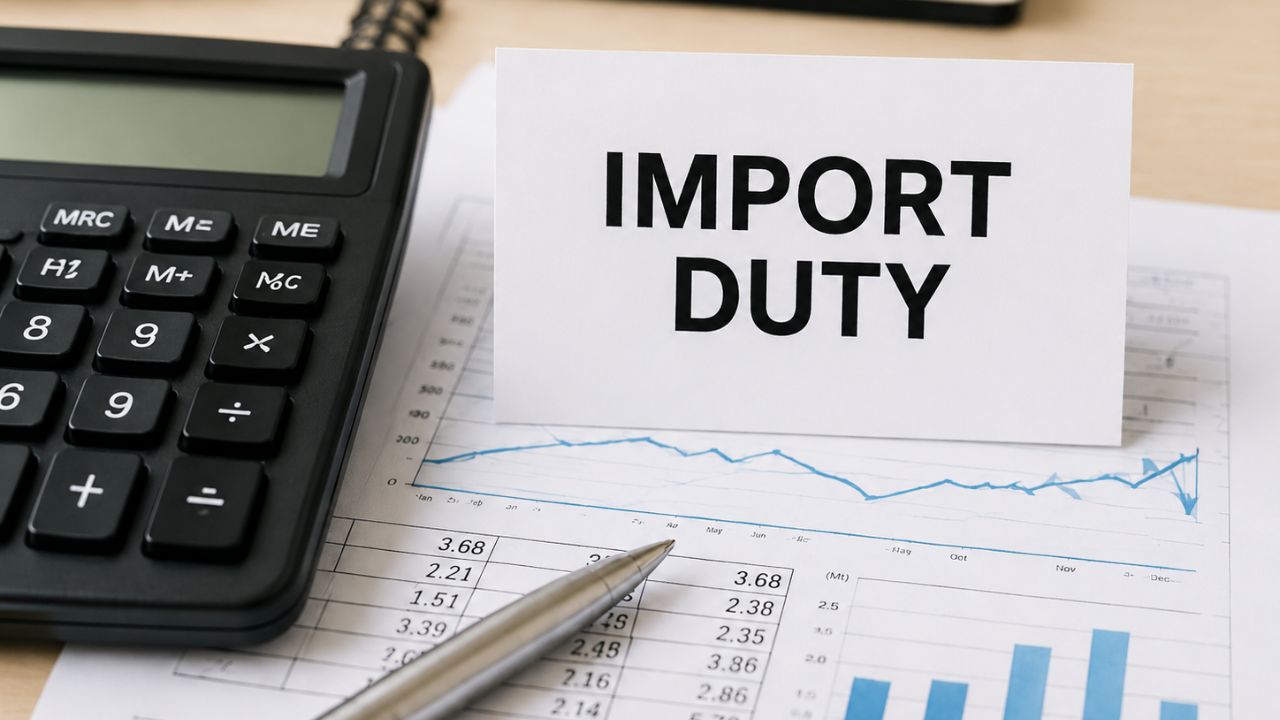
Duty is the actual tax paid when goods cross a border, while a tariff is a government-imposed trade measure that determines how much duty applies to certain imported products.
Tariffs are a specific form of import duty imposed on certain types of imported goods. They are primarily used to regulate international trade flows, often with the goal of protecting domestic industries from international competition.
| Aspect | Duty | Tariff |
| Definition | A Tax Charged On Imported Or Exported Goods | A Government Policy That Imposes Taxes On Specific Imported Goods |
| Scope | A General Term For Customs Taxes | A Specific Type Of Import Duty |
| Purpose | Generate Revenue And Regulate Trade | Protect Domestic Industries Or Influence Trade |
| Applied To | Imports And Sometimes Exports | Mainly Imports |
| Common Usage | Used In Customs Clearance And Import Costs | Often Used In Trade Policies And News Reports |
| Example | Import Duty On LED Displays | Tariffs On Chinese Products Imported Into The U.S. |
FAQs
Who Pays Import Duty Under DDP, DDU, FOB, And CIF Shipping Terms?
Under FOB and CIF, you as the buyer cover the duties. DAP (formerly DDU) also places import taxes on the buyer. With these three terms, the buyer typically handles such charges. DDP shifts responsibility to the seller for arranging and paying, though the buyer may still be recorded as importer in some nations. DDP gives predictable expenses and less paperwork, but it may not be the cheapest. Importers should weigh total costs across Incoterms before choosing, or budget for duties beforehand.
How Can I Estimate Import Duty Before Shipping From China?
Confirm the correct HS code for the product and check the applicable duty rate for that code in the destination country. Multiply the customs value used by the importing country (FOB, CIF, or another valuation basis) by the applicable duty rate. We recommend that you apply for a binding ruling from the customs authority of the importing country or the customs authorities in the destination country to obtain the most reliable figures.
How Can I Check Import Duty Rates For My Products?
Visit the official website of your country’s customs authority or international trade commission, enter the product’s HS code, and you will be able to find the standard duty rate. At the same time, be sure to check whether there are any preferential duty rates available under any free trade agreements applicable to your country.
Can I Reduce Import Duty Legally When Importing From China?
Yes. The most effective approach is to utilise free trade agreements to apply for preferential tariff rates for goods that meet the rules of origin. Also, right sorting and proper use of bonded storage can help. The first-sale rule can help too, if it can be used. Customs valuation programs like the First Sale Rule in the United States are all legal ways to plan. You should use them. But get help from a skilled adviser.
Can Customs Hold A Shipment Because Of Import Duty Issues?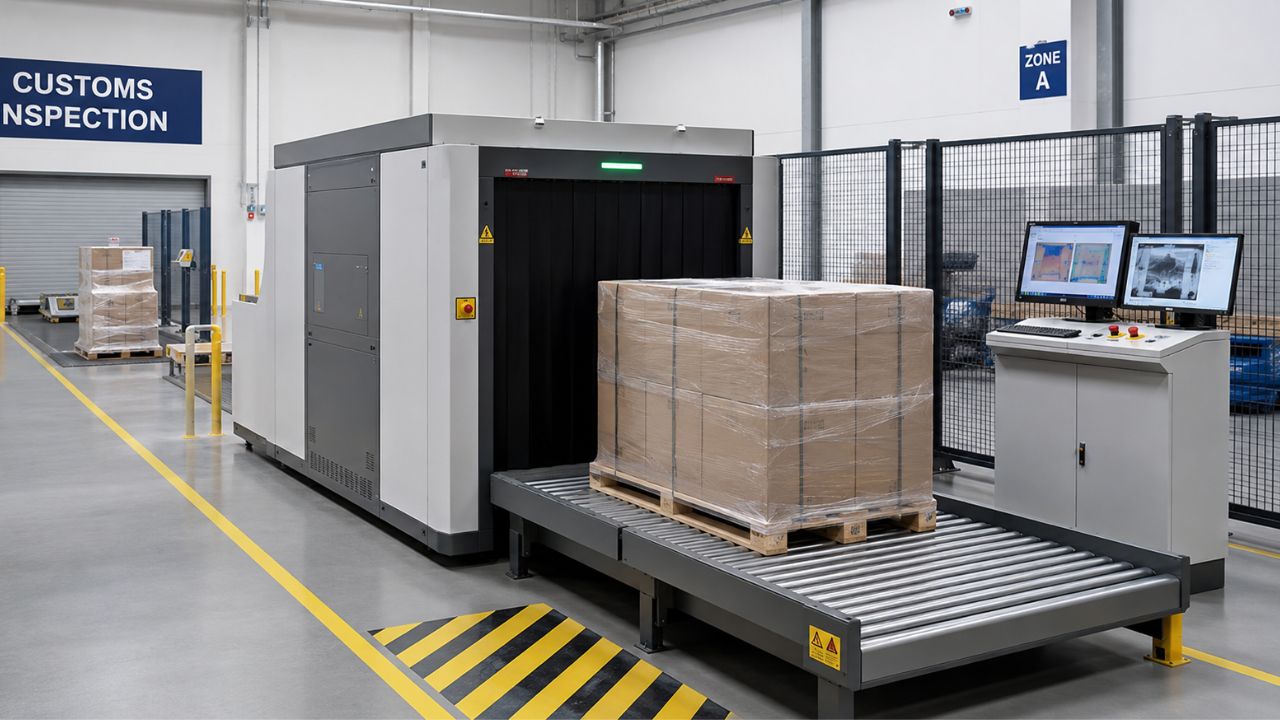
Yes. If you do not pay the right amount of duty on time, give a wrong HS code, or if there are questions about the country of origin, Customs will take your goods right away. The goods will only be released once customs clearance and payment of duty have been completed or the declaration has been amended; in the meantime, substantial storage charges will accrue.
How Do Import Duties Affect Product Pricing And Profit Margins?
Import duties are part of your buying costs. If you do not count them ahead of time, they can greatly eat into your profits. When you set prices, you must add import duties to your total costs. If you do not, your selling price will not be good compared to others. This will cause your sales to drop.
Final Thoughts
If you are importing goods from China, understanding import duty is essential for controlling costs and avoiding customs issues. DFH Logistics provides DDP shipping, customs clearance, and duty prepayment solutions to help you simplify the import process. Contact us today for a tailored shipping quote and landed cost estimate.