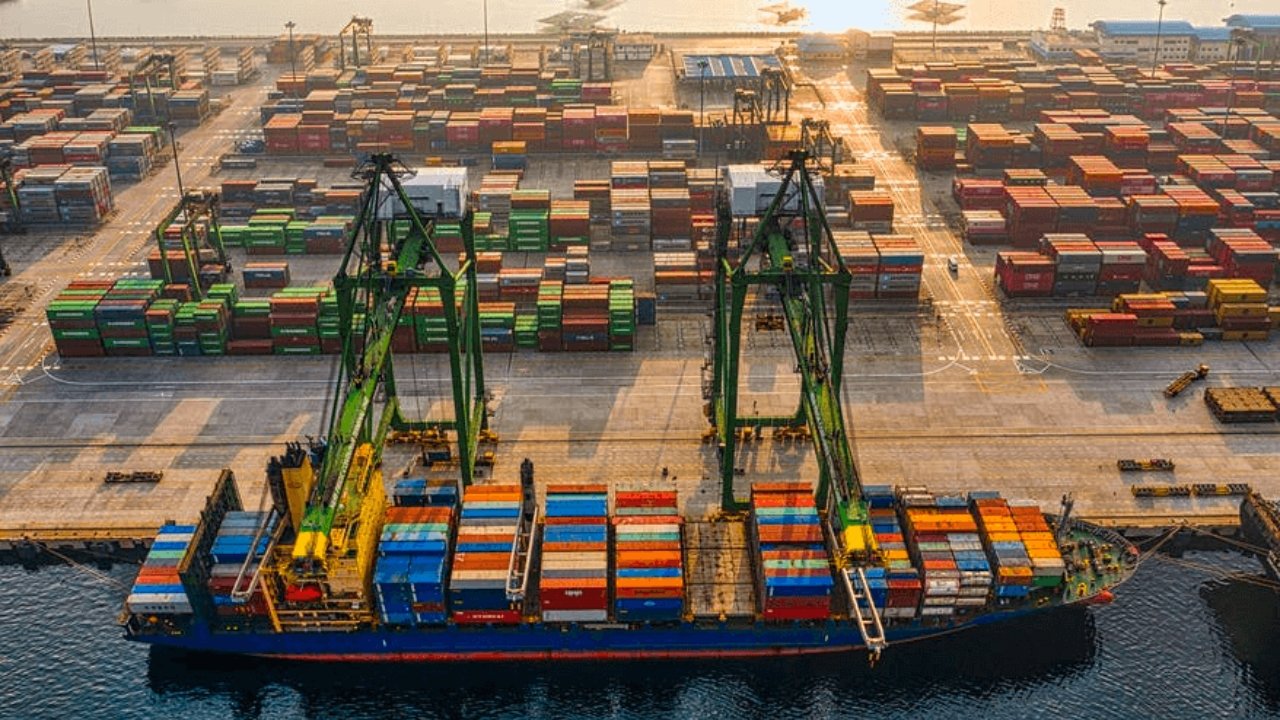
Understanding the concepts of gross weight, net weight, and tare weight is actually important for calculating freight and preparing transportation documents; otherwise, it is easy to deviate in cost. The following article summarises the differences between these three, hoping to help you avoid some detours in practical projects.
What Is Tare Weight?
Tare weight is actually ‘how much it weighs when empty’. It can be an empty box, bag, pallet, or the weight of the empty vehicle itself. In transportation scenarios, tare weight generally refers to the weight of packaging such as containers.
If it is unpackaged bulk cargo, the tare weight is the weight of the truck before it is loaded.
For example, if the product weighs 1376kg, the pallet weighs 40kg, and the packaging weighs 25kg, then the tare weight is 65kg.
What Is Net Weight?
Net weight is a better understanding; it is purely the weight of the product itself and does not include packaging.
This number is particularly important because selling, pricing, and customs clearance are all based on it.
For example, if there are 500 boxes of beverages, each box of beverages weighs 12kg, then the net weight is 6000kg, which is 500 × 12.
Boxes, pallets, and films are not included in the calculation.
What Is Gross Weight?
Gross weight is the weight of the goods plus all packaging.
The gross weight is usually written on the waybill.
Still the same batch of goods above, with a net weight of 6000 kg, and 300 kg of cardboard boxes, 200kg of pallets, and 20kg of auxiliary materials. So, the gross weight is 6000+300+200+20=6520kg.
In addition, there are regulations on the maximum gross weight that trucks can hold, and if it is overweight, trucks are not allowed to be driven on the road.
Tare Weight vs Net Weight vs Gross Weight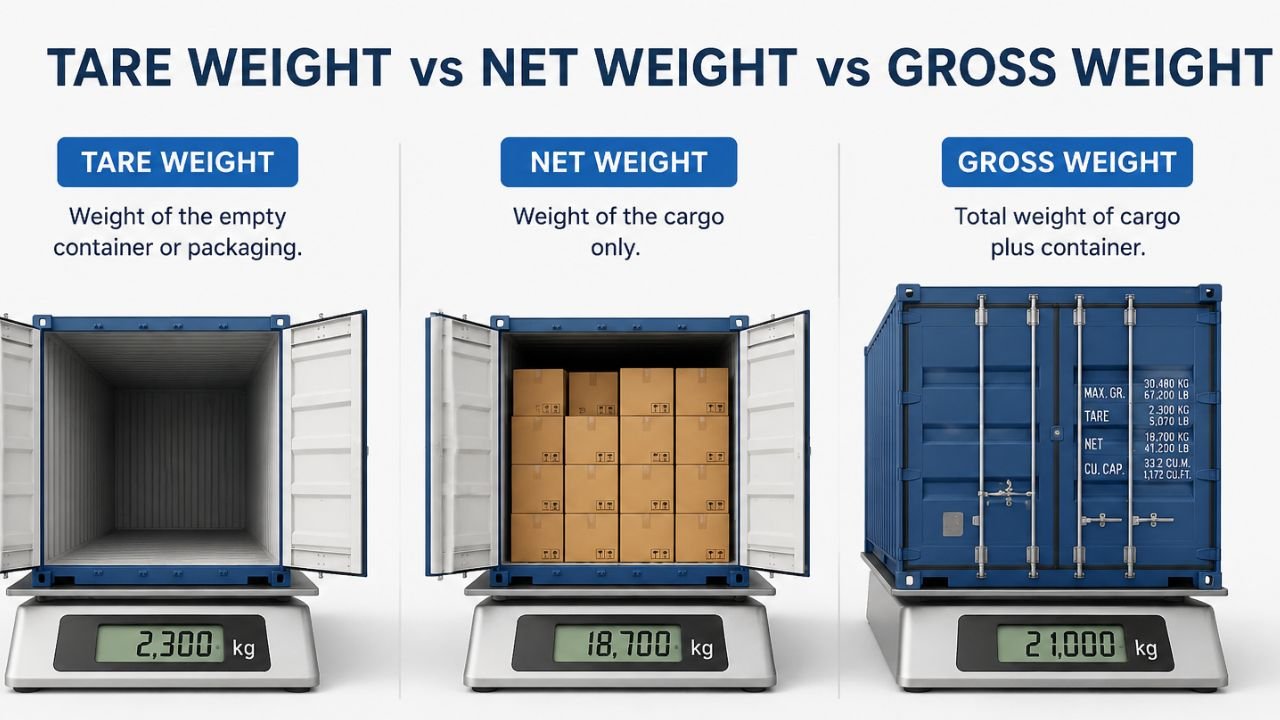
| Item | Tare Weight | Net Weight | Gross Weight |
| Includes Product Weight | × | √ | √ |
| Includes Packaging | √ | × | √ |
| Used For Freight Calculation | Sometimes | Rarely | Often |
| Used For Customs Documents | Rarely | √ | √ |
How To Calculate Shipping Weight
- Gross weight = Net weight + Tare weight
- Net weight=Gross weight – Tare weight
- Tare weight=Gross weight – Net weight
Practical Case:
If you are an importer who needs to buy a batch of furniture from China for export.
The information is as follows:
100 dining chairs
Each dining chair weighs 8kg
Net Weight of the product is 100 × 8 kg = 800 kg
Packaging information:
20 cardboard boxes, and the total weight is 60kg
4 wooden pallets, total weight: 80kg
Wrap film and packaging accessories, total weight: 10kg
Total weight of packaging (Tare Weight):
60kg + 80kg + 10kg = 150kg
According to the formula:
Gross Weight = Net Weight + Tare Weight
Gross Weight = 800kg + 150kg = 950kg
If the gross weight and tare weight are known, the net weight can also be known:
Net Weight = Gross Weight – Tare Weight
Net Weight = 950kg – 150kg = 800kg
Also, if the gross and net weights are known, the tare weight is obvious:
Tare Weight = Gross Weight – Net Weight
Tare Weight = 950kg – 800kg = 150kg
In this way, importers and exporters can fill in relevant documents and obtain a more exact logistics price quote.
The Weight Of Goods In Different Transportation Channels
Well, these weights are not just written terms, they directly affect shipping costs and compliance. Let’s take a look at them.
Shipping By Sea
Shipping companies value gross weight the most, as it affects whether the ship can operate stably and whether it will be overloaded.
And now there is a rule called VGM (Verification of Total Weight), where shippers must report the whole weight of every container accurately. Otherwise, the ship cannot load it because it may cause accidents.
Air Freight
The airline calculates the freight based on the gross weight and volumetric weight, and charges whichever is larger.
In addition, the weight on the aircraft needs to be balanced. If the cargo is not accurately weighed, it is not safe for takeoff and landing.
Truck And Railway Transportation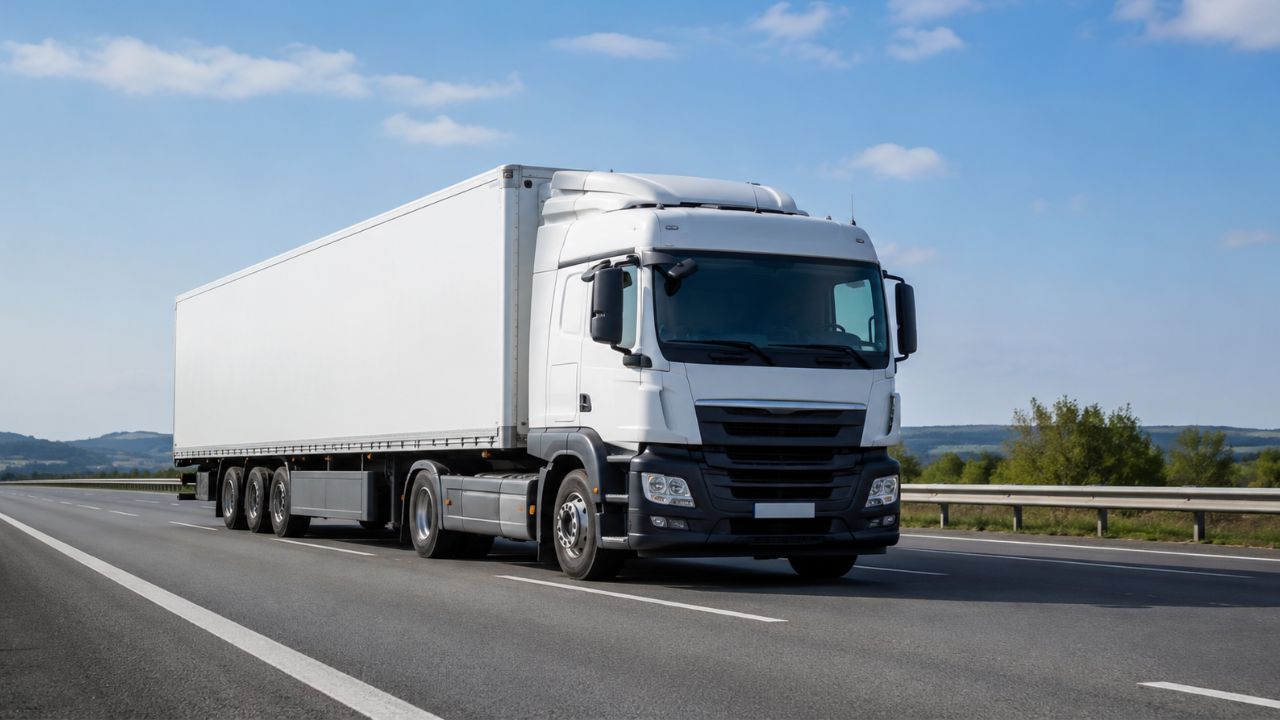
Both highways and railway tracks have legal weight limits, and exceeding them will result in fines and road damage.
When transporting bulk cargo such as grain, oil, and liquids, the driver will first weigh the truck itself, then weigh it again after loading, and subtract the tare weight to know the weight of the shipment.
Retail And E-commerce
When you place an order online, the shipping cost is often computed based on the gross weight after packaging.
However, when it comes to product labels, consumers are more concerned about net weight, such as in food and cosmetics, where the net content must be clearly stated in order to comply.
Application Of Net Weight, Gross Weight, And Tare Weight In Documents
Well, when it comes to filling out documents, the weight requirements for different documents and stages are really different. Let’s talk about them.
Commercial Invoice
This is usually filled with net weight. Well, some of customers also require gross weight.
The important points are the quantity, unit, and weight of the product, and these numbers should match.
Packing List
Both net weight and gross weight need to be written. In addition to the product, the weight of packaging must also be clearly listed. When filling in, please note that all weights must be added together.
Bill of Lading
The bill of lading usually states the weight of the goods after packaging. However, it should be noted that the algorithms of different shipping companies or airlines may vary slightly.
So it is better for you to ask the other party in advance which weight they want.
Customs Declaration
When declaring customs, the declared weight must be matched with the invoice, packing list and other documents.
If it doesn’t match, the customs clearance may slow down, and in severe cases, it may be taken to a key inspection point, which is very troublesome.
VGM For Sea Freight Full Container Load
There are regulations that require declaring the whole weight of the cabinet.
Not only the goods themselves, but also the packaging materials, fixing materials, and the tare weight of the container itself must be included.
Weigh Scale Tickets For Land Transportation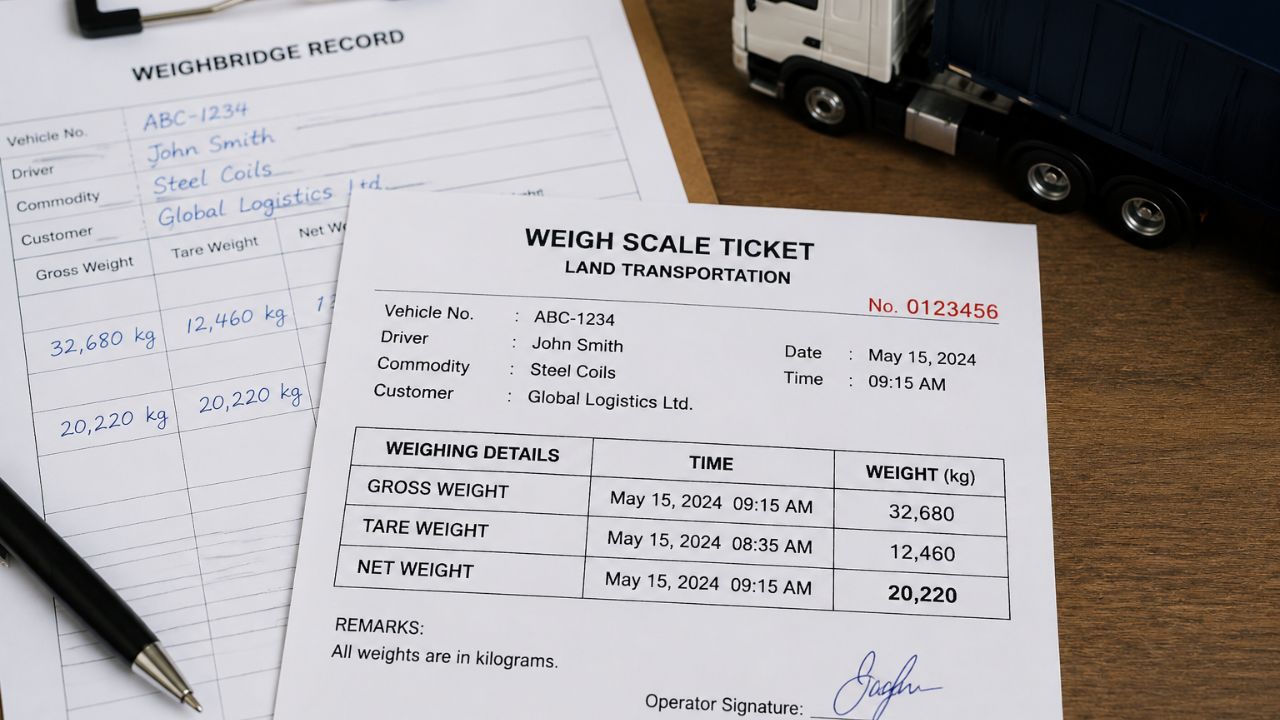
Land transportation usually involves weighing on a weighbridge, and the vehicle and the empty vehicle weight will be recorded on the ticket.
The difference between these two numbers is the actual weight of the goods.
The Billing Method For Air Freight
Air freight is a bit special. The bill of lading states the actual gross weight, but the airline ultimately charges based on the “chargeable weight” – that is, the larger of the gross weight and volumetric weight is calculated accordingly.
Common Mistakes And Suggestions
Inspection Of Shipping Documents
First, check all the net weights to see if they match the declared total net weight or not. If the gross weight is the same, add it up and compare it with the final gross weight.
The gross weight must be larger than or equal to the net weight.
Then, you need to take care of the difference between the net weight and the gross weight to check if it matches the actual weight of the pallets and packaging materials.
Next, put the invoice, packing list, bill of lading, and customs data together, and compare the number of pieces, individual weight, and total weight without any contradiction.
The tare weight of the container should correspond to the actual container number.
VGM must include the weight of goods, packaging, pallets, padding, fixing materials, and box tare, all of which must be included, and tare weight cannot be counted repeatedly.
Compare the VGM with the maximum gross weight of the container, and ensure the goods weight does not exceed the maximum load capacity.
Don’t confuse the units of weight; be sure to read kilograms, pounds, and tons clearly.If necessary, remember to convert units.
It also depends on weight restrictions such as roads, trucks, and docks.
Do Not Ignore The Weight Of Pallets And Packaging Materials
Many exporters only focus on the products themselves and forget about wooden boxes and cushioning materials.
When taking heavy goods, the packaging weight can account for 5% to 15% of alll weight.
For example, adding four wooden pallets to a batch of equipment with a net weight of 2000kg would add approximately 180kg.
If the gross weight is not calculated before, there may be deviations in the subsequent container loading plan or freight budget.
Pay Attention To The Weight Restrictions In The Destination Country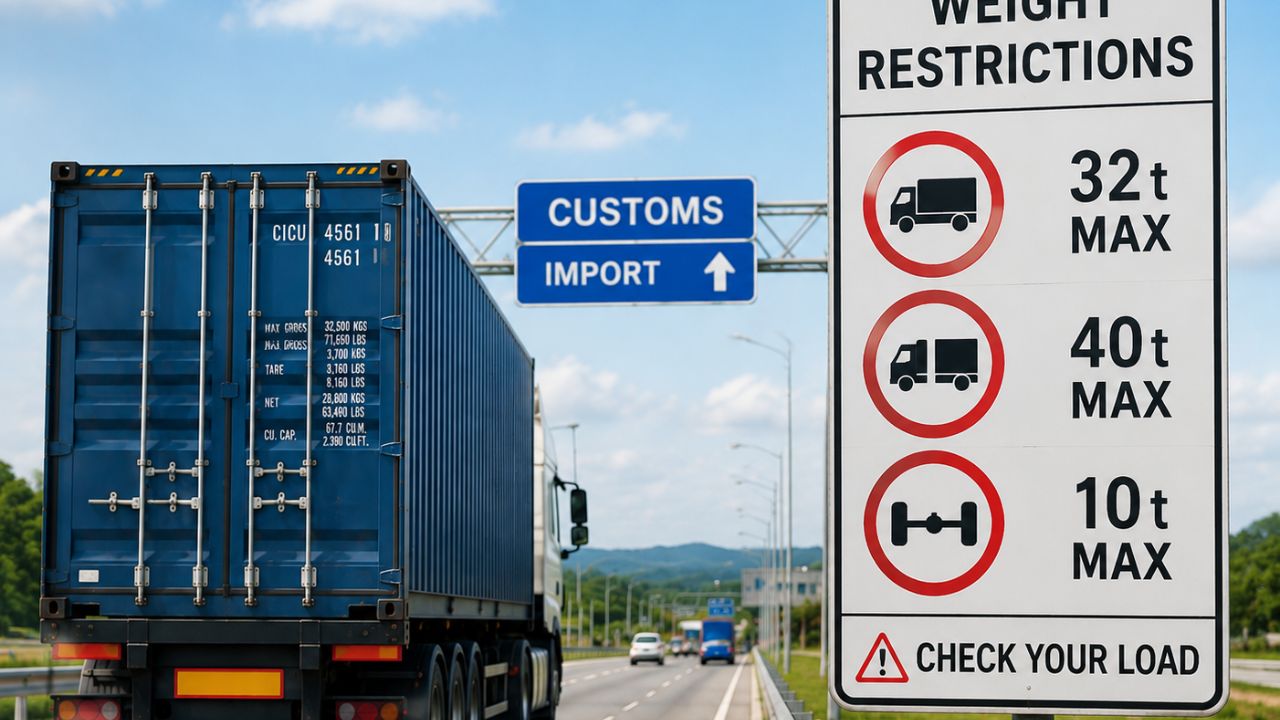
Each country has different weight restrictions.
Some places in the United States have more restrictions on the total weight of road transportation.
If a single item or a full container is too heavy, an overweight fee may be charged.
After confirming the gross weight, it’s best to check according to the local inland transportation requirements; otherwise, you may have to spend more money.
FAQ
How To Calculate VGM?
Verified Total Mass (VGM) refers to the verified total weight of the packaging unit. The SOLAS Convention requires the shipper to provide this data before loading the packaging unit onto the ship. Formula: VGM=tare weight+cargo quality (including packaging, padding, and support)
Is The Tare Weight Usually The Same?
It depends on the type of container. For example, a 20-foot dry cargo container weighs about 2200 kilograms, while a 40-foot dry cargo container weighs about 3800 kilograms.
What Is DR Weight And How Does It Differ From Net Weight?
DR Weight refers to the solid weight of contents inside the packaging, excluding any liquids. It is often used in the food or chemical industry. Net weight, on the other hand, includes all the contents of the product, whether it is solid, liquid, or gaseous.
Can A Shipment Include Multiple Gross Weights?
Yes. The packing list may display the weight of the goods plus packaging and pallets. And the bill of lading may record the total weight of the goods according to the carrier’s instructions. The values of these two may be different.
What Is The Difference Between GCM And GVM?
GVM refers to the maximum allowable total weight of a single vehicle, including the vehicle, cargo, fuel, and personnel. GCM refers to the maximum weight of the vehicle plus the trailer it is towing.
Final Thought
Correctly knowing these three types of weights can reduce mistakes during transportation and declaration processes. Confirming weight data before shipment will help you have a better shipping experience.
If you need to transport things, you can contact DFH Logistics. We have twelve years of experience. We can provide you with smoother services.