If your business involves the transportation of goods by overseas shipping, you are probably familiar with two important documents: the bill of lading and the sea waybill. However, confusing the two or choosing the wrong one could cause serious disruptions to the smooth progress of your project’s shipments. Therefore, understanding the difference between a bill of lading and a sea waybill through this guide has become a matter of urgency.
What Is a Bill of Lading?
The bill of lading is an important document representing the agreement between the carrier and the shipper, which also establishes a contractual relationship between both parties. Once the shipper receives the bill of lading issued by the carrier, this signifies that the goods have entered the transportation process. In addition, a bill of lading is proof of ownership.
What Is a Sea Waybill?
A sea waybill is a document representing both a contract of carriage and a receipt for the goods, but it does not confer ownership of the goods. It is usually used in transactions between consignees and shippers who trust each other or when goods are transported within the same corporate group. Its advantage is the more convenient delivery of goods to their destination. This means that the goods can be delivered directly to the designated consignee without the need to present any documents.
Differences Between Bill of Lading and Sea Waybill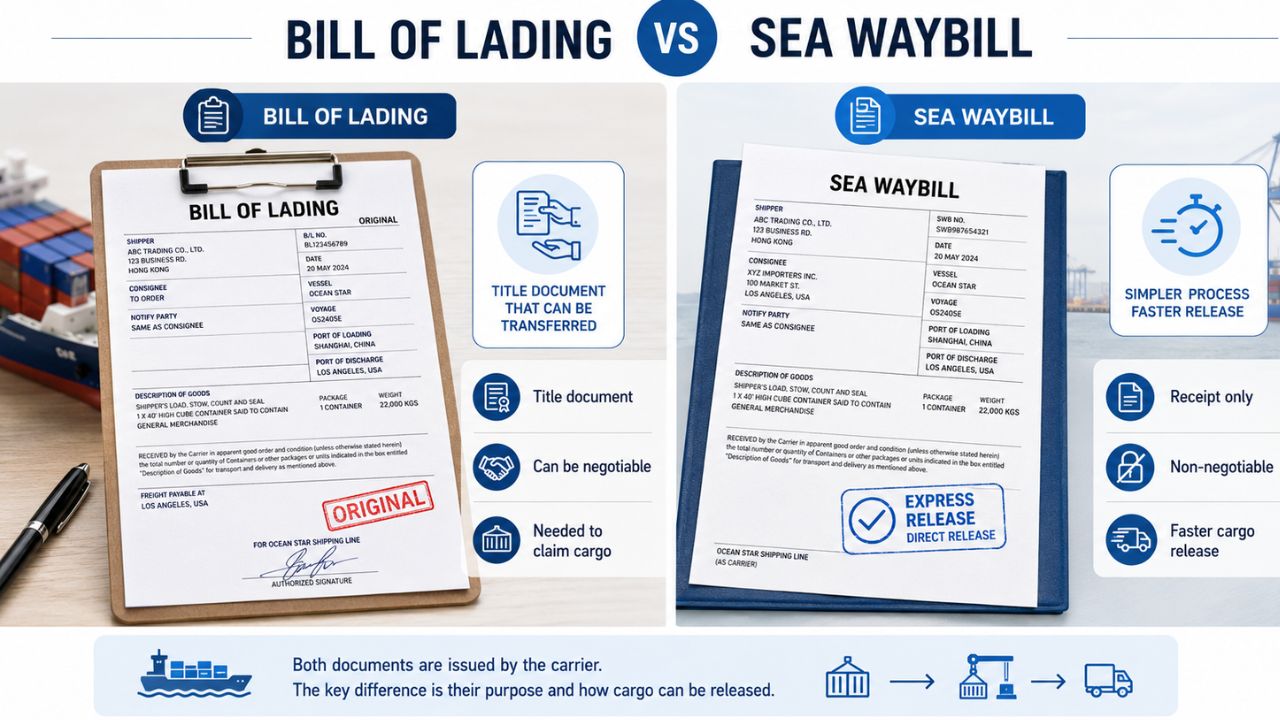
Functions
A bill of lading includes detailed information about the goods being transported, such as the type of goods, the place of shipment, and the destination, as well as information on the shipper, carrier, and consignee.
It confirms that a contract of carriage has been established between the shipper and the carrier. In addition, it acts as a receipt, indicating that the carrier has received the goods you are shipping.
The bill of lading also represents ownership of the goods, which means that if you hold the original bill of lading, you have the right to request release of the goods upon their arrival.
Different from a bill of lading, a sea waybill does not represent ownership of the goods, so you cannot use it to transfer ownership of the goods.
A sea waybill only acts as evidence of the contract of carriage and can also be used to confirm that the carrier has received the goods. When a relationship of trust exists between the shipper and the consignee, or when goods are transported within the same parent company, a sea waybill is often the preferred choice in such situations.
Document
Both bills of lading and sea waybills are types of documents, but they have differences that relate to ownership, presentation of the original, and authorization to release the goods.
Ownership
A bill of lading is a document of title that conveys ownership of the goods. This means that if you hold the bill of lading, you have proof of ownership of the goods. Therefore, if you wish to transfer ownership of the goods, you can do so by transferring the bill of lading to a third party.
A sea waybill, on the other hand, does not convey ownership. This means that only the consignee designated on the bill of lading is authorized to take possession of the goods.
Originals
A bill of lading set includes an original and non-negotiable copy. If your project requires delivering goods to different buyers during the voyage, you can split the bill of lading into separate delivery orders.
Sea waybills are usually not issued in original form; they are available only as electronic copies or printed documents. These documents are only for your reference when you pick up the goods and do not act as proof of ownership.
Release of Goods
If your project applies a bill of lading, you must show the original bill of lading when picking up your goods. It is important to remember that the bill of lading is an essential document for your cargo during the customs clearance process.
The release of goods under a sea waybill does not require the original document; as long as you are designated as the consignee on the sea waybill, a copy or electronic version is sufficient to pick up the goods.
Negotiability
A bill of lading is usually negotiable, and whether it is transferable typically depends on the type of bill of lading. For example, a straight bill of lading is non-negotiable, while an order bill of lading allows you to transfer ownership during transit.
A sea waybill is non-negotiable and cannot be endorsed. You may only take delivery of the goods if you are the named consignee on the sea waybill.
Speed & Efficiency
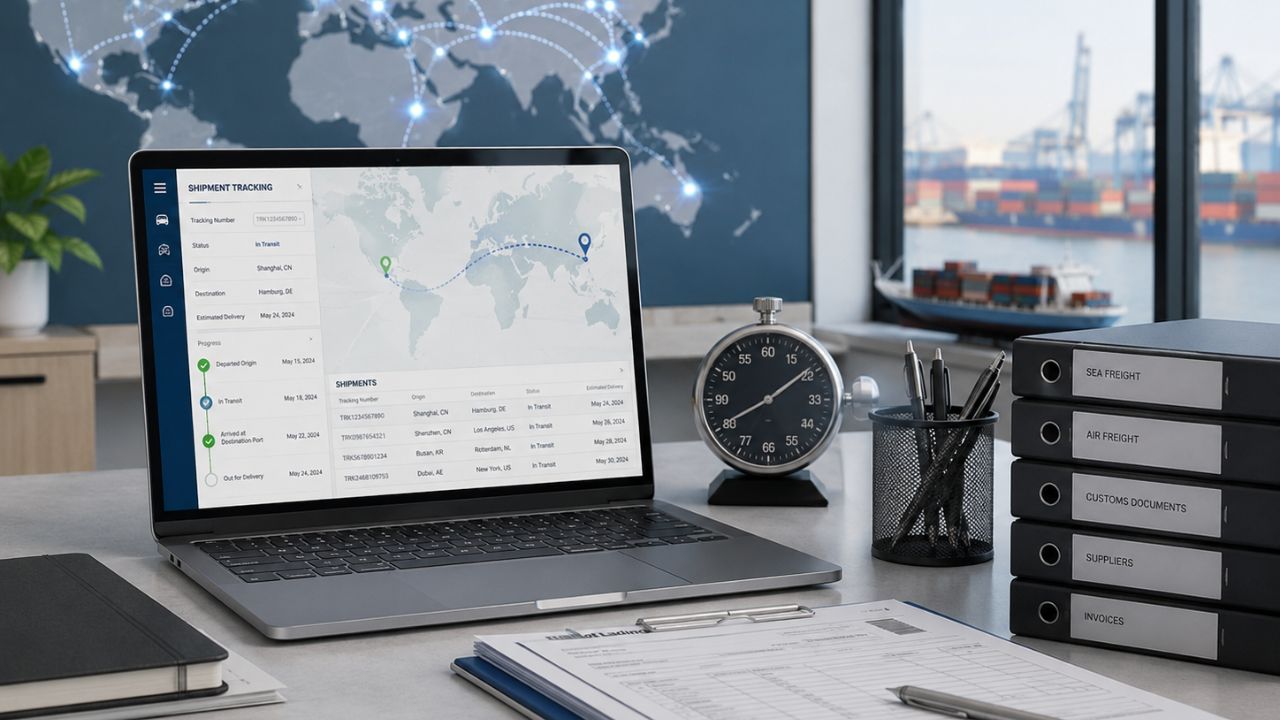
Compared to a sea waybill, a bill of lading requires more administrative steps, including verification and international mailing of the original documents.
If you need to transfer ownership, these processes often take longer time, thereby reducing the efficiency of transportation and delivery.
If you prioritize shipping efficiency, you can work with a trusted partner and opt for a sea waybill to eliminate administrative steps, which ensures a smooth shipping process and supports fast and efficient delivery.
Risk
Since some bills of lading are negotiable, operational risks of improper document handling, including but not limited to document loss and delays in mailing, may arise. In addition, if you are the shipper, you can control the ownership of the goods by holding the original bill of lading, which ensures that your goods will not be released before the consignee makes payment. This also prevents any issues from occurring during the transaction.
In contrast, electronic bills of lading do not require the presentation of a paper original, which can reduce document processing burdens and avoid many operational troubles. However, the risks in the delivery process are higher than those of a bill of lading. Therefore, you should opt for a sea waybill only when the transaction is based on a long-term partnership or mutual trust.
When Should You Use a Bill of Lading or a Sea Waybill?
Use a Bill of Lading
Since a sea waybill does not allow for negotiation, if you may transfer ownership of the goods during shipping, or if there are negotiation or resale steps involved in the shipping process, you must choose a bill of lading for these situations, as only a bill of lading provides you with the flexibility to negotiate.
In addition, you may need to check in advance whether the destination country for your shipment has any relevant regulations, such as requiring you to present original documentation. To ensure the smoother delivery of your goods, you are advised to choose a bill of lading.
If you are starting a new business or if you and your customer have not yet established mutual trust, a bill of lading can reduce many of the risks caused by a lack of trust.
What’s more, a bill of lading allows you to retain ownership of the goods until you receive them.
Use a Sea Waybill
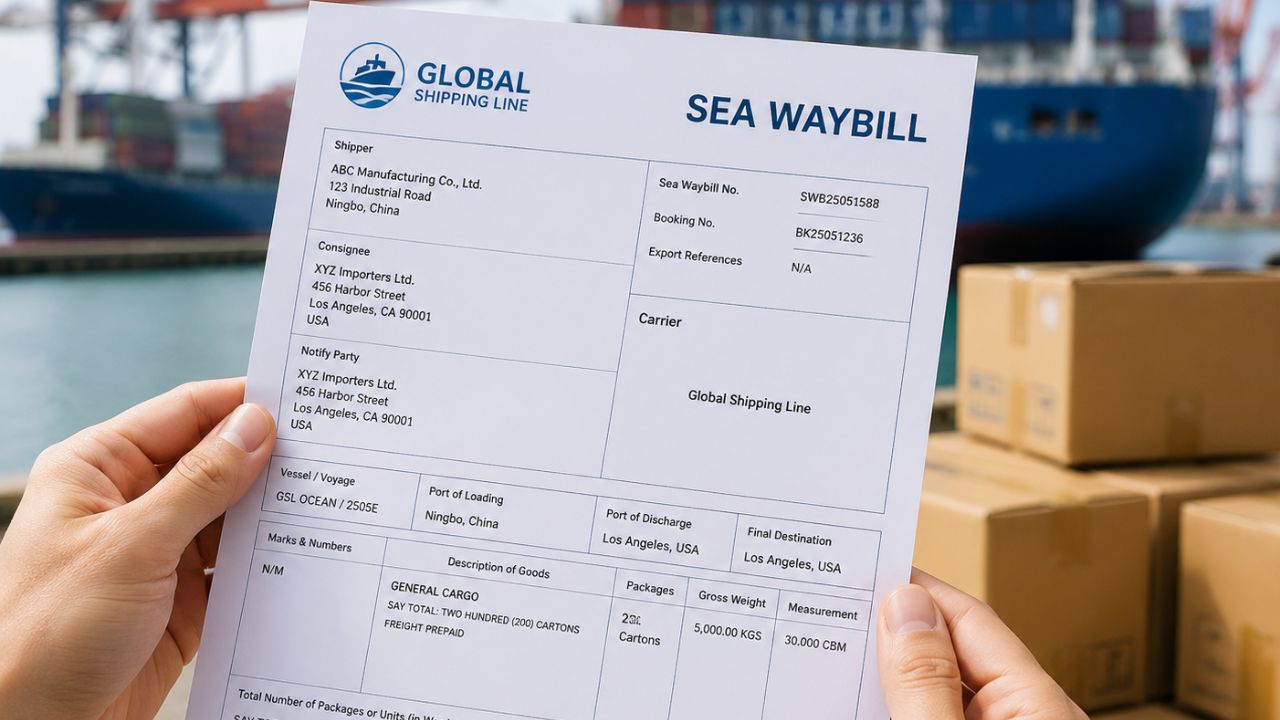
When the shipper and consignee are affiliated companies or long-term business partners, they often opt for a sea waybill to save time, cut through complicated procedures, and improve shipping efficiency.
In applications where you can ensure that the goods will not be resold during shipping and your project does not require the negotiability of a bill of lading, a sea waybill is also an available option.
When you need to speed up the release of your goods, a sea waybill has an advantage in this regard, eliminating the need to rely on paper documents and thus enabling a simple and efficient transaction process.
FAQ
What Are the Types of Bill of Lading That Are Negotiable?
- Straight Bill of Lading
The bill of lading will state the consignee’s name clearly, and the goods may only be delivered to the designated consignee. This type of bill of lading is commonly used when the buyer and seller have established a relationship of trust and the payment for the goods has been settled.
- Order Bill of Lading
A bill of lading can be transferred by endorsement, allowing ownership of the goods to be transferred during shipping. This type of bill of lading is often used in letter-of-credit transactions or in trade operations that require control of the goods.
- Bearer Bill of Lading
The holder may pick up the goods immediately without having to prove that they are the designated consignee. However, since it has a high level of risk, it is rarely used in international trade today.
Is an Air Waybill the Same as a Bill of Lading?
No. Although an air waybill and a bill of lading are both transport documents, they have different functions.
In addition to certifying that the goods have been handed over to the carrier for transport, a Bill of Lading also acts as a title document, which establishes ownership of the goods.
However, an air waybill is used to record and manage air cargo and has no ownership function. Upon arrival at the destination, the consignee can usually collect the goods without presenting the original air waybill.
Which Is Faster for Cargo Release: Bill of Lading or Sea Waybill?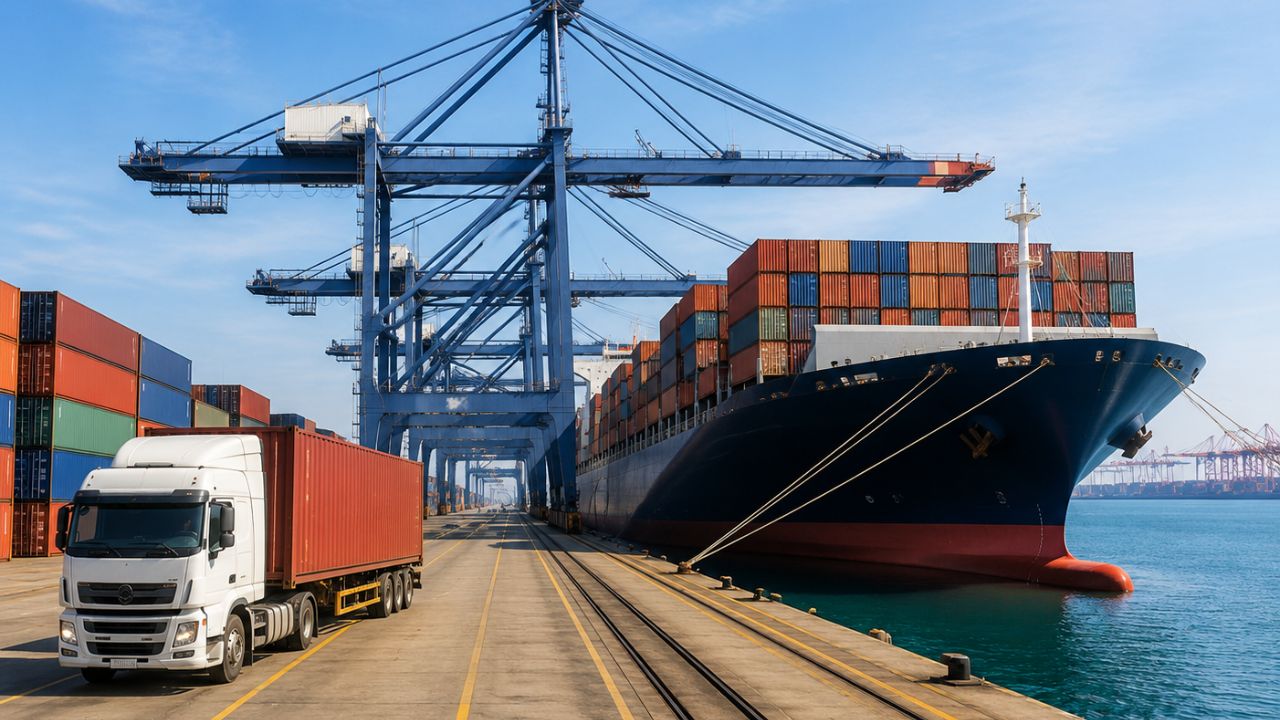
Generally speaking, sea waybills allow for faster cargo release.
When using a bill of lading, if the original bill of lading is still in the mail, it may result in the cargo arriving at the port but not being able to be picked up promptly, which can lead to port demurrage or storage fees.
A Sea Waybill, however, does not rely on original documents, so the cargo can be released immediately upon arrival at the port, making the overall process smoother.
Can I Switch from Bill of Lading to Sea Waybill After Shipment?
In some cases, this is possible, but it depends on the shipping line and the stage of the freight forwarder’s operations.
Generally, the following conditions apply: The bill of lading has not yet completed the release process, or a telex release has been issued. We advise determining which type of shipping document to use before booking space or shipping the goods to avoid extra operational costs resulting from later modifications.
Finally Thoughts
If you are planning to import or export a shipment from China but are unsure which type of bill of lading is best suited for your trade, as a shipping agency serving multiple countries, DFH Shipping can provide you with customized international logistics services, helping your project proceed faster and more smoothly. Please contact DFH Logistics immediately to request a quote!