When your company is transporting goods, have you ever encountered these troublesome problems: skyrocketing logistics costs, cumbersome customs clearance procedures, and even delays in delivery? This article will provide a detailed analysis from multiple aspects of logistics for you, hoping that after reading it, it will be beneficial to you!
What Is Logistics?
Meaning of Logistics
Logistics is not merely the transportation of goods from the origin to the final destination; rather, it can coordinate the flow of products, raw materials, information, and all supporting resources throughout the entire supply chain.
Take a commercial example: If your product is planned to be sold overseas, the logistics not only need to select the appropriate transportation method, but also prepare the necessary shipping documents, arrange the loading and unloading of the entire batch of goods, handle the complete customs clearance procedures, and ensure that the goods are intact and safely delivered to the overseas end customers.
A comprehensive logistics solution enables seamless integration of all key processes: raw material procurement, freight scheduling, warehouse inventory management, cross-border customs clearance, and end-to-end distribution. This not only ensures the stable operation of the entire supply chain but also helps your products quickly and efficiently enter overseas target markets.
Importance of Logistics
Reduce Transportation Costs
Professional logistics service providers can help you plan the most efficient transportation routes, integrate scattered goods and optimize delivery plans, thereby enhancing the overall freight efficiency and reducing additional costs caused by omissions in logistics planning or improper combination of freight transportation methods.
Improve Supply Chain Efficiency
A stable and reliable logistics system can ensure the smooth circulation of goods for your enterprise. It can effectively manage the processes of goods transportation, storage and final distribution, reduce the risk of stockouts, enhance the order delivery capability, and help you establish a better brand reputation.
Enhance Customer Satisfaction
When your products can always be delivered on time as scheduled, not only will you gain higher trust from business clients, but you will also lay a solid foundation for a sustainable long-term partnership.
Manage International Shipping Risks
During international logistics processes, various problems are often encountered, such as customs clearance delays, changes in international trade regulations, port congestion, and various unexpected incidents.
Experienced logistics companies will help you customize response plans in advance, track the status of the goods in real time, and reduce the probability of supply chain disruption.
How Does the Logistics Process Work?
Shipment Planning and Preparation
The first step in logistics planning is to identify your freight requirements. Professional and mature logistics companies can then develop appropriate freight solutions based on this information.
You need to consider the following factors: the type and quantity of goods, the destination port and final delivery address, the required delivery time frame, and the logistics budget.
Packaging and Documentation
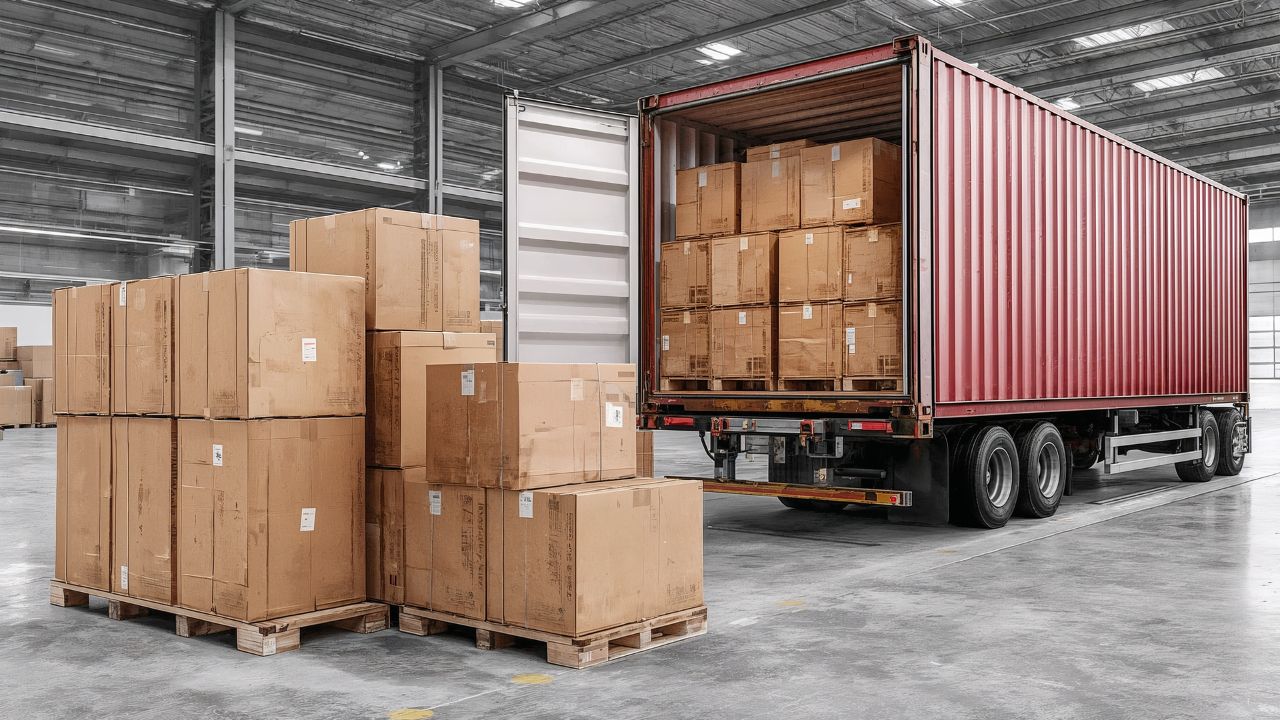
During the entire transportation process, goods usually need to undergo multiple loading, unloading and transfer operations. Therefore, proper packaging is of great significance. High-quality customized packaging can significantly reduce the probability of goods being damaged, getting damp, leaking water or being scratched and worn during transportation.
If your shipping documents are incomplete or improperly filled out, it often leads to delays in customs clearance of the goods and incurs additional logistics costs. Therefore, in addition to proper packaging of the goods, accurate and complete shipping documents are equally crucial.
The necessary documents include commercial invoices, detailed packing lists, industry-specific qualification certificates, and all the compliance documents required for international freight.
Choosing the Right Transportation Method 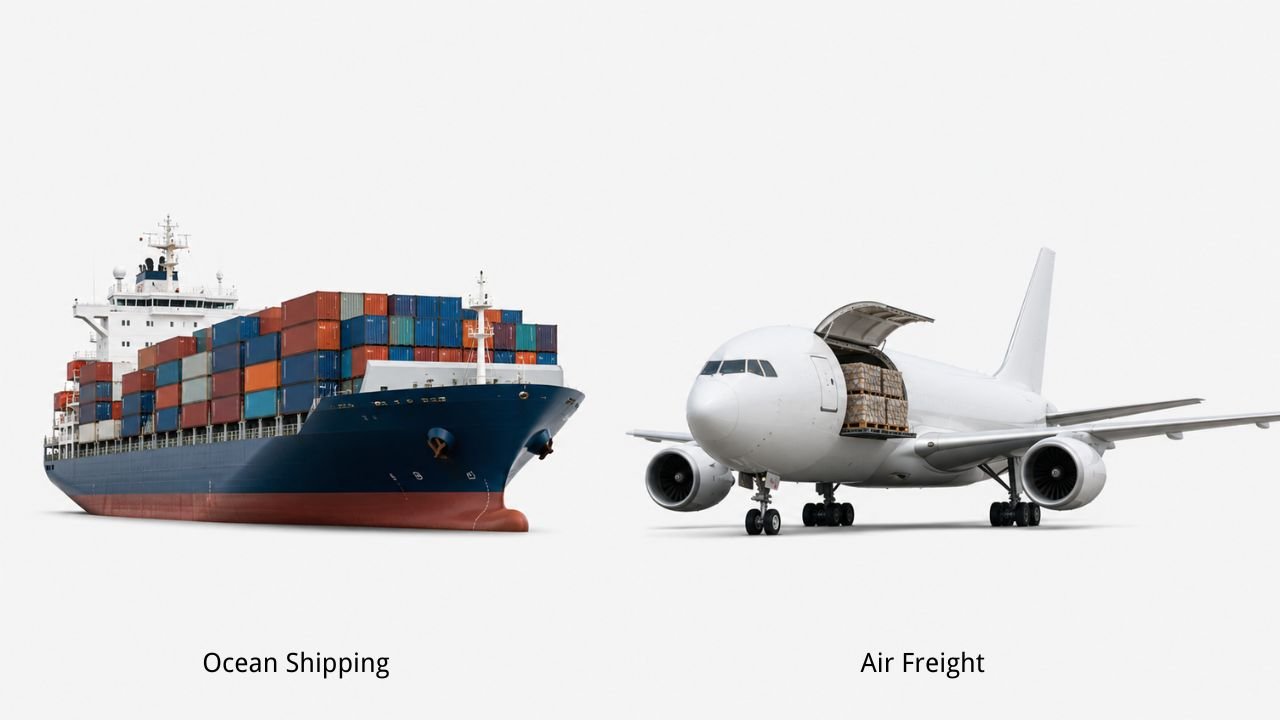
Various transportation options have distinct functional characteristics:
- Ocean Shipping: It has a large cargo capacity and outstanding cost advantages, making it the preferred method for transporting large quantities of cross-border goods. It is suitable for machinery, furniture, bulk raw materials, and bulk consumer goods.
- Air Freight: The transportation cost is relatively higher, but the transportation speed is extremely fast. Companies will choose air freight to deliver urgent orders or high-value goods, which can effectively shorten the overall delivery cycle and respond more quickly to fluctuating market demands.
- Multimodal Transport: This transportation option integrates two or more modes of freight transportation, such as road-rail transport and sea-air transport. It achieves a balance between logistics costs and transportation efficiency, maximizing the overall profit margin of cross-border freight business.
Customs Clearance and Border Procedures
Customs clearance refers to the official inspection of goods information, product specifications, taxes and related compliance requirements. It is a crucial review stage that determines whether your goods can be exported smoothly.
Reliable logistics specialists can assist your company in handling customs declaration procedures, calculating the applicable taxes, verifying the compliance of documents, and coordinating with the customs department, significantly reducing the risk of sudden delays of the goods.
Warehousing and Distribution
After the freight goods arrive, the dedicated warehousing management service will help enterprises manage inventory, divide product lines.
Modern warehousing management systems are usually equipped with real-time tracking technology for goods, allowing you to obtain the latest shipping status information at any time.
Final Delivery
This is the final stage of the logistics process: delivering the products to the customers or to the designated delivery locations they have specified. High-standard delivery services can significantly enhance customer satisfaction and establish stable and long-term cooperative relationships.
What are the Common Transportation Modes in Global Logistics?
Ocean Freight
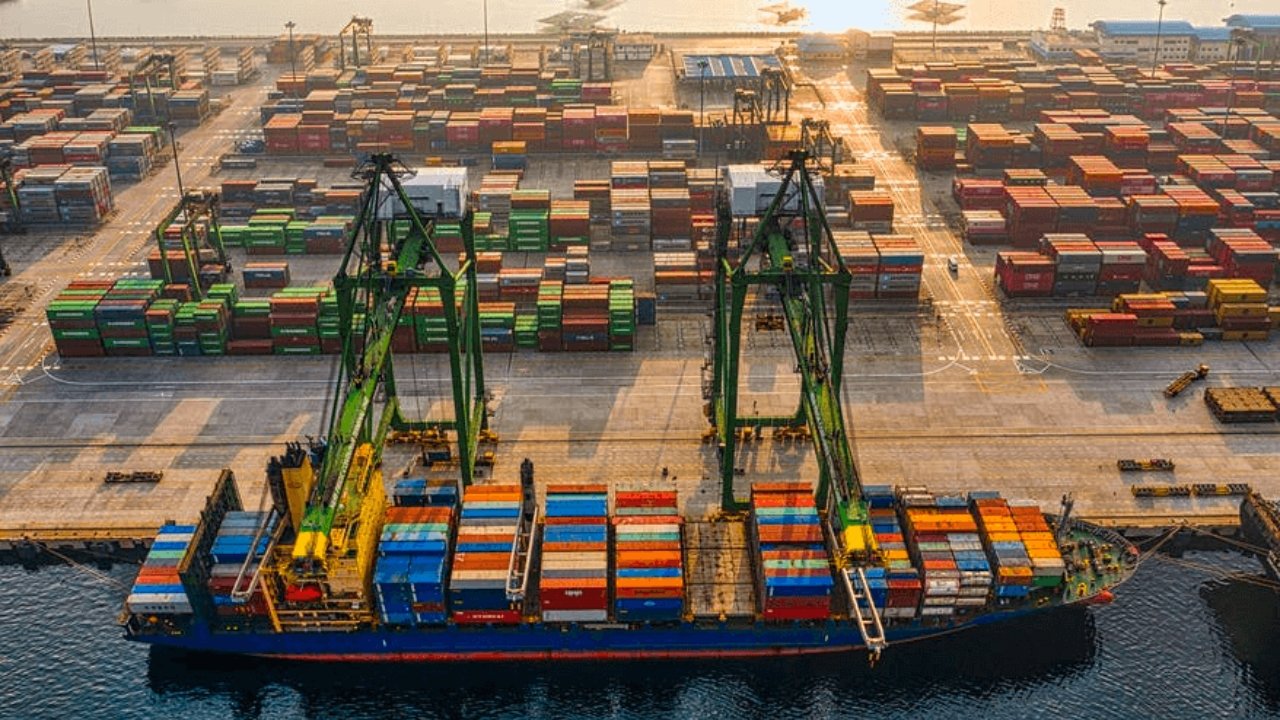
Ocean-going vessels have a large carrying capacity and can transport large quantities of goods, thus enjoying significant cost advantages in commercial freight transportation. This mode of transportation is widely applicable to the transportation of consumer goods, machinery equipment, furniture, raw materials and various bulk commodities.
Air Freight
If your goods have high requirements for transportation timeliness and stable transportation reliability, air freight is an ideal transportation solution.
It perfectly meets the transportation needs of urgent purchase orders, high-value goods, and time-sensitive goods, covering various types of shipments such as electronic products, medical supplies, high-end spare parts, and commercial product samples.
Rail Freight
If your enterprise aims to control transportation costs while maintaining a stable delivery cycle, then rail freight is an excellent alternative option. Its transportation speed is faster than that of sea transportation, and the freight rate is much lower than that of air transportation.
This mode of transportation is widely used in the China-Europe trade routes, transporting industrial products, automotive parts, and various ordinary commercial goods.
Road Transportation
Road transportation boasts excellent operational flexibility and can seamlessly connect production factories, storage warehouses, international ports and end delivery locations.
This transportation solution is widely applied in local distribution and delivery, port connection transportation, cross-warehouse transfer and allocation, as well as full-door-to-door freight services.
Multimodal Transportation 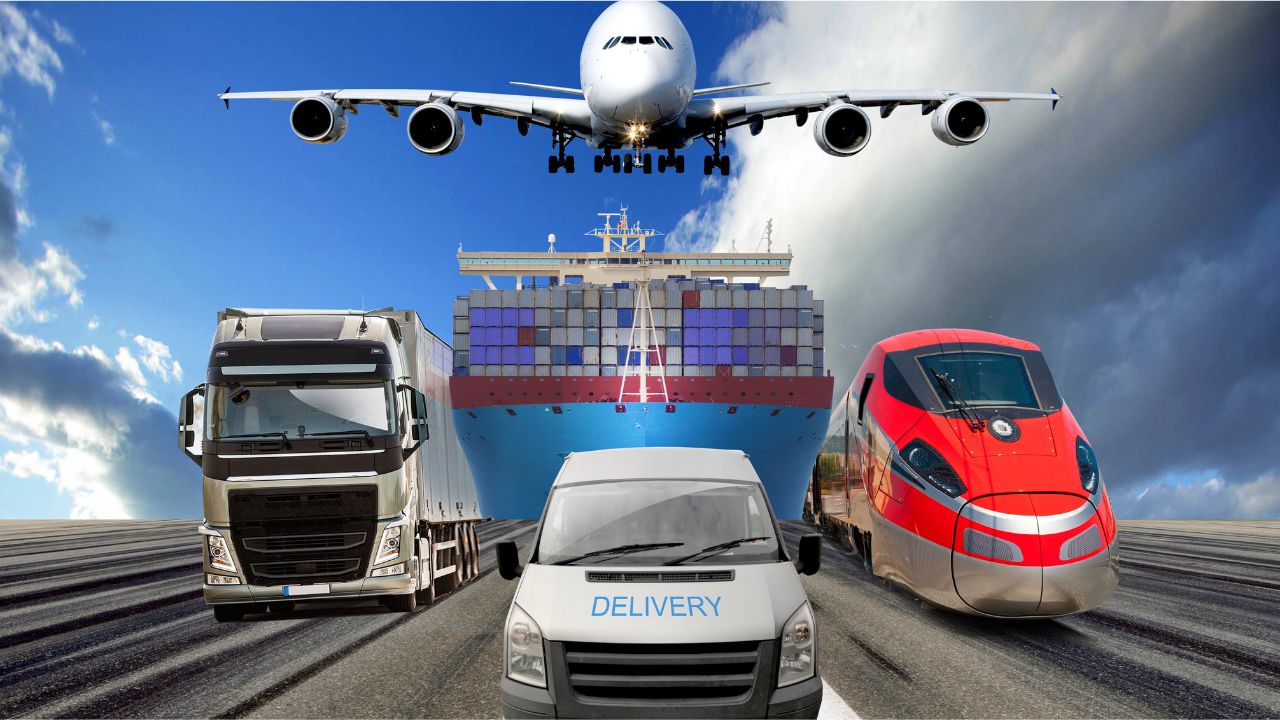
Multimodal transport refers to the combination of multiple transportation methods to enhance the overall transportation efficiency. Common combinations include sea transportation combined with road transportation, railway freight combined with road transportation, and air freight paired with land transportation.
This flexible logistics model can help your company find the optimal balance among transportation costs, transportation timeliness, and delivery flexibility.
What Are the Different Types of Logistics?
Inbound Logistics
Inbound logistics refers to the process of transporting raw materials, components or goods from suppliers to the enterprise’s factory or warehouse. It includes coordination with suppliers, transportation of raw materials, warehousing and inspection of goods, as well as inventory management.
Efficient inbound logistics can ensure that raw materials are delivered to the designated location within the prescribed time limit, avoid production delays due to shutdowns, and also prevent a significant increase in operating costs resulting from this.
Outbound Logistics
Outbound logistics involves the process of transporting finished products from the enterprise’s warehouse or production base to end customers, distributors, and various sales channels.
A mature logistics system can help enterprises shorten the order delivery cycle, enhance customer experience, and achieve more refined inventory management.
International Logistics
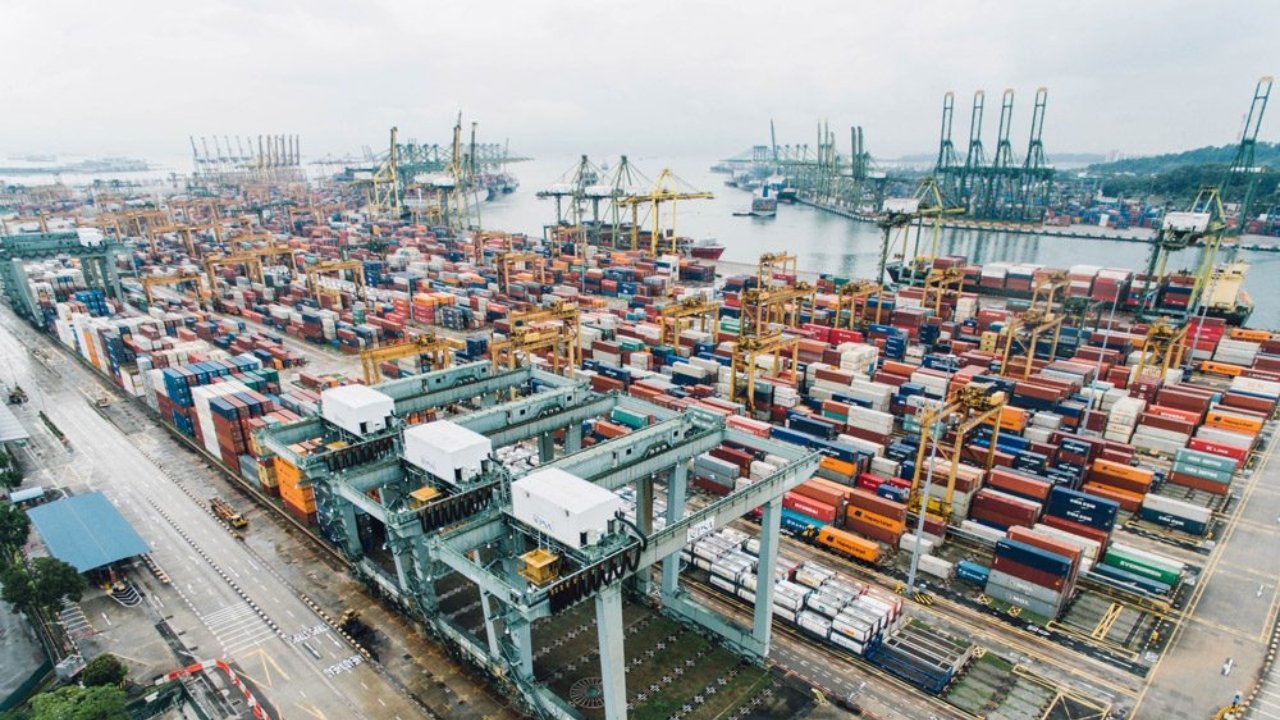
International logistics encompasses maritime transportation, air transportation, railway transportation, customs clearance, and related business of import and export documents. Cross-border freight transportation usually involves customs clearance procedures, international trade regulations, and different transportation networks of various countries.
Therefore, its process is much more complex than domestic logistics services.
Reverse Logistics
Reverse logistics is responsible for handling the reverse flow of goods, referring to the process where end customers return products to distributors, manufacturers or designated facilities. Typical include product returns, warranty repairs, recycling disposal, and product exchanges.
Third-Party Logistics (3PL)
Third-party logistics (3PL) refers to the situation where an enterprise outsources part or all of its logistics operations to professional logistics service providers. Common third-party logistics services include cargo transportation, storage solutions, inventory management, order processing, and goods tracking.
Digital Logistics
Digital logistics helps enterprises respond more quickly to market changes and efficiently coordinate the supply chain. It relies on various digital tools to enhance the transparency of the entire logistics process, communication efficiency.
Typical applications include real-time cargo tracking, automated warehouse management systems, and data-driven route optimization.
How Can Logistics Help Your Business Grow?
Reducing Operational Costs
Logistics can help your enterprises optimize transportation routes, integrate goods and select the most suitable transportation methods, thereby controlling and reducing overall operational costs, and eliminating all unnecessary expenditures.
For instance, large-scale cargo transportation can be carried out by sea or through multimodal transport, both of which can effectively control costs and enhance transportation efficiency.
Improving Delivery Speed and Reliability
An efficient logistics system can ensure the smooth flow of goods throughout all stages, reduce transportation delays and various uncertainties, enhance the ability to fulfill deliveries, and help enterprises respond more quickly to market demands and customer orders.
Expanding into Global Markets 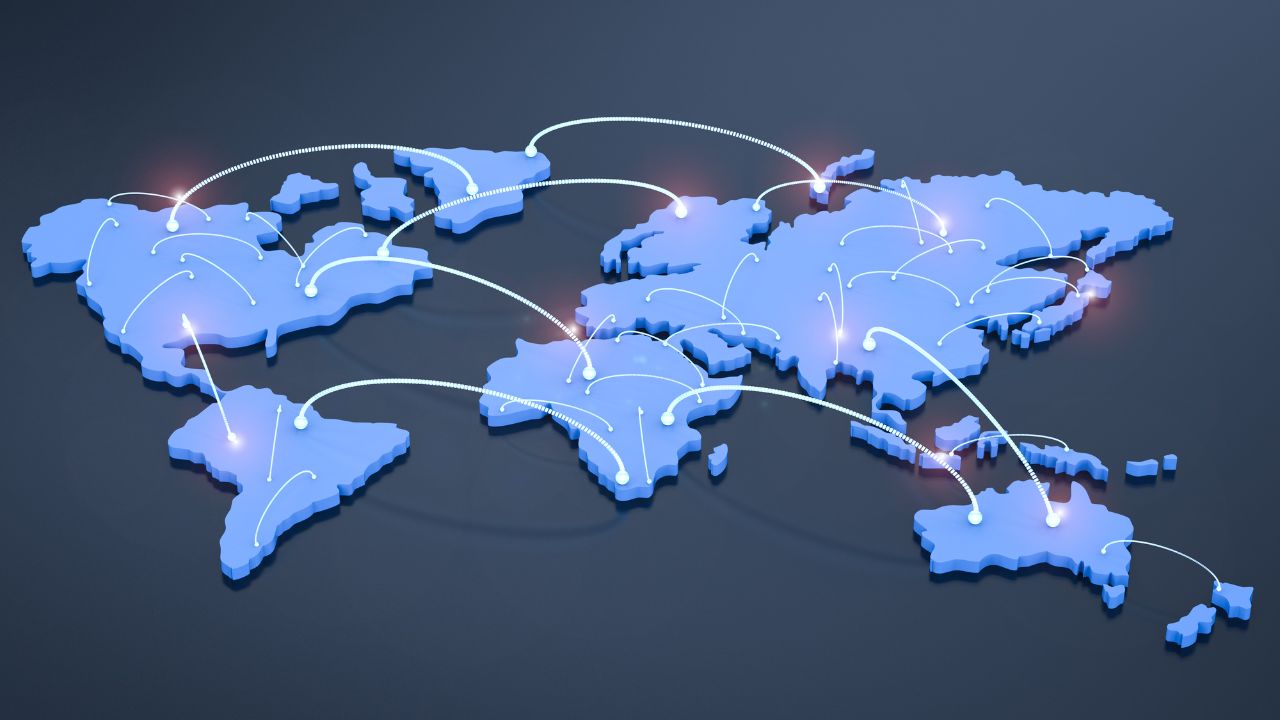
A well-established and reliable logistics network can facilitate the smooth export of your products, handle customs clearance procedures, ensure stable delivery of goods, and help your company expand into more countries and regions.
Enhancing Customer Experience
Apart from product quality, the delivery experience will also significantly affect the customer’s perception. Delays in shipment, damaged goods, or inability to obtain real-time logistics updates will all undermine the customer’s trust in the company.
Therefore, a streamlined and smooth logistics process not only helps you enhance customer satisfaction but also drives repeat purchases and promotes long-term business cooperation.
Supporting Business Scalability
As the enterprise expands in size and the order volume increases, a reliable logistics system can help your enterprise maintain operational efficiency and service quality.
Reducing Supply Chain Risks
Logistics relying on optimized planning, real-time tracking and coordination, help your enterprise reduce supply chain risks.
Even in the event of unexpected freight situations, they can provide feasible alternative transportation routes and backup solutions, enabling your enterprise to maintain stable operations.
Final Thoughts
Logistics has become an indispensable pillar for enterprises to maintain competitiveness, achieve business growth, and ensure the stability of supply chains. DFH Global Logistics is a professional freight forwarding agency with 13 years of industry experience. If you have any inquiries related to logistics, please feel free to contact us at any time!