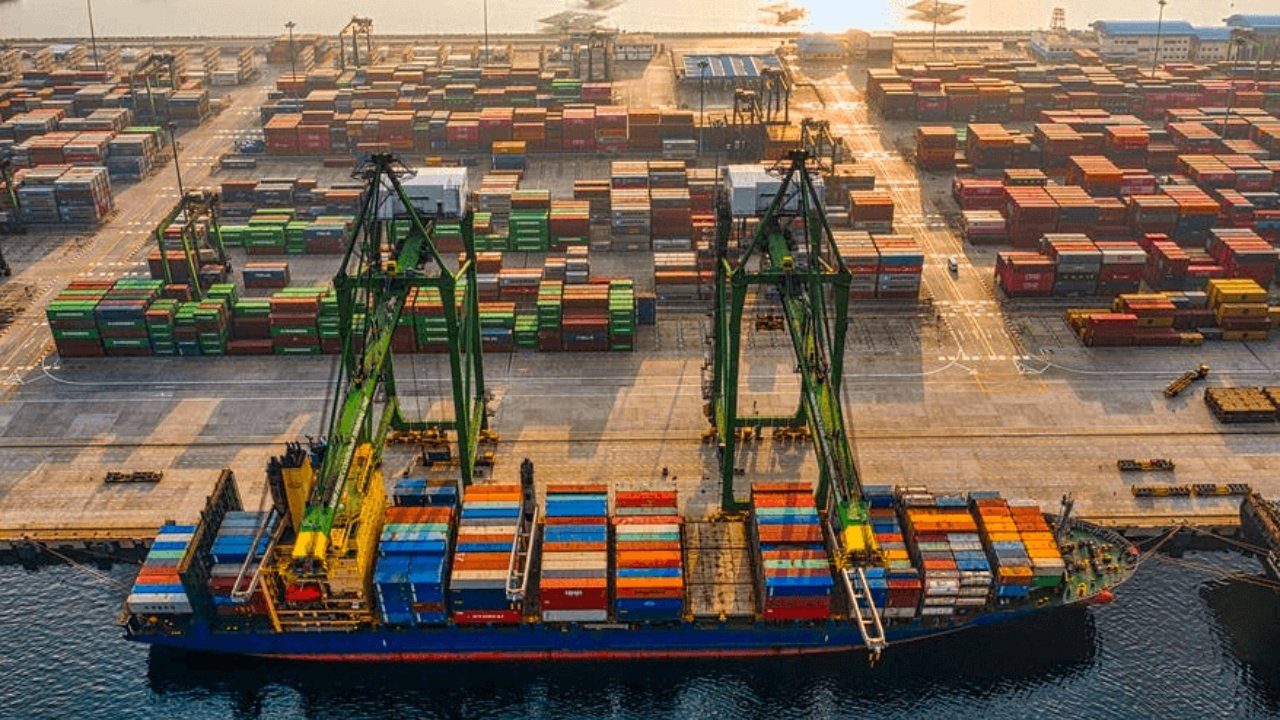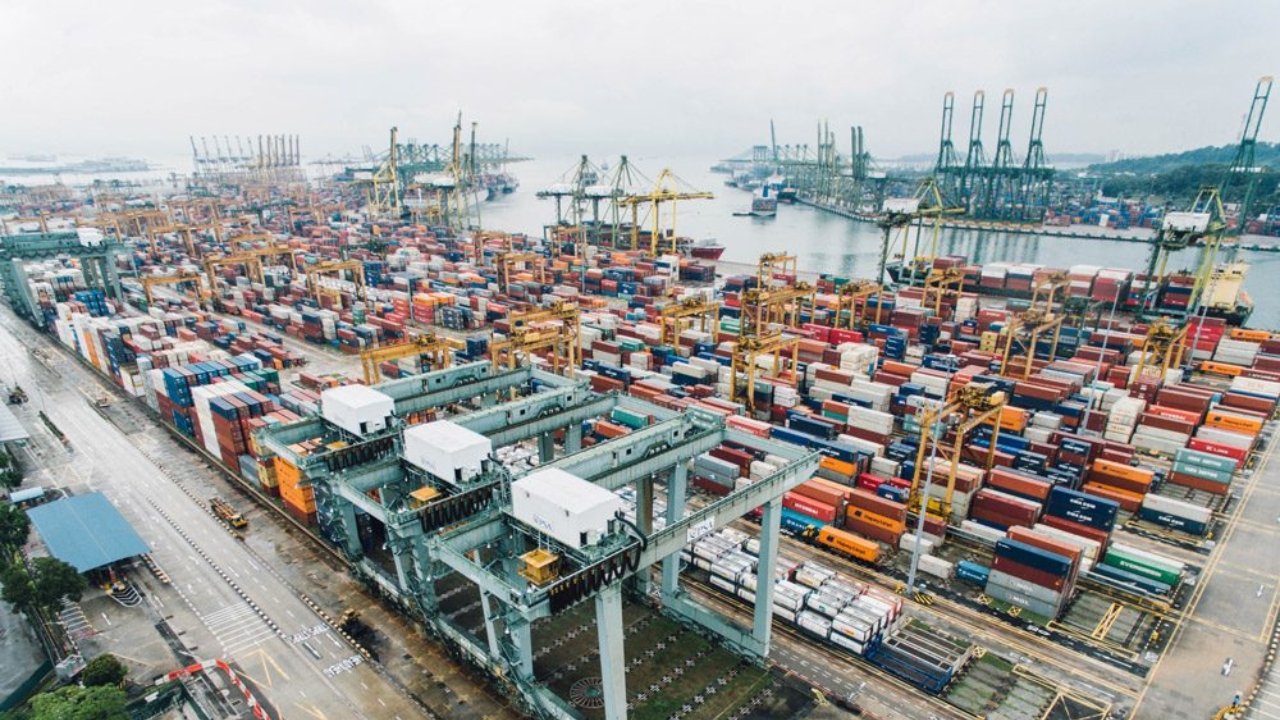
Importing clothes from China to Canada is more than finding a low factory price and booking a shipment. The garments also need accurate fibre information, suitable labels, consistent customs documents, and a delivery plan that works for the Canadian destination.
If you are learning how to import clothes from China to Canada, this guide brings the main pieces together—from supplier checks and samples to CARM, Canadian textile labelling, duty, GST/HST, shipping time, and final delivery. The goal is to help you avoid the kind of small mistake that becomes an expensive delay later.
Is Importing Clothes from China to Canada Worth It?
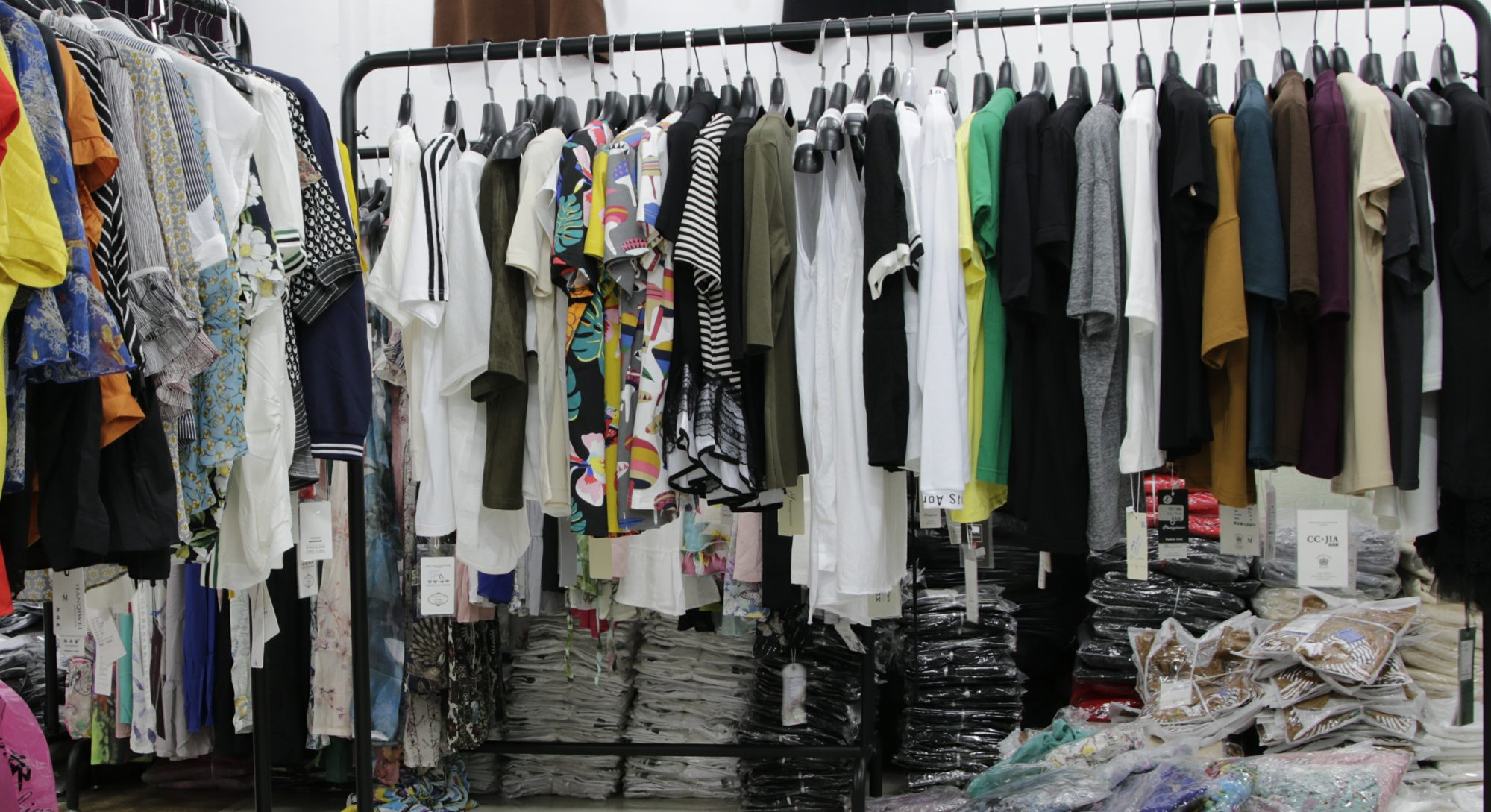
Yes. Importing clothes from China to Canada can be commercially attractive when you manage the complete landed cost, product quality, labelling, and Canadian import process—not just the supplier’s unit price.
China offers a broad manufacturing base for private-label apparel, uniforms, knitwear, outerwear, activewear, accessories, and seasonal collections. You may also combine orders from several factories, which can make a smaller test order more practical.
The reasons many buyers consider this route include:
- Flexible OEM and private-label production
- A wide choice of fabrics, colours, trims, and finishes
- Competitive pricing for repeat orders
- Supplier clusters that make inspection and consolidation easier
- Sea, air, express, and door-to-door freight options
Your real budget is the landed cost. Add product price, samples, labels, inspection, China pickup, freight, insurance, customs duty, GST/HST, brokerage, destination handling, and Canadian delivery before you decide whether an order is truly economical.
You can share your garment type, quantity, carton details, and Canadian postal code with us, and we can help you compare the shipping and landed-cost items before production is finalized.
Choose Suppliers and Lock the Garment Specification
The safest clothing order starts with a clear specification and a supplier that can reproduce it. A catalogue image is a useful starting point, but it is not enough to control fabric, measurements, workmanship, or the final label.
Match the Product to the Chinese Market
Guangzhou and Dongguan are practical areas for fashion apparel, streetwear, denim, activewear, and private-label production. Hangzhou and Ningbo are strong options for women’s clothing, fast fashion, and export-oriented garment production. Yiwu can suit smaller mixed orders and accessories, while Keqiao is useful when fabric selection and custom development are central to the project.
For more sourcing options, explore our China clothing wholesale suppliers list to find potential manufacturers and wholesale suppliers before placing your order.
You do not have to choose a supplier based only on the lowest quotation. You should also check its export experience, minimum order quantity, production capacity, sample process, quality records, and ability to provide complete package information.
Put the Specification in Writing
Before paying the production deposit, record:
- Fibre composition and fabric weight
- Size chart, measurement tolerances, and grading
- Colour reference, trims, zippers, buttons, printing, and embroidery
- Brand label, care label, hangtag, barcode, and packaging details
- Carton quantity, dimensions, gross weight, and shipping marks
- Any special material, animal-origin component, or safety requirement
This document gives your factory, inspector, freight forwarder, and customs broker the same reference point. It also makes it much easier to discuss a claim if the finished garments do not match the approved standard.
Approve Samples Before Bulk Production
Ask for a physical sample and check the hand feel, shrinkage, colour, stitching, size, print, label placement, and packaging. If the supplier changes the fabric or trims after approval, ask for a new sample instead of relying on a message that says the change is minor.
We can receive your goods from several Chinese suppliers, arrange warehouse inspection, and consolidate compatible cartons before export. You can send us the supplier cities and expected ready dates so we can review the collection plan with you.
Door-to-Door Shipping Time from China to Canada
Door-to-door shipping time depends on the pickup city, cargo-ready date, consolidation, Canadian gateway, customs release, inland transportation, and final postal code. For clothing, sea freight is normally the budget option, while air and express are used when inventory needs to arrive sooner.
| Route | Sea | Air | Express | Planning Note |
| Guangzhou/Shenzhen to Vancouver | 20–45 days | 6–14 days | 3–7 work days | West Coast gateway; inland leg is usually shorter |
| Shanghai/Ningbo to Vancouver | 22–45 days | 6–14 days | 3–7 work days | Confirm the sailing and consolidation cut-off |
| Guangzhou/Shenzhen to Toronto | 20–45 days | 7–14 days | 3–7 work days | Cross-Canada rail or truck leg may add time |
| Shanghai/Ningbo to Toronto | 22–45 days | 7–14 days | 4–7 work days | Final delivery postcode affects the inland plan |
| Guangzhou/Shenzhen to Montreal | 20–45 days | 7–14 days | 4–8 work days | Eastern delivery usually needs longer inland planning |
| Shanghai/Ningbo to Montreal | 22–48 days | 7–14 days | 4–8 work days | Winter weather and gateway schedules may affect timing |
When planning your order, remember that getting the clothes made and getting them delivered are two different timelines. You’ll need extra time for sample approval and bulk production, especially around Chinese holidays. Also allow time for the goods to reach our warehouse, clear Canadian customs, and be scheduled for final delivery.
These ranges are planning estimates, not guaranteed delivery commitments. Sailing schedules, flight capacity, weather, port congestion, customs inspection, holidays, and remote-area delivery can change the final result.
You can tell us your cargo-ready date, pickup city, Canadian postal code, carton dimensions, and required arrival date, and we can compare a practical route for you.
Shipping Cost Estimates for Clothing Imports
There is no fixed price for importing clothes from China to Canada. The amount changes with chargeable weight, carton dimensions, total CBM, route, season, fuel charges, customs scope, and the final Canadian delivery location.
| Route | Sea LCL | Sea FCL | Air | Express |
| Guangzhou/Shenzhen to Vancouver | $100–$220 /CBM | $2,000–$5,000 /cont. | $4–$10 /kg | $7–$28 /kg |
| Shanghai/Ningbo to Vancouver | $120–$250 /CBM | $2,000–$5,000 /cont. | $4–$12 /kg | $7–$28 /kg |
| Guangzhou/Shenzhen to Toronto | $120–$220 /CBM | $2,200–$5,200 /cont. | $4–$10 /kg | $8–$28 /kg |
| Shanghai/Ningbo to Toronto | $130–$280 /CBM | $2,200–$5,200 /cont. | $5–$12 /kg | $8–$28 /kg |
| Guangzhou/Shenzhen to Montreal | $130–$250 /CBM | $2,300–$5,300 /cont. | $5.5–$12 /kg | $7–$28 /kg |
| Shanghai/Ningbo to Montreal | $130–$280 /CBM | $3,000–$5,500 /cont. | $5.5–$12 /kg | $8–$30 /kg |
The table figures are general planning ranges, not firm quotations. Sea LCL and FCL references may exclude customs duty, GST/HST, insurance, destination handling, storage, inspection, brokerage, remote-area delivery, and other local charges; DTD does not automatically mean DDP. Rates can change quickly, so confirm the shipment scope and current quotation before paying the supplier or promising a delivery date.
You can send us your shipment details, including the actual weight, carton dimensions, total CBM, supplier city, Canadian postal code, and preferred Incoterm. We’ll review your information, compare suitable shipping options, and help you find a practical solution for your clothing shipment.
Set Up the Canadian Importer File Before Booking
For a commercial shipment, the Canadian importer needs a clear importer-of-record arrangement. The importing business normally needs a nine-digit Business Number, an import-export RM account, and access to the CBSA Assessment and Revenue Management system, known as CARM.
The CBSA’s commercial import guide explains the main steps for identifying the goods, classifying them, declaring value, accounting for the shipment, and paying duties and taxes. A customs broker can submit entries on your behalf, but the importer remains responsible for the accuracy of the information.
Create the BN, RM, and CARM Setup
Before the cargo leaves China, confirm:
- The legal name and address of the Canadian importer
- The BN9 and RM import account, when required
- CARM access and broker delegation
- The importer of record and the party paying duties and taxes
- The final Canadian delivery address and postal code
If a quotation says DDP, clarify exactly who will act as importer of record, who will provide the customs information, and whether duties, taxes, brokerage, and final delivery are included.
Prepare a Consistent Shipping File
A typical commercial clothing file may include:
- Commercial invoice with accurate product descriptions, quantity, value, origin, and Incoterm
- Packing list showing cartons, garments, weights, dimensions, and shipping marks
- Bill of lading or air waybill
- Correct Canadian 10-digit tariff classification
- Country-of-origin information and supporting records
- Purchase order, payment evidence, product photos, and test reports when relevant
Keep the details consistent across the invoice, packing list, shipping instruction, and customs declaration. Canadian importers are generally expected to retain import records for six years, so do not treat the document file as something that disappears after delivery.
If you are unsure which documents are required for your clothing shipment to Canada, simply tell us your product details, material composition, supplier information, and destination address. We can help identify the required documents and guide you through the preparation process before shipment.
Canadian Textile Labels and Product Compliance
Canada has specific textile labelling rules, so the label should be planned before bulk production. A garment that looks perfect in a sample room can still create a problem if the fibre wording, dealer identity, or label format is not suitable for Canadian sale.
Fibre Content and Bilingual Information
Consumer textile articles generally need accurate fibre-content disclosure. The wording should identify the fibres and their percentages in a way that matches the actual garment. For products sold in Canada, English and French requirements can apply, so do not print a large batch of labels from an English-only artwork without checking the product category.
The label should also match the garment actually shipped. A change from cotton to a cotton-polyester blend is not just a production detail—it can change the declaration and the consumer label.
Dealer Identity and Label Placement
Canadian textile labelling rules can require the dealer identity, such as a Canadian CA Identification Number or the prescribed business information. The label must be attached or presented in a way that remains available to the buyer at the point of sale.
Some improperly labelled goods may be relabelled in Canada under a specific notification process, but relying on relabelling after arrival adds risk and handling cost. It is usually easier to review the artwork before the factory starts bulk production. The Competition Bureau’s Canadian textile labelling guide is a useful official reference.
Children’s Clothing and Special Materials
Children’s garments, sleepwear, protective clothing, products with drawstrings, and garments using special materials may require additional safety evidence or testing. If the clothing contains leather, fur, exotic skins, or other animal-origin materials, check whether additional controls or permits may apply before shipping.
You should also confirm that any logo, character, brand name, or artwork is legally authorized. Do not import counterfeit or “replica” clothing because customs and rights holders may detain it even when the declared value is low.
You can provide us with the label artwork, fibre composition, product photos, and intended selling market. We can help connect the product-preparation details with the shipping and customs plan.
How Are Duty, GST/HST, and Landed Cost Calculated?
Canada calculates import charges from the correct tariff classification, country of origin, and value for duty. There is no single duty rate for every item of clothing from China, and GST/HST is calculated separately from customs duty.
Classify the Garment, Not Just the Product Name
A Canadian 10-digit tariff classification can depend on whether the garment is knitted or woven, the fibre composition, the garment type, the intended wearer, and whether it is imported as a set. T-shirts, coats, trousers, dresses, uniforms, children’s garments, and accessories may fall under different tariff lines.
Do not use one general “clothing” code for an entire shipment. If one invoice contains several categories, describe and classify them separately.
Declare Value and Origin Honestly
The country of origin is where the garments were manufactured, not simply where the shipment was consolidated. For China-made clothing, the origin should be declared consistently in the commercial documents and customs entry.
Do not undervalue commercial clothing, describe it as a gift, or use a vague description such as “fashion goods.” Use realistic quantities, values, materials, and product names. A mismatch between the invoice, payment record, packing list, and product photos can lead to questions or a customs review.
Plan for Duty and GST/HST
China-origin clothing will normally be considered under Canada’s applicable MFN tariff treatment unless a specific preferential rule applies. Many apparel tariff lines can have meaningful duty rates, so confirm the exact 10-digit code before calculating your selling price.
Commercial goods imported into Canada are generally subject to 5% GST at the time of importation, calculated on the value for tax, including applicable customs duties.
For goods destined for participating HST provinces, the importer may also need to self-assess the provincial portion of HST. GST/HST-registered importers may be eligible to claim input tax credits, subject to the applicable requirements.
We can review your product description, material, declared value, and available HS information so you have a clearer list of the likely customs and tax items before the shipment leaves China.
Real Case Studies: Import Clothes from China to Canada
Case Study 1: Shipping Clothing (260 KG, 13 Cartons) from China to Canada by Sea Freight DDP
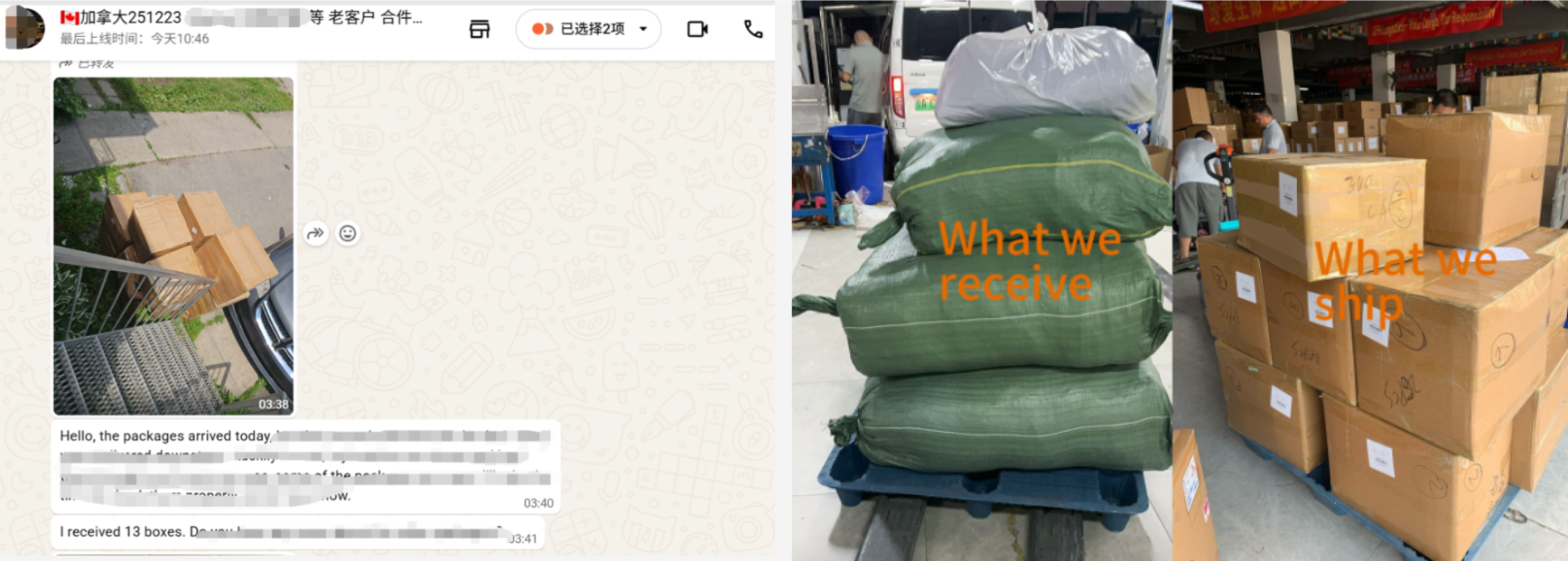
Customer Source: Repeat Customer
Cargo Type: Clothing
Chargeable Weight: 260 KG
Cargo Quantity: 13 Cartons
Shipping Route: China to Canada
Shipping Method: Sea Freight DDP Door-to-Door
Transit Time: 30 Days
The customer was a Canadian clothing retailer who regularly purchased products from China. They needed a reliable freight forwarder to consolidate goods from multiple suppliers, control shipping costs, and arrange delivery directly to their warehouse without handling customs clearance themselves.
- Multi-Supplier Cargo Collection & Consolidation: We collected clothing shipments from three different suppliers in China. After all 13 cartons arrived at our warehouse, we consolidated them into one shipment to reduce transportation costs and simplify the shipping process.
- Cargo Inspection & Repacking: Our warehouse team checked the received packages and cargo condition. We then arranged additional repacking to improve cargo protection and meet the transportation requirements.
- Sea Freight DDP Arrangement: Based on the cargo weight, volume, budget, and delivery requirements, we arranged Sea Freight DDP Door-to-Door shipping from China to Canada. This provided a cost-effective solution for the customer’s regular clothing imports.
- Customs Clearance & Tax Handling: We prepared the required shipping documents and coordinated export and Canadian import customs clearance. Applicable import duties and taxes were handled under the agreed DDP terms, saving the customer from dealing with complicated import procedures.
- Final Door-to-Door Delivery: After customs clearance, we arranged final delivery directly to the customer’s designated warehouse in Canada, eliminating the need for separate local transportation arrangements.
The shipment was successfully delivered in 30 days. The customer was very satisfied with our consolidation service, cost-effective shipping arrangement, and reliable delivery. As a repeat customer, they continued to trust us with their regular shipments from China to Canada.
Case Study 2: Shipping Clothing (35 Cartons, 1.53 CBM) from China to Calgary, Canada by Sea Freight DDP
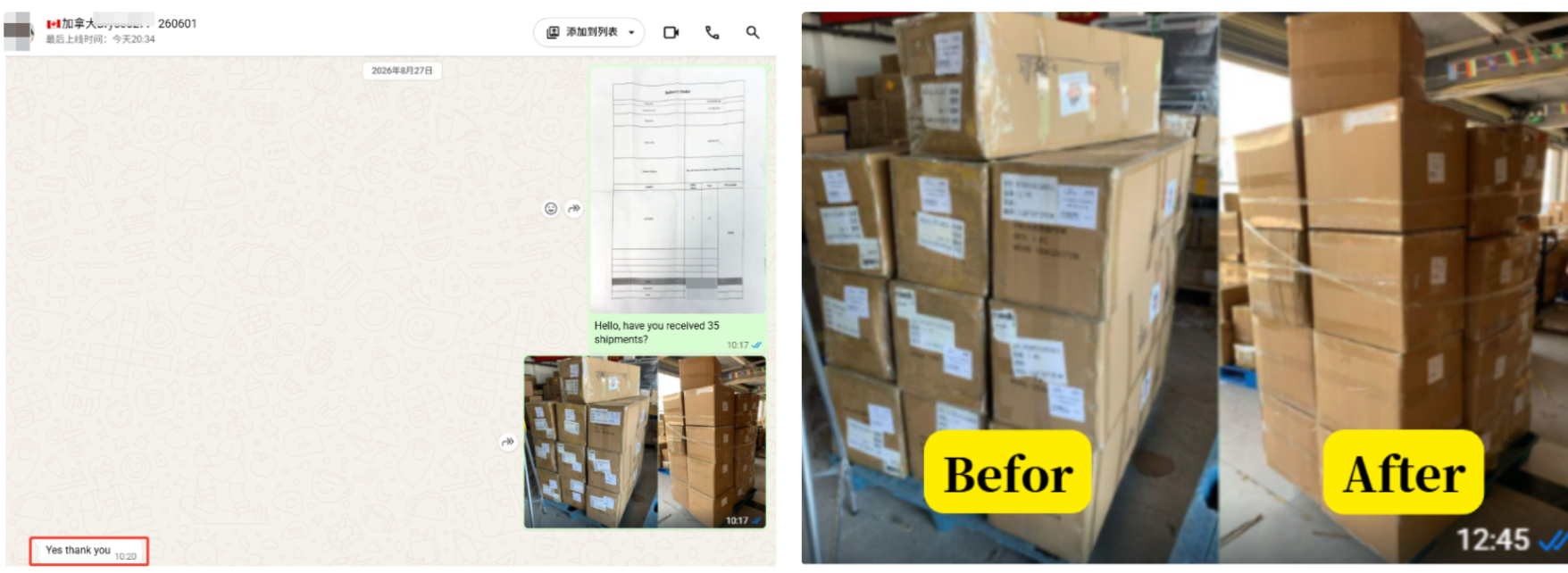
Customer Source: DFH Freight Official Website Inquiry
Cargo Type: Clothing
Cargo Quantity: 35 Cartons
Cargo Volume: 1.53 CBM
Shipping Route: China to Calgary, Canada
Shipping Method: Sea Freight DDP Door-to-Door
Total Shipping Time: 45 Days
The customer purchased clothing from multiple suppliers in China and needed a freight forwarder to coordinate collection and consolidation. They wanted to reduce shipping costs and have all goods delivered directly to their address in Calgary.
- China Warehouse Address & Supplier Coordination: We provided our Shenzhen warehouse address for the customer’s Alibaba orders and arranged pickups from suppliers in Yiwu, Guangzhou, and Ningbo.
- Cargo Receiving & Free Warehousing: We received and recorded all 35 cartons at our warehouse and provided 15 days of free storage while waiting for the remaining orders.
- Cargo Inspection & Repacking: During receiving, we found several deformed cartons. We repacked the affected goods and reinforced the packaging for safer transportation.
- Sea Freight DDP Arrangement: After all goods arrived, we confirmed the final volume at 1.53 CBM and arranged Sea Freight DDP based on the customer’s budget and delivery requirements.
- Canadian Customs Clearance: Under the agreed DDP terms, we coordinated Canadian customs clearance and handled applicable import duties and taxes.
- Final Door-to-Door Delivery: After customs clearance, we arranged final delivery to the customer’s address in Calgary. The customer requested an address change during transportation, adding approximately three days to the schedule.
The 35 cartons of clothing were successfully delivered within 45 days from payment to delivery. The customer was very satisfied with our consolidation service, packaging arrangements, and convenient Door-to-Door delivery.
If you are shipping clothing from multiple suppliers in China to Canada, send us your supplier locations, carton quantity, cargo volume, and delivery address. We can help arrange warehouse receiving, cargo consolidation, and complete door to door delivery.
FAQs About Import Clothes from China to Canada
Can I Request Clothing Samples from China Before Importing Bulk to Canada?
Yes. We recommend ordering samples before placing a large clothing order. You can check the fabric, fit, colour, stitching, shrinkage, and labels before approving bulk production. Keep the approved sample and specifications as a reference for your supplier.
Can Several Chinese Suppliers Be Combined into One Canadian Shipment?
Yes. If you purchase clothing from several factories or wholesale suppliers, we can receive the goods at our China warehouse, check the packages, and consolidate compatible orders into one shipment to Canada. We can also arrange 15 days of free warehouse storage while waiting for other suppliers’ goods.
Can I Import Used Clothes from China to Canada?
Used clothing may involve different documentation, sanitation, condition, or admissibility considerations from new garments. Confirm the Canadian requirements before arranging collection, especially for mixed, donated, or unsorted clothing.
Does DDP Shipping from China to Canada Cover All Import Duties and Taxes?
Under DDP terms, the agreed service generally includes Canadian customs clearance and applicable import duties and taxes. However, you should confirm who acts as the importer of record and whether brokerage, additional inspections, storage, and final delivery charges are included in your quotation. We recommend clarifying these responsibilities before booking.
Final Thoughts
Importing clothing from China to Canada involves more than finding the right products and placing an order. You also need to consider product quality, shipping arrangements, Canadian import requirements, and delivery costs before your goods leave China. With the right preparation and a reliable freight partner, you can avoid unnecessary delays and make your clothing imports easier to manage.
You can send us your garment type, fibre composition, quantity, carton dimensions, gross weight, supplier city, Canadian postal code, and preferred delivery date. We will help you compare the practical shipping options and prepare a clearer route from China to Canada.