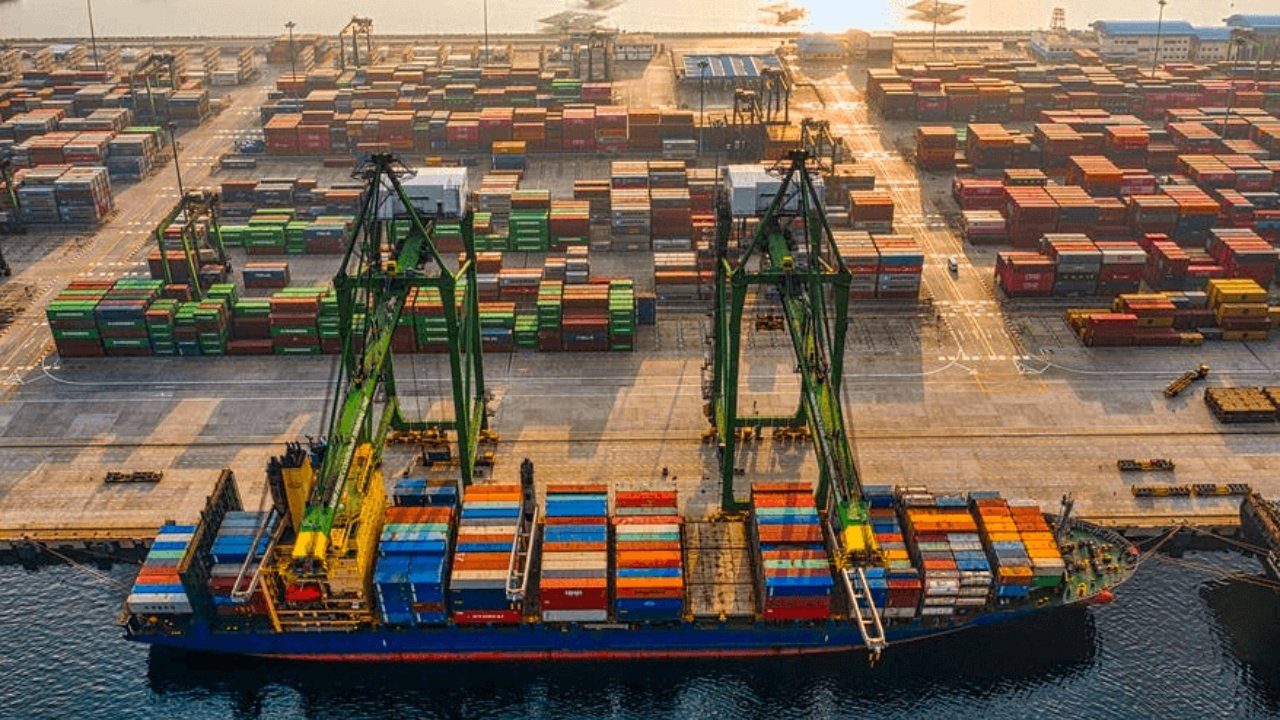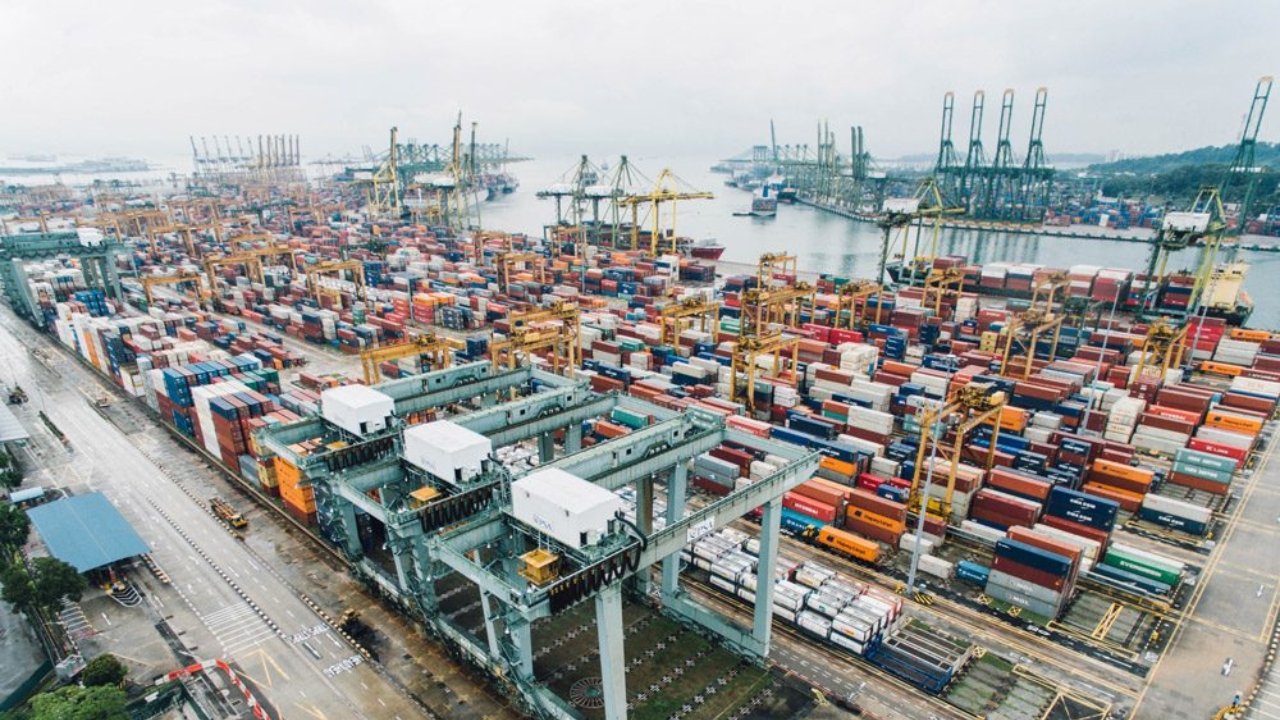
The furniture may be chosen in Foshan, ordered from 1688, or made by a factory in Shanghai. The part that often causes stress comes later: packed dimensions, permits, GST, port handling, and getting a large carton through the final delivery address.
If you plan to import furniture from China to Singapore, a clear plan before pickup can save you from avoidable storage charges, customs corrections, and damaged cargo. This guide explains the route in a practical way, with Singapore-specific requirements and realistic planning figures.
Why Import Furniture from China to Singapore?

Singapore is practical for Chinese furniture imports because it has efficient port connections, a strong local delivery network, and a clear customs process for commercial cargo. For bulky items, sea freight usually gives a better balance between cost and protection than air freight.
Chinese suppliers can offer sofas, beds, dining tables, wardrobes, kitchen cabinets, office furniture, outdoor pieces, and custom finishes at different price levels. The real comparison, however, should be based on your landed cost rather than the factory invoice alone.
Your full budget may include:
- Product price and China domestic delivery
- Pickup, warehouse receiving, and export handling
- LCL or FCL freight, insurance, and destination charges
- Singapore permit or declaring-agent costs
- Import GST and possible inspection or storage
- Delivery to your home, showroom, warehouse, or project site
Our furniture shipping services can support supplier pickup, cargo receiving, inspection, consolidation, repacking, documentation coordination, and Singapore delivery planning.
You can share your supplier city, product list, packed dimensions, total CBM, weight, and Singapore postcode with us, and we can help you see the likely landed-cost structure.
Match the Furniture to the Right Shipping Method
Use sea freight for most furniture. Choose LCL when the shipment is smaller or combines several suppliers, FCL when the cargo can use most of a container, and air or express when the items are small and genuinely urgent.
LCL Sea Freight for Mixed or Smaller Orders
LCL lets you pay for the space your furniture uses instead of booking a full container. It works well for a sofa, dining set, several cartons from 1688, or a mixed order that is not ready to fill an FCL container. You can also review our LCL shipping from China service when comparing shared-container options.
FCL Sea Freight for Large Shipments
FCL gives your goods a dedicated container and reduces the number of consolidation and deconsolidation points. It can be more suitable for a full-home order, showroom stock, hotel furniture, or fragile cargo that needs tighter handling control.
Air Freight and Express for Urgent Shipment
Air freight is suitable for furniture samples, replacement hardware, or a few high-value items that need faster delivery. Charges are generally based on chargeable weight, which considers both actual weight and volumetric weight.
Express shipping through carriers such as DHL, UPS, or FedEx is more suitable for small parcels, documents, accessories, and urgent replacement parts. It offers convenient door-to-door delivery, but bulky furniture can be expensive to ship by express because of its dimensional weight.
For a complete sofa or cabinet order, air freight and express can cost significantly more than sea freight. We recommend comparing the shipment size, urgency, and total transportation cost before choosing the most suitable option.
You can share your cargo dimensions, weight, and required delivery date with us, and we can help you compare available shipping options and choose a solution that fits your budget and schedule.
Estimated Transit Time from China to Singapore
The following figures are practical planning estimates for common China–Singapore routes. The final door-to-door schedule also depends on supplier readiness, warehouse receiving, consolidation, export clearance, vessel schedules, permit processing, and local delivery.
| Shipping Route | LCL Sea Freight | FCL Sea Freight | Air / Express |
| Shenzhen → Singapore | 10–12 days | 8–12 days | 2–5 work days |
| Foshan / Guangzhou → Singapore | 10–12 days | 8–12 days | 2–5 work days |
| Shanghai → Singapore | 10–13 days | 10–13 days | 3–5 work days |
| Ningbo → Singapore | 10–13 days | 10–13 days | 3–5 work days |
| Xiamen → Singapore | 10–13 days | 10–13 days | 2–5 work days |
| Chengdu / Chongqing → Singapore | 10–13 days | 10–13 days | 4–5 work days |
These figures are not fixed delivery commitments. Chinese holidays, missed LCL cut-offs, port congestion, customs questions, inspection, weather, and building access can extend the schedule. Air and express estimates also depend on chargeable weight and package dimensions.
You can provide us with your pickup city, packed cargo details, and target delivery date, and we can help you judge whether the schedule is realistic.
What Will Furniture Shipping Cost to Singapore?
There is no single price for shipping furniture from China to Singapore. The total depends on the packed CBM, route, service type, cargo value, destination, customs arrangement, and whether the delivery needs special handling.
The table below gives indicative freight ranges in USD for planning only.
| Route | LCL Sea Freight | FCL Sea Freight | Air Freight | Express |
| Foshan / Guangzhou → Singapore | US$50–120 / CBM | US$800–2,000 / cont. | US$2–8 / kg | US$5–15 / kg |
| Shenzhen → Singapore | US$50–120 / CBM | US$800–2,000 / cont. | US$2–8 / kg | US$5–15 / kg |
| Shanghai → Singapore | US$70–180 / CBM | US$1,000–2,200 / cont. | US$3–9 / kg | US$5–15 / kg |
| Ningbo → Singapore | US$70–180 / CBM | US$1,000–2,200 / cont. | US$3–9 / kg | US$5–15 / kg |
| Xiamen → Singapore | US$70–175 / CBM | US$1,100–2,200 / cont. | US$3–9 / kg | US$5–15 / kg |
| Chengdu / Chongqing → Singapore | US$80–180 / CBM | US$1,100–2,200 / cont. | US$3–9 / kg | US$5–15 / kg |
These are estimated freight ranges rather than firm quotations. They may exclude furniture cost, 9% GST, permit or declaring-agent fees, port and terminal charges, inspection, insurance, storage, special handling, and final delivery unless the quotation states otherwise. Seasonal capacity, final dimensions, exchange rates, and address access can change the amount.
We can prepare a clearer estimate after you send the packing list, supplier city, CBM, weight, Singapore postcode, floor, lift information, and delivery requirements.
Singapore Import Compliance Starts with the Consignee
Singapore import compliance starts with identifying the correct importer and preparing the permit before the goods arrive. A commercial importer normally needs a UEN and an activated Customs Account, then submits the import declaration through TradeNet or appoints a declaring agent.
Confirm the Singapore Importer of Record
The consignee shown on the commercial invoice should match the party responsible for the import. If the cargo is for a Singapore company, use its registered details consistently across the invoice, packing list, bill of lading, permit, and delivery instructions.
Singapore Customs states that imported goods require a customs permit, and most goods outside the dutiable categories incur GST rather than customs duty. You can review the Singapore import procedures overview before confirming the shipment structure.
Check Controlled Goods Before Booking
Ordinary tables, chairs, beds, and cabinets are usually not controlled goods. Additional review may be needed when furniture includes electrical functions, batteries, wireless components, unusual natural materials, or products that are actually appliances rather than simple furniture.
Check the product description and HS/CA code before production. If approval from a Competent Authority is required, arrange it before the cargo sails.
Avoid Generic Declarations
Do not describe a mixed shipment only as “furniture.” Separate sofas, chairs, tables, cabinets, mattresses, parts, and electrical items when their classifications differ. Keep the declared value consistent with the commercial invoice and payment records.
We can review your consignee details, product descriptions, and material information before booking so the customs submission starts with cleaner data.
Which Documents Should Be Ready Before Cargo Leaves China?

You should have the commercial invoice, packing list, bill of lading or airway bill, importer details, HS information, and any approval required for controlled goods ready before departure.
Commercial Invoice
The invoice should identify the seller, buyer, product description, quantity, unit price, total value, currency, Incoterm, and country of origin. Use a specific description such as “fabric upholstered sofa” or “rubberwood dining table” instead of only writing “furniture.”
Packing List
The packing list should show carton numbers, dimensions, gross and net weight, CBM, materials, and package marks. Ask each supplier to label cartons with the same warehouse reference and package sequence.
Bill of Lading And Container Details
For containerised sea cargo, the permit process may require the container number and shipper seal number. The Singapore Customs clearance document guide explains supporting documents for different cargo types and clearance situations.
Keep a Complete Shipment File
Keep the invoice, packing list, permit, bill of lading, insurance certificate, origin evidence, payment record, product photos, and delivery record together. Singapore Customs requires relevant trade documents to be retained for at least five years.
You can share the invoice, packing list, product photos, and consignee information with us, and we can help identify missing details before the shipment leaves China.
GST, HS Codes, And Accurate Declarations
Singapore import GST is generally calculated at 9% on the CIF value, together with applicable duty and costs incidental to the sale and delivery into Singapore. Ordinary furniture is generally non-dutiable, but the exact classification still needs to be checked.
Start With the Correct HS/CA Product Code
Furniture may fall under different lines depending on whether it is a seat, table, cabinet, mattress, furniture part, or item with an electrical function. Use the Singapore Customs HS classification guidance to check the applicable 8-digit HS/CA product code and whether the goods are controlled.
When a mixed shipment contains products with different classifications, list them separately instead of using one convenient code for everything.
Calculate GST on the Correct Value
CIF means the cost of the goods, insurance, and freight to Singapore. GST may also include applicable duty, commission, and other incidental costs. Do not assume a low-value relief applies to bulky furniture arriving by sea or land.
Do Not Undervalue Commercial Furniture
Do not declare new commercial stock as personal effects or reduce the invoice value to make the shipment appear cheaper. Customs may request payment records, supplier invoices, product photos, or supporting explanations. A realistic value helps avoid tax adjustments and permit corrections.
You can give us your invoice value, product list, and freight quotation, and we can help you build a more useful landed-cost estimate before payment.
Packaging And Product Checks for Singapore
Furniture can arrive safely only when the packaging matches the material and the delivery route. A strong carton is useful, but glass, stone, lacquer, solid wood, and electrical components each need their own preparation.
Use Treated Solid-Wood Packaging
Pallets, crates, skids, and dunnage made from solid wood should be treated and marked in line with ISPM 15 requirements. The NParks treatment provider guidance explains treatment documentation and the international wood-packaging standard. Keep the packaging clean and free from bark, soil, insects, and visible contamination.
Confirm Natural Materials
Finished furniture is different from raw timber or plant material. If the order contains bamboo, rattan, cane, unfinished wood, protected species, or loose natural-material components, confirm the applicable requirement before production.
Protect Fragile Surfaces
Use corner guards, edge protection, moisture barriers, inner separation, and reinforced outer cartons for mirrors, glass, marble, ceramic, lacquered panels, and stone tops. Ask for photos after packing so the final condition is recorded before loading.
Check Electrical Features Separately
A powered recliner, LED cabinet, massage chair, charging table, or furniture with an adaptor may involve product-safety or controlled-goods questions beyond ordinary furniture classification. Provide the voltage, plug type, battery details, and product specification before booking.
We can check your packaging photos, materials, and special features with you so potential compliance or damage risks are found before pickup.
Real Case Studies: Importing Furniture from China to the Singapore
Case Study 1: Shipping Furniture (320 KG, 1 Wooden Crate) from China to Singapore
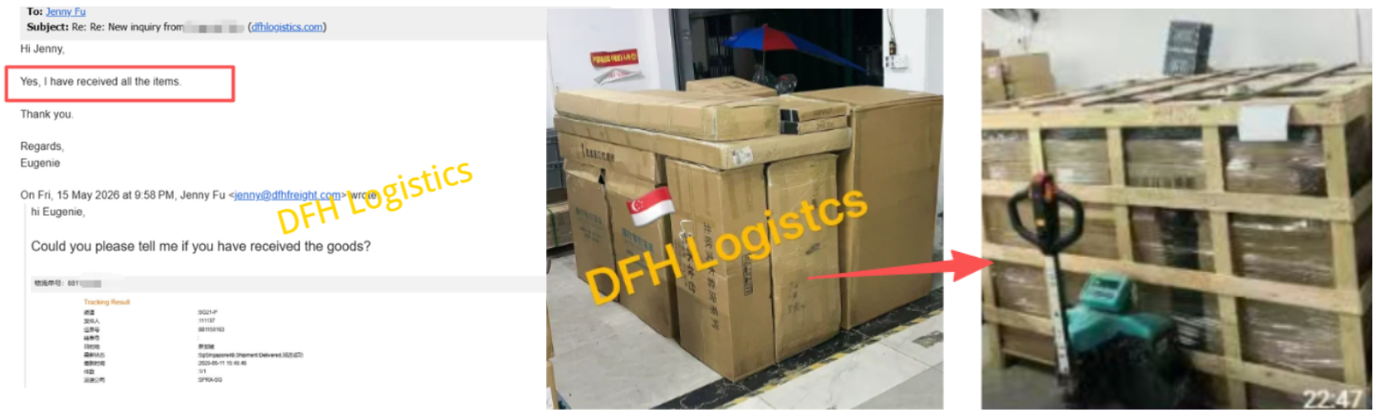
Customer Source: Official Website Inquiry
Cargo Type: Furniture
Chargeable Weight: 320 KG
Cargo Quantity: 1 Wooden Crate
Shipping Route: China to Singapore
Shipping Method: Sea Freight DDP Door-to-Door
Transit Time: 9 Days After Vessel Departure
The customer operated a furniture business in Singapore and regularly purchased furniture from multiple suppliers in China. For this shipment, he needed a cost-effective shipping solution that allowed all the furniture to be consolidated, properly protected and delivered to Singapore without handling the import procedures himself.
- Multi-Supplier Receiving & Warehouse Storage: We provided our Shenzhen warehouse to receive furniture from different suppliers and offered 15 days of free storage while waiting for all orders to arrive.
- Cargo Consolidation & Inspection: Once all the goods were received, our warehouse team consolidated the furniture into one shipment, checked the package quantity and cargo condition, and prepared the items for export.
- Custom Wooden Crate Packing: To improve cargo protection, our operators built a custom wooden crate for the furniture and shared packaging photos with the customer before dispatch.
- Sea Freight DDP Arrangement: We arranged sea freight and coordinated the agreed import clearance, applicable GST, and final delivery services. The import declaration and tax arrangements were handled according to the agreed service scope and the applicable Singapore import requirements.
- Customs Clearance: Under the agreed DDP service, we coordinated import customs clearance and applicable duties and taxes, so the customer did not need to manage the import procedures independently.
- Final Door-to-Door Delivery: After customs clearance, we arranged final transportation directly to the customer’s designated address in Singapore without requiring separate local delivery arrangements.
The shipment was successfully delivered to Singapore 9 days after vessel departure. The customer was satisfied with our warehouse consolidation, protective packaging and convenient Door-to-Door shipping service.
Case Study 2: Shipping Wardrobe Furniture (1.8 CBM, 1 Wooden Frame) from Taobao to Singapore by Sea Freight DDU
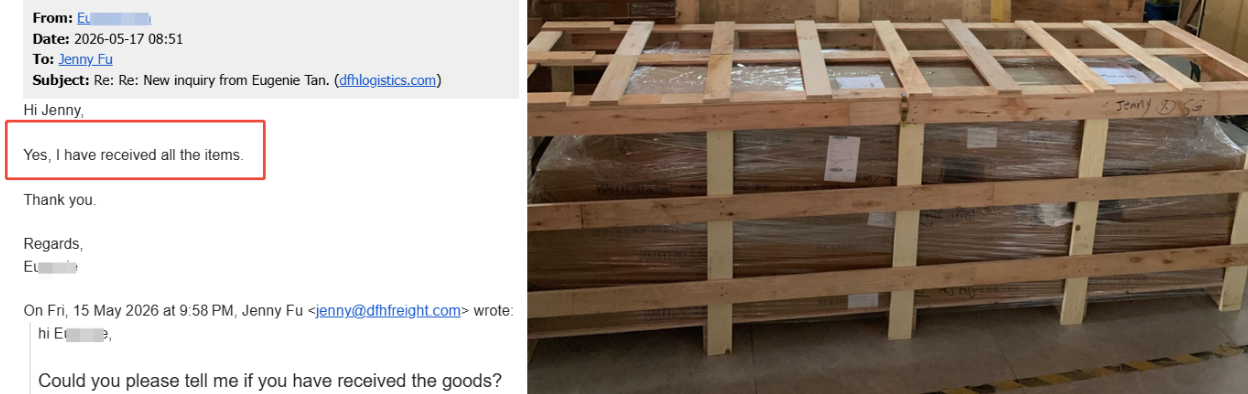
Customer Source: Our Official Website
Cargo Type: Wardrobe Furniture (Taobao Consolidation)
Cargo Volume: 1.8 CBM
Cargo Quantity: 1 Wooden Frame
Shipping Route: Shenzhen, China to Singapore
Shipping Method: Sea Freight DDU Door-to-Door
Transit Time: 16 Days
The customer purchased wardrobe furniture through Taobao and needed a convenient way to ship it from China to Singapore. Since the furniture was bulky and required suitable protection, the customer wanted a reliable shipping solution with secure packaging and delivery directly to the destination.
- Warehouse Receiving & Cargo Consolidation: We arranged for the furniture to be received at our Shenzhen warehouse, providing a convenient collection point before international transportation.
- Wooden Frame Packaging: After receiving the furniture, we prepared the cargo for shipment and arranged a wooden frame to help protect the bulky items during handling and sea transportation.
- Sea Freight DDU Arrangement: Based on the cargo volume of 1.8 CBM, we arranged sea freight from Shenzhen to Singapore. This provided a practical solution for transporting bulky furniture without the higher cost typically associated with air freight.
- Customs Clearance & DDU Service: We coordinated the shipping arrangements and relevant customs procedures according to the agreed service scope. Under the agreed DDU arrangement, the recipient was responsible for import duties and taxes unless otherwise specified in the service agreement.
- Final Door-to-Door Delivery: After the necessary destination procedures were completed, we arranged delivery to the customer’s designated address in Singapore.
The shipment was successfully delivered in 16 days. The customer benefited from consolidated shipping, protective wooden frame packaging, and convenient Door-to-Door transportation.
If you are sourcing furniture from multiple suppliers in China, you can contact us with your cargo details, supplier locations and Singapore delivery address, and we can help arrange warehouse consolidation, protective packing and a suitable DDP shipping solution.
FAQs About Importing Furniture from China to Singapore
Can I Buy Furniture Directly from China And Ship It to Singapore?
Yes. You can purchase from a factory, Foshan showroom, Taobao, or 1688 and arrange delivery to our warehouse before international shipping. New furniture bought for commercial or household use is normally handled as an import, so the consignee and declared value still need to be accurate.
Do I Need to Visit China to Inspect Furniture?
No. You can ask the supplier for product photos, videos, measurements, material samples, and packing photos, or arrange a third-party inspection. We can also help coordinate warehouse receiving and basic cargo checks after the furniture arrives at the warehouse.
Can You Store Furniture Until My Singapore Address Is Ready?
Yes. We offer 15 days of free storage at our Shenzhen warehouse, allowing you to receive and consolidate furniture from different suppliers before shipping. If you need additional storage time, you can contact us to discuss the available options. Storage in Singapore is a separate service and must be confirmed in advance.
What Happens If the Furniture Arrives Damaged?
Take photos before unpacking, record the damage on the delivery receipt, keep the outer packaging, and notify the responsible party quickly. The outcome depends on the packing condition, evidence, declared value, carrier liability, and any cargo insurance policy.
Can I Ship Furniture During Severe Weather or Holiday Periods?
Yes, furniture shipments can usually be arranged during holiday seasons and periods of extreme weather, but delays may occur. Typhoons, heavy rain, port congestion and peak periods such as Chinese New Year can affect cargo pickup, vessel schedules and final delivery. We recommend booking early and allowing extra transit time.
You can share your cargo details and preferred shipping date with us, and we can help check available shipping schedules and plan your shipment to Singapore.
Is Cargo Insurance Available for Furniture Shipments?
Yes, cargo insurance can usually be arranged for eligible shipments. We have long-term partnerships with Ping An Insurance and China Pacific Insurance (CPIC), offering cargo insurance for eligible shipments at rates as low as 0.05% of the insured value. Fragile items such as glass and stone furniture may be subject to a 5% deductible, depending on the policy terms. Final coverage, exclusions and premiums are subject to insurer approval.
Can Furniture Be Delivered to an HDB Flat or Condo?
Usually, yes, provided the building allows the delivery vehicle and the furniture can pass through the loading area, lifts, doors, and corridors. You can provide us with the floor number, lift dimensions, parking rules, delivery time window, and any assembly or unpacking requirements so we can help confirm the delivery arrangements in advance.
What Should I Ask the Supplier Before Paying?
Ask for the finished product dimensions, packed dimensions, gross weight, materials, carton count, production lead time, warranty terms, packing method, and photos of the completed cargo. These details help you compare shipping options before the order becomes difficult to change.
Final Thoughts
Import furniture from China to Singapore with fewer surprises by planning the shipping method, consignee, TradeNet permit, HS code, 9% GST, documents, packaging, and final delivery before the cargo leaves China. Sea freight is normally the practical choice for bulky furniture, while air and express are better suited to urgent smaller pieces.
You can send us your supplier quotation or packing list with the product name, material, quantity, dimensions, weight, CBM, pickup city, Singapore address, and preferred delivery date. We will review the details and help you choose a clearer shipping solution.