
Shipping from China to Switzerland
Simplify your shipments from China to Switzerland with professional logistics solutions



Your Trusted Freight Forwarder China to Switzerland
DFH Logistics provides customized shipping solutions from China to Switzerland based on your cargo type, budget, and delivery requirements, helping importers, wholesalers, and manufacturers arrange shipments more effectively and safely.
From cargo collection to final delivery, our professional team can manage the entire shipping process. You can enjoy a hassle free shipping experience.
With an extensive logistics network and strong operational capabilities, we provide flexible shipping options to simplify your imports from China.
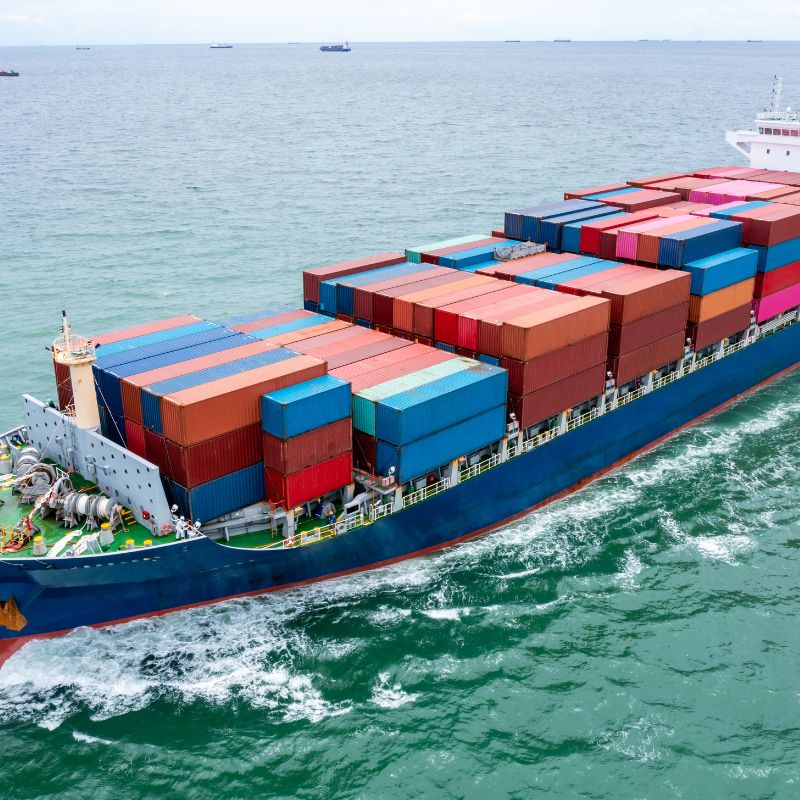
Budget-friendly solutions for bulk shipments, oversized and overweight cargo. We provide stable sea shipping options with safe delivery.
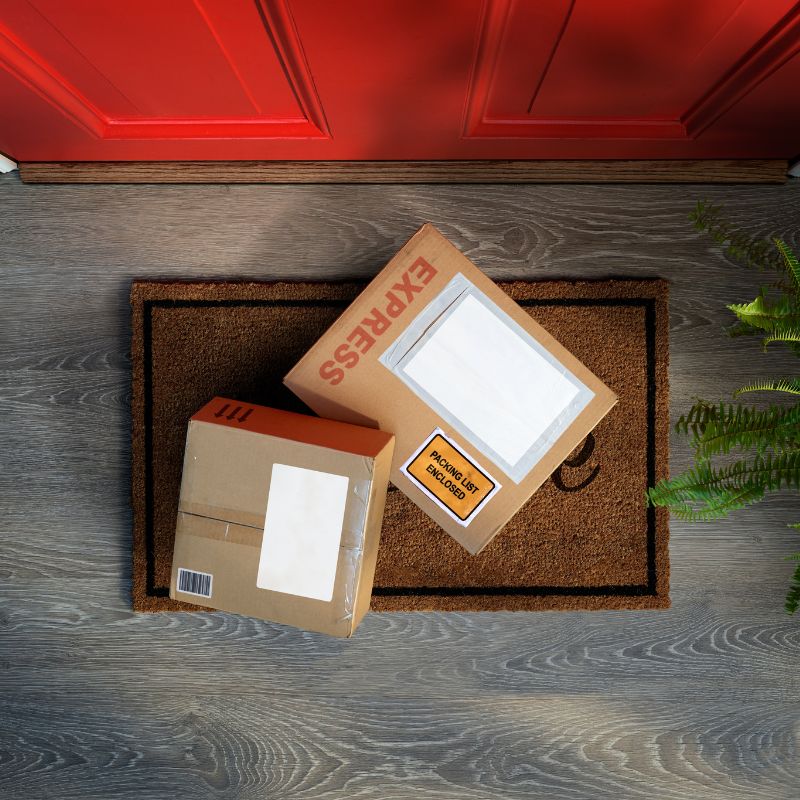
We provide competitive express freight rates for our customers. It’s commonly used for urgent shipments, e-commerce parcels, and samples.
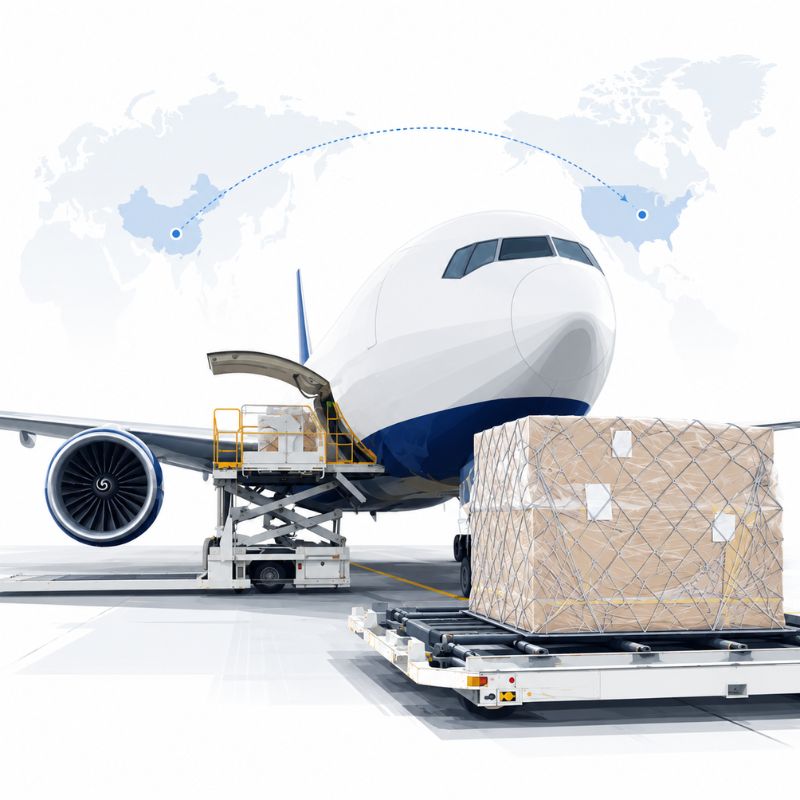
Budget-friendly solutions for bulk shipments, oversized and overweight cargo. We provide stable sea shipping options with safe delivery.
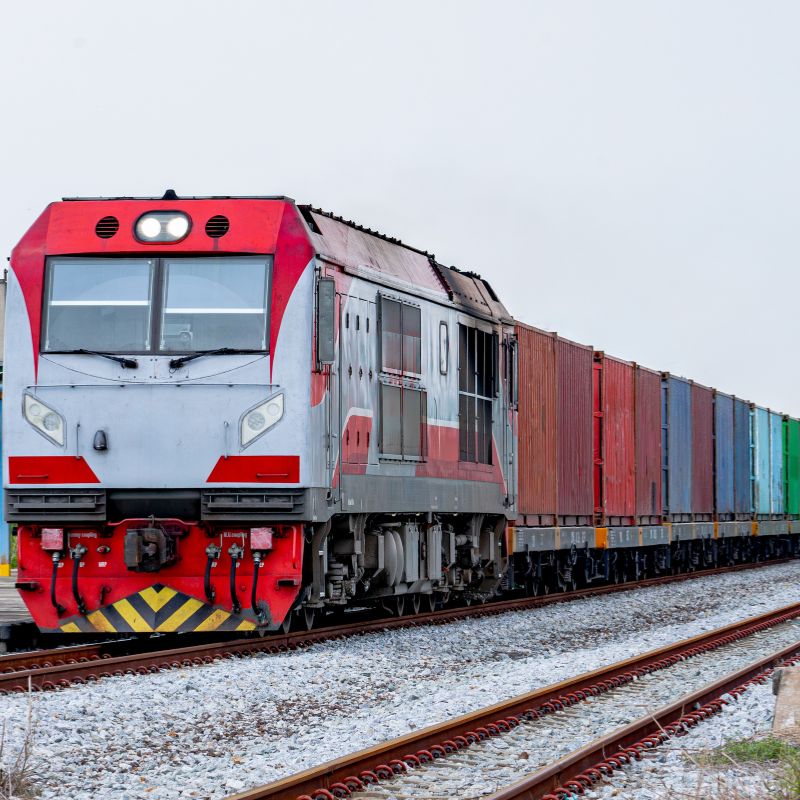
Rail freight is a balanced transportation solution between cost and delivery speed. It’s suitable for regular shipments, raw materials and industrial goods.
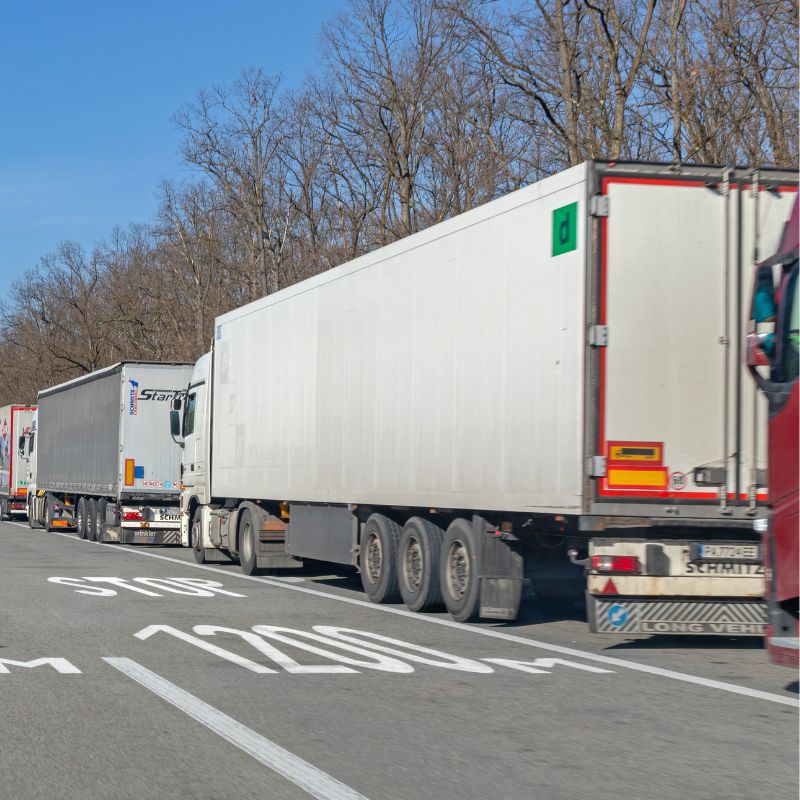
Truck freight provides flexible solutions with door-to-door service. It’s an ideal alternative with stable transit time.

Our professional team prepares shipping documents and arranges efficient customs clearance.
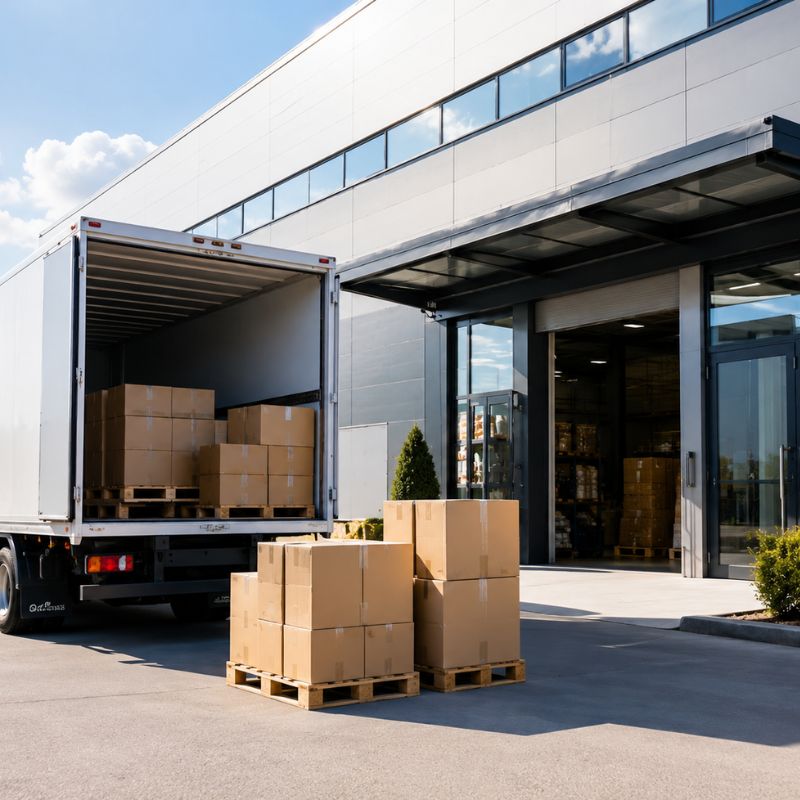
A simplified shipping solution with predictable landed costs. It is suitable for businesses that prefer a hassle-free experience.

Reliable fulfillment solutions for Amazon sellers in Switzerland. We ensure smooth delivery to Amazon warehouses.
Why Choose DFH Logistics Shipping from China to Switzerland?
- We maintain transparent communication and deliver on every commitment.
- Long-term cooperation with global carriers ensures stable shipping capacity even during peak seasons.
- Professional and safe handling for oversized, overweight, and fragile goods.
- 13+ years of experience in international logistics
- End-to-end shipping solutions streamline your supply chain.
- Real-time tracking system provides full visibility of shipments

What Is the Shipping Cost from China to Switzerland?
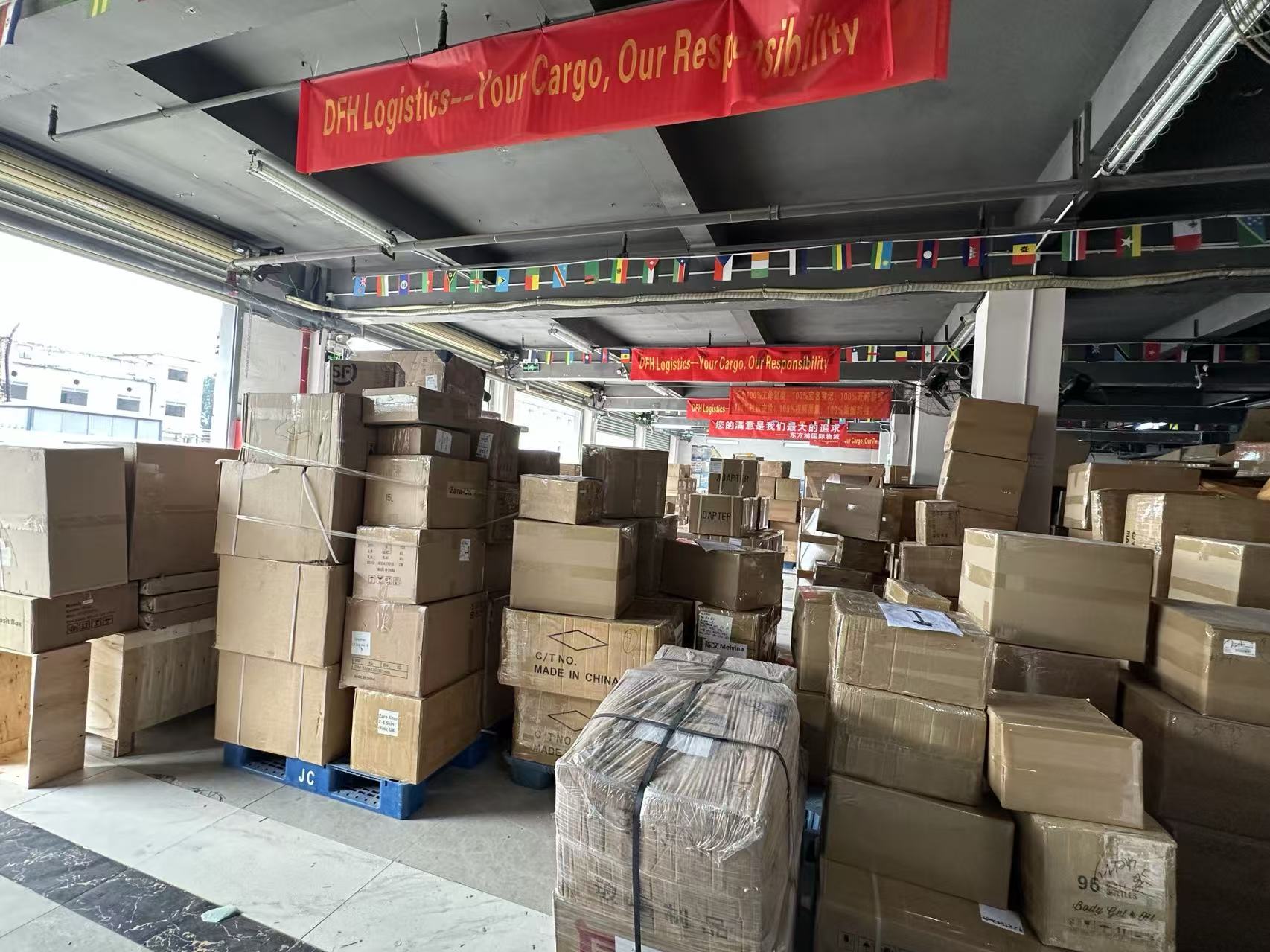
Air freight from China to Switzerland costs $7-$8/kg, and express freight costs $8-$11/ kg. Sea freight FCL from China to Switzerland costs $3000-$6000, while Sea freight LCL costs $2.61-$3.28/kg. Rail freight costs $3.01-$3.16/kg for shipments over 100 kg, and truck freight costs $3.19-$3.54/kg.
The cheapest way of shipping from China to Switzerland is sea freight LCL, as it provides the lowest unit price. However, importers should consider overall costs before choosing the most suitable shipping method.
Below prices at July 2026 are only for your reference. They refer to general goods with standard packaging. If your goods contain batteries, magnetic, irregular package and branded products, contact us to get a customized quotation.
| Shipping Method | Approximate Prices | Pricing Basis |
| Air Freight | $7-$8/kg | by chargeable weight |
| Express Freight | $8-$11/ kg | by chargeable weight |
| Sea Freight FCL | $3000-$6000 | by container |
| Sea Freight LCL | $2.61-$3.28/kg | by chargeable weight |
| Rail Freight | $3.01-$3.16/kg from 100kg | by chargeable weight |
| Truck Freight | $3.19-$3.54/kg | by chargeable weight |
What Is the Shipping Time from China to Switzerland?
Shipping from China to Switzerland takes 3-5 days by express freight, and air freight takes 7-12 days. Truck freight takes 20-28 days, rail freight takes 30-35 days, and sea freight takes 35-55 days.
The shipping time is not fixed, as it fluctuates with the specific situations. If you want a stable transit time, the best way is to work with an experienced freight forwarder.
| Shipping Methods | Transit Time |
| Air Freight | 7-12 days |
| Sea Freight | 35-55 days |
| Express Freight | 3-5 days |
| Rail Freight | 30-35 days |
| Truck Freight | 20-28 days |
What Is the Best Shipping Method from China to Switzerland?
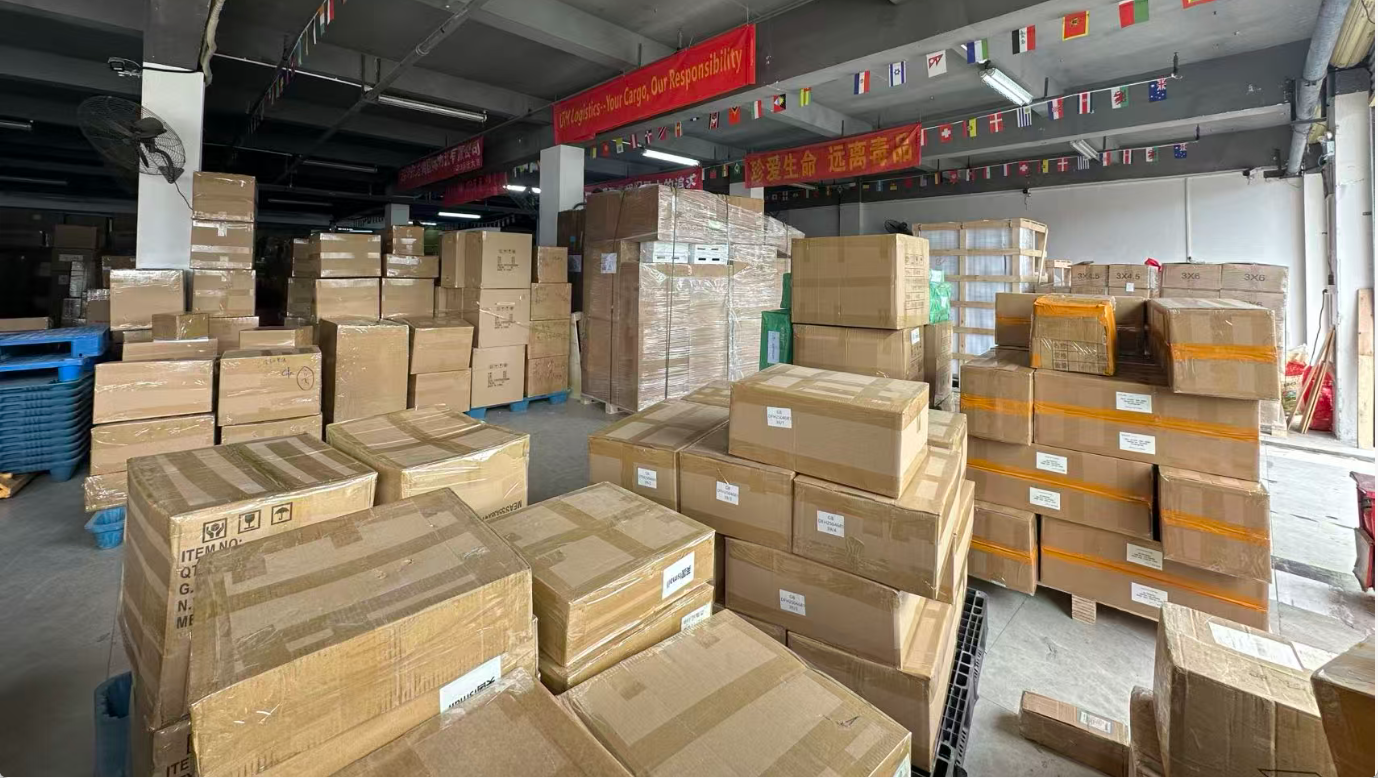
The best shipping method depends on your shipment situation. There is no one-for-all solution, but importers can take previous shipments as reference, maintain communication with freight forwarders, and adjust shipping strategies to achieve the best balance between cost, transit time and reliability.
| Shipping Method | Best For | Advantages | Considerations |
| Sea Freight | Non-urgent shipments over 1CBM; ≥15CBM choose FCL, smaller shipments choose LCL. | Lowest cost per unit, suitable for FCL and LCL shipments | Longer transit time |
| Air Freight | 45-1000kg time-sensitive shipments | Fast transit time and reliable delivery schedules | Higher cost compared with sea and rail freight |
| Express Freight | Small parcel, or less than 300kg shipments | Fast door-to-door service with high-quality customer service | More expensive for larger shipments |
| Truck Freight | Shipments over 21kg | Flexible delivery options and suitable for door-to-door transportation | Limited capacity |
| Rail Freight | Regular shipments over 100kg | Faster than sea freight and more affordable than air freight | Limited flexibility due to fixed train schedules |
What Should I Know When Importing from China to Switzerland?
When importing from China to Switzerland, importers should pay attention to product compliance, customs clearance, and total landed costs. Proper arrangement will reduce potential risks during the transportation.
Cargo Compliance
Importers should verify whether their products meet Swiss compliance requirements of packaging, labeling, and marks. Some special products have specific transportation requirements and must be shipped by appropriate methods to ensure safety and compliance.
Import Regulation
Importers should know what product can not be imported into Switzerland. The following goods are prohibited or restricted for import into Switzerland:
- Arms and ammunition
- Counterfeit goods
- Pharmaceuticals
- Dangerous chemicals
- Narcotics and drugs
- Waste material
- Radar warning devices.
Importing prohibited goods will result in cargo seizure, fines, and in serious cases, criminal liability.
Customs Clearance
Customs clearance is one of the most important steps in international logistics. Importers should confirm HS code and declare value. If customs authorities detect under-declared values, it may result in shipment delays and additional duties or taxes being charged.
Mandatory Documents
Typical shipping documents include:
- Commercial invoice
- Packing list
- Bill of Lading / Air Waybill
- Certificate of Origin(if required)
- Import licenses or certificates
Importers should ensure all documents are correct, consistent, and complete.
Total Landed Costs
Don’t only focus on freight costs, but overlook total landed costs. Importers should evaluate all involving costs such as documentation fees, custom clearance fees, oversized surcharges and so on.
What Is Import Duty and VAT in Switzerland?
Swiss customs duties are mainly calculated based on the type, quantity and weight of goods, rather than only the product value. The VAT rate is calculated based on CIF value, duties and other applicable taxes.
- VAT(Value Added Tax): The standard VAT rate in Switzerland is 8.1% on imported goods. The reduced rate of 2.6% applies to certain goods.
- Import Duty: It depends on the HS code, product type and declared value. The standard import duty rate is 6.3%.
How Does DDP Shipping from China to Switzerland Work?
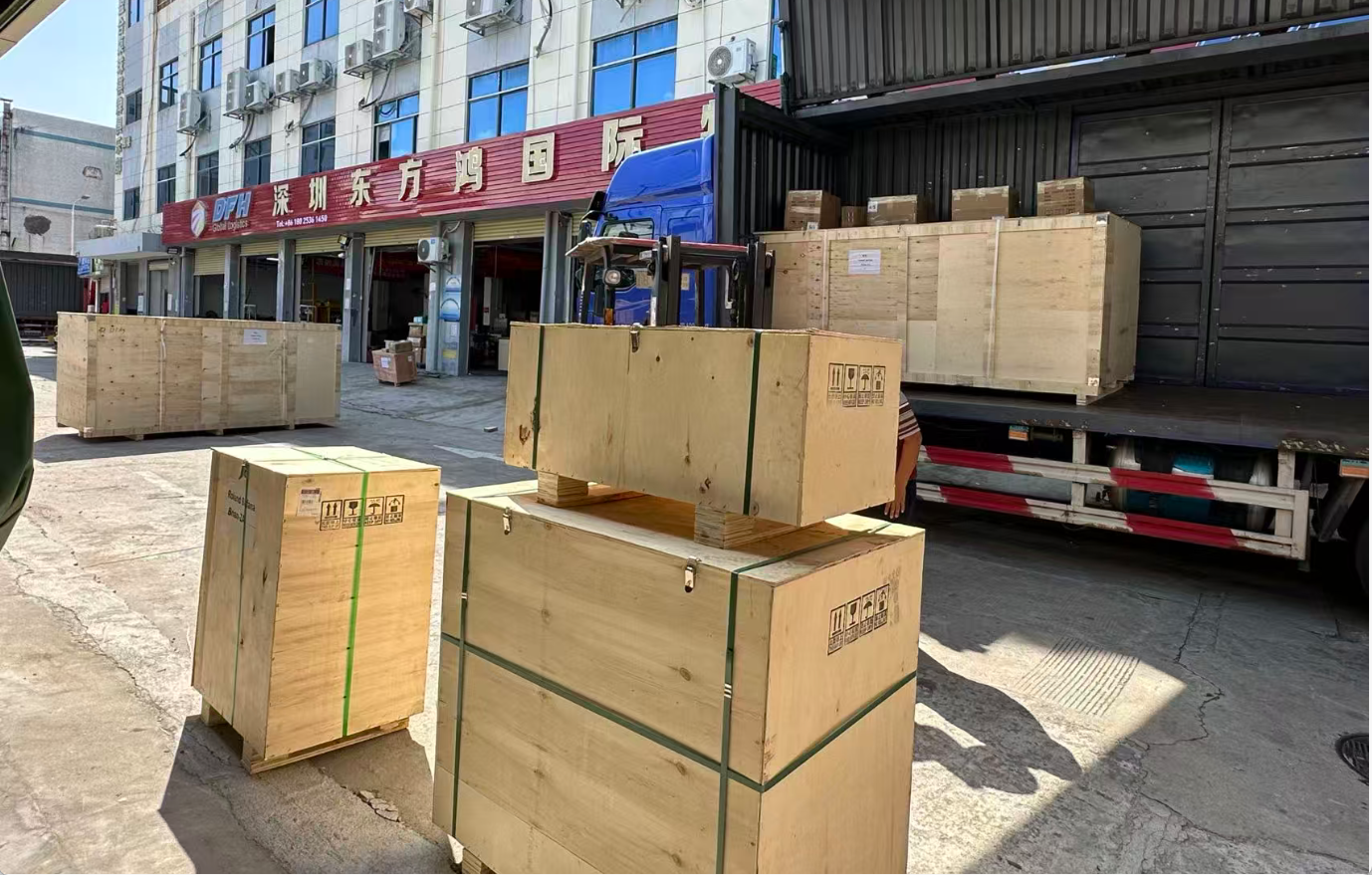
DDP (Delivered Duty Paid) is a shipping solution where the seller or logistics partner takes responsibility for the entire shipping process. The buyer only needs to wait for the goods to arrive. DDP shipping normally includes:
- Cargo pickup
- Shipment preparation: if it is necessary, the freight forwarder will provide repacking, relabeling, cargo consolidation, warehousing service.
- Customs clearance in both China and Switzerland
- Cargo insurance if it is necessary
- Prepaid duties and VAT
- International transportation
- Final delivery to your doorstep
Importers don’t need to handle customs clearance or final delivery by themselves. DDP provides a real hassle-free experience.
Advantages of DDP Shipping
DDP shipping helps importers:
- Simplified import process
- Better control over total landed costs
- Deliver to designated locations
- Reduce unnecessary coordination
DFH Logistics is the DDP specialist. We provide multiple DDP shipping solutions according to your specific shipments. If you require a DDP shipping solution, contact us now.
Why Are Goods Shipped from China to Switzerland Held in Customs?
Goods held in customs may be caused by many reasons, such as unpaid duty, incomplete documents or prohibited goods involved. Following are the main reasons that importers should pay attention to.
1. Incorrect or Incomplete Documents
This is the most common reason for customs holds. Customs require a full set of shipping documents to verify cargo and then goods can be released.
2. Under-Declared Cargo Value
If your declared value is abnormally lower than market price, you need to pay additional duties and taxes before being released by customs.
3. Customs Inspection
Some shipments are selected for inspection randomly. This is not controllable for importers or freight forwarders. However, customs inspection does not necessarily indicate compliance issues.
4. Unpaid Duties and Taxes
If import duties and VAT remain unpaid for a long time, goods may face detention, additional storage costs, return shipment, or even confiscation in severe cases.
5. Product Compliance Issues
If your cargo contains prohibited goods, you will face cargo detention, confiscation and penalties.
What Affects Total Landed Costs?
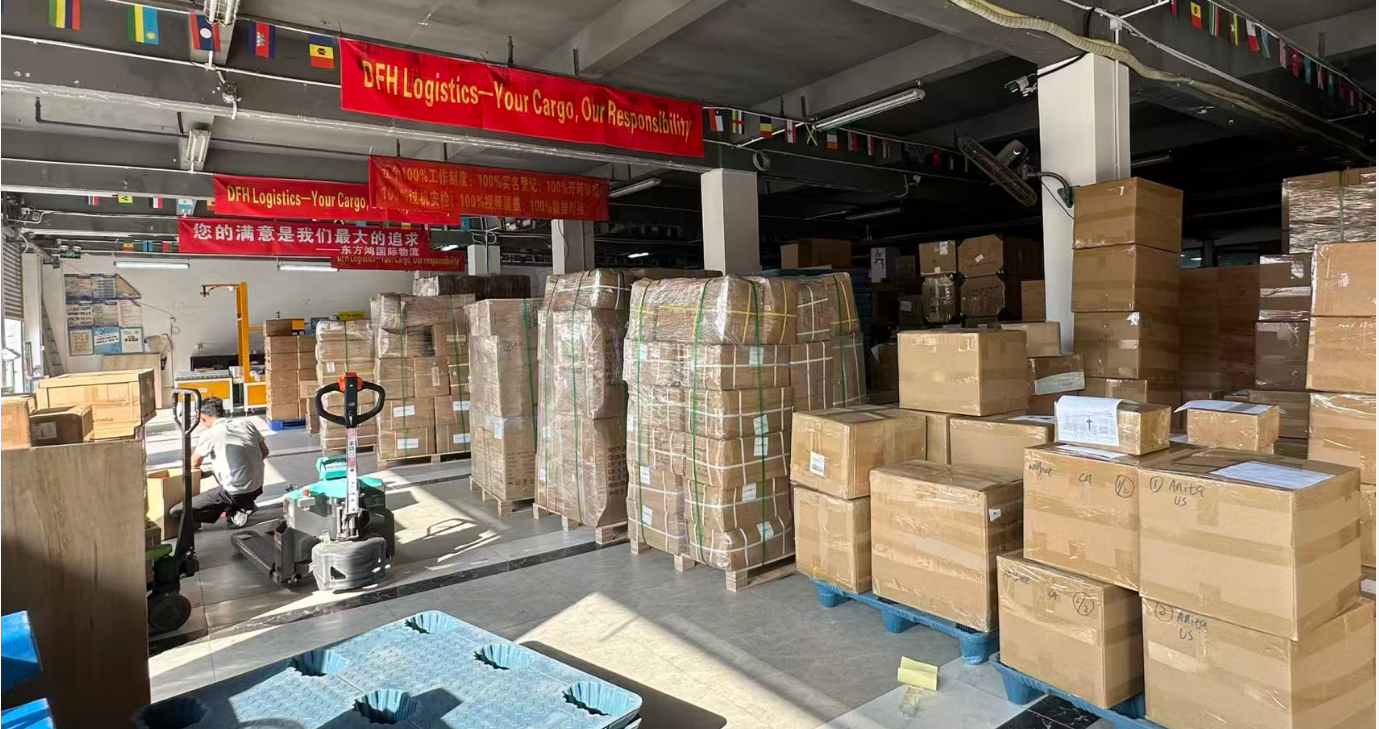
When calculating total landed costs, besides freight costs, you should also consider the following factors.
Hidden Fees
Hidden fees refer to the prices that are not included in the quotation sheet. Some hidden fees can’t be avoided, such as fuel surcharges, terminal handling charges, and peak season surcharges. But some fees can be prevented, like storage fees, demurrage fees, and amendment fees. Proper arrangement can reduce unnecessary costs.
Customs Clearance
Customs clearance costs mainly include customs clearance fees, documentation fees, duties & VAT fees. Making preparation in advance can reduce additional costs.
Service Provider
Different freight forwarders provide different service ranges, freight rates, and service quality. The choice of service provider can significantly affect your total landed costs. Experienced and professional freight forwarders can provide you the most competitive prices with transparent cost breakdown. In contrast, an unqualified freight forwarder will bring you many potential risks.
What Products Require Additional Permits or Certificates in Switzerland?
Some special goods require additional certificates or permits for market access:
- Batteries: CE Certificate, Safety Test Report, UN38.3 Test Report, MSDS/SDS, Dangerous Goods Declaration (DGD)
- Furniture: FSC Certificate, Fumigation Certificate, REACH Test Report
- Phones: BAKOM certificates, CE, EMC Test Report, LVD Safety Test Report
- Food: FDI/LGV, SGS, Phytosanitary Certificate, Health Certificate
- Cosmetics: PIF, Safety Assessment Report, Ingredient List, Certificate of Analysis (COA)
- Clothing: OEKO-TEX Standard 100, GRS
Some indispensable certificates of products are provided by suppliers. Importers should confirm if suppliers can provide these documents to support customs clearance. Otherwise, your goods can not be imported into Switzerland.
What Is the Shipping Process from China to Switzerland?
The shipping process from China to Switzerland may differ for different importers, which may depend on shipment situations. Standard shipping process includes following steps:
- Verify Product Compliance: Confirm product HS code and check if your product is accessible to the Swiss market.
- Supplier Coordination: Confirm with your supplier about product specification, lead time and Incoterm. Make sure your supplier provides required product certificates and reports.
- Choose the Suitable Shipping Method: You can choose the most suitable shipping method according to specific situations.
- Prepare Shipping Documents: Before customs clearance, you need to prepare all shipping documents for smooth customs clearance.
- Arrange Shipment: When the goods are ready, one of your parties will arrange the shipment depending on the selected Incoterm.
- Tracking Shipment: Monitor your shipment and wait to receive the goods.