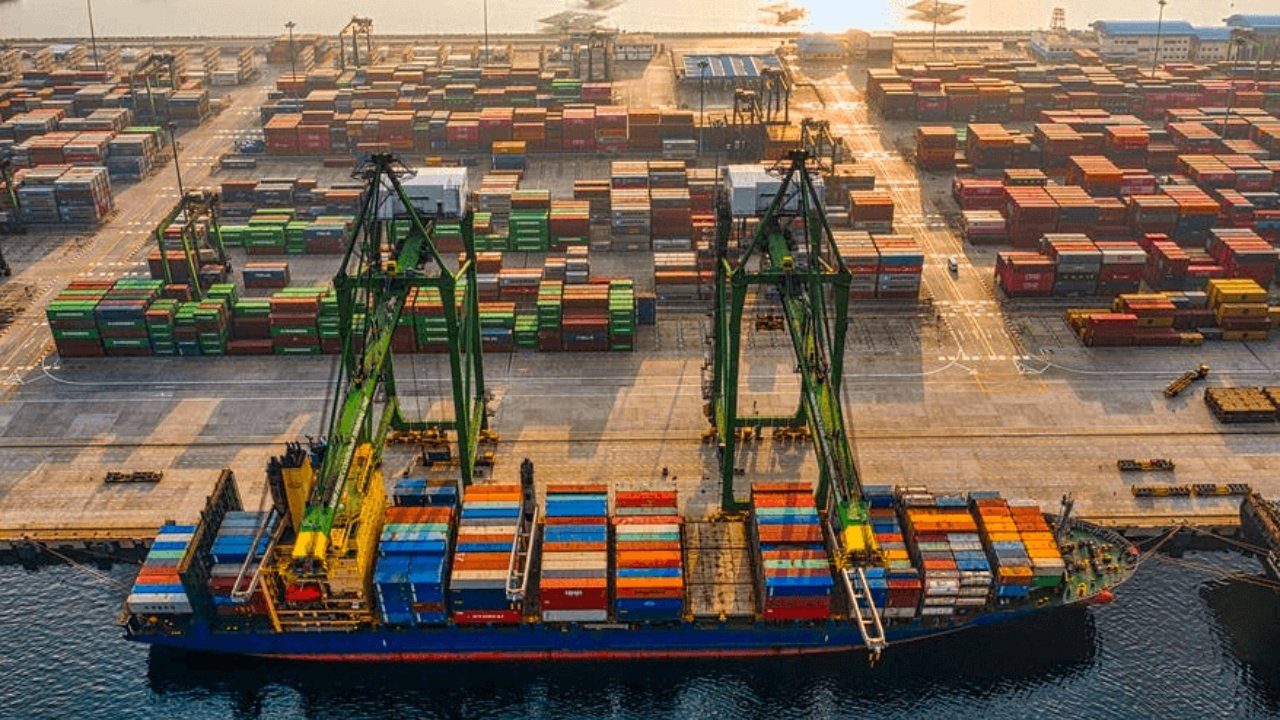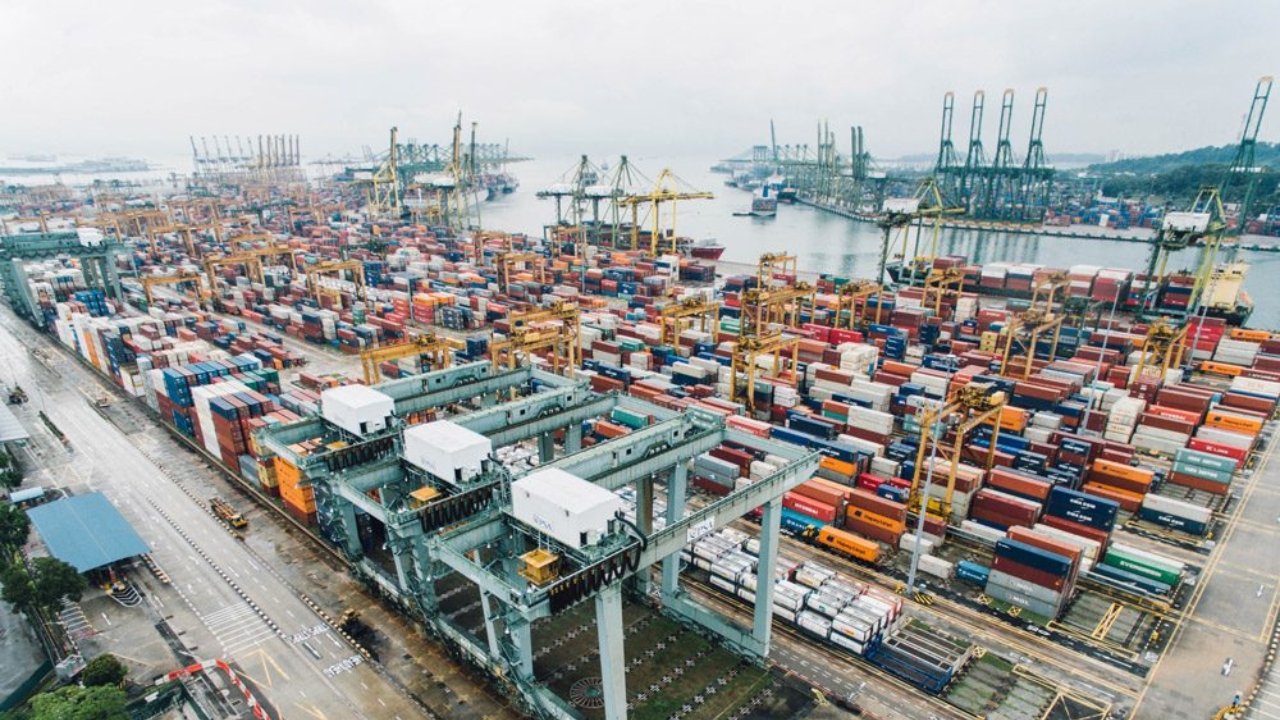
Shipping clothes from China to Australia can look straightforward when a supplier has packed the cartons and confirmed the ready date. The real work is making sure garment details, customs descriptions, care labels, and packing information are consistent before the cargo leaves China.
This guide to shipping clothes from China to Australia explains how to choose between sea freight, air freight, and express, estimate door-to-door costs and transit times, and prepare for Australian customs, GST, labelling, and biosecurity checks.
Australia’s Import Rules Start Before the Vessel Leaves
When shipping clothes from China to Australia, you need to consider customs clearance, product information, and biosecurity requirements. Most new commercial clothing is relatively straightforward to import, but used garments, natural materials, and contaminated goods may require additional checks.
Before your cargo leaves China, pay attention to these key requirements:
- Customs & GST (ABF): The Australian Border Force reviews import declarations, tariff classifications, customs values, duties, and GST. Accurate product descriptions and declared values are essential.
- Biosecurity (DAFF): The Department of Agriculture, Fisheries and Forestry checks goods for biosecurity risks. Used clothing, dirty footwear, and products containing wool, feathers, leather, fur, or plant materials may need additional review.
- Product Information: Ask your supplier to provide the garment type, knitted or woven construction, fibre composition, intended wearer, quantity, and country of origin. Avoid declaring the goods simply as “clothes.”
According to the Australian Border Force import requirements, importers are responsible for assessing the correct tariff classification, and ordinary goods generally do not require an import licence. However, controlled products and special materials may have additional conditions.
If you are unsure about the Australian import requirements for your clothing, you can share your product details and material information with us. We can help identify the information needed before arranging shipment.
What Should Be in Your Australian Clothing File?
You should have an Australian importer arrangement, product details, commercial documents, tariff information, and any label or biosecurity evidence needed for the actual garments. A forwarder or customs broker can help prepare the entry, but the owner of the goods remains responsible for truthful information.
| Australian Checkpoint | What to Prepare |
| Importer Identity | ABN if available, importer of record, broker or agent |
| Product File | Garment type, material, use, quantity, and origin |
| Labels | English care words or approved symbols, trade description, and packaging |
| Customs File | Invoice, packing list, BOL/AWB, value, tariff code, and Incoterm |
| Biosecurity | Clean and dry goods; BICON check for wool, leather, feathers, and used items |
ABN, Customs Entry, and Importer Responsibility
Importers with an Australian Business Number (ABN) must provide it when formally entering goods. Importers who are not entitled to an ABN may use a customs owner code. An ABN and GST registration are required to claim input tax credits or access the GST deferral scheme.
Agree who will act as importer of record before you choose DDP. Ask whose ABN is used, who pays the duty and GST, whether the entry is made through the Integrated Cargo System, and what import evidence you will receive after clearance.
Documents That Need to Tell One Story
Prepare a commercial invoice, packing list, bill of lading or air waybill, purchase order, payment evidence, product photos, carton measurements, material information, country of origin, and Incoterm.
The invoice should show the seller, buyer, detailed product description, quantity, unit value, currency, and total value. The packing list should identify cartons, pieces, sizes, colours, gross weight, net weight, dimensions, and shipping marks.
If the invoice says 1,000 polyester jackets but the labels and packing list describe cotton shirts, the shipment may be delayed while the difference is checked.
You can provide us with the invoice, packing list, product photos, Australian destination, and preferred Incoterm, and we can help you identify missing details before booking.
Care Labels Are a Selling Requirement, Not a Freight Detail
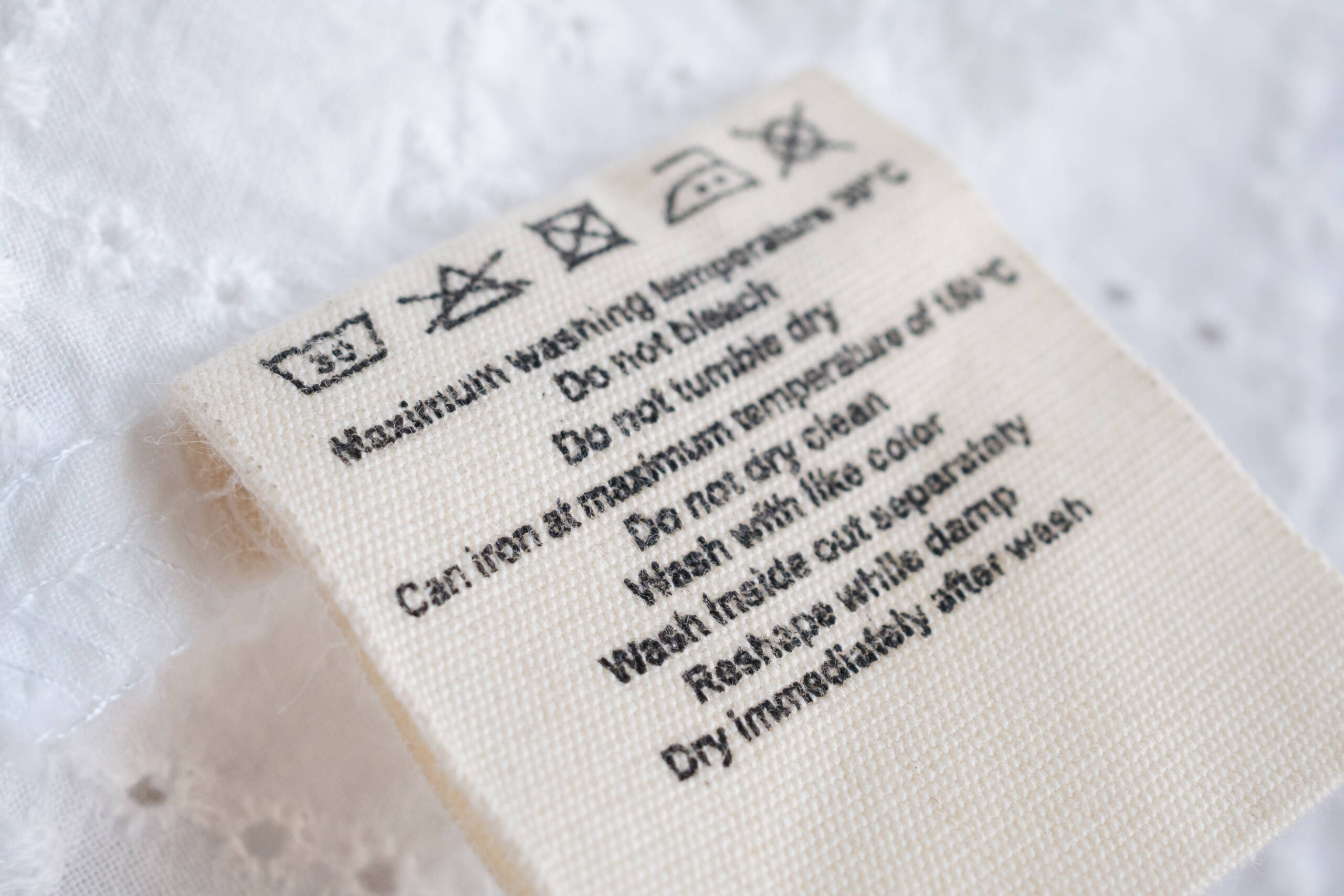
Australian clothing care labelling is not simply a copy of the UK or EU system. For many covered clothing and textile products, the mandatory standard allows care instructions in English or five internationally recognised care symbols. Approve the artwork before bulk production instead of trying to fix thousands of labels after arrival.
Care Instructions Must Be Usable
The care information should communicate the treatments the garment can safely receive, including washing, bleaching, drying, ironing, and professional care where relevant. The Australian care labelling standard applies to prescribed clothing and textile products, and penalties may apply when required information is missing or misleading.
Do not assume that a fibre-content label from another market automatically satisfies Australian requirements. Fibre composition, size, country of origin, brand information, and care instructions can all be useful to the buyer, but they do different jobs. Keep the label wording consistent with the actual fabric, lining, filling, elastic, and trims.
Trade Descriptions and Packaging
Textile products and articles of apparel can fall within Australian labelling and trade-description rules. Check the product category, label position, and required description before the factory prints cartons or sews labels into the garments.
If the product is sold under your brand, confirm who owns the logo, photographs, artwork, and packaging. Do not ship replicas or branded clothing without permission. A border problem involving counterfeit goods can create much more damage than a normal freight delay.
We can review the garment photos, label artwork, fibre information, and intended selling channel with you so the product preparation and shipping file stay aligned.
Can Biosecurity Hold or Treat Clothing Cargo?
Yes—biosecurity can hold, inspect, clean, treat, re-export, or otherwise manage clothing cargo when it presents a contamination or animal-product risk. New factory-sealed garments are usually easier to clear, but natural materials and used goods need more careful preparation.
Keep Clothing Clean and Dry
Clothing, shoes, and equipment exposed to soil, manure, seeds, plant debris, insects, food residue, or animal material can create a biosecurity concern. Used clothing, footwear, rural workwear, wool, hair, feathers, leather, fur, and down-filled products should be checked against the relevant Australian conditions.
You can use the Biosecurity Import Conditions system before shipping goods with animal or plant materials. It can show whether the commodity is permitted, whether an import permit or treatment may be required, and what documents or preparation conditions apply.
Packing Materials Matter Too
Do not use straw, soil-contaminated filler, sawdust, or second-hand cartons that previously held animal or plant products. If wooden pallets or crates are used, confirm the applicable treatment and marking requirements with your forwarder before loading.
Biosecurity treatment, inspection, storage, or re-export charges can become the importer’s responsibility. A clean, dry, well-documented shipment is much easier to manage than one that arrives with unclear material information.
You can share the product materials, packing photos, and supplier packaging plan with us, and we can help you flag possible biosecurity questions before the cargo leaves China.
Choose Freight for the Australian Delivery City
The best method depends on the amount of stock, its chargeable weight, the final city, and how much schedule risk you can accept. Sea freight usually protects the budget for regular inventory, while air and express protect launch dates and urgent replenishment.
| Shipping Method | Best For | Typical Time (DTD) | Australia-Specific Watch-Out |
| Sea FCL | Planned bulk orders | 20–35+ days | Port handling and inland delivery |
| Sea LCL | Mixed cartons and smaller orders | 20–35+ days | CFS and destination charges |
| Air Freight | Urgent stock and heavier replenishment | 5–12 days | Volumetric weight |
| Express | Samples and small parcels | 3–7 business days | Remote postcode and disbursement fees |
Sydney, Melbourne, Brisbane, Perth, and Adelaide do not have the same inland delivery cost. A cheaper ocean rate can lose its advantage if the cargo arrives at the wrong gateway and then needs a long domestic transfer.
You can give us your cargo volume, carton dimensions, gross weight, destination postcode, and required arrival date, and we will compare the route rather than only the headline freight rate.
Door-to-Door Transit Times from China to Australia
Door-to-door time includes factory pickup, export preparation, consolidation, main carriage, Australian customs and biosecurity processing, and local delivery. The ranges below are planning estimates for general cargo, not guaranteed arrival dates.
| Route | Sea | Air | Express |
| Guangzhou/Shenzhen to Sydney | 20–32+ days | 5–12 days | 3–7 business days |
| Guangzhou/Shenzhen to Melbourne | 20–32+ days | 5–12 days | 3–7 business days |
| Shanghai/Ningbo to Brisbane | 22–35+ days | 6–13 days | 3–7 business days |
| Guangzhou to Perth | 18–32+ days | 6–14 days | 4–7 business days |
| Guangzhou to Adelaide | 22–33+ days | 7–16 days | 4–7 business days |
Direct sailing schedules, transshipment, peak season, port congestion, customs questions, biosecurity inspection, public holidays, and remote postcodes can change the final delivery date. Manufacturing time is separate, so include sampling, production, and warehouse receiving in your launch calendar.
If you have a fixed sales date, you can tell us your cargo details, and we can compare available sailings, flights, and express services and help you build a practical buffer around the Australian delivery point.
Clothing Freight Cost Benchmarks for Australia
Rates depend on the China origin, Australian gateway, CBM, gross weight, chargeable weight, service level, season, customs scope, and final delivery address. The table below is for budgeting and route comparison, not a firm quotation.
| Route | Sea LCL | Sea FCL | Air | Express |
| Guangzhou/Shenzhen to Sydney | $80–$180/CBM | $1,500–$4,000/container | $5–$12/kg | $8–$30/kg |
| Guangzhou/Shenzhen to Melbourne | $85–$180/CBM | $1,600–$4,000/container | $5.2–$12/kg | $8–$30/kg |
| Shanghai/Ningbo to Brisbane | $90–$200/CBM | $1,700–$4,000/container | $6–$13/kg | $9–$30/kg |
| Guangzhou to Perth | $95–$180/CBM | $1,600–$4,000/container | $6–$12/kg | $9–$30/kg |
| Guangzhou to Adelaide | $100–$180/CBM | $1,600–$4,000/container | $6.5–$12/kg | $9–$30/kg |
These figures are reference ranges and may exclude customs duty, GST, import processing, brokerage, biosecurity inspection or treatment, port charges, storage, insurance, and final-mile delivery. Rates can change with carrier capacity, fuel costs, season, and exchange rates, so a shipment-specific quotation is necessary before payment.
You can send us your supplier city, garment details, carton dimensions, total CBM, gross weight, Australian postcode, and preferred delivery date, and we will prepare a more realistic comparison for your shipment.
Real Case Studies: Shipping Clothes from China to Australia
Case Study 1: Shipping T-Shirts (198 KG, 6 Cartons) from China to Melbourne by Sea Freight DDP
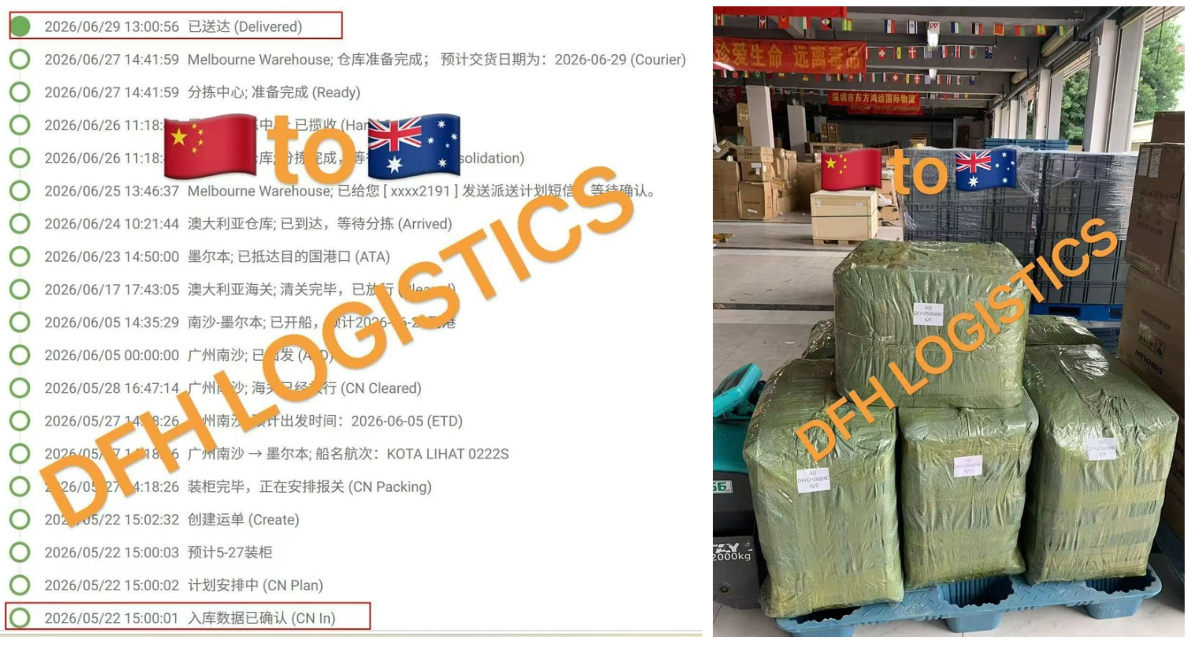
Customer Source: Our Official Website
Cargo Type: T-Shirts
Chargeable Weight: 198 KG
Cargo Quantity: 6 Cartons
Shipping Route: Shenzhen, China to Australia
Shipping Method: Sea Freight DDP Door-to-Door
Transit Time: 37 Days
The customer needed to ship 6 cartons of T-shirts from Shenzhen to Melbourne, Australia. They wanted a cost-effective sea freight solution with customs clearance and final delivery included, making the import process easier without arranging separate transportation in Australia.
- Cargo Receiving & Shipment Preparation: We received the 6 cartons in Our Shenzhen warehouse and confirmed the cargo weight and package details before arranging international transportation.
- Sea Freight DDP Arrangement: Based on the shipment weight of 198 KG and the customer’s delivery requirements, we arranged Sea Freight DDP Door-to-Door from Shenzhen to Melbourne as a cost-effective shipping solution.
- Customs Clearance: Under the agreed DDP terms, we coordinated Australian import customs clearance and handled applicable duties and taxes, helping the customer avoid complicated import procedures.
- Final Door-to-Door Delivery: After customs clearance, we arranged local transportation and delivered the T-shirts directly to the customer’s designated address in Melbourne.
The shipment of T-shirts was successfully delivered to Melbourne within 37 days. The customer was satisfied with the convenient DDP arrangement and smooth Door-to-Door delivery.
Case Study 2: Shipping Clothing (33 Cartons, 645 KG) from Guangzhou to Australia by Sea Freight DDP
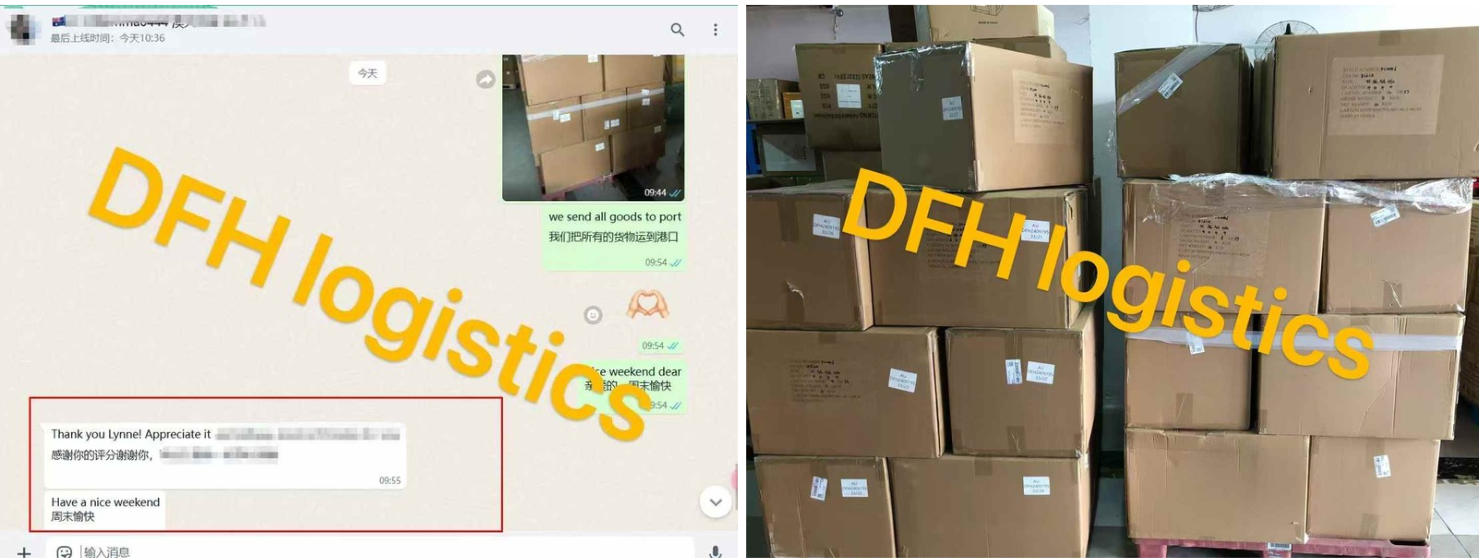
Customer Source: Customer Referral
Cargo Type: Clothing
Estimated Gross Weight: 645 KG
Cargo Quantity: 33 Cartons
Shipping Route: Guangzhou, China to Australia
Shipping Method: Sea Freight DDP Door-to-Door
Transit Time: 35 Days
The customer had 33 cartons of clothing ready for international shipment and needed transportation from Guangzhou to Australia. We arranged domestic pickup, warehouse handling, and sea freight under DDP terms to simplify the entire shipping process.
- Supplier Pickup: We arranged a truck to collect all 33 cartons directly from the supplier in Guangzhou and transported them to our Shenzhen warehouse. This saved the customer from organizing domestic transportation.
- Warehouse Receiving & Cargo Checking: After arrival, our warehouse team counted the cartons, checked their outer packaging, and confirmed the shipment details before export preparation.
- Sea Freight with DDP Arrangement: Based on the cargo quantity and destination, we arranged Sea Freight DDP from China to Australia, providing an economical solution for this multi-carton clothing shipment.
- Australian Customs Clearance: We coordinated the import customs clearance and applicable duties and taxes under the agreed DDP arrangement, reducing the customer’s involvement in destination import procedures.
- Final Delivery in Australia: Once customs clearance was completed, we arranged local transportation to deliver the clothing directly to the customer’s designated address.
All 33 cartons of clothing were successfully delivered to Australia within 35 days. The customer was satisfied with our Guangzhou pickup service, organized warehouse handling, and convenient Door-to-Door delivery.
If you are planning to ship clothing from China to Australia, send us your cargo weight, carton dimensions, supplier location, and Australian delivery postcode. We can help arrange suitable shipping plans, customs clearance, and door-to-door delivery.
FAQs About Shipping Clothes from China to Australia
Do I Need an Import Licence When Shipping Clothes from China to Australia?
Usually not for ordinary clothing. However, garments containing special materials or other controlled components may require additional approvals or biosecurity checks. You still need accurate product descriptions, customs classification, and the correct import declaration before shipment.
Can I Ship Used Clothing from China to Australia?
Yes, but used clothing may face additional biosecurity checks due to dirt, contamination, or organic materials. Make sure the garments are clean and dry, and check the relevant BICON import conditions before arranging collection. Treatment, inspection, or extra documentation may be required.
How Much GST Do I Pay When Importing Clothes from China to Australia?
Australian GST is generally 10% on taxable imports. The calculation may include the customs value, applicable import duty, and international freight and insurance costs. When estimating your total clothing shipping cost, remember to account for these charges rather than calculating GST from the supplier’s invoice alone.
Can I Ship Clothing Samples from China to Australia Without Care Labels?
Sample shipments may be treated differently depending on their purpose and whether they are intended for sale. However, you should not assume that all samples are exempt from Australian requirements. If the garments may be sold or supplied to consumers, check the applicable care labelling requirements before shipping.
Can I Consolidate Clothing Orders from Multiple Suppliers in China for Shipping to Australia?
Yes. You can have different suppliers send their clothing orders to our Shenzhen warehouse, where we can receive, check, and consolidate the cartons into one shipment. This can simplify supplier coordination and help reduce transportation costs when the orders are ready at different times.
Ship Clothes from China to Australia with a Clearer Plan
Shipping clothes from China to Australia becomes much easier when the product file, care label, biosecurity preparation, customs value, and delivery route are considered together. Sea freight may be the sensible base for planned inventory, while air or express can protect an important launch.
You can send us your garment category, material, supplier location, carton count, CBM, gross weight, Australian postcode, and target arrival date. We will help you compare the available shipping methods and coordinate a practical shipping solution from China pickup to Australian delivery.